
A Forager’s Guide to Florida’s Edible Mushrooms
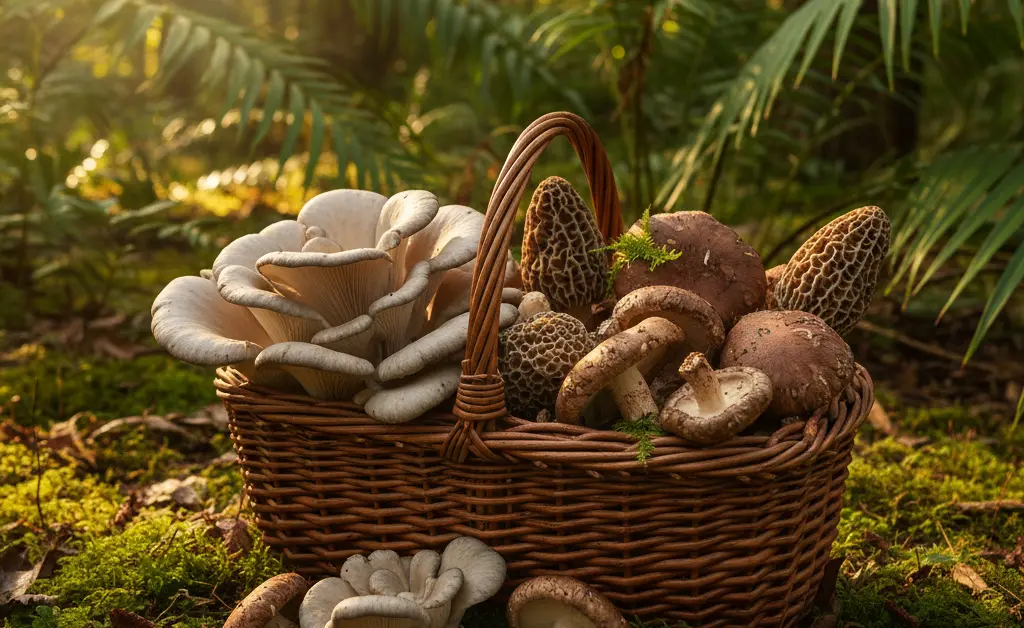
Are you eager to incorporate fresh, wild ingredients into your meals but feel overwhelmed by the daunting task of identifying safe edible mushrooms amidst the many poisonous varieties? The prospect of foraging can be intimidating, with the risk of misidentification leading to severe health consequences. This confusion often prevents enthusiasts from exploring the abundant natural pantry that exists right outside their doors. Navigating the diverse ecosystems of the Sunshine State to find culinary treasures requires specific knowledge and careful observation. This comprehensive guide aims to demystify the world of wild fungi, offering essential insights for safely locating, identifying, and enjoying edible mushrooms Florida has to offer. We’ll explore common species, ideal foraging locations, and crucial safety precautions to empower your journey into sustainable wild harvesting.
Edible Mushrooms Florida Identification
Accurate identification is the cornerstone of safe mushroom foraging, especially when seeking edible mushrooms Florida offers. It is critical to learn the distinct characteristics of each species you intend to collect and consume. Relying on a single feature can be misleading; instead, focus on a combination of visual cues, growth habits, and habitat. Understanding potential poisonous look-alikes is just as important as knowing the features of edible species. Always cross-reference multiple reliable field guides and, if possible, seek guidance from experienced foragers or mycological societies. Never consume a mushroom unless you are 100% certain of its identity.
Oyster Mushrooms (Pleurotus spp.)
Oyster mushrooms are among the most recognizable and widely sought-after edible fungi. They typically grow in shelf-like clusters on decaying hardwood trees, often appearing after rain. Key identification features include their distinctive fan- or oyster-shaped caps, which can range in color from white to gray or tan. The gills run down the stem (decurrent) and are white or yellowish. They often have a short or absent stem and a pleasant, mild aroma. Always check the spore print, which should be white to lilac-gray, to help differentiate them from potential look-alikes.
Chicken of the Woods (Laetiporus spp.)
Chicken of the Woods is a vibrant and unmistakable fungus, often growing in large, bright orange or yellow brackets on living or dead oak trees and other hardwoods. This species is known for its distinctive shelf-like growth and wavy, fan-shaped edges. Unlike gilled mushrooms, Chicken of the Woods has tiny pores on its underside. Its texture, when cooked, is often compared to chicken, hence its common name. Young, tender specimens are preferred for culinary use. It is crucial to ensure it’s growing on hardwood, as similar species on conifers may cause digestive upset.
Lion’s Mane (Hericium erinaceus)
Lion’s Mane, also known as Bear’s Head or Pom Pom mushroom, is a unique and highly prized edible. It grows as a single, large, shaggy white mass of cascading spines, resembling a waterfall or a lion’s mane. These mushrooms are typically found on dead or dying hardwood trees, particularly oaks and maples. Their texture is firm and fleshy, with a flavor often described as seafood-like, reminiscent of crab or lobster. There are no significant poisonous look-alikes, making it a relatively safer mushroom for beginners to identify once its distinct appearance is learned.
Black Trumpet (Craterellus cornucopioides)
Black Trumpets are a highly esteemed gourmet mushroom, known for their rich, earthy flavor. They are trumpet-shaped, hollow, and typically dark gray to black, often blending seamlessly with the forest floor, making them challenging to spot. They lack true gills, instead having a wrinkled or smooth underside, and grow directly from the soil, often near oak or beech trees. While their dark coloration might seem unappealing to some, their unique flavor profile makes them a favorite among chefs and foragers. There are very few dangerous look-alikes, but some non-toxic look-alikes exist which lack the same culinary value.
Ringless Honey Mushroom (Armillaria tabescens)
The Ringless Honey Mushroom is a common edible species found in Florida, typically growing in large clusters at the base of dead or dying hardwood trees or from buried wood. Its cap color varies from honey-yellow to reddish-brown, and it often has fine scales. As its name suggests, it lacks a prominent ring (annulus) on its stem, which differentiates it from other honey mushroom species. The gills are typically white to yellowish and decurrent or attached. Proper identification is crucial with Armillaria species, as some can be mistaken for other, less desirable or even mildly toxic fungi.
Common Edible Mushroom Species in Florida
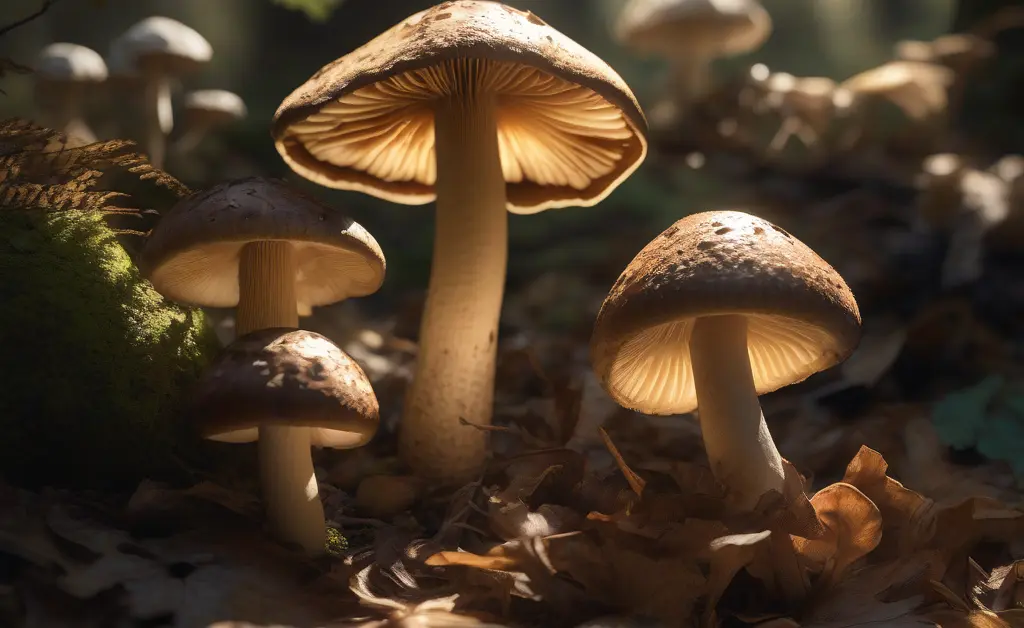
Florida’s warm, humid climate and diverse ecosystems create ideal conditions for a wide variety of fungal life. Beyond the specific species highlighted for identification, numerous other edible mushrooms Florida hosts can be found throughout the year, depending on the season and local conditions. These include various species of Boletes, Chanterelles (especially in specific sandy-soil habitats), and sometimes certain types of Puffballs. Each species has its preferred microclimate and substrate, contributing to the rich tapestry of edible fungi available to the discerning forager. While this guide focuses on some of the more common and easier-to-identify species, further exploration will reveal an even broader array of culinary treasures. For those interested in a wider geographical scope, resources on edible mushrooms in the USA are also available.
Where to Find Edible Mushrooms in Florida
Successfully locating edible mushrooms Florida offers requires an understanding of their preferred habitats and the best seasons for mushroom foraging. Fungi thrive in specific conditions, often associated with particular tree species and levels of humidity. Florida’s state parks, national forests, and other natural areas are prime locations for foraging, but it’s essential to research local regulations and obtain any necessary permits before venturing out. Public lands often have restrictions on harvesting, so always check with the managing authority first. Private land foraging is only permissible with explicit permission from the landowner.
Look for wooded areas, especially those with decaying logs, stumps, or leaf litter, as many species are saprophytic, feeding on dead organic matter. Others form mycorrhizal relationships with living trees, meaning you’ll find them near specific tree roots. After periods of rain, especially during the warmer months, is often the most productive time for foraging. Different species fruit at different times; for instance, some appear more frequently in late summer and fall, while others might be present year-round in Florida’s temperate climate. Familiarize yourself with the habitat preferences of edible species you are seeking. Similarly, understanding habitat preferences for edible mushrooms in Wisconsin would involve knowledge of its distinct forest types and climate.
Harvesting and Preparing Edible Mushrooms
Once you have confidently identified edible mushrooms Florida has to offer, the next step is responsible harvesting and preparation. Sustainable harvesting practices are vital to ensure the continued health of fungal populations. When collecting, use a sharp knife to cut the stem near the base, leaving the mycelial network intact in the soil or wood. Avoid over-harvesting from a single patch; take only what you need and leave plenty behind to allow for spore dispersal and future growth. Carry a breathable basket or mesh bag to allow spores to drop as you move, further aiding in sustainability. Foraging practices may also vary by region, so consider researching edible mushrooms in Rhode Island for comparative knowledge.
Upon returning home, cleaning and storage tips are essential. Most wild mushrooms benefit from a gentle cleaning with a soft brush or damp cloth to remove debris. Avoid washing them under running water unless absolutely necessary, as they can absorb water and become soggy. For optimal freshness, consume wild mushrooms shortly after harvesting. If storage is needed, place them in a paper bag in the refrigerator for a few days. For longer-term preservation, many edible species can be dried, frozen, or sautéed and then frozen. Cooking methods for edible mushrooms vary widely; some are excellent simply sautéed with butter and garlic, while others shine in soups, stews, or baked dishes, enhancing their unique textures and flavors.
Important Considerations for Foraging Edible Mushrooms
Foraging for wild mushrooms is a rewarding activity, but it comes with important considerations to ensure safety and compliance. The risks of mushroom foraging are primarily associated with misidentification, which can lead to serious health issues, including poisoning. It is crucial to educate yourself thoroughly on poisonous look-alikes that can resemble edible species. Always be absolutely certain of a mushroom’s identity before consumption. If there is any doubt, it is best to discard the specimen. For general health information and safety guidelines related to food consumption, resources from the WHO can be valuable.
Florida, like other states, has local regulations and laws regarding foraging on public and private lands. Always verify these rules before you begin. Additionally, even confidently identified edible species can sometimes cause allergies and sensitivities in certain individuals. It is often recommended to try a small amount of a new-to-you edible mushroom first to assess any personal reactions. Understanding how can you tell if a mushroom is poisonous in Florida involves not only knowing specific toxic species but also recognizing general warning signs such as bright colors, strong odors (beyond pleasant mushroomy ones), or unusual growth patterns. Never rely on myths or old wives’ tales for identification; only scientific, verified methods are safe. Always carry a reliable field guide and consider foraging with an experienced mentor. Understanding regional differences is key, for example, when looking for edible mushrooms in Delaware, specific local conditions and species might apply.
Embarking on the journey of foraging for edible mushrooms in Florida can be a truly enriching experience, connecting you with nature and providing delicious, fresh ingredients. By prioritizing accurate identification, respecting natural habitats, and adhering to sustainable practices, you can safely explore the fungal bounty the Sunshine State has to offer. Remember that continuous learning and cautious observation are key to a successful and safe foraging adventure, allowing you to enjoy the unique flavors of the wild with confidence.
This article is written for general understanding and not for medical decision-making. Information about wild mushrooms should not be taken as a substitute for professional guidance from an experienced mycologist or a qualified medical professional. Foraging for wild mushrooms carries inherent risks, and misidentification can lead to severe health consequences. Always exercise extreme caution and consult multiple reputable sources before consuming any wild mushroom.
FAQ
Are there edible mushrooms in Florida?
Yes, Florida’s diverse climate and ecosystems support a variety of edible mushroom species. These fungi play crucial roles in breaking down organic matter and supporting plant life within the state’s natural environments.
What are the most common edible mushrooms in Florida?
Among the commonly recognized edible mushrooms found in Florida are species like the oyster mushroom (Pleurotus spp.) and the shiitake mushroom (Lentinula edodes). These are often cultivated but also appear in natural settings under the right conditions.
How do I identify edible mushrooms in Florida?
Identifying edible mushrooms requires significant knowledge and caution, as many poisonous species can resemble edible ones. It is essential to consult with experienced mycologists or utilize comprehensive field guides specific to the region.
Where can I find edible mushrooms in Florida?
Edible mushrooms in Florida can be found in various habitats, including forests, woodlands, and even lawns, often growing on decaying wood, soil, or leaf litter. Their specific location depends on the species and environmental factors like moisture and temperature.
When is the best time to find edible mushrooms in Florida?
The prime season for mushroom foraging in Florida typically extends from late spring through fall, with increased fruiting after periods of rain. However, certain species may have specific preferred times of year for their emergence.