
A Beginner’s Guide to Edible Mushrooms
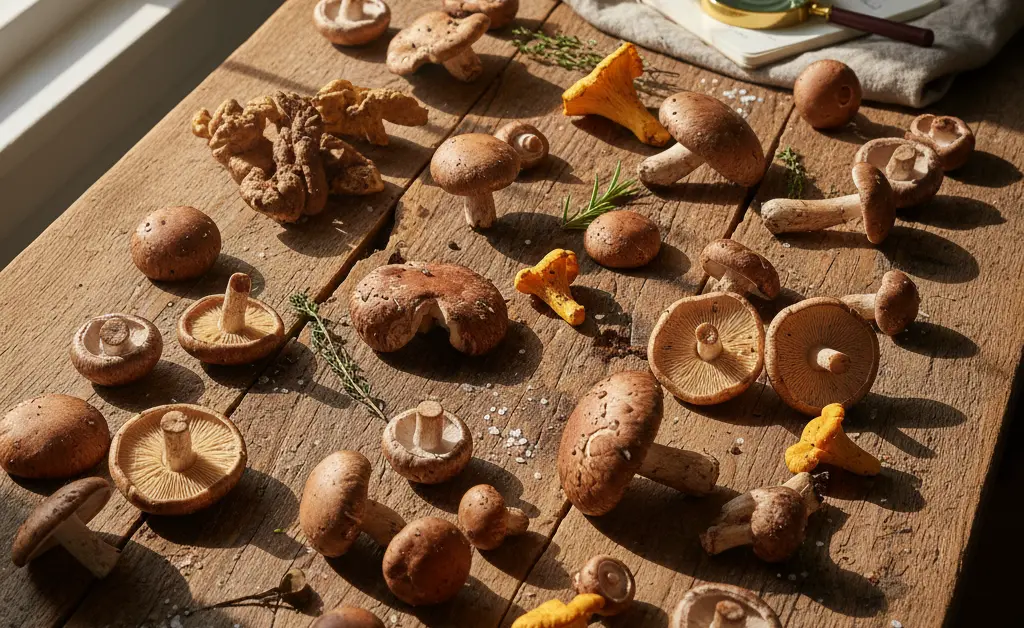
You stand in front of the mushroom display at your local market, intrigued by the diverse shapes and earthy aromas, or perhaps you’re contemplating a walk in the woods, wondering about the fungi underfoot. The world of mushrooms offers a fascinating blend of culinary delight and potential health benefits, but also presents a crucial need for accurate identification. Many people appreciate the unique textures and flavors these organisms bring to dishes, from a simple stir-fry to gourmet entrees. However, distinguishing between safe and harmful varieties can be daunting. This comprehensive edible mushrooms guide is designed to equip you with the knowledge needed to confidently explore the vast and delicious realm of fungi, ensuring both enjoyment and safety in your culinary adventures and potential foraging endeavors.
Introduction to Edible Mushrooms
What are Edible Mushrooms?
Edible mushrooms are the fruiting bodies of certain types of fungi that are considered safe for human consumption and typically possess desirable flavors and textures. For those new to the topic, finding reliable information on edible mushrooms for beginners is crucial. They vary greatly in appearance, habitat, and culinary application. Unlike plants, mushrooms do not photosynthesize; instead, they obtain nutrients from their environment, often growing on decaying organic matter, trees, or in soil. This diverse group includes well-known varieties cultivated globally, as well as numerous wild species prized by foragers for their unique characteristics. Understanding what constitutes an edible mushroom is the first step in safely appreciating these natural delicacies.
Why Eat Edible Mushrooms?
People choose to eat edible mushrooms for a variety of compelling reasons, spanning culinary enjoyment, nutritional benefits, and even traditional health practices. Many enthusiasts particularly enjoy exploring the world of culinary mushrooms for their unique taste profiles. From a culinary perspective, they offer a vast spectrum of flavors, ranging from earthy and umami to subtle and nutty, alongside unique textures that can enhance many dishes. Nutritionally, many edible mushrooms are known to contain a range of vitamins, minerals, and other beneficial compounds. Beyond the plate, the process of identifying and foraging for wild edible mushrooms can be a rewarding outdoor activity, connecting enthusiasts with nature. This comprehensive edible mushrooms guide aims to highlight the many advantages of incorporating these fungi into one’s diet and lifestyle.
Common Edible Mushroom Types
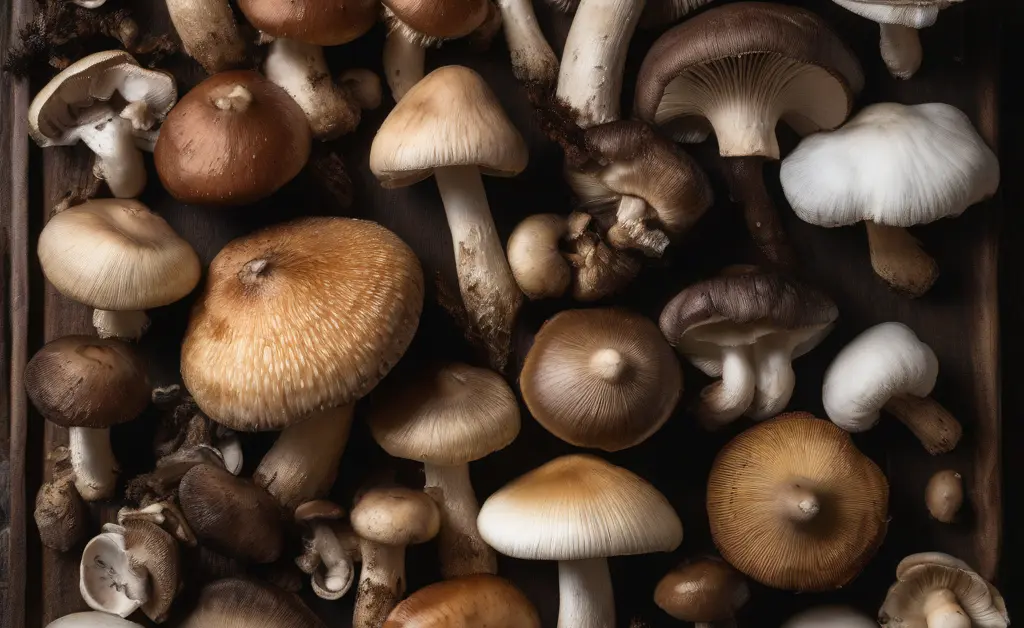
The world of edible mushrooms is incredibly diverse, encompassing a wide array of species each with distinct characteristics and culinary uses. Understanding the most common types is a great starting point for anyone looking to expand their fungal knowledge or culinary repertoire. Whether sourced from a grocery store or foraged from the wild, these popular varieties offer a range of flavors and textures to explore.
Edible Mushroom Names List and Pictures
When starting your journey with edible mushrooms, it’s helpful to become familiar with common cultivated varieties that are readily available in most markets. These often serve as a safe entry point due to their consistent appearance and guaranteed edibility. Here are some widely recognized edible mushroom names:
- White Button Mushrooms: The most common and versatile, mild in flavor.
- Cremini Mushrooms: Also known as baby bellas, they are a brown variation of the white button, with a slightly deeper, earthier flavor.
- Portobello Mushrooms: Mature cremini mushrooms, large and meaty, often used as a steak substitute.
- Oyster Mushrooms: Fan-shaped with a delicate texture and mild, slightly sweet flavor. They come in various colors like grey, pink, and yellow.
- Shiitake Mushrooms: Known for their rich, umami flavor and firm texture, widely used in Asian cuisine.
- Enoki Mushrooms: Long, thin, and delicate, with a mild, slightly fruity taste, often used in soups and salads.
Pictures of Edible Wild Mushrooms
Exploring the realm of wild edible mushrooms requires a higher degree of caution and expertise, but also offers access to some of the most sought-after culinary treasures. These varieties are often seasonal and localized, making them a special find for foragers. Some notable examples include:
- Morel Mushrooms: Highly prized for their distinctive honeycomb appearance and earthy, nutty flavor. They are typically found in spring.
- Chanterelle Mushrooms: Recognized by their trumpet-like shape and vibrant color, often with a fruity aroma and peppery taste. They usually appear in summer and fall.
- Lion’s Mane Mushrooms: Distinctive for their cascading, shaggy spines, offering a unique texture and flavor often compared to seafood.
- Hedgehog Mushrooms: Named for the tooth-like spines underneath their cap instead of gills, they have a firm texture and sweet, nutty flavor.
It is crucial to emphasize that identifying wild mushrooms from pictures alone is insufficient for safe consumption. Always cross-reference with multiple reliable sources and consider consulting an expert for positive identification.
Identifying Edible Mushrooms Safely
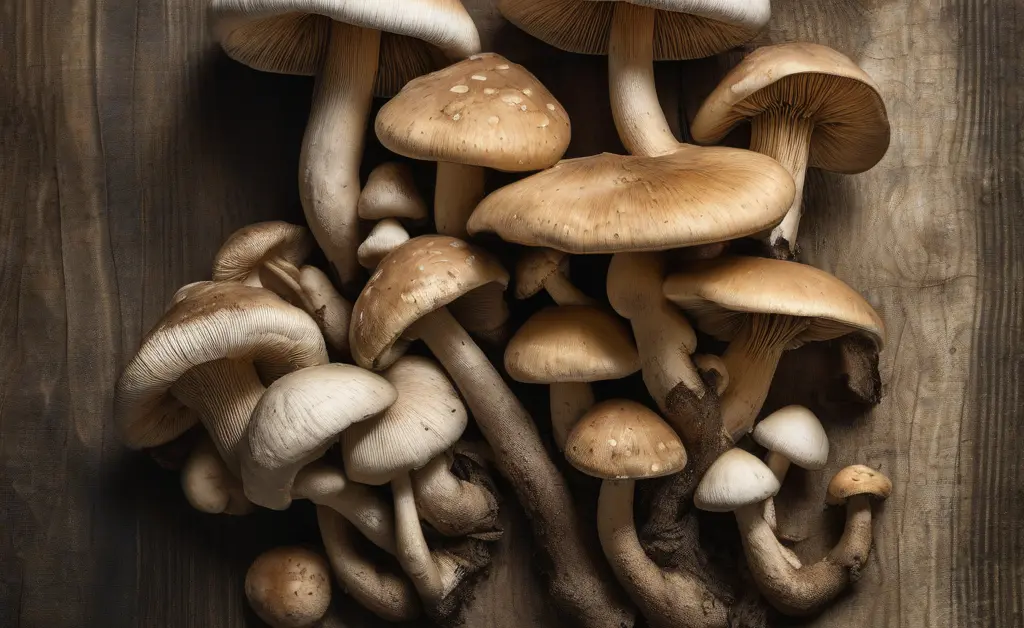
Safety is paramount when it comes to identifying and consuming mushrooms, especially wild varieties. This section of the edible mushrooms guide provides fundamental principles for distinguishing safe species from potentially harmful ones. Misidentification can have serious consequences, making careful observation and adherence to best practices absolutely essential.
Key Identification Features
Accurate mushroom identification relies on a systematic examination of several key features. No single characteristic should be used in isolation; rather, a combination of observations helps to confirm a species. Important features to note include:
- Cap: Shape (conical, flat, convex), color, texture (smooth, scaly, slimy), and size.
- Gills/Pores/Teeth: How they are attached to the stem, their color, spacing, and whether they are present as gills, pores (like boletes), or teeth (like hedgehogs).
- Stem (Stipe): Length, thickness, color, texture, presence of a ring (annulus) or volva (a cup-like structure at the base).
- Spore Print: The color of the spores, which can be seen by placing the cap gill-side down on a piece of paper for several hours. This is a crucial diagnostic feature.
- Habitat: Where the mushroom is growing (on wood, soil, near specific trees), as well as its geographic location and time of year. Foragers sometimes look for specific varieties like edible mushrooms that grow on pine trees.
- Flesh: Color when cut or bruised, and changes in color over time.
- Odor: Some mushrooms have distinctive smells (e.g., anise, flour, or unpleasant odors).
How to Know Which Mushrooms Are Edible?
Knowing which mushrooms are edible involves rigorous identification using a combination of the features mentioned above and cross-referencing with multiple reliable sources. It is not enough to simply recognize a few characteristics; you must confidently match all significant features of a specimen to a known edible species. Furthermore, it’s vital to learn about the common poisonous look-alikes that resemble safe varieties. If there is any doubt whatsoever, the mushroom should not be consumed. This meticulous approach is the cornerstone of responsible foraging and safe mushroom consumption, forming a critical part of any comprehensive edible mushrooms guide.
Edible Mushrooms and Their Poisonous Look-alikes
One of the most dangerous aspects of mushroom foraging is the existence of poisonous species that closely resemble edible ones. These “look-alikes” are often responsible for accidental poisonings. For example, some highly toxic Amanita species can be mistaken for edible puffballs or meadow mushrooms in certain stages. The key is to learn the specific distinguishing features that separate the edible from the toxic. This often requires observing subtle differences in gill attachment, spore print color, presence of a volva, or changes in flesh color upon bruising. A careful study of these pairs is indispensable for safety.
Common Edible vs. Poisonous Look-alikes
Understanding the specific differences between common edible mushrooms and their poisonous counterparts is crucial for safe foraging. Here are a few examples:
- Morels vs. False Morels: True morels (e.g., Morchella esculenta) are hollow from cap to stem. False morels (e.g., Gyromitra esculenta) often have a cottony or brain-like interior and are typically solid or chambered, not hollow.
- Chanterelles vs. Jack-o’-Lantern Mushrooms: True chanterelles (e.g., Cantharellus cibarius) have blunt, forked, gill-like ridges that run down the stem and cannot be easily separated from the cap. Jack-o’-Lanterns (Omphalotus illudens) have true, sharp gills that are easily separated and often glow in the dark.
- Oyster Mushrooms vs. Ghost Fungus: While most oyster mushrooms are distinct, it’s important to be aware of look-alikes. The highly toxic Ghost Fungus (Omphalotus nidiformis) found in Australia and Asia can resemble some oyster species due to its shelf-like growth, but it also glows in the dark and grows on specific tree types not typically associated with edible oysters.
Recognizing Poisonous Mushrooms
Recognizing poisonous mushrooms is just as important as identifying edible ones. While there isn’t a single universal rule for identifying all poisonous mushrooms, several warning signs and common characteristics are often associated with toxic species:
- Presence of a Volva and Annulus: Many deadly Amanita species (e.g., Death Cap, Destroying Angel) possess both a prominent cup-like structure (volva) at the base of the stem and a skirt-like ring (annulus) on the stem.
- White Gills and White Spore Print: While not exclusive to poisonous mushrooms, many dangerous species, especially Amanitas, have white gills and produce a white spore print.
- Bright or Unusual Colors: While some brightly colored mushrooms are edible, vivid or unsettling colors can sometimes indicate toxicity.
- Unpleasant Odor: Some poisonous mushrooms emit strong, unpleasant chemical or foul smells.
- Bruising Red or Blue: While some edible boletes bruise blue, rapid or vivid color changes upon bruising can be a warning sign in other species.
It is vital to remember that these are general guidelines, and exceptions exist. The only truly safe approach is positive identification of an edible species, not merely ruling out a poisonous one.
Foraging for Edible Mushrooms
Foraging for edible mushrooms can be a deeply rewarding experience, offering a unique connection to nature and access to fresh, often expensive, culinary ingredients. However, successful and safe foraging requires preparation, knowledge, and adherence to ethical guidelines. This part of the edible mushrooms guide will help prepare you for successful wild mushroom hunting.
Using a Mushroom Field Guide
A reliable mushroom field guide is an indispensable tool for any aspiring or experienced forager. It serves as your primary reference for identifying species, understanding their habitats, and distinguishing them from poisonous look-alikes. When selecting a guide, look for one that is specific to your geographic region, features clear photographs or illustrations, and provides detailed descriptions of key identification features, including spore print color and habitat information. An edible mushrooms book is an excellent resource for detailed reference on the go. Always carry your guide with you and use it frequently in the field to cross-reference multiple characteristics of any specimen you find. Combining field guide information with the guidance of experienced foragers or local mycological societies is highly recommended for building confidence and accuracy.
Preparing and Cooking Edible Mushrooms
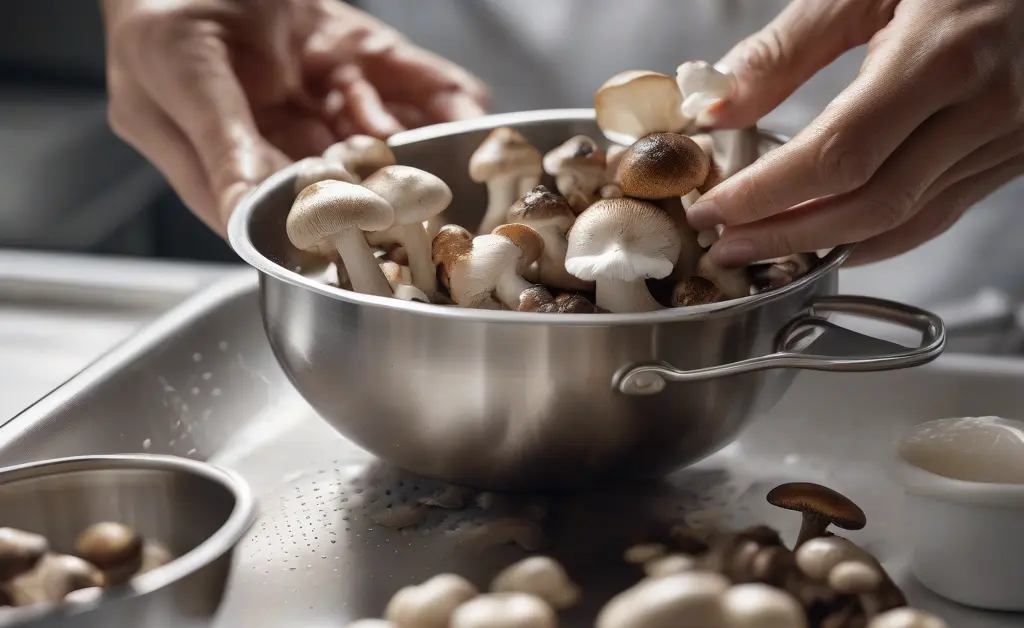
Once you’ve confidently identified and gathered your edible mushrooms, the next exciting step is preparing them for culinary use. Proper preparation ensures both safety and enhances their natural flavors and textures. This comprehensive edible mushrooms guide offers general advice on cleaning and cooking these versatile fungi.
Before cooking, it’s important to clean your mushrooms. For cultivated varieties, a quick wipe with a damp cloth is often sufficient. Wild mushrooms may require a bit more attention; gently brush off any dirt or debris with a soft brush, and if necessary, a quick rinse under running water can be used, but avoid soaking them, as they can absorb water and become soggy. Trim off any tough or damaged parts of the stem.
Cooking methods for edible mushrooms are as varied as the mushrooms themselves. Simple sautéing in butter or oil with garlic and herbs is a popular choice, bringing out their earthy flavors. They can also be roasted, grilled, added to soups, stews, risottos, or stir-fries. The cooking time will depend on the mushroom type and size; aim for a tender texture and a golden-brown color, which indicates that their flavors have deepened. Proper cooking can also help break down certain compounds, making them more digestible and enhancing their nutritional availability.
Nutritional Benefits of Edible Mushrooms
Beyond their culinary appeal, many edible mushrooms are recognized for their potential nutritional contributions. They are often considered a valuable addition to a balanced diet, offering a range of beneficial compounds. Many varieties are naturally low in calories and fat, yet can be surprisingly rich in certain vitamins and minerals. For instance, some mushrooms are a good source of B vitamins, which play a role in energy metabolism, and minerals such as selenium, copper, and potassium. Certain edible mushrooms may also contain antioxidants and dietary fiber. Research continues to explore the full spectrum of beneficial properties found in various edible fungi, highlighting their potential role in promoting overall wellness.
Risks and Precautions When Eating Mushrooms
While the world of edible mushrooms offers many delights, it’s crucial to approach their consumption with awareness of potential risks and necessary precautions. The primary concern, especially with wild varieties, is misidentification, which can lead to serious poisoning. Even with correctly identified edible species, other considerations exist. Some individuals may experience allergic reactions to certain mushrooms, even commonly consumed types. It is always wise to consume a small portion first when trying a new mushroom species, whether wild or cultivated, to check for any adverse reactions. Additionally, proper storage of fresh mushrooms is essential to prevent spoilage and bacterial growth, which could also lead to illness. Never consume mushrooms that show signs of decay or unusual odors. This emphasis on caution and informed decision-making is a cornerstone of responsible engagement with any edible mushrooms guide. For further health advice and guidelines, you can consult resources such as the NHS.
When in Doubt, Throw it Out!
This adage is perhaps the most critical rule for anyone dealing with mushrooms, particularly foragers. If there is even the slightest uncertainty about the identity of a mushroom, or if it doesn’t precisely match all diagnostic features of a known edible species, it should never be consumed. The risks associated with consuming a poisonous mushroom far outweigh any potential culinary reward. Symptoms of mushroom poisoning can range from mild gastrointestinal distress to severe organ damage and even death. Err on the side of extreme caution: if you can’t identify it with 100% certainty, or if it looks even slightly off, dispose of it responsibly. Your safety is paramount.
Mushroom Identification Pictures and Examples
Visual aids are incredibly helpful when learning about mushroom identification. While a physical field guide is essential for hands-on foraging, reviewing identification pictures and examples online or in books can reinforce your understanding of key features. This section aims to reiterate the importance of detailed visual comparison. When studying examples, pay close attention to the specific characteristics previously discussed: cap shape and color, gill or pore structure, stem features (including rings or volvas), and habitat. Compare known edible species side-by-side with their toxic look-alikes to highlight the subtle yet critical differences. Remember that pictures are a guide, not a definitive identification tool. Always cross-reference with multiple sources and, if possible, seek the advice of experienced mycologists or join a local mushroom club for hands-on learning before consuming any wild mushroom.
The journey into the world of edible mushrooms is one of continuous learning and discovery. From the common button mushrooms found in every grocery store to the elusive and prized wild varieties, these fungi offer a wealth of flavors, textures, and potential health benefits. By prioritizing safety through diligent identification, understanding common types, and adhering to responsible foraging practices, you can confidently explore and enjoy the culinary and natural wonders that mushrooms have to offer. Always approach mushroom consumption with respect for their diversity and a commitment to informed decisions, ensuring a safe and delightful experience.
The purpose of this content is to educate, not to diagnose or treat. This article provides general information about edible mushrooms and should not be considered a substitute for professional advice or identification by an expert mycologist. Always consult with a qualified professional before consuming any wild mushrooms or making any decisions related to your health. The information presented here is for educational purposes only and does not endorse self-treatment or self-diagnosis.
FAQ
What are the easiest edible mushrooms to identify?
Certain species like Morel mushrooms are often recognized by their distinct honeycomb-like cap and hollow stem. Puffballs, when young and solid white inside, are also considered relatively straightforward to identify, distinguishing them from potentially toxic look-alikes.
Which wild mushrooms are safe to eat?
Many wild mushrooms are safe and nutritious, with species like Chanterelles and Oyster mushrooms being popular choices. However, determining edibility requires expert knowledge and careful observation to differentiate them from poisonous varieties.
How do you safely identify edible mushrooms?
Safe identification of edible mushrooms involves thorough learning of key characteristics, including cap shape and color, gill structure, stem features, and spore print color. Consulting experienced mycologists and using comprehensive field guides are essential steps in building this expertise. This knowledge forms the foundation of any reliable edible mushrooms guide.
What mushrooms should you never eat?
Mushrooms with white gills, a ring around the stem, and a volva (a cup-like structure at the base) are often indicative of poisonous species, such as the Death Cap. The Amanita genus contains some of the most dangerously toxic mushrooms, and any mushroom fitting these general descriptions warrants extreme caution.