
The Forager’s Guide to Edible Hawaiian Mushrooms
Many people are fascinated by the natural world’s bounty, particularly when it comes to finding unique ingredients for the kitchen. The islands of Hawaii, with their rich biodiversity and lush environments, offer a fascinating array of fungi, some of which are highly prized for their culinary value. This guide explores the diverse world of edible mushrooms Hawaii has to offer, from those found thriving in the wild to species that can be successfully cultivated. Understanding the local flora and fauna is crucial for safe and sustainable foraging, and knowing which species are suitable for consumption can unlock a new dimension of flavor. We will delve into identification, safe foraging practices, cultivation techniques, and delicious ways to prepare these natural treasures.
Edible Mushrooms Hawaii: An Identification Guide
Identifying edible mushrooms in Hawaii requires careful observation and knowledge of local species. The islands’ unique Natural Habitats and Ecosystems support a variety of fungi, but proper mushroom identification is paramount to distinguish between safe and potentially harmful varieties. Foraging without accurate identification skills can be dangerous, as many species have poisonous look-alikes. Always consult multiple reliable sources and, if uncertain, refrain from consumption. It is advisable for beginners to forage with experienced guides or to stick to well-known, easily identifiable species. Exploring the broader range of edible mushrooms USA offers can provide valuable comparative context for foragers.
Pepeiao Hawaiian (Wood Ear Mushroom)
The Wood Ear Mushroom, locally known as Pepeiao, is one of the most recognizable and widely consumed edible fungi in Hawaii. It is characterized by its gelatinous, ear-like or cup-shaped fruiting bodies, typically found growing on decaying wood, especially logs and branches of native trees. Its color can range from dark brown to grayish-black. Pepeiao has a mild, earthy flavor and a distinctive, slightly crunchy texture, making it a popular ingredient in various Hawaiian and Asian dishes. Its resilience and widespread presence in humid, forested areas make it a relatively common find for foragers.
Hawaiian Morels
Morels are highly prized edible mushrooms known for their distinctive honeycomb appearance and rich, nutty flavor. While morels are traditionally associated with temperate forests, their presence in Hawaii is less common and localized. If found, they would likely appear in specific microclimates after certain environmental conditions, such as recent rains. Accurate identification of Hawaiian Morels is crucial, as false morels, which can be toxic, may also exist. Any discovery of a morel-like fungus should be approached with extreme caution and verified by an expert due to their rarity and the potential for look-alikes in the region.
Types of Edible Mushrooms in Hawaii
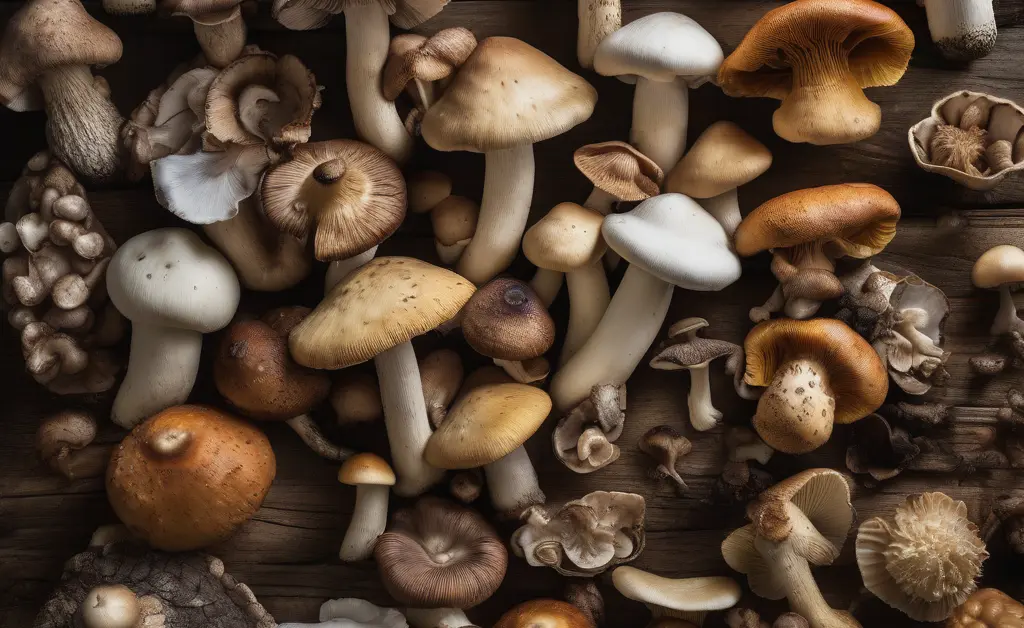
Beyond wild foraging, many types of edible mushrooms are either cultivated or readily available through local markets in Hawaii, broadening culinary horizons. Both native and introduced species contribute to the diverse range of fungi found in the islands, offering different textures and flavors. Understanding the various edible mushrooms Hawaii has to offer ensures that both foragers and home cooks can make informed and safe choices. For those interested in regional varieties, information on edible mushrooms Illinois has to offer can also be found.
Oyster Mushrooms
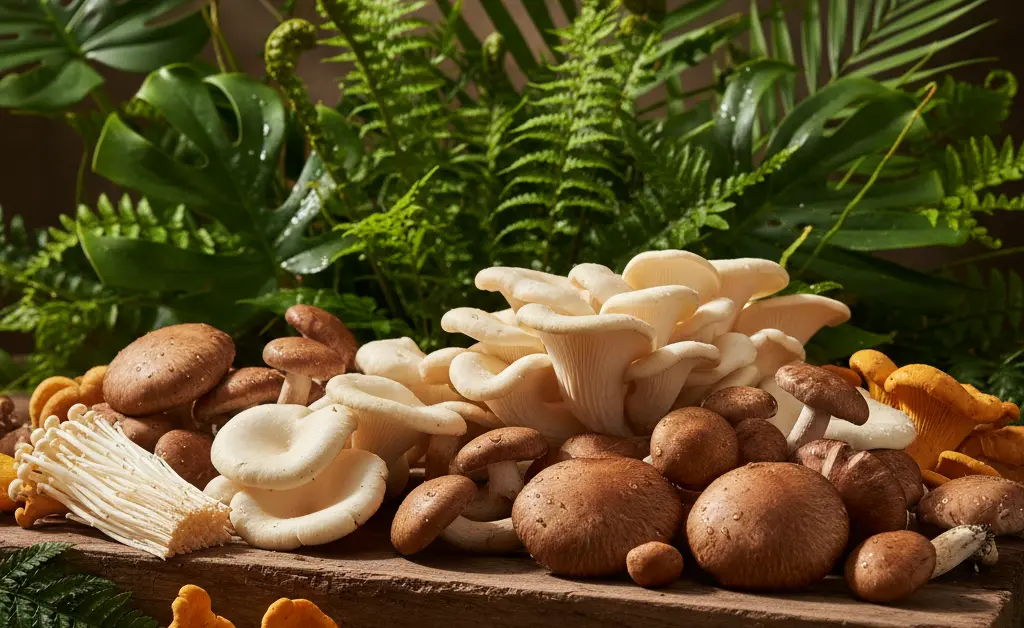
Oyster Mushrooms are a popular choice for both cultivation and foraging in Hawaii due to their relatively easy growth and widespread availability. These fungi typically grow in shelf-like clusters on dead or dying hardwoods. They are characterized by their oyster-shaped caps, which can vary in color from white to gray or tan, and their short or absent stems. Oyster Mushrooms have a delicate, slightly sweet flavor and a tender texture, making them versatile in many dishes, from stir-fries to soups and sautés.
Shiitake Mushrooms (Cultivated)
Shiitake Mushrooms are one of the most widely cultivated edible mushrooms globally and are also grown successfully in Hawaii. While not native to the islands, their cultivation provides a consistent supply for local markets and restaurants. Shiitake Mushrooms are known for their distinct earthy aroma, rich umami flavor, and meaty texture. They typically have broad, umbrella-shaped caps that are dark brown with some white flecks or cracks on the surface. They are highly valued in culinary applications, particularly in Asian cuisine, and can be used fresh or dried.
Where to Find Edible Mushrooms in Hawaii
Discovering edible fungi in the Hawaiian islands requires knowledge of their preferred Natural Habitats and Ecosystems. Lush, humid environments, especially after periods of rain, are prime locations for many species. Focusing on areas with decaying wood, leaf litter, and rich organic matter can increase your chances of a successful mushroom foraging trip. Always respect private property and conservation areas when seeking out edible mushrooms in Hawaii.
Collecting Wood Ear Mushrooms in Hawaii
Wood Ear Mushrooms (Pepeiao) are relatively common finds in Hawaii’s forests. They thrive in moist, shaded environments, typically growing on fallen logs, branches, and tree stumps of various native and introduced hardwood species. Look for them in areas with high humidity, such as valleys, gulches, and the lower slopes of mountains, particularly during and after periods of significant rainfall. They can often be found year-round in consistently damp conditions, making them a more reliable target for foragers compared to rarer species.
Foraging Tips and Safety Guidelines for Edible Mushrooms in Hawaii
Successful and safe foraging for edible mushrooms in Hawaii hinges on a commitment to learning and caution. The unique biodiversity of the islands means that familiar-looking species might have poisonous counterparts. Always prioritize safety above all else when exploring for wild fungi. Identification is Key: Avoiding Poisonous Look-alikes is not just a recommendation but a critical safety principle that must be adhered to rigorously. Consulting scientific databases like PubMed can provide further valuable information on mushroom toxicology and identification.
When and How to Forage
The best time to forage for mushrooms in Hawaii is typically during the wet season or shortly after significant rainfall, as moisture encourages fungal growth. When foraging, it’s essential to practice Sustainable Harvesting Practices to ensure the long-term health of mushroom populations. This includes taking only what you need, leaving smaller or immature specimens to grow, and disturbing the habitat as little as possible. Carry a mesh bag or basket to allow spores to disperse as you walk, and use a knife to cut the mushroom at the base of the stem rather than pulling it out, which can damage the mycelial network. Always clean mushrooms of debris as you collect them.
Cultivating Edible Mushrooms in Hawaii
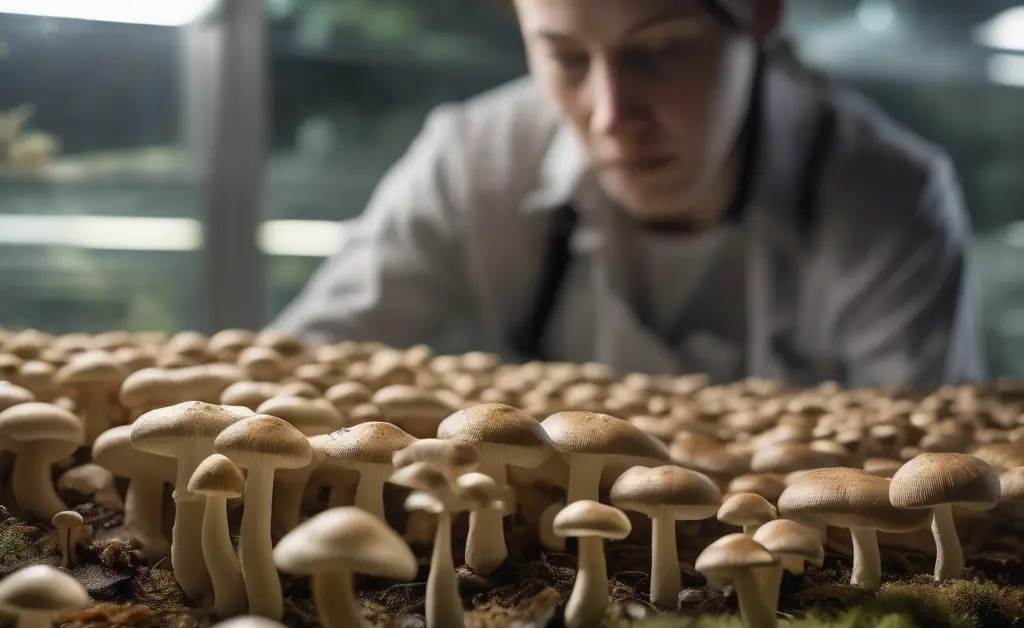
For those interested in a more controlled approach or seeking a consistent supply, mushroom cultivation presents an excellent alternative to foraging. The warm, humid climate of Hawaii can be conducive to growing several species, making mushroom cultivation a viable option for enthusiasts and commercial enterprises alike.
Home Cultivation Basics
Home mushroom cultivation in Hawaii can be a rewarding endeavor. Many types of edible mushrooms, such as Oyster Mushrooms and Shiitake Mushrooms, can be grown using relatively simple methods. This often involves inoculating substrates like sawdust blocks, logs, or straw with mushroom spawn. Maintaining appropriate humidity and temperature levels, which Hawaii’s climate often provides naturally, is crucial for successful fruiting. Starting with a pre-inoculated grow kit can be an easy way for beginners to experience the process before attempting more advanced techniques. Further details on edible mushrooms New York offers for cultivation might also be of interest.
Commercial Mushroom Farming in Hawaii
Commercial mushroom farming in Hawaii is a growing industry, providing fresh, locally grown fungi to consumers and restaurants. Local Farms and Markets increasingly offer a variety of cultivated mushrooms, reducing reliance on imported produce. Farmers leverage controlled environments to optimize conditions for specific species, ensuring consistent yields and quality. This sector contributes to local food security and offers sustainable agricultural opportunities, focusing on popular gourmet varieties that thrive in Hawaiian conditions. Additionally, resources for edible mushrooms Rhode Island has available can complement broader mycological studies.
Culinary Uses of Edible Mushrooms in Hawaii
The diverse array of edible mushrooms in Hawaii, whether foraged or cultivated, offers a wealth of culinary possibilities. Their unique textures and flavors can elevate both traditional Hawaiian dishes and international cuisine. Integrating these natural treasures into your cooking provides an opportunity to explore new tastes and embrace the bounty of the islands. From savory stir-fries to hearty stews, mushroom recipes bring depth and umami to any meal.
Recipes Featuring Wood Ear Mushrooms
Wood Ear Mushroom (Pepeiao) is particularly valued for its distinct gelatinous yet crunchy texture rather than its subtle flavor. It readily absorbs the flavors of accompanying ingredients, making it ideal for various preparations. In Hawaiian cuisine, it is often used in traditional stews like luau stew, where it adds a unique mouthfeel. It also shines in stir-fries, soups, and cold salads, especially when paired with soy sauce, ginger, garlic, and sesame oil. Its ability to retain its texture even after cooking makes it a versatile component in many dishes.
Incorporating Other Edible Mushrooms into Hawaiian Cuisine
Beyond Pepeiao, other edible mushrooms like Oyster Mushrooms and Shiitake Mushrooms can be delightfully incorporated into Hawaiian cuisine. Oyster Mushrooms, with their delicate flavor, are excellent in light sautés with local vegetables, or as a topping for fresh fish. Shiitake Mushrooms, with their robust umami, can add depth to poke bowls, serve as a savory component in kalua pig variations, or be featured in vegetarian main courses. They can also be grilled or roasted and served as a side dish, enhancing the earthy notes of many local ingredients. Experimenting with different mushroom varieties can add exciting dimensions to traditional Hawaiian flavors.
The journey into the world of edible mushrooms in Hawaii offers both a culinary adventure and a deeper connection to the islands’ natural environment. From the distinctive Pepeiao found in humid forests to the rich Shiitake cultivated locally, these fungi present unique textures and flavors that can enhance any meal. Whether through careful foraging or supporting local cultivators, embracing these natural treasures requires respect for ecosystems, adherence to safety guidelines, and an appreciation for sustainable practices. By understanding and utilizing these valuable resources, we can enjoy the delicious bounty Hawaii has to offer while contributing to the health of its diverse natural landscapes.
This information is provided for educational purposes only. It is not intended to be a substitute for professional advice regarding consumption or health. Foraging for wild mushrooms carries inherent risks, and misidentification can lead to serious health consequences. Always consult with a qualified expert or mycologist before consuming any wild-foraged fungi to ensure safety.
FAQ
What are the most common edible mushrooms found in Hawaii?
Hawaii’s warm, humid climate supports a variety of fungi, including some that are commonly consumed. Oyster mushrooms and shiitake are often cultivated and readily available, while certain wild species like the Wood Ear mushroom can also be found.
Is it safe to eat wild mushrooms in Hawaii?
Consuming wild mushrooms carries inherent risks, as identification can be challenging and many species resemble toxic varieties. It is generally recommended to only consume mushrooms that have been positively identified as safe or are cultivated.
Where can I buy edible mushrooms in Hawaii?
You can find edible mushrooms in Hawaii at local farmers’ markets, specialty grocery stores, and through various online retailers that ship within the state. Some local farms also offer direct sales to consumers.
Can you grow your own edible mushrooms in Hawaii?
Yes, growing your own edible mushrooms is certainly feasible in Hawaii due to its favorable climate for fungal growth. Various kits and spawn are available to facilitate home cultivation of popular species.
How can I tell if a mushroom is edible?
Accurate identification of edible mushrooms requires expert knowledge and is not based on simple rules. Misidentification can lead to serious illness, so it is crucial to consult with experienced mycologists or rely on reputable sources for identification.
Are there any poisonous mushrooms in Hawaii?
Hawaii is home to several species of poisonous mushrooms, some of which can cause severe health issues if ingested. Differentiating between toxic and non-toxic varieties is paramount for safety.