
A Forager’s Guide to Edible Mushrooms in Kansas
“`html
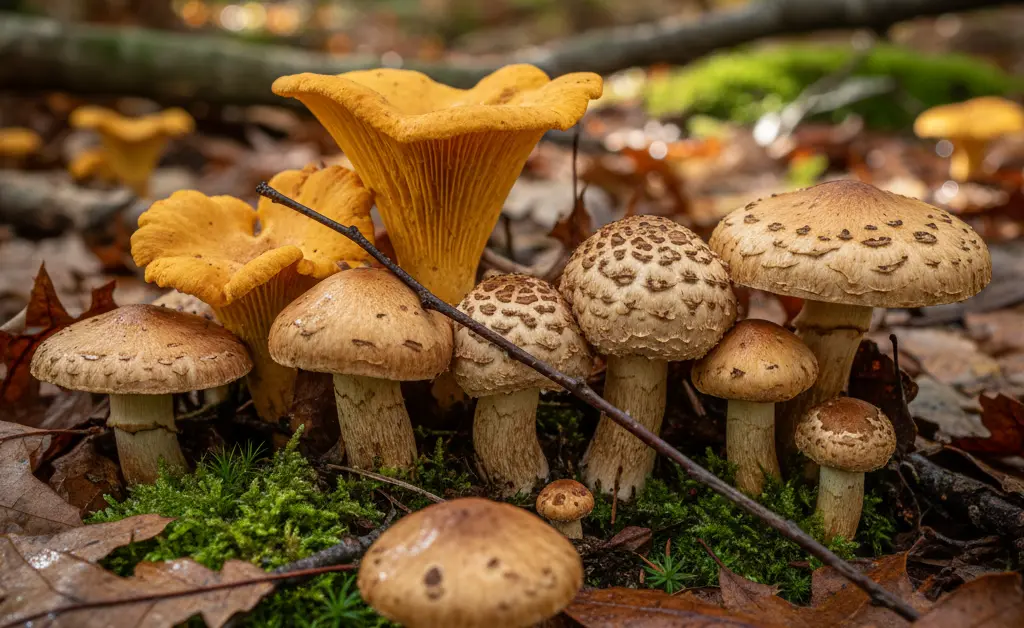
Foraging for wild mushrooms offers a unique connection to nature and a chance to discover delicious culinary treasures. However, distinguishing between edible and poisonous varieties requires careful attention and knowledge, especially for those new to the practice. This guide aims to equip enthusiasts with essential information for safely identifying and harvesting edible mushrooms in Kansas, a region that, despite common misconceptions about its fungal diversity, hosts several sought-after species. From the elusive morels to the robust chicken of the woods, understanding their habitats, appearance, and proper preparation is crucial for a rewarding foraging experience. This resource provides practical insights into locating, identifying, and enjoying the state’s remarkable edible mushrooms Kansas.
Kansas Mushrooms: Identification and Foraging
Exploring the diverse ecosystems of Kansas reveals a surprising array of fungal life, including many coveted edible mushrooms. Successful identification and foraging in this region depend on a keen understanding of both the fungal species themselves and the environmental conditions they prefer. Foragers often seek out specific habitats and seasonal cues to locate their quarry. Learning about the life cycles of various mushrooms, their preferred host trees, and their typical growth patterns can significantly increase success rates. The practice of foraging for edible mushrooms Kansas is a rewarding endeavor that connects individuals with the natural world, offering both culinary delights and a deeper appreciation for the state’s biological richness.
Top Edible Mushroom Varieties in Kansas
Kansas offers a variety of delicious wild mushrooms for those with the knowledge and patience to find them. Each species has unique characteristics, habitats, and seasons, making the hunt an exciting and educational experience.
Morel Mushroom (Seasonal)
Morel mushrooms are among the most prized edible fungi, known for their distinct honeycomb appearance and rich, earthy flavor. In Kansas, they typically emerge in spring, from late March through May, often found in association with dead or dying elm trees, ash trees, and sometimes old apple orchards. Key Identification Features include their pitted, ridged cap that is fully attached to the hollow stem, differing from false morels which may have a cottony interior or a cap that hangs freely. They can vary in color from light tan to dark brown. Due to their popularity, knowing their preferred habitats is crucial for successful foraging.
Dryad’s Saddle
Also known as Pheasant’s Back mushroom due to its scaled, fan-like cap resembling pheasant feathers, Dryad’s Saddle is a common find. These mushrooms typically grow on dead or decaying hardwood logs and stumps, particularly sycamore and elm, throughout spring and fall. They have a distinct cucumber or watermelon rind scent, especially when young. The texture can become tough with age, so younger specimens are preferred for culinary use. It is important to note that while generally distinctive, always confirm Key Identification Features to avoid misidentification. Foragers interested in regional varieties might also explore guides on edible mushrooms Virginia.
Chicken of the Woods
Chicken of the Woods, or Laetiporus sulphureus, is a vibrant orange to yellow mushroom that grows in shelf-like clusters on the trunks of hardwood trees, both living and dead. It is particularly common on oak trees but can also be found on cherry and other species. This mushroom is highly sought after for its tender texture and mild, chicken-like flavor, especially when young. It typically appears from summer through fall. However, foragers must be aware of Common Edible vs. Toxic Look-alikes, as some species growing on conifers can cause digestive upset. Always ensure proper identification, especially regarding the host tree.
Oyster Mushroom
Oyster mushrooms are a widely recognized and relatively easy-to-identify edible species. They grow in shelf-like clusters on decaying hardwood trees, logs, and stumps, and can be found year-round in Kansas during mild weather, though they are most abundant in spring and fall. Their cap is typically oyster-shaped, ranging in color from white to gray or tan, with gills that run down the stem. They have a delicate flavor and soft texture. While there are a few look-alikes, the overall growth pattern and gill structure are often distinguishing characteristics.
Shaggy Mane
Shaggy Mane mushrooms, also known as Coprinus comatus or “Lawyer’s Wig,” are easily identifiable by their tall, cylindrical cap covered with shaggy, upward-pointing scales. They grow in grassy areas, lawns, and along roadsides, often appearing in clusters after rain during the late summer and fall. A unique characteristic of the Shaggy Mane is its tendency to “deliquesce” or turn black and dissolve into an inky liquid as it matures. They must be consumed shortly after harvesting, as they do not store well. There are some related species that may cause issues if consumed with alcohol, but the Shaggy Mane itself is generally considered safe if eaten fresh.
Identifying Edible Mushrooms Safely
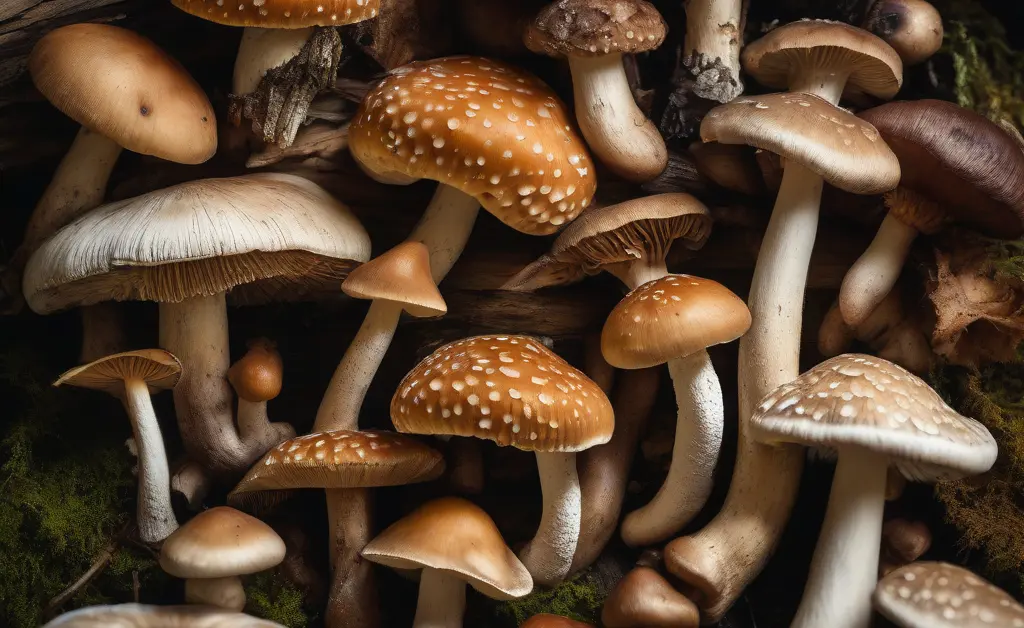
The pursuit of wild edible mushrooms Kansas is an exciting culinary adventure, but safety must always be the paramount concern. Proper identification is not merely a recommendation; it is an absolute necessity. Even experienced foragers exercise extreme caution, as misidentification can lead to severe health consequences. The old adage, “When in Doubt, Throw It Out,” is a fundamental rule that all mushroom hunters must internalize. Never consume a mushroom unless you are 100% certain of its identity and edibility. Across the edible mushrooms USA, safety guidelines remain universally critical.
Identifying Kansas wild mushrooms for edibility
To safely identify Kansas wild mushrooms for edibility, begin by acquiring reliable field guides specific to your region. Focus on Key Identification Features such as cap shape, color, texture, gill attachment, stem characteristics, presence of a ring or volva, spore print color, and habitat. Pay close attention to subtle differences, as these can distinguish an edible species from a toxic look-alike. For example, knowing “Are there poisonous look alikes for edible mushrooms?” for each target species is crucial. Many edible fungi have toxic counterparts that closely resemble them. Always cross-reference multiple sources and, if possible, seek guidance from an experienced local mycologist or foraging group. Understanding “How can I tell if a mushroom is edible?” involves a systematic approach that builds confidence over time, but never guarantees absolute safety without expert confirmation. For general food safety guidelines related to foraging, consult reputable sources like the FDA.
Where to Find Edible Mushrooms in Kansas
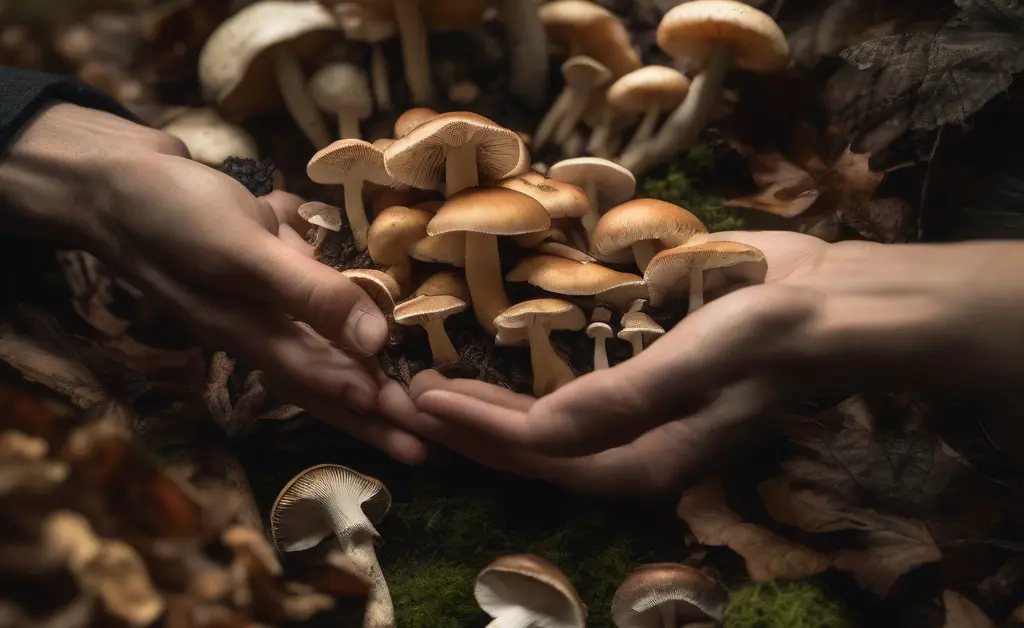
Kansas, with its varied landscapes, offers numerous opportunities for finding edible mushrooms. Knowing where to look significantly increases your chances of a successful harvest of edible mushrooms Kansas. Different species prefer different environments, so understanding their preferred habitats is key to locating them.
Many popular species thrive in **Forests and Woodlands**, especially those with older growth and decaying hardwood trees. Areas rich in oak, elm, and ash trees are prime spots for morels and chicken of the woods. Exploring river bottoms and creek beds can also be productive. Similar foraging conditions for edible mushrooms Minnesota may also involve specific forest types. **Prairies and Open Fields** might yield species like shaggy manes, especially after rains. While not as diverse as woodlands, these areas should not be overlooked. Foragers should also investigate **Along Waterways**, as the increased moisture can create ideal conditions for various fungi.
Surprisingly, some edible mushrooms can even be found in **Backyards and Urban Areas**. Species like shaggy manes and oyster mushrooms occasionally appear in suburban lawns or on landscaping wood chips. However, when foraging in these areas, always consider potential contaminants such as pesticides or herbicides. Before venturing out, consider joining **Local Foraging Groups and Events** to learn from experienced individuals and discover new spots. While “Are any backyard mushrooms edible?” is a valid question, it’s crucial to apply the same rigorous identification standards as in wilder environments.
Regulations and Best Practices for Mushroom Hunting in Kansas
Successful and ethical mushroom hunting in Kansas involves more than just knowing where to find edible mushrooms Kansas; it also requires an understanding of local regulations and adherence to best practices. Respecting the environment and property rights ensures that these natural resources remain available for future generations of foragers.
Before you begin foraging, it is essential to determine land ownership. Always seek permission before entering private property. This practice, known as **Respecting Private Property**, is not only a legal requirement but also a fundamental courtesy. Public lands, such as state parks or wildlife areas, often have specific rules regarding foraging. Some may require permits or restrict collecting to certain areas or quantities. Checking with the relevant authorities, like the Kansas Department of Wildlife, Parks, and Tourism, for specific regulations is a necessary first step. Regulations for edible mushrooms Wisconsin may also vary significantly by state and local jurisdiction.
When harvesting, employ **Sustainable Harvesting Techniques**. This means taking only what you need and leaving plenty behind to ensure the mushroom population can regenerate. Avoid disturbing the mycelial network under the soil by carefully plucking or cutting mushrooms at the base of the stem, rather than pulling them up. Carry a mesh bag to allow spores to disperse as you walk. Utilizing **Mushroom Identification Guides and Resources** on location, such as apps or pocket guides, can help ensure you’re making accurate identifications. Participating in **Local Foraging Groups and Events** can also provide valuable insights into regional ethics and regulations, fostering a community of responsible foragers.
Cooking Kansas Edible Mushrooms
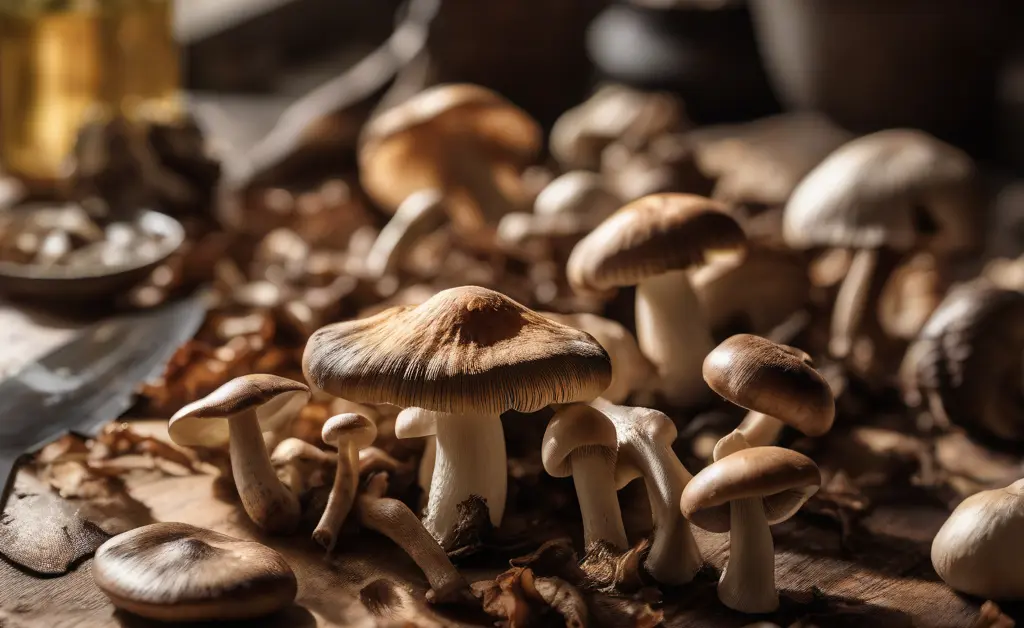
Once you’ve successfully identified and harvested your edible mushrooms Kansas, the next exciting step is preparing them for the table. Wild mushrooms bring unique flavors and textures to culinary dishes, transforming ordinary meals into gourmet experiences. Proper cleaning and cooking methods are essential to fully appreciate their distinct characteristics.
Before cooking, it’s crucial to clean your wild mushrooms. Gently brush off any dirt or debris with a soft brush or damp cloth. Avoid soaking them in water, as most mushrooms are like sponges and will absorb liquid, leading to a less desirable texture. Once clean, they can be incorporated into a wide variety of dishes. **Sautéed Mushroom Dishes** are a classic way to enjoy many varieties. Sautéing them in butter or olive oil with garlic and herbs brings out their rich flavors. They can be a fantastic side dish or added to pasta, omelets, or pizzas. For heartier meals, **Mushroom Soups and Stews** benefit greatly from the addition of wild mushrooms, lending depth and umami to the broth. They also pair well with meats and poultry, complementing savory profiles.
Finding and cooking wild Kansas edible mushrooms
The journey from finding to cooking wild Kansas edible mushrooms is deeply satisfying. After a successful foraging trip for morels, chicken of the woods, or oyster mushrooms, the culinary possibilities are extensive. Morels are often simply sautéed to highlight their unique flavor or added to cream sauces. Chicken of the Woods, with its meaty texture, can be battered and fried like chicken, or stir-fried. Oyster mushrooms are versatile, excellent in stir-fries, quiches, or lightly fried. Always cook wild mushrooms thoroughly; avoid consuming them raw. Different species may require slightly different cooking times to achieve optimal flavor and texture. Experimentation in the kitchen with your freshly foraged bounty is part of the fun, allowing you to discover your preferred preparations for each specific Kansas edible mushroom.
The journey of foraging for edible mushrooms in Kansas is one of discovery, caution, and culinary reward. By diligently learning identification techniques, respecting natural habitats, and following ethical harvesting practices, enthusiasts can safely enjoy the bounty the state’s diverse ecosystems offer. From the thrill of the hunt to the satisfaction of a delicious meal, connecting with nature through wild mushroom foraging provides a unique and enriching experience. Always prioritize safety, consult reliable resources, and embrace the continuous learning process that is inherent in this fascinating pursuit.
The content presented here is not a substitute for professional medical guidance. This information is intended for educational purposes only and should not be used to diagnose, treat, cure, or prevent any disease or health condition. Foraging for wild mushrooms carries inherent risks, and misidentification can lead to severe health consequences. Always consult with a qualified mycologist or expert before consuming any wild fungi.
“`
FAQ
What are the most common edible mushrooms in Kansas?
Kansas boasts a variety of wild edible mushrooms, with species like morels, chanterelles, and chicken of the woods being notable finds. These fungi thrive in specific habitats and are sought after for their culinary appeal. While many edible mushrooms kansas are found, expert identification is always crucial.
When is the best time to find edible mushrooms in Kansas?
The prime season for mushroom foraging in Kansas generally spans from spring through fall, with significant flushes often occurring after periods of rain. Morels, for instance, typically emerge in the spring, while other varieties may appear as the weather warms and continues through warmer months. Consistent moisture and favorable temperatures are key indicators for foraging activity.
Can you eat mushrooms found in Kansas?
While Kansas hosts several delicious edible species, it is also home to toxic mushrooms that can cause serious illness. Absolute certainty in identification is paramount before consuming any wild mushroom. Consulting with experienced foragers or using reliable field guides is strongly recommended to distinguish between edible and poisonous varieties.
Where can I legally forage for mushrooms in Kansas?
Foraging for mushrooms on public lands in Kansas is generally permitted, provided it adheres to park regulations and does not involve commercial harvesting without proper permits. Private property requires explicit landowner permission before any foraging activities commence. Always research specific land management rules and respect property boundaries.