
Discovering Kentucky’s Edible Mushrooms
In today’s world, where mindful eating and connecting with nature are increasingly valued, the pursuit of wild, natural ingredients has become a popular endeavor. For many, this translates into the rewarding experience of foraging. Kentucky, with its diverse ecosystems, offers a rich bounty for enthusiasts looking to explore the natural world and enhance their culinary skills. This guide delves into the fascinating realm of edible mushrooms Kentucky, providing essential information for both novice and experienced foragers. For those exploring fungi beyond state lines, resources on edible mushrooms USA are also available. Discovering these natural treasures not only enriches your diet but also fosters a deeper appreciation for the state’s vibrant biodiversity. From identifying common species to understanding ethical foraging practices, we’ll cover what you need to know to safely and successfully harvest these delicious fungi.
What are the edible mushrooms in Kentucky?
Kentucky’s varied landscapes, from deciduous forests to riparian zones, create ideal conditions for a diverse array of fungi. Foragers seeking edible mushrooms Kentucky can find numerous species throughout the seasons, each offering unique flavors and textures for culinary exploration. Identifying these species correctly is crucial for safe consumption.
Morels
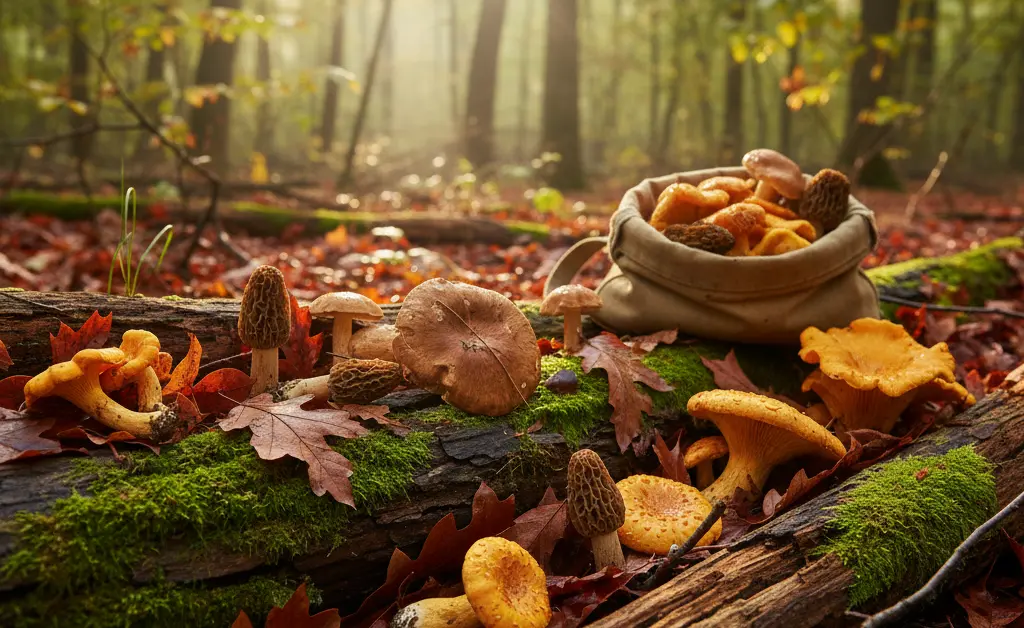
Morels are among the most highly prized edible mushrooms, celebrated for their distinct honeycomb-like cap and earthy, nutty flavor. They typically appear in spring, often found near decaying hardwood trees like elm, ash, and old apple trees, or in disturbed areas. Their unique appearance makes them relatively easy to identify, though care must be taken to distinguish them from false morels, which can be toxic.
Oyster Mushrooms
Oyster mushrooms are a versatile and common find, growing in shelf-like clusters on dead or dying hardwood trees. They have a fan-shaped or oyster-shaped cap, which can vary in color from white to grey or tan, and gills that run down the stem. These fungi can be found almost year-round in Kentucky, particularly after rain, and are known for their delicate flavor and tender texture.
Chanterelles
Chanterelles are beloved for their fruity aroma, often likened to apricots, and their peppery, mild flavor. They are typically golden or orange, trumpet-shaped, and feature false gills that run down the stem, often branching. These sought-after mushrooms usually emerge in summer and fall, growing on the ground in mossy areas, often near oak or conifer trees. Careful identification is important to avoid poisonous look-alikes.
Chicken of the Woods
Also known as sulphur shelf, Chicken of the Woods is a bright orange or yellow bracket fungus that grows in overlapping layers on dead or living hardwood trees. Its vibrant color makes it stand out in the forest. When young and tender, its texture is often compared to chicken, making it a popular meat substitute. It typically appears from summer to fall, but foragers should be aware that consuming it from certain tree species, like eucalyptus or conifers, may cause gastrointestinal upset.
Shiitake
While often cultivated, shiitake mushrooms can occasionally be found growing wild or as escaped cultivation in Kentucky, primarily on decaying logs of oak and other hardwoods. They are characterized by their umbrella-shaped brown caps, typically with white gills underneath, and a rich, savory umami flavor. Wild shiitake tend to be firmer and more intensely flavored than their cultivated counterparts.
Hen of the Woods
Also known as maitake, Hen of the Woods forms large, greyish-brown, cauliflower-like clusters at the base of oak trees or other hardwoods. This impressive fungus can grow quite large and has a robust, earthy flavor and firm texture. It is typically found in the fall and is considered a prime culinary mushroom, highly valued for its taste and versatility in cooking.
Common Edible Mushrooms Found in Kentucky
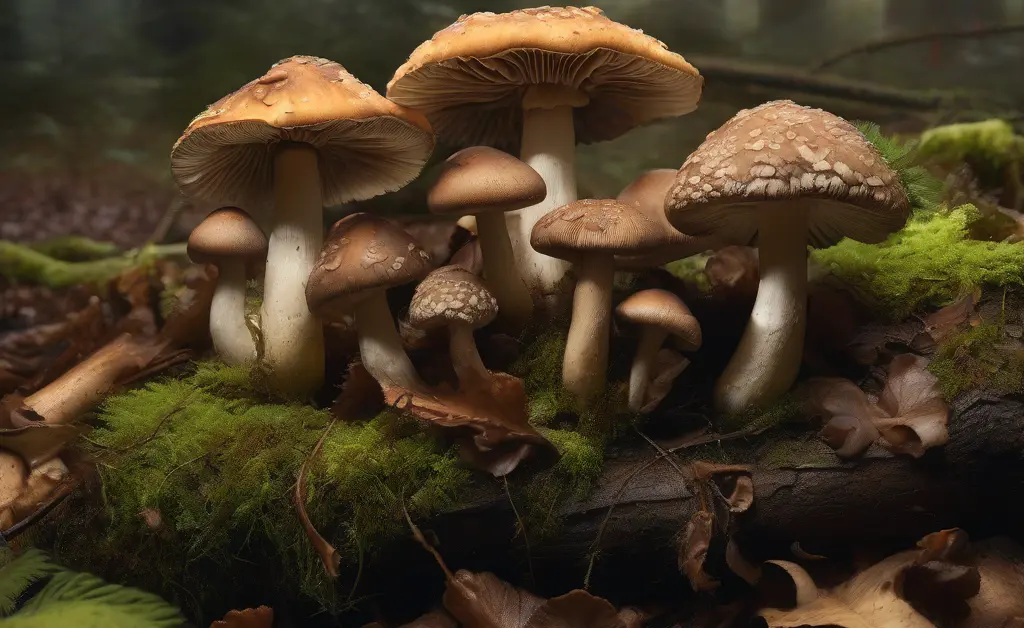
When seeking edible mushrooms Kentucky, understanding the common varieties is a significant step toward a successful and safe harvest. Beyond the more prominent species, numerous other edible fungi thrive within the state’s ecosystems. Key Identification Features include examining cap shape, gill structure, stem characteristics, spore print color, and the presence or absence of a veil or volva. Many species also have distinctive smells or textures that aid in identification. Successfully identifying edible mushrooms in Kentucky safely requires diligent observation and cross-referencing with reliable field guides.
Where to Find Edible Mushrooms in Kentucky
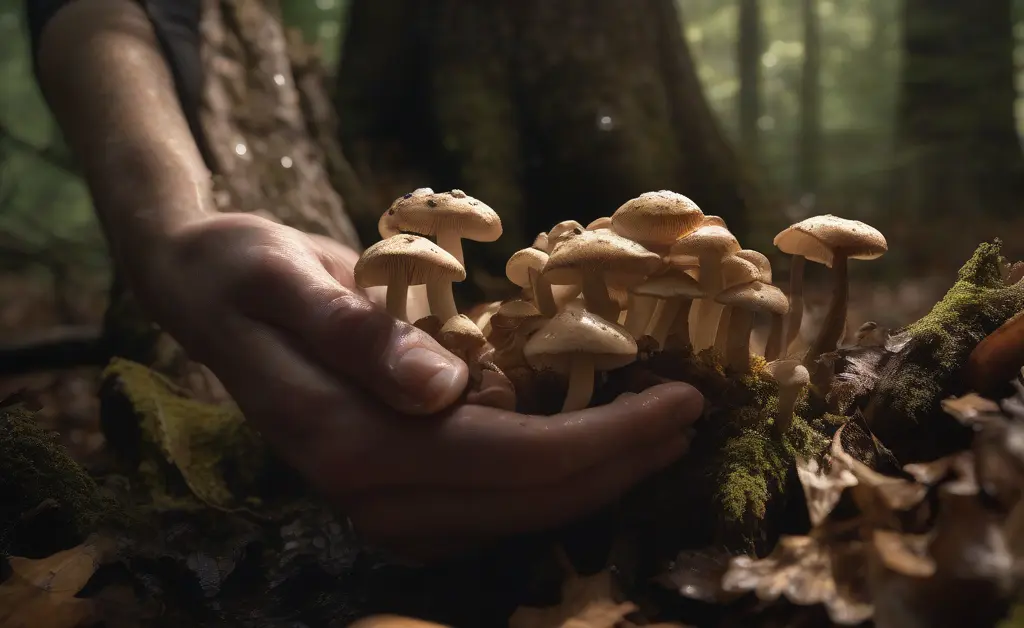
The quest for edible mushrooms Kentucky is often a journey into the heart of the state’s natural beauty. Successful foraging depends heavily on knowing the right environments. Mushrooms generally thrive in moist, shaded conditions, often associated with specific tree species or types of decaying wood. Forest Types and Habitats vary widely across Kentucky, offering different fungal opportunities. Deciduous forests rich in oak, maple, and hickory are prime locations for many sought-after species, while riparian zones near creeks and rivers can also be productive. Similar forest types are also fruitful for finding edible mushrooms Virginia, highlighting regional similarities in foraging. Foragers should investigate areas with good drainage and ample organic matter, paying close attention to “Seasonal Hotspots” that change with the weather and time of year. Before setting out, it is essential to understand “Public vs. Private Land Access” regulations, as foraging on private property without permission is illegal and unethical. State parks and national forests often have specific rules regarding mushroom collection, so checking with local authorities is always advisable.
When to Forage for Edible Mushrooms in Kentucky
Timing is everything when it comes to foraging for edible mushrooms Kentucky. The appearance of different species is highly dependent on weather patterns, temperature, and specific seasons. Understanding these seasonal rhythms and “Mushroom Growth Conditions” greatly increases the chances of a successful harvest. Warm temperatures combined with consistent moisture are typically ideal for fungal development.
The “Spring Foraging Season,” generally from April to June, is famous for morels, which are among the first significant finds. As spring transitions into summer, different species begin to emerge. Foragers in neighboring regions, such as those looking for edible mushrooms East Tennessee, often follow similar seasonal patterns.
The “Summer Foraging Season,” from June to August, brings forth chanterelles, oyster mushrooms, and chicken of the woods, especially after periods of rain.
However, the “Fall Foraging Season,” from September to November, is often considered the most bountiful time of year for many edible mushrooms Kentucky, including hen of the woods, late-season oyster mushrooms, and a variety of other unique fungi as temperatures cool and moisture remains.
Cooking and Preparing Kentucky’s Edible Mushrooms

Once you’ve safely identified and harvested your edible mushrooms Kentucky, the next exciting step is preparing them for the table. “Basic Preparation Methods” typically involve gently cleaning the mushrooms to remove dirt and debris, often with a soft brush or damp cloth, rather than rinsing them under water, which can make them soggy. Trimming off any tough or damaged parts is also standard practice. Many wild mushrooms, including morels, require cooking before consumption, as some can cause digestive upset if eaten raw.
For “Recipe Ideas,” the versatility of these fungi shines. Oyster mushrooms can be sautéed with garlic and herbs, chanterelles are excellent in creamy sauces or risottos, and chicken of the woods makes a fantastic meat substitute in stir-fries or fried dishes. Hen of the Woods stands up well to roasting or can be incorporated into hearty soups and stews. Experimenting with different cooking methods like sautéing, roasting, grilling, or frying can bring out the unique characteristics of each species.
“Proper Storage” is also essential to maintain freshness. Most edible mushrooms are best consumed shortly after foraging. For short-term storage, keep them in a paper bag in the refrigerator, which allows them to breathe and prevents them from becoming slimy. For longer-term preservation, many varieties can be dried, frozen after blanching, or pickled.
Important Considerations for Mushroom Foraging in Kentucky
Mushroom foraging, while rewarding, carries inherent responsibilities and risks. Adhering to “Ethical Foraging Practices” is paramount, which includes taking only what you need, leaving smaller or immature specimens to ensure future growth, and minimizing disturbance to the ecosystem. These ethical guidelines are universally important, whether you are foraging in Kentucky or searching for edible mushrooms East Texas. Always be aware of “Regulations and Laws” concerning foraging in specific areas, especially on public lands where permits might be required. “Potential Risks and Safety Precautions” are critical, with the most significant danger being the consumption of poisonous species. For general health and safety information, consult resources from the CDC.
Poisonous Edible Mushrooms Kentucky
One of the most critical aspects of foraging for edible mushrooms Kentucky is understanding the risk of poisonous look-alikes. There are indeed “Poisonous Look-Alikes” for many popular edible species. For example, some false morels can be toxic, and certain Jack O’Lantern mushrooms, which are poisonous, might be confused with chanterelles due to their color. “Are there poisonous look alikes for edible mushrooms?” Absolutely, and recognizing them is a matter of life-or-death importance.
“How can I tell if a mushroom is edible or poisonous?” There is no single universal test. Reliable “Mushroom Identification” relies on meticulously observing multiple features: cap, gills, stem, spore print, habitat, growth habit, and smell. Never rely on folklore such as “if it peels, it’s edible” or “if insects eat it, it’s safe.” These are dangerous myths. “Using Field Guides and Resources” is indispensable; always carry a reputable, up-to-date guide specific to your region, and consider joining a local mycological society for expert guidance.
Foragers should also be cautious about “Are any backyard mushrooms edible?” While some edible species can grow in yards, the risk of misidentification, exposure to lawn chemicals, or contamination is higher. It is generally safer to forage in undisturbed natural environments. The golden rule for all mushroom foraging, especially for those new to the practice, is “When in Doubt, Throw it Out.” Never consume a mushroom unless you are 100% certain of its identification. “Identifying Edible Mushrooms in Kentucky Safely” means exercising extreme caution and humility, prioritizing safety above all else.
Embarking on the journey of foraging for edible mushrooms in Kentucky offers a unique connection to nature and a delicious reward for those who approach it with knowledge and respect. The state’s diverse forests are teeming with a variety of fungi, from the highly coveted morels and chanterelles to the abundant oyster mushrooms and majestic hen of the woods. By understanding identification keys, seasonal timing, and prime habitats, foragers can safely and sustainably discover these natural treasures. Remember, responsible foraging practices and careful identification are paramount to ensuring a safe and enjoyable experience, enriching both your table and your appreciation for Kentucky’s rich biodiversity.
This content is for informational use and should not be considered medical instruction. It is not intended to provide medical advice, diagnosis, or treatment. Always consult with a qualified healthcare professional for any health concerns or before making any decisions related to your health or wellness. The information provided is for general knowledge and educational purposes only.
FAQ
What are the most common edible mushrooms in Kentucky?
Commonly found edible mushrooms in Kentucky include varieties like morels, chanterelles, and oyster mushrooms. These species are sought after for their distinct flavors and culinary versatility. Their presence is often linked to specific environmental conditions found within the state.
How can I identify edible mushrooms in Kentucky?
Identifying edible mushrooms requires careful observation of key characteristics such as cap shape, gill structure, stem features, and spore color. It is crucial to learn these distinct traits to differentiate between edible and potentially harmful varieties. Accurate identification is paramount for safe foraging.
Where are the best places to find edible mushrooms in Kentucky?
Areas with mature forests, particularly those with hardwood trees like oak and hickory, are often prime locations for finding edible mushrooms. Rich, moist soil and decaying wood also provide favorable habitats. Exploring state parks and national forests can yield rewarding foraging experiences, alongside local knowledge of edible mushrooms kentucky.
When is the best time to forage for mushrooms in Kentucky?
The prime foraging season for many edible mushrooms in Kentucky typically spans from spring to fall, with the specific timing varying by species. Morels, for instance, often appear in early spring as temperatures rise, while chanterelles and other varieties emerge more commonly during warmer, wetter months. Conditions like rainfall and temperature significantly influence their fruiting.
Are there poisonous mushrooms in Kentucky that look like edible ones?
Yes, Kentucky harbors poisonous mushroom species that can bear a resemblance to popular edible varieties. For example, false morels can be mistaken for true morels, and certain toxic species might be confused with edible oyster mushrooms. This highlights the absolute necessity of definitive identification before consuming any wild mushroom.