
A Foraging Guide to Maine’s Edible Mushrooms
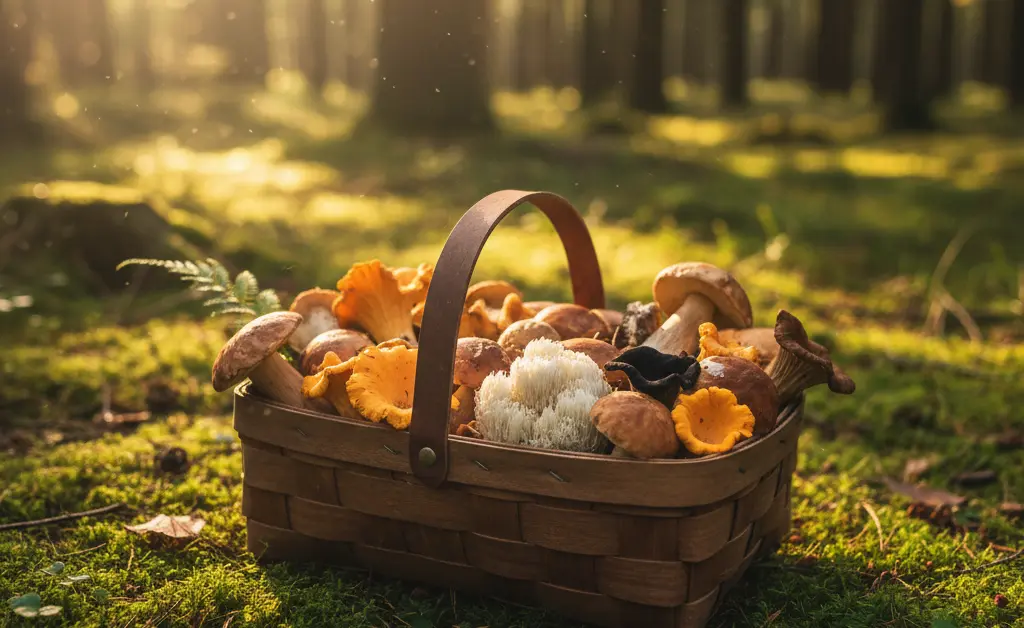
Foraging for wild mushrooms offers a unique opportunity to connect with nature while discovering distinctive culinary delights. Many species boast rich, earthy flavors and substantial textures that can transform a meal into an extraordinary experience. In Maine, the varied forests and climate create an ideal environment for numerous fungi to thrive, presenting an exciting prospect for gatherers. This guide aims to introduce the most accessible and sought-after edible mushrooms Maine provides, offering practical advice for identification, safe harvesting, and enjoyment. We’ll cover key characteristics, typical habitats, and crucial safety precautions to ensure your foraging endeavors are both productive and safe. With careful attention, exploring the state’s woodlands for edible mushrooms in Maine can become a cherished seasonal activity.
Common Edible Mushrooms in Maine
Maine’s diverse ecosystems support a remarkable variety of fungi, making it a prime location for mushroom enthusiasts. Identifying edible mushrooms Maine has to offer requires careful observation of key features, including cap shape, gill structure, stem characteristics, and spore print. While many species are delicious, it’s paramount to approach foraging with caution and always be certain of your identification before consumption. This section highlights some of the most popular and relatively easier-to-identify edible species found throughout the state. Many regions across the USA offer similar foraging opportunities.
3 Easy To ID Edible Maine Mushrooms
For those new to the world of mushroom foraging, starting with species that have distinct characteristics and fewer toxic look-alikes is a sensible approach. These “beginner-friendly” mushrooms often have features that make them relatively straightforward to identify, reducing the risk of misidentification. However, even with these species, thorough research and cross-referencing multiple sources are always recommended before harvesting or consuming any wild mushroom.
Chanterelles
Chanterelles are among the most celebrated wild mushrooms, highly prized for their fruity aroma and peppery flavor. In Maine, they typically appear in summer and early fall, growing in mixed hardwood and coniferous forests. Key identification features include their vibrant golden-yellow to orange color, vase-like or funnel shape, and blunt, forked, or gill-like ridges that run down the stem rather than true gills. The flesh is firm and white, and they do not bruise or change color significantly when cut. Always be wary of false chanterelles, which have true, sharp gills and a less appealing odor. You can also find edible mushrooms Arkansas is known for.
Oyster Mushrooms
Oyster mushrooms are a fantastic find for foragers, known for their distinctive oyster-shell shape and delicate flavor. These fungi grow in shelf-like clusters on dead or dying deciduous trees, particularly aspen, poplar, and birch, throughout the warmer months and into late fall. They are usually white, grey, or tan, with gills that run down a very short or absent stem and attach directly to the wood. The texture is tender yet meaty, making them versatile in many culinary applications. Their unique growth habit on wood makes them relatively easy to spot and identify.
Morels (seasonal)
Morels are highly sought after spring mushrooms, characterized by their honeycomb-like cap and hollow stem. Their season is brief, typically appearing in late April and May, often near dying elm trees, old apple orchards, or disturbed ground from recent fires. There are several species, ranging from yellow to black, but all share the deeply pitted and ridged cap. It is crucial to note that true morels are completely hollow from cap to stem. False morels, which can be toxic, have cottony interiors or are solid. Positive identification is essential due to the presence of poisonous look-alikes. Other regions like Illinois also boast excellent morel foraging.
Puffballs
Puffballs are distinctively spherical or pear-shaped mushrooms that lack traditional gills. They are commonly found in fields, meadows, and forests, particularly after rain. Edible puffballs are typically pure white inside, with a firm, uniform texture. As they mature, the interior turns yellowish, then brown and powdery, indicating they are past their edible stage. Crucially, any puffball should be sliced open to ensure it is not a “button stage” agaric or Amanita species, which are highly toxic and would show developing gill structures. If there are any signs of gills or a mushroom outline inside, do not consume it.
Shaggy Manes
Also known as Coprinus comatus or lawyer’s wig, Shaggy Manes are easily identifiable by their tall, cylindrical cap covered in shaggy, upward-pointing scales. They typically grow in grassy areas, lawns, and disturbed ground, often appearing in groups. When young, they are white, but as they mature, the cap edges begin to “deliquesce” or dissolve into a black, inky liquid. They must be consumed shortly after harvesting, before this deliquescence begins, as they have a very short shelf life once picked. Shaggy Manes have a mild, earthy flavor and a tender texture. Unique species of edible mushrooms Alaska offers can be explored for further variety.
Hen of the Woods
Hen of the Woods, scientifically known as Grifola frondosa, is a large, distinctive polypore mushroom that grows at the base of oak trees, usually in late summer and fall. It forms a large, ruffled, rosette-like cluster of overlapping caps, resembling a brooding hen. The caps are grayish-brown with white undersides, and the entire structure can be quite substantial, often weighing several pounds. Its firm, savory flesh makes it an excellent choice for various culinary preparations. This mushroom does not have many dangerous look-alikes, making it a relatively safe option for experienced foragers, and is among the most sought-after edible mushrooms Maine offers.
Where to Find Edible Mushrooms in Maine
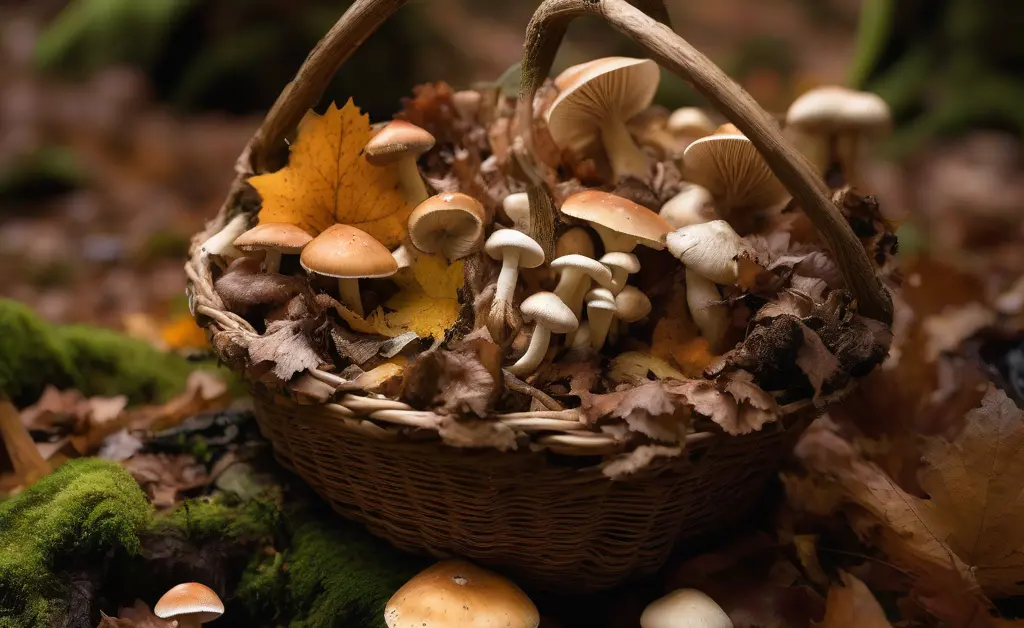
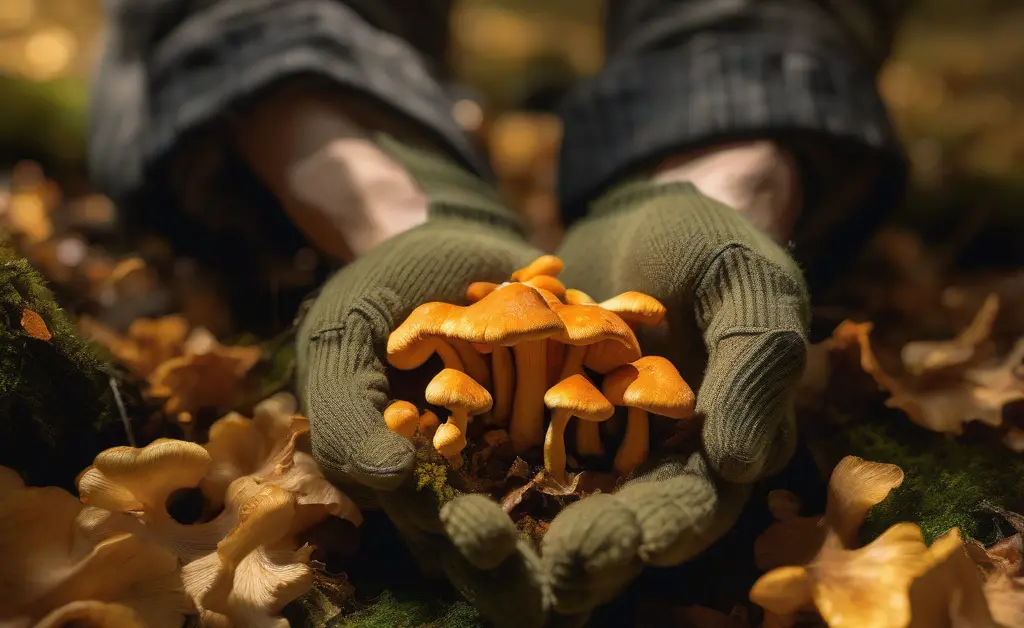
The success of mushroom foraging often depends on knowing where to look. Maine’s diverse topography, including extensive forests, varied tree species, and seasonal climate shifts, creates prime conditions for a wide range of fungi. When searching for edible mushrooms Maine has available, certain habitats and environmental conditions prove more fruitful than others. Understanding these patterns can significantly increase your chances of a successful harvest.
- Forests and Woodlands: Deciduous and mixed forests are excellent places to search. Specific tree associations are key; for example, Chanterelles often grow near oak and beech, while Morels might be found near dying elm or old apple trees. Hen of the Woods consistently appears at the base of oak trees.
- Fields and Meadows: Open grassy areas can host species like puffballs and shaggy manes, especially after periods of rain. Old pastures and edges of woodlands are also good spots.
- Along Trails and Roadsides: Disturbed ground can sometimes yield surprises, including certain Morels. However, be cautious of harvesting from areas potentially exposed to heavy vehicle pollution or chemical run-off.
- Seasonal Hotspots: Timing is crucial. Spring brings Morels, summer ushers in Chanterelles and Oyster mushrooms, and fall is a prolific time for a wide variety, including Hen of the Woods. Observing local weather patterns, especially rainfall, is vital, as most mushrooms fruit after adequate moisture.
When foraging for edible mushrooms in Maine, it is also important to practice sustainable harvesting. Only take what you need, leaving plenty for others and for the ecosystem. Avoid disturbing the mycelial network in the soil. Additionally, always be aware of local regulations and private property boundaries. Some state parks or private lands may require permits or restrict foraging.
Cooking with Maine’s Edible Mushrooms
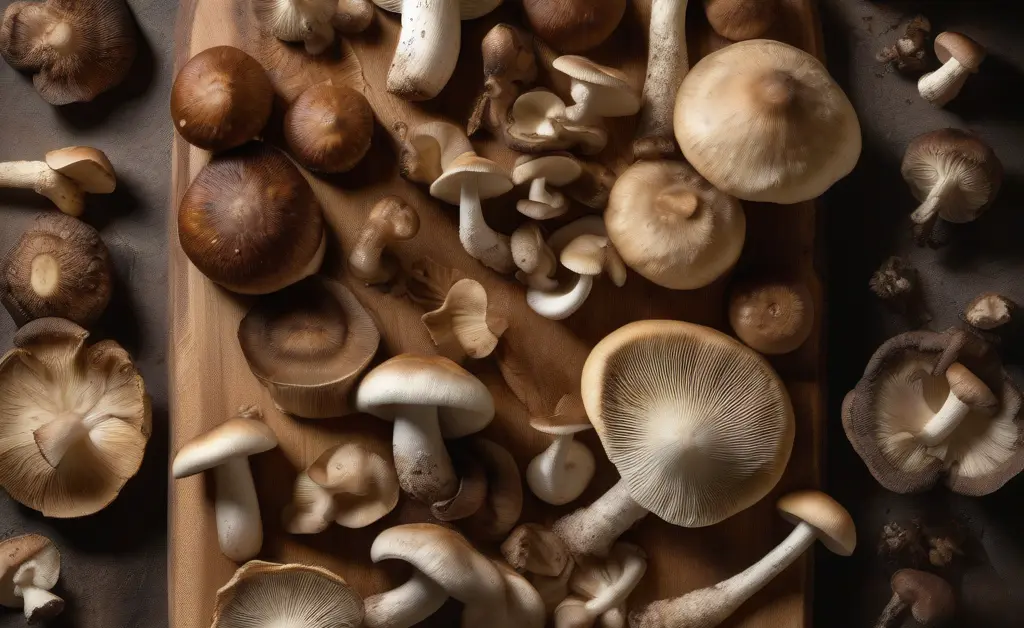
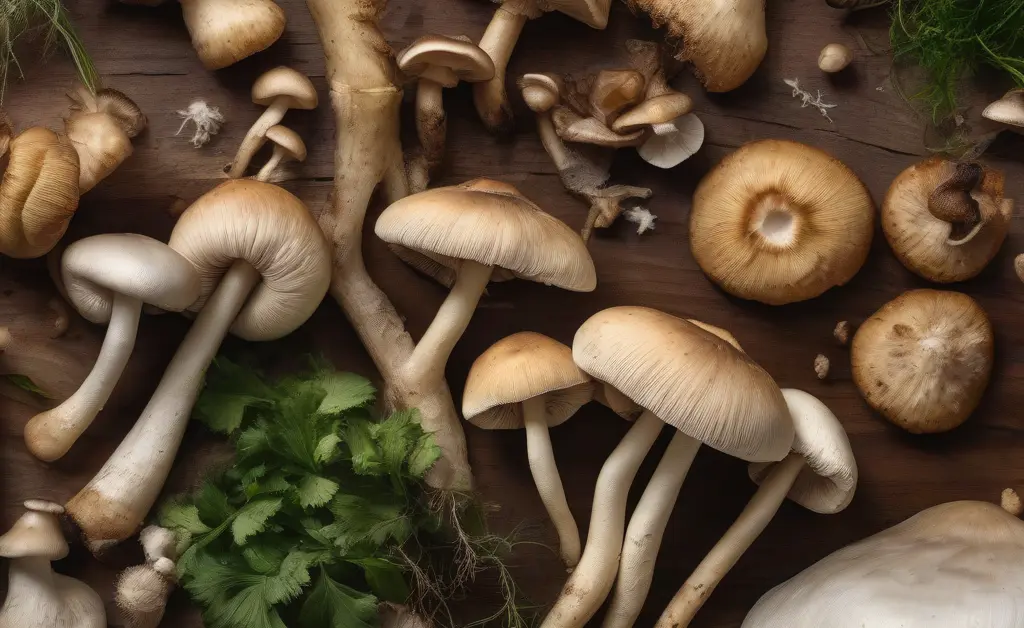
Once you’ve safely identified and harvested your bounty of edible mushrooms in Maine, the culinary possibilities are extensive. Wild mushrooms possess unique flavors and textures that can elevate a simple dish into a gourmet experience. Proper preparation and cooking techniques are essential to bring out their best qualities and ensure safe consumption.
Preparation and Cleaning:
- Cleaning: Most wild mushrooms should not be washed under running water, as they absorb moisture easily and can become soggy. Instead, use a soft brush, a damp cloth, or a paper towel to gently wipe away dirt, debris, or insects. For mushrooms with many crevices, like morels, a quick rinse just before cooking is sometimes acceptable if they are dried thoroughly immediately.
- Trimming: Remove any tough, woody, or insect-damaged parts of the stem or cap. Slice larger mushrooms into uniform pieces to ensure even cooking.
Simple Cooking Methods:
- Sautéing: This is arguably the most common and effective way to cook many wild mushrooms. Heat a pan with butter or olive oil, add the mushrooms in a single layer, and cook until they release their moisture and then brown. Season with salt, pepper, and herbs like thyme or parsley.
- Roasting: Tossing mushrooms with olive oil, salt, pepper, and garlic before roasting in a hot oven brings out a deep, concentrated flavor and a pleasant texture.
- Grilling: Larger, firmer mushrooms like Hen of the Woods can be brushed with oil and grilled, providing a smoky flavor and satisfying chew.
- Soups and Stews: Many wild mushrooms add a rich umami depth to broths and hearty stews. Add them towards the end of cooking to retain some texture.
Recipe Ideas:
Consider incorporating your foraged finds into dishes such as: wild mushroom risotto, creamy pasta sauces, savory tarts, omelets, or as a flavorful side dish for roasted meats. Chanterelles shine in cream-based sauces, Oyster mushrooms are excellent in stir-fries, and Morels are often simply sautéed to highlight their unique flavor. Experimenting with various culinary approaches can help you discover new ways to enjoy the distinctive tastes of edible mushrooms Maine has to offer. Proper preparation and cooking techniques are essential to bring out their best qualities and ensure safe consumption. For more details on nutritional information and safety, you can consult resources from the NIH.
Foraging for edible mushrooms in Maine can be a rewarding pursuit, offering both outdoor adventure and delicious culinary rewards. By focusing on easily identifiable species, understanding their preferred habitats, and adhering to strict safety protocols for identification and preparation, foragers can enjoy the rich flavors of the forest responsibly. Always remember that positive identification is critical, and when in doubt, it’s best to err on the side of caution. Happy foraging!
This article is written for general understanding and not for medical decision-making. The information provided is for informational purposes only and should not be considered a substitute for professional advice. Always exercise caution and consult with experts or field guides for accurate identification before consuming any wild mushrooms, as some species can be toxic. Personal responsibility is paramount when engaging in foraging activities.
FAQ
What are the most common edible mushrooms found in Maine?
Maine’s forests and fields can host a variety of popular edible mushrooms like Morels, Chanterelles, and Chicken of the Woods, depending on the season and specific habitat. These fungi often emerge in damp, wooded areas or after periods of rain. Identifying specific species requires careful observation of their unique characteristics.
Where is the best place to go mushroom hunting in Maine?
Optimal locations for foraging include mixed hardwood forests, especially those with decaying logs, and the edges of conifer stands. Areas that have experienced recent rainfall and have a healthy undergrowth of mosses and leaf litter are often productive. Exploring less-trafficked woodlands can increase your chances of finding a good harvest.
How can I tell if a wild mushroom is safe to eat in Maine?
Accurate identification is paramount, and there is no single shortcut or easy test to determine edibility. Reliable identification relies on learning the specific features of edible species and recognizing the equally distinct features of toxic look-alikes, which requires dedicated study and often guidance from experienced foragers. Always err on the side of caution if there is any doubt about a mushroom’s identity.
Are there any specific rules for foraging mushrooms in Maine?
Generally, foraging for personal consumption on most public lands in Maine is permitted, but it is always wise to check for specific regulations on any particular state or local park property. Foraging commercially or on private property typically requires landowner permission. Respecting the environment and practicing sustainable harvesting is crucial for the health of fungal populations.