
Identifying Edible Mushrooms on Oak Trees
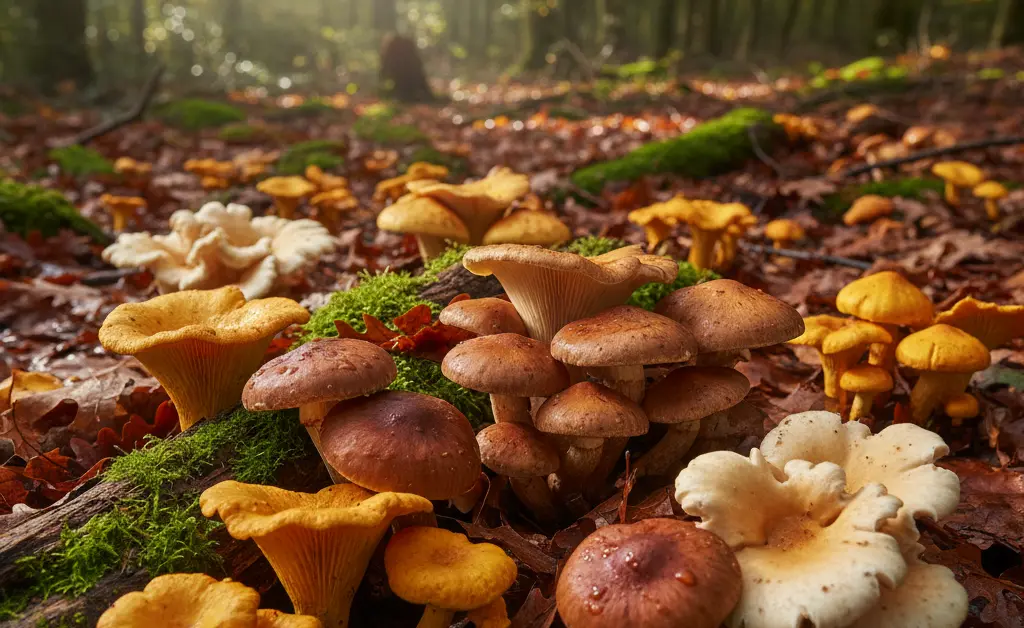
Are you tired of the limited mushroom selection at your local grocery store, constantly searching for unique, healthful ingredients to elevate your culinary creations or support your well-being? Many home cooks and wellness enthusiasts face the frustration of not knowing where to find truly distinctive fungi, often overlooking the abundant, beneficial species thriving in our natural environments. This uncertainty can limit experimentation and prevent access to some of the most sought-after varieties. This article aims to alleviate that common challenge by exploring specific, highly prized edible mushrooms that grow on oak trees. We will guide you through identifying these remarkable organisms, discussing their unique characteristics, culinary uses, and potential health benefits. Discover how understanding these particular species can open up new culinary horizons and enhance your natural health practices, empowering you to confidently forage or cultivate these valuable fungi.
Edible Mushrooms That Grow on Oak Trees
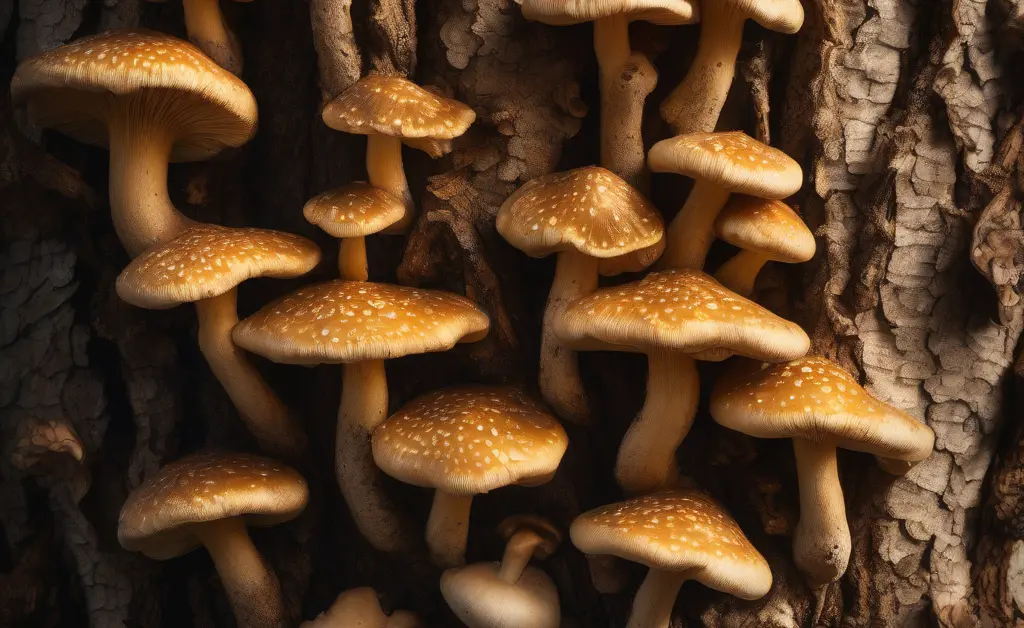
Among the diverse fungal kingdom, many truly remarkable edible mushrooms that grow on oak trees offer unique culinary experiences and potential wellness benefits. Oak trees, with their robust and long-lasting wood, provide an ideal substrate for a variety of fungi, acting as hosts for both saprophytic (wood-decaying) and parasitic species. Understanding the specific types of mushrooms that favor oak can significantly enhance a forager’s success and culinary repertoire. Each species possesses distinct characteristics, from its physical appearance and growth habit to its flavor profile and nutritional composition. Exploring these natural treasures allows for a deeper connection with nature and an opportunity to incorporate unique ingredients into healthful diets. For those new to mushroom hunting, understanding edible mushrooms for beginners is a crucial first step.
Oyster Mushrooms (Pleurotus spp.)
Oyster mushrooms are among the most widely recognized and cultivated edible fungi, frequently found growing on oak trees. These mushrooms are characterized by their distinctive fan-shaped caps, which often resemble an oyster shell, hence their common name. They typically grow in shelf-like clusters, emerging from the bark or decaying wood of oak logs and stumps. Their color can vary significantly, ranging from white, gray, or tan to pink or yellow, depending on the specific species within the *Pleurotus* genus. Oyster mushrooms have a delicate, slightly chewy texture and a mild, savory flavor that can be enhanced through various cooking methods. They are versatile in the kitchen, suitable for stir-fries, soups, sauces, and sautéed dishes, and are appreciated for their potential nutritional content.
Lion’s Mane Mushroom (Hericium erinaceus)
Lion’s Mane, also known as the pom-pom mushroom or bearded tooth fungus, is a truly unique and sought-after edible mushroom frequently found on oak trees. Its appearance is unmistakable, featuring cascading icicle-like spines that grow outward, resembling a shaggy white or creamy mane. Unlike many gilled mushrooms, Lion’s Mane grows as a single, large mass rather than a cap and stem. It can often be found on dying or dead oak wood, as well as on living trees where it may act as a mild parasite. Culinary enthusiasts prize Lion’s Mane for its delicate, seafood-like flavor and texture, often compared to crab or lobster, making it an excellent substitute in vegetarian dishes. Beyond its culinary appeal, it is traditionally studied for various wellness-supporting properties. For those interested in similar-looking species, learning about hedgehog mushroom identification might be of interest.
Reishi Mushroom (Ganoderma lucidum)
Reishi mushroom, often referred to as the “mushroom of immortality” in traditional Eastern practices, is another notable species that grows on oak trees, particularly at the base or on the roots of decaying or stressed oaks. Unlike the culinary favorites mentioned above, Reishi is generally not consumed for its texture or flavor due to its tough, woody consistency. Instead, it is highly valued for its traditional use in various wellness practices. Reishi mushrooms are easily identifiable by their distinctive kidney-shaped, fan-like cap, which often has a glossy, lacquered appearance in shades of red, brown, or black, with a paler underside. While not a culinary ingredient in the typical sense, it is often prepared as teas, tinctures, or extracts, and is revered for its adaptogenic qualities, potentially helping the body adapt to stress.
Turkey Tail Mushroom (Trametes versicolor)
Turkey Tail mushrooms are exceptionally common and can be found growing abundantly on dead oak trees and logs. While not typically a culinary mushroom due to their thin, leathery texture, they are widely recognized for their striking appearance and traditional use in various wellness approaches. These fungi are characterized by their fan-shaped, flat fruiting bodies that grow in overlapping layers or rosettes, displaying vibrant concentric bands of color, often resembling a turkey’s fanned tail. Colors can range from brown, gray, and white to blues, purples, and reds, with a distinct velvety texture on the upper surface. The underside is typically white or cream-colored, covered in tiny pores rather than gills. Turkey Tail has a long history of use in traditional systems, often prepared as a tea or extract, and is widely studied for its potential immune-modulating properties. Information on regulatory bodies can be found at efsa.europa.eu.
Cultivating and Foraging Edible Oak Mushrooms
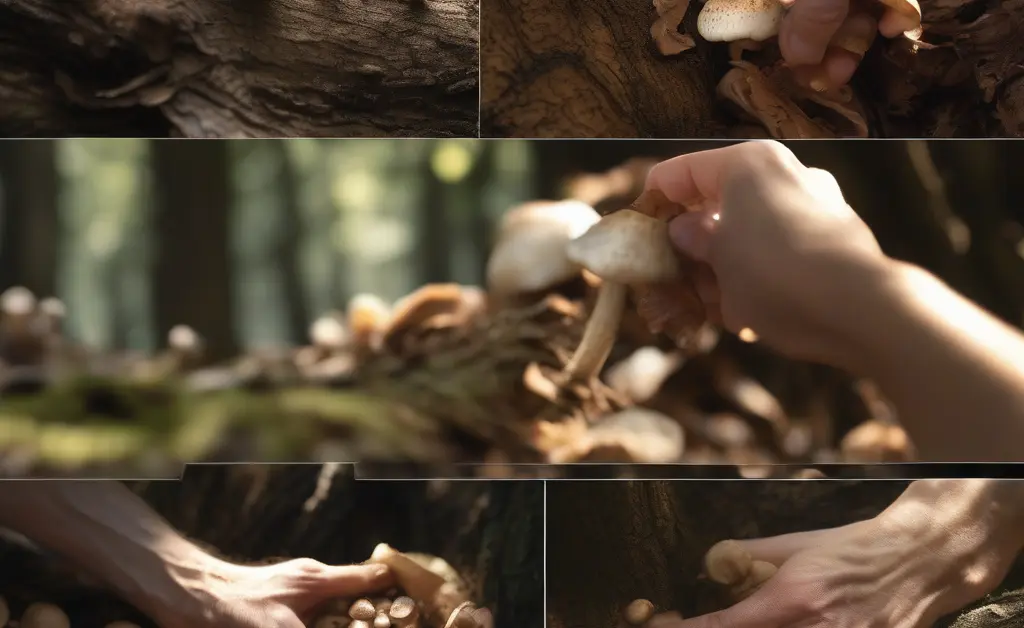
Whether you are drawn to the thrill of discovery or the satisfaction of homegrown produce, understanding how to responsibly forage and cultivate edible mushrooms that grow on oak trees can be a rewarding endeavor. Foraging offers the opportunity to connect with nature and discover these fungi in their natural habitats. Successful foraging requires careful observation and an understanding of “Key Characteristics to Look For,” including cap shape, gill structure, stem characteristics, and growth patterns specific to “Oak Tree Mushroom Identification.” It is paramount to prioritize “The Importance of Accurate Identification” to “Distinguishing Edible from Poisonous Varieties.” Familiarize yourself with “Common Edible Mushroom Look-Alikes” to ensure safety, and always exercise “Safety Precautions for Edible Mushroom Foraging,” especially “When to Avoid Foraging” if identification is uncertain or environmental conditions are questionable. The “Best Foraging Seasons for Oak Mushrooms” vary by species and region, but generally, late spring through fall after rains can be productive. Always practice “Sustainable Harvesting Techniques” by taking only what you need and leaving enough for the mushroom to reproduce and for wildlife.
For those interested in a more controlled approach, “Tips for Growing Oak Mushrooms at Home” can provide a consistent supply. Many of the edible mushrooms that grow on oak trees, such as Oyster and Lion’s Mane, can be cultivated successfully on oak logs or sawdust blocks. This involves inoculating oak logs with mushroom spawn, creating the right humidity and temperature conditions, and patiently waiting for the fungi to fruit. “Best Mushrooms to Grow on Oak Logs” often include species known for their relatively straightforward cultivation processes and high yields. Cultivation not only provides fresh mushrooms but also offers a deeper understanding of the fungal life cycle and a sustainable alternative to wild harvesting.
Exploring the world of edible mushrooms that thrive on oak trees offers a compelling blend of culinary adventure, connection with nature, and potential wellness benefits. From the versatile Oyster mushrooms to the unique Lion’s Mane, the traditionally revered Reishi, and the distinctive Turkey Tail, each species brings its own set of characteristics to appreciate. By learning accurate identification techniques, practicing sustainable foraging, or engaging in mindful cultivation, individuals can confidently incorporate these remarkable fungi into their lives. This journey not only enhances culinary experiences but also fosters a deeper appreciation for the intricate ecosystems supported by our mighty oak trees. For those seeking comprehensive knowledge, consider referring to an edible mushrooms book.
This material is shared for educational insight, not for clinical decision-making. The information presented here is intended for general knowledge and informational purposes only, and does not constitute medical advice. Always consult with a qualified healthcare professional before making any decisions related to your health or incorporating new dietary elements. Individual results and reactions may vary, and the safe consumption or application of any mushroom relies heavily on expert identification and understanding of personal health conditions.
FAQ
What are the most common edible mushrooms that grow on oak trees?
Several species of edible mushrooms are commonly found on oak trees, including certain varieties of oyster mushrooms and shiitake. These fungi play a vital role in decomposing the wood, returning nutrients to the ecosystem. Observing these species can offer insight into the natural processes occurring in forests.
Can I eat oyster mushrooms that grow on oak trees?
Yes, oyster mushrooms are a well-known group of fungi that frequently grow on oak trees. They are recognized for their culinary appeal and are enjoyed in various dishes. These mushrooms are saprophytic, meaning they obtain nutrients from dead or decaying organic matter.
Are there poisonous mushrooms that look like edible ones on oak trees?
It is true that some poisonous mushrooms can visually resemble edible species. This potential for confusion underscores the importance of accurate identification before consuming any wild mushroom. Misidentification can lead to serious health consequences.
How do I identify edible mushrooms on oak trees?
Accurate identification of wild mushrooms requires careful observation of distinct physical characteristics, such as cap shape, gill structure, stem features, and spore color. Consulting with experienced mycologists or using comprehensive field guides is highly recommended for safe foraging. Learning about edible mushrooms that grow on oak trees can be a rewarding pursuit when approached with caution and knowledge.