
How to Confidently Identify Hedgehog Mushrooms
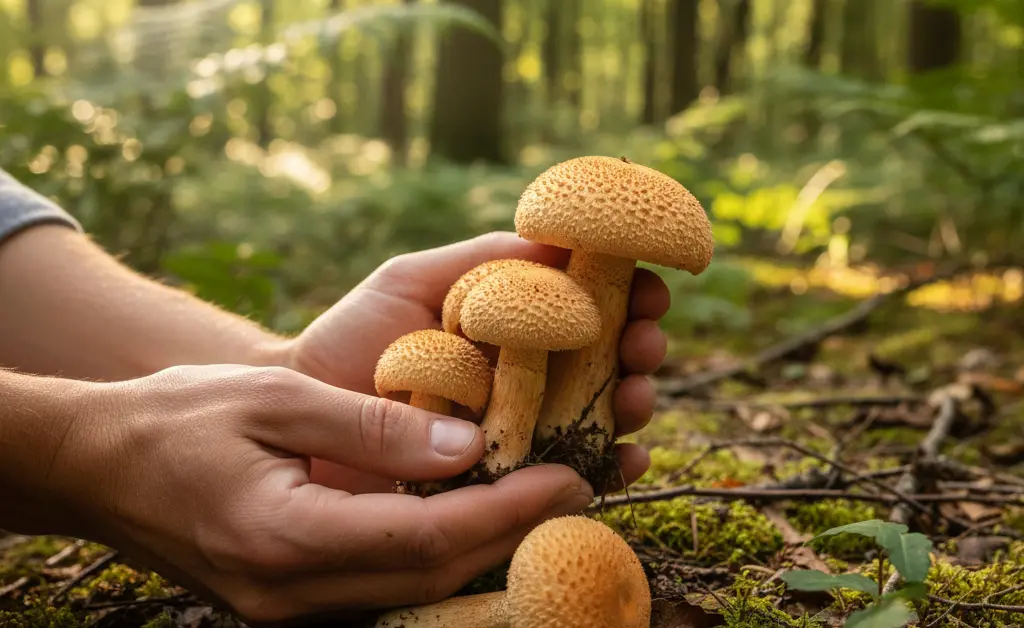
For enthusiasts of wild edibles and sustainable living, the thrill of discovering nature’s culinary treasures is immensely rewarding. Among the most sought-after fungi for their delightful flavor and unique, firm texture are hedgehog mushrooms, a gourmet find that can elevate any dish. However, safely enjoying these forest delicacies responsibly hinges entirely on accurate recognition in the field, as misidentification can lead to undesirable outcomes. This comprehensive guide provides essential insights into reliable hedgehog mushroom identification, ensuring you can confidently distinguish them from other species. By understanding their distinctive features, from their unique tooth-like undersides to their characteristic cap and stem details, foragers can confidently add this prized mushroom to their culinary repertoire, enhancing their connection to local ecosystems and healthy eating.
Key Identification Features
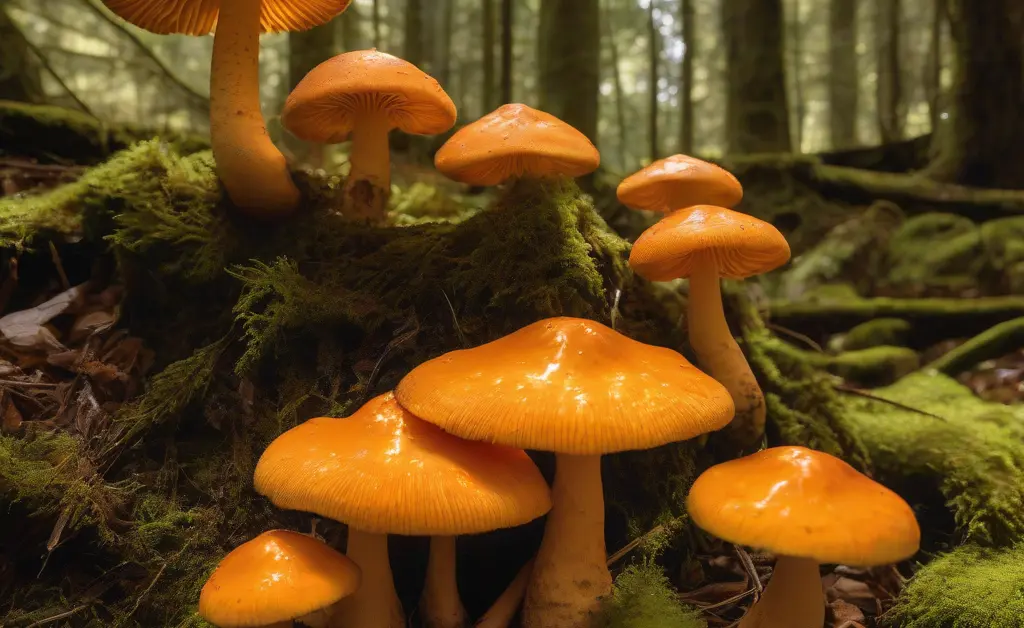
Accurate hedgehog mushroom identification relies on observing several distinct characteristics that set them apart from other forest fungi. These features, when considered together, form a reliable profile for successful foraging. It’s crucial to examine each aspect carefully to ensure confidence in your findings before consumption.
Underside Structure (Teeth vs. Gills)
The most defining characteristic of hedgehog mushrooms is their unique underside structure. Unlike many other mushrooms that possess gills or pores, hedgehog mushrooms feature soft, brittle, spine-like projections, often referred to as “teeth” or “hydnoid spines,” on the underside of their cap. These teeth are typically whitish to cream-colored and are easily detached, a key differentiator from the rigid gills of many other species. This distinctive dental-like arrangement is a primary indicator for hedgehog mushroom identification and a reliable way to differentiate them from gilled look-alikes. You can learn more about hedgehog mushroom teeth to further your understanding.
Cap Characteristics
Hedgehog mushrooms typically have caps that range from off-white to yellowish-orange or even light brown, often appearing somewhat irregular or wavy in shape. The surface of the cap can be smooth or slightly velvety to scaly, especially in older specimens or certain varieties. Their size can vary considerably, from small, button-like caps to larger ones several inches across. The cap margin is often inrolled when young and becomes wavy or lobed with age, contributing to its unique appearance in the forest undergrowth.
Stem and Stipe Details
The stem, also known as the stipe, of a hedgehog mushroom is usually robust and off-center, though it can sometimes be central. Its color often matches the cap or is slightly paler, ranging from whitish to a creamy or yellowish hue. The stem can be relatively short and stout or sometimes longer, depending on the growing conditions. It typically lacks a ring (annulus) or volva at its base, which are features seen in many other mushroom species. The texture is generally firm and solid. For more details on the entire mushroom, see hedgehog mushroom.
Flesh and Texture
The flesh of the hedgehog mushroom is firm, brittle, and typically white or creamy, maintaining its color even when cut. It does not discolor quickly upon bruising, which can be a helpful trait. When broken, it has a distinct, almost crumbly texture, especially the teeth, which readily snap off. The firm texture contributes to its popularity as an edible mushroom, as it holds up well during cooking.
Spore Print Color
While often not necessary for experienced foragers due to the mushroom’s other obvious features, a spore print can provide additional confirmation. Hedgehog mushrooms produce a white or pale cream-colored spore print. To obtain a spore print, remove the stem, place the cap with the teeth facing down on a piece of dark paper, and cover it with a bowl for several hours. The resulting powder will reveal the spore color.
Distinguishing Hedgehog Mushrooms from Look-Alikes
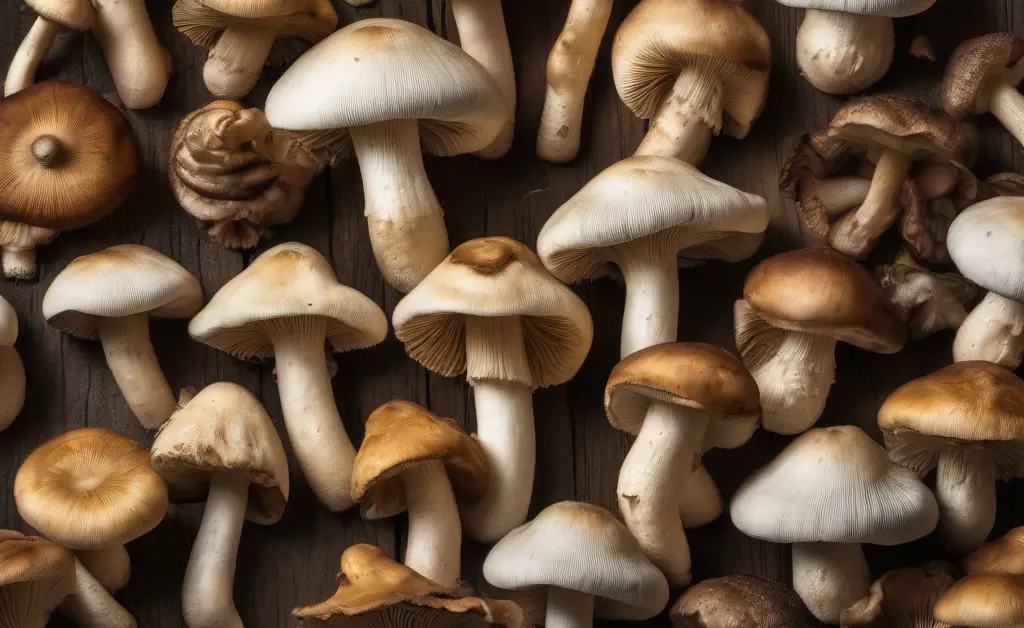
A crucial aspect of safe foraging and confident hedgehog mushroom identification involves understanding their potential look-alikes. While hedgehog mushrooms have several unique features, some other fungi share superficial similarities. Learning to differentiate these species is vital to avoid consuming undesirable or even toxic mushrooms. You can find more information on this in our guide to hedgehog mushroom look-alikes.
Common Similar Species
Several species might be mistaken for hedgehog mushrooms. One common example is the scaly hedgehog mushroom (Sarcodon imbricatus), which, as its name suggests, also has teeth on its underside but features prominent dark scales on its cap and is generally much larger and darker. Other tooth fungi exist, but their colors, growth habits, or ecological preferences often differ significantly. Another group to be aware of are some gilled mushrooms, which, if their gills are very short or fragmented, might be superficially confused, although careful inspection will always reveal true gills versus teeth.
Key Differences to Note
The primary distinguishing feature remains the underside. Hedgehog mushrooms have soft, easily detachable teeth. In contrast, many look-alikes might have more rigid, less brittle teeth, or possess true gills that run along the underside in blade-like structures. Pay close attention to the cap’s surface texture and color; hedgehog mushrooms typically have a relatively smooth to slightly velvety or faintly scaly cap, usually in lighter, yellowish to cream tones. Conversely, the scaly hedgehog mushroom has prominent, dark, shingled scales. The stem’s robustness, color, and lack of universal or partial veil remnants are also key differentiating factors when performing hedgehog mushroom identification.
Poisonous Look-Alikes to Avoid
While truly deadly look-alikes for hedgehog mushrooms are relatively rare due to their distinct teeth, it is always paramount to exercise extreme caution. Some species within the Hydnaceae family might be bitter or otherwise inedible, even if not acutely toxic. For example, some species of Sarcodon, while generally not deadly, can cause gastrointestinal upset due to their acrid taste. More importantly, always confirm that the mushroom has teeth and not gills, as many deadly gilled mushrooms exist. If there is ever any doubt regarding the identity of a mushroom, it is safest to discard it. Never consume a wild mushroom unless you are 100% confident in its identification. Always consult reliable resources for information on poisonous look-alikes.
Mastering hedgehog mushroom identification opens up a delightful culinary world, adding a unique flavor and texture to meals. By diligently studying their characteristic teeth, cap, stem, and flesh, and by learning to differentiate them from similar species, foragers can confidently and safely harvest these prized edibles. Always prioritize safety, and when in doubt, consult with an experienced mycologist or a reputable field guide. For reliable health information, consult resources from organizations like the NIH.
The content provided in this article is intended for informational learning, not clinical application. This information is designed for educational purposes only and should not be used as a substitute for professional advice. Always exercise extreme caution when identifying wild mushrooms for consumption. Consulting with an expert mycologist or using multiple authoritative field guides is highly recommended for accurate identification to ensure safety.
FAQ
How do I identify a hedgehog mushroom?
Identifying a hedgehog mushroom involves observing several key characteristics, focusing on its unique underside and cap. Familiarizing yourself with these features is essential for accurate identification in the wild.
What are the distinguishing features of hedgehog mushrooms?
The most distinctive feature of hedgehog mushrooms is their underside, which is covered in small, blunt, tooth-like projections instead of traditional gills or pores. These “teeth” are typically short and fleshy, contributing to the mushroom’s overall texture and appearance.
Do hedgehog mushrooms have teeth or gills?
Hedgehog mushrooms are distinguished by having tooth-like spines or “teeth” on their underside, rather than the gills or pores found on many other mushroom species. These structures are responsible for producing and releasing the mushroom’s spores.
What does the underside of a hedgehog mushroom look like?
The underside of a hedgehog mushroom features a dense mat of short, blunt, fleshy spines that hang downward. These spines are typically whitish to yellowish and are a key characteristic that sets them apart from gilled mushrooms.
Are there any poisonous look-alikes for hedgehog mushrooms?
While generally considered safe and less prone to poisonous look-alikes compared to some other wild mushrooms, careful observation is always recommended. Some species with similar caps might have different undersides that can help in differentiation.
How can you differentiate hedgehog mushrooms from similar species?
Differentiation relies heavily on examining the underside for the characteristic teeth, which are absent in most look-alike species that have gills or pores. Additionally, the cap color, texture, and stem characteristics can provide further clues.
What color is a hedgehog mushroom cap?
The cap of a hedgehog mushroom typically ranges in color from creamy white to pale yellow or light tan. Its surface can be smooth or slightly wrinkled, and it may develop cracks as it matures.