
A Closer Look at Hedgehog Mushroom ‘Teeth’
When exploring the diverse world of fungi, few features are as distinctive and helpful for identification as the unique structures found on certain species. Foraging enthusiasts and culinary professionals alike quickly learn to recognize key characteristics that set edible varieties apart from their less desirable counterparts. Among these, the distinctive spines, often referred to as ‘teeth’, on the underside of a particular mushroom stand out. These soft, pendulous spines are not merely an aesthetic curiosity; they are a fundamental part of the mushroom’s reproductive anatomy and a definitive identifier. Understanding these characteristic hedgehog mushroom teeth is crucial for accurate identification, ensuring both safety and culinary satisfaction when encountering this sought-after fungus in its natural habitat.
Understanding Hedgehog Mushroom Teeth
What Are Hedgehog Mushroom Teeth?
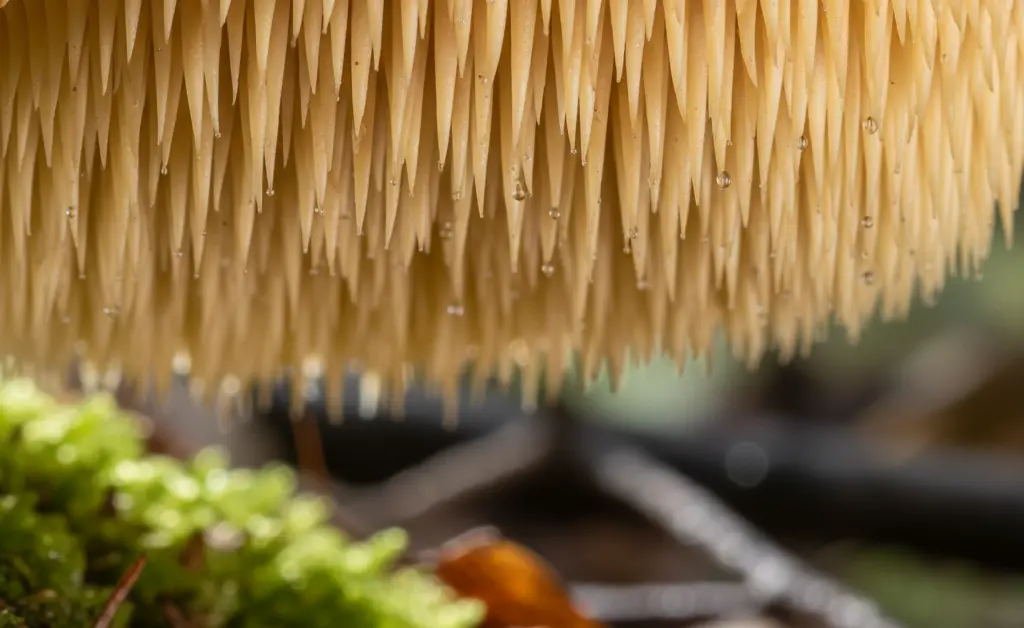
Hedgehog mushroom teeth are the defining characteristic of fungi belonging to the genus Hydnum, most notably Hydnum repandum, commonly known as the hedgehog mushroom. Unlike the gills or pores seen on the undersides of many other mushroom species, these “teeth” are soft, spine-like projections. They serve a crucial biological function, similar to gills, by increasing the surface area for spore production. These structures are not sharp or rigid like animal teeth; rather, they are typically soft, pliable, and often brittle to the touch, easily breaking off if handled roughly.
Anatomy and Location of Hedgehog Mushroom Teeth
The distinctive spine-like structures, or hedgehog mushroom teeth, are found on the underside of the mushroom’s cap, directly beneath the fleshy pileus. They hang downwards, appearing almost like icicles or small stalactites. This unique arrangement is a key anatomical feature that sets the hedgehog mushroom apart from many other common woodland fungi. The spines are typically crowded together but distinct from one another, extending from the cap surface without merging into a unified structure like gills often do. Their attachment to the cap is generally decurrent, meaning they run slightly down the stem in some species, though this can vary. For comprehensive guidance on distinguishing these features, consider this hedgehog mushroom identification guide.
Structure of Hedgehog Mushroom Teeth
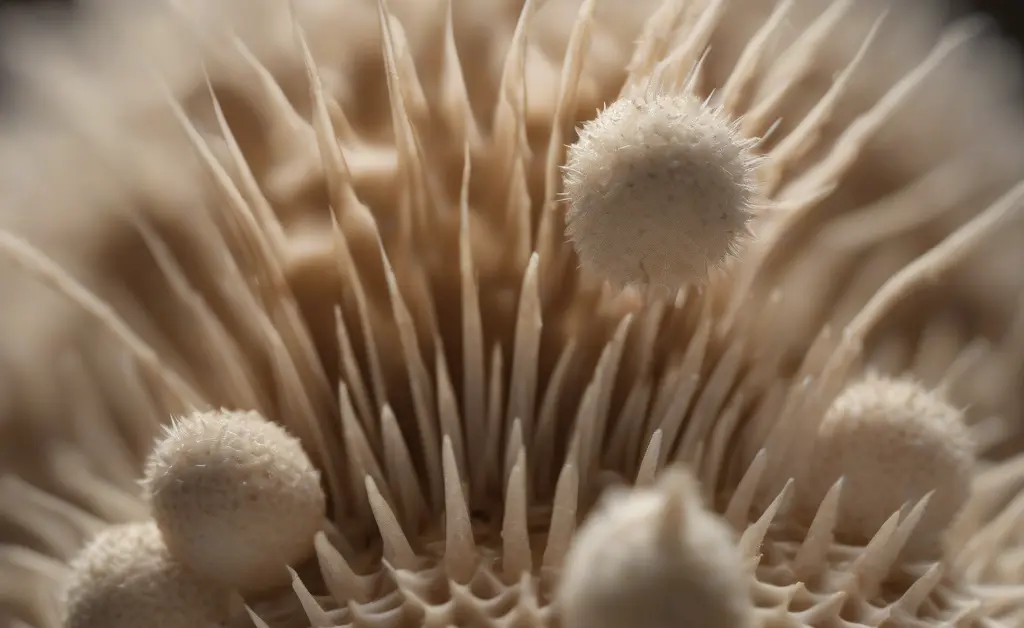
The individual spines that form the hedgehog mushroom teeth are conical or cylindrical in shape, tapering to a point. They are typically short, often ranging from just a few millimeters to about half a centimeter in length. These spines are covered with basidia, which are microscopic, club-shaped cells responsible for producing and releasing spores. This structural design efficiently maximizes the spore-bearing surface, aiding in the mushroom’s reproductive cycle. When mature, the spores are released from these spines and carried by air currents to new locations, facilitating the spread of the species.
Appearance and Texture of Hedgehog Mushroom Teeth
The appearance of hedgehog mushroom teeth can vary slightly depending on the specific species and maturity of the fungus, but they generally share common traits. They are usually pale, often white, cream, or light buff in color, though some might have a slightly orange or yellowish tinge, especially as they age. Their texture is consistently soft and pliable, distinguishing them from the more rigid or woody structures found on some other fungi. When pressed or rubbed, these teeth often feel delicate and may even crumble or break off easily, which is a helpful characteristic for identification. Their soft, almost rubbery or fleshy consistency is a key tactile indicator for foragers.
Hedgehog mushroom teeth identification
Where are Hedgehog Mushroom Teeth Found?
When searching for hedgehog mushrooms, the primary location for observing their characteristic teeth is, as mentioned, on the underside of the cap. These tooth-like spines are a consistent feature across all true hedgehog mushroom species. They emerge directly from the cap’s tissue and hang freely, distinguishing them from the radial patterns of gills or the porous surfaces of polypores. For accurate identification, it is essential to gently turn the mushroom over and examine this specific area. The presence and morphology of these spines are critical cues for confirming its identity.
The Role of Teeth in Hedgehog Mushroom Identification
The presence of these distinct spine-like structures is arguably the most important feature for identifying hedgehog mushrooms. This unique morphology makes them relatively easy to distinguish from many other fungi, reducing the risk of misidentification. Foragers often rely on this single characteristic to confirm they have found a true hedgehog mushroom, especially given that other features like cap shape, stem, and color can sometimes vary within the species or among closely related ones. Observing the hedgehog mushroom teeth helps rule out many potentially poisonous look-alikes that possess gills or pores instead of spines.
Distinguishing Features: Hedgehog Mushroom Teeth vs. Other Structures
Understanding how hedgehog mushroom teeth differ from other common spore-bearing structures is fundamental for safe foraging. Many mushrooms have gills, which are blade-like structures, or pores, which are small holes. The soft, downward-hanging spines of the hedgehog mushroom are distinctly different from both. This clear distinction is a primary reason why these mushrooms are often considered beginner-friendly for foragers, as their identifying feature is so pronounced.
Hedgehog Mushroom Teeth vs. Gills
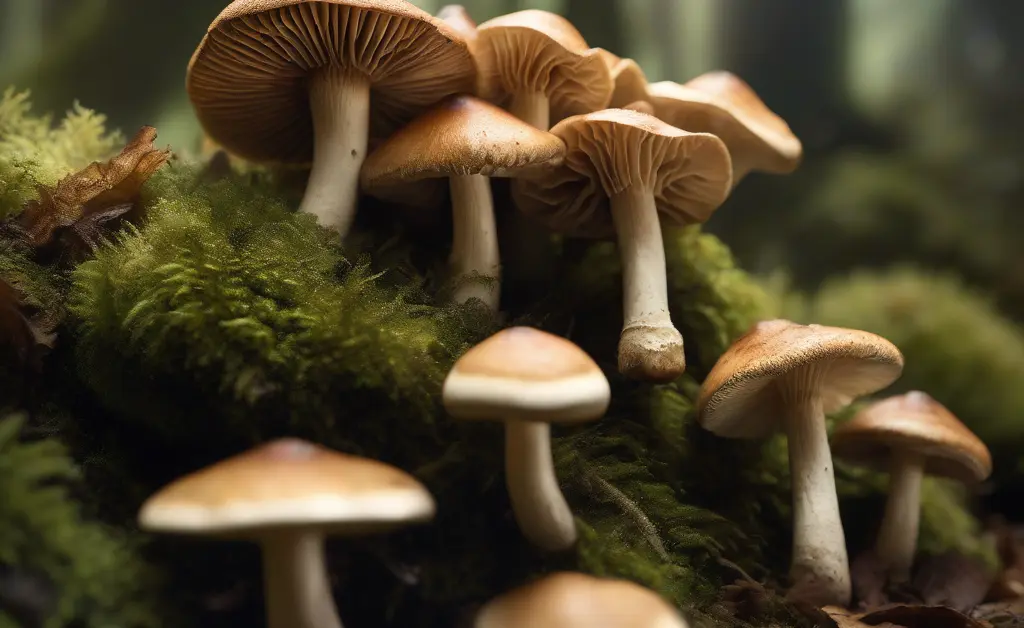
Gills are thin, plate-like structures arranged radially on the underside of a mushroom cap. They are typically firm and can be easily separated from each other. In contrast, hedgehog mushroom teeth are individual, soft, conical spines that hang freely. They do not form a connected, radial pattern like gills. If you see parallel, blade-like structures, you are not looking at a hedgehog mushroom. The distinction is visual and tactile: gills are usually more rigid and uniform, while the teeth are soft and separate.
Hedgehog Mushroom Teeth vs. Pores
Pores are tiny, often round or angular holes that make up the underside of polypore fungi. These pores lead to tubes where spores are produced. Unlike the distinct, hanging spines of hedgehog mushrooms, pores create a smooth or sponge-like surface. If the underside of the mushroom feels spongy or looks like it’s covered in minute holes, it is a bolete or a polypore, not a hedgehog mushroom. The absence of a porous surface and the presence of individual, hanging spines are key indicators.
Key Identification Marker for Hedgehog Mushrooms
Without a doubt, the presence of these distinctive spines is the definitive identification marker for hedgehog mushrooms. While features like cap color, stem, and growth habit can provide supporting clues, it is the unique arrangement of soft, brittle, tooth-like projections on the underside of the cap that confirms the species. Foragers are taught to check this feature first and foremost. If a mushroom lacks these spines, it is not a hedgehog mushroom, regardless of how similar its other characteristics might appear.
Avoiding Look-Alikes Using Teeth
The unique nature of hedgehog mushroom teeth provides an excellent defense against confusing them with potentially harmful species. Most poisonous mushrooms in temperate regions do not possess these spine-like structures. For instance, many toxic species have gills, and some have pores. By rigorously checking for the soft, detachable spines, foragers can confidently rule out many look-alikes. This singular, reliable feature greatly enhances the safety aspect of foraging for this edible and highly sought-after fungus. For guidance on identifying poisonous mushrooms, consult the NHS.
The hedgehog mushroom, with its distinctive ‘teeth,’ stands out as a uniquely identifiable and highly prized edible fungus. These soft, spine-like projections are not only a marvel of natural design, serving a vital role in the mushroom’s reproduction, but they are also the most critical feature for accurate identification. Understanding their anatomy, location, appearance, and how they differ from other fungal structures like gills and pores is paramount for both safety and successful foraging. By focusing on these characteristic hedgehog mushroom teeth, enthusiasts can confidently identify this delicious species, ensuring a safe and rewarding culinary experience while enjoying the bounty of the natural world.
This article aims to inform, not to replace professional healthcare advice. It provides general information about mushroom identification for educational purposes. Foraging for wild mushrooms carries inherent risks, and misidentification can lead to serious health consequences. Always consult with a qualified expert before consuming any wild mushroom and never rely solely on online resources for identification.
FAQ
What do hedgehog mushroom teeth look like?
Hedgehog mushroom teeth are small, downward-pointing spines or projections that hang from the underside of the mushroom’s cap. They are typically short and stubby, resembling the spines of a hedgehog, and can range in color from white to yellowish or light tan.
Are hedgehog mushrooms the only mushrooms with teeth?
No, hedgehog mushrooms are not the only fungi to exhibit teeth; other mushroom genera, such as Hydnum and Bankera, also possess these unique spore-bearing structures. This characteristic of having teeth instead of gills or pores is a defining feature for several distinct groups within the fungal kingdom.
Why do hedgehog mushrooms have teeth?
The teeth on hedgehog mushrooms serve the same primary function as gills or pores in other mushroom species: to produce and disperse spores for reproduction. This specialized morphology is an evolutionary adaptation that allows for efficient spore release into the environment, contributing to the species’ propagation.
Where are the teeth located on a hedgehog mushroom?
The teeth of a hedgehog mushroom are found on the underside of its cap, extending downwards from the cap’s surface. They replace the typical gill structure seen in many other mushroom types and grow in dense clusters.
How can you differentiate hedgehog mushroom teeth from gills?
Hedgehog mushroom teeth are distinct from gills because they are fleshy, easily breakable spines that hang freely, whereas gills are thin, blade-like structures arranged radially. While both are involved in spore production, their physical form and texture are quite different, making them easy to distinguish upon close inspection.