
A Forager’s Guide to Hedgehog Mushroom Look-Alikes
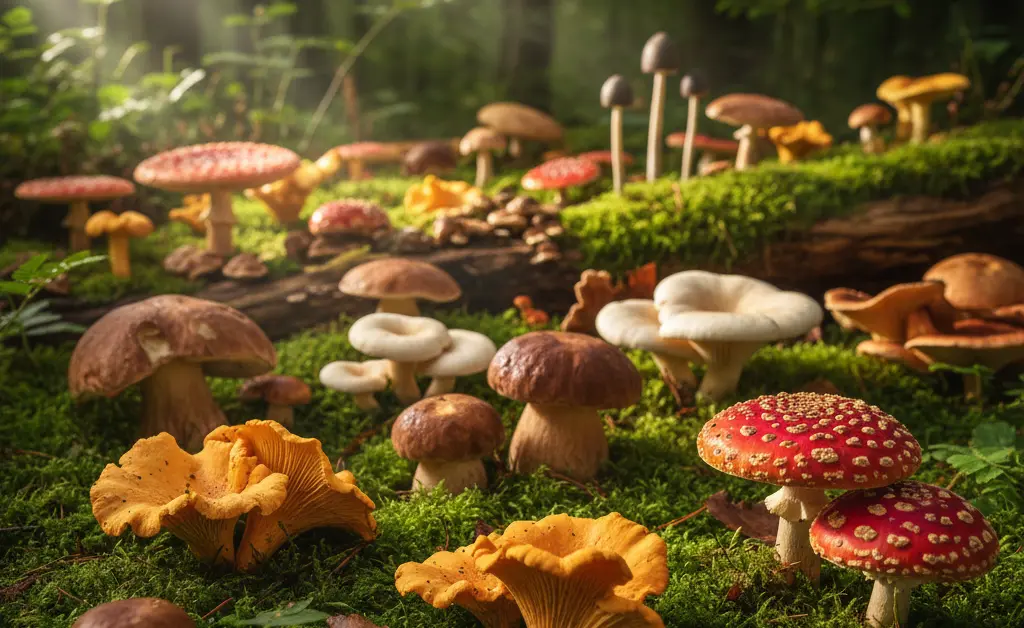
There’s a unique satisfaction that comes with confidently identifying edible wild mushrooms, bringing a sense of accomplishment and culinary promise to your kitchen. However, the world of fungi is vast and sometimes deceptive, making accurate identification crucial for every forager. Ensuring you can differentiate your finds with certainty is key to a safe and enjoyable foraging journey. This guide aims to empower you with the knowledge needed to confidently distinguish true hedgehog mushrooms from their various look-alikes. Understanding the subtle differences between edible species and their less desirable counterparts ensures peace of mind and enriches your foraging experience. Delving into the characteristics that define genuine hedgehog mushrooms and carefully examining common hedgehog mushroom look alikes will help you navigate the forest floor with greater assurance.
Hedgehog Mushroom Look Alikes: Identifying and Avoiding
What are hedgehog mushroom lookalikes?
Hedgehog mushroom look alikes refer to various other fungal species that share superficial resemblances to the true hedgehog mushroom (typically Hydnum repandum or closely related Hydnum species). These similarities can include aspects like cap color, shape, or general growth habit, leading to potential confusion for less experienced foragers. Accurate mushroom identification is crucial because mistaking an edible mushroom for an unpalatable or even toxic one can have consequences. Therefore, understanding the distinct features that set true hedgehog mushrooms apart from other fungi is a fundamental skill for safe foraging. Foragers should always verify the presence of soft, brittle teeth that run down the stem before concluding you have found a hedgehog mushroom.
Are there any toxic hedgehog lookalikes?
Fortunately, there are no known deadly toxic fungi that are considered direct hedgehog mushroom look alikes. However, some species might cause mild gastrointestinal upset if consumed, or they may simply be unpalatable due to a bitter taste or tough texture. The primary concern with lookalikes often stems from confusing an edible species with one that is merely unpleasant or inedible, rather than overtly poisonous. Foragers should always exercise caution and ensure positive identification before consuming any wild mushroom. While many species might share some characteristics, the unique underside of the hedgehog mushroom is a key identifier that helps prevent severe misidentification. Visit NHS for general health information.
Distinguishing from False Hedgehog Mushrooms
The term “false hedgehog mushroom” sometimes refers to certain species within the Hydnellum genus, such as Hydnellum peckii. While these fungi also possess teeth-like structures on their undersides, they are generally quite distinct from true hedgehog mushrooms. False hedgehogs often have a much tougher, woodier texture, and their colors can range from reddish-brown to dark purple, sometimes exuding red liquid when young, giving them the common name “bleeding tooth fungus.” True hedgehog mushrooms, by contrast, have more brittle flesh and are typically paler, often creamy white, tan, or yellowish. The teeth of true hedgehogs are also more easily detached and less rigid than those of many false hedgehog species. Careful observation of overall form, texture, color, and the nature of the teeth is essential for differentiation.
Other Fungi Potentially Mistaken for Hedgehogs
Beyond the “false hedgehogs,” other fungi might, at a quick glance, cause some confusion, though closer inspection usually reveals clear differences. For instance, some gilled mushrooms might have irregular or decurrent gills that could be superficially mistaken for teeth, especially if observed in poor lighting or by an inexperienced eye. However, true gills are distinct laminar structures, whereas hedgehog mushrooms feature soft, easily broken spines. Additionally, other types of toothed fungi exist, but they often differ significantly in cap shape, color, or growth habit. For example, some crust fungi have a toothed undersurface but grow as a flat crust on wood rather than forming a distinct mushroom cap and stem. A thorough examination of all identifying characteristics is key to safe mushroom identification.
Common Hedgehog Mushroom Look-Alikes to Know
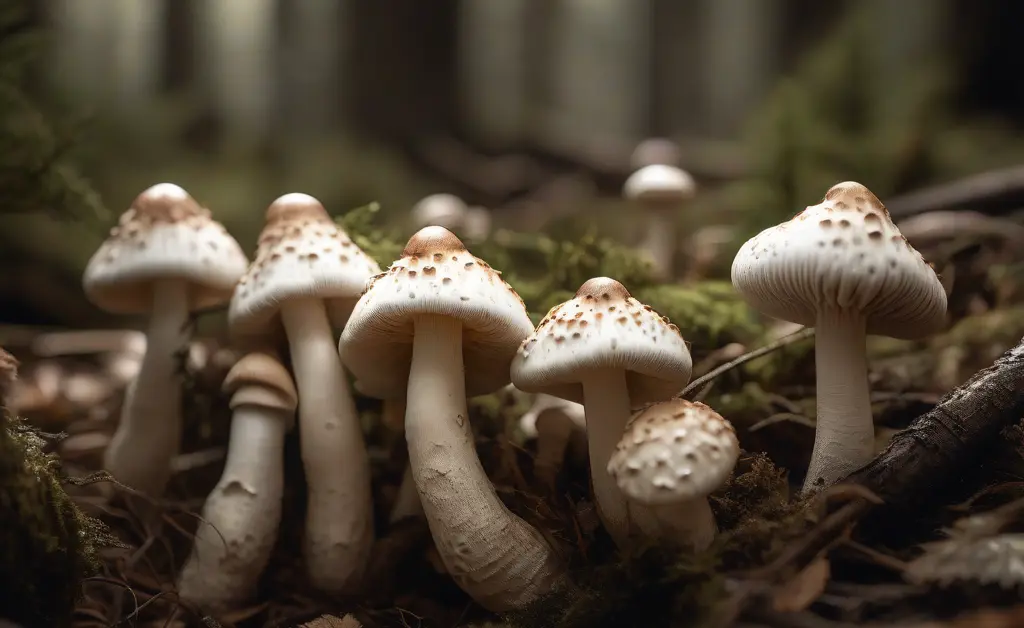
White hedgehog mushroom look alikes
When searching for white hedgehog mushroom look alikes, foragers might encounter species that share a similar pale coloration but differ in other crucial aspects. Some varieties of gilled mushrooms, especially those with white caps and stems, could be mistakenly identified from a distance. However, upon closer inspection, the distinct gilled underside would immediately differentiate them from the spine-bearing hedgehog mushroom. Another potential source of confusion could be other white-capped fungi that grow in similar habitats. The unique spines under the cap of the true hedgehog mushroom remain the most reliable feature to prevent misidentification when encountering white-colored fungi.
Yellow hedgehog mushroom look alikes
Yellow hedgehog mushroom look alikes typically include species that exhibit a yellowish to orange hue on their caps. Some varieties of chanterelles (genus Cantharellus) might be fleetingly considered due to their similar color profile and sometimes wavy cap margins. However, chanterelles possess false gills (folds in the cap underside) rather than true spines or easily detachable teeth. Other toothed fungi, such as certain species of Sarcodon, can also present with yellowish tones, but they often have a tougher texture and different growth patterns or ecological associations. Always verify the presence of soft, brittle teeth that run down the stem before concluding you have found a hedgehog mushroom.
Brown hedgehog mushroom look alikes
Brown hedgehog mushroom look alikes encompass a range of fungi with brownish caps that could lead to confusion for the uninitiated. This group is quite diverse and can include various species of gilled mushrooms, some boletes, or other toothed fungi. For example, certain brown-capped gilled mushrooms might grow in similar woodland environments, making a quick identification error possible. Boletes, while possessing pores rather than gills or teeth, sometimes have a cap shape that could be superficially similar. When evaluating brown hedgehog mushroom look alikes, paying close attention to the underside of the cap is paramount. The presence of true spines that extend down the stem, along with the mushroom’s overall brittle texture, are vital distinguishing characteristics.
Key Features for Identifying Hedgehog Mushrooms

Understanding true hedgehog mushrooms hinges on recognizing their distinct characteristics. What are the key identification features of a hedgehog mushroom? The cap of a hedgehog mushroom is typically irregular, convex to flattened, and often lobed or wavy at the margin. Its color can range from creamy white to yellowish, tan, or light orange-brown, and the surface is usually dry and somewhat velvety or scaly. However, the most definitive feature lies on its unique underside. Instead of gills or pores, the hedgehog mushroom boasts soft, brittle, tooth-like spines or “teeth” that are easily detached. These spines are typically pale, matching the cap or slightly lighter, and extend somewhat down the stem. This “spiny” underside is a crucial identifier that helps differentiate it from most other mushrooms. The stem, or stipe, is usually off-center or centrally attached, relatively stout, and generally the same color as the cap or lighter. The flesh is firm but brittle, breaking cleanly, and is typically white or cream-colored, though it may stain slightly orange or brown upon cutting or bruising. Safe practices for foraging hedgehog mushrooms always involve verifying all these features to ensure accurate identification and to avoid hedgehog mushroom look alikes.
The journey of mushroom foraging is deeply rewarding, offering both a connection to nature and culinary delights. By thoroughly understanding the distinct characteristics of the hedgehog mushroom and diligently learning to identify its various look-alikes, foragers can approach the woods with greater confidence and safety. Always remember that careful observation of all features—cap, underside, stem, and flesh—is essential for accurate identification. This knowledge not only enhances your foraging success but also ensures a peaceful and secure experience in the wild. For more in-depth information on identifying hedgehog mushrooms, consult hedgehog mushroom identification.
The information in this article is intended for knowledge purposes only. It is not a substitute for professional guidance or hands-on identification by an expert. Wild mushroom foraging carries inherent risks, and misidentification can lead to adverse effects. Always consult with a knowledgeable mycologist or participate in local foraging groups for proper identification training before consuming any wild fungi. The content provided should not be used as a basis for medical advice, diagnosis, or treatment.
FAQ
Are there any toxic look-alikes for hedgehog mushrooms?
There are indeed several fungi that share superficial similarities with hedgehog mushrooms, and some of these can be toxic. Identifying mushrooms requires careful attention to distinctive features to ensure safety. Consulting with an experienced mycologist or using reliable identification guides is crucial when foraging.
How can you differentiate a hedgehog mushroom from other species?
Hedgehog mushrooms are primarily distinguished by their unique undersides, which feature tooth-like or spine-like projections instead of gills or pores. These “teeth” are typically fleshy and blunt, and they easily break off when the mushroom is handled. Their caps are often funnel-shaped and can range in color from pale yellow to orange or tan.
What mushrooms are commonly mistaken for hedgehog mushrooms?
Some species of *Hydnum*, like the Bearded Tooth mushroom (*Hericium* spp.), may be mistaken for hedgehog mushrooms due to their toothed undersides, though *Hericium* typically grows in larger, cascading clusters on wood. Certain *Craterellus* species, such as the Golden Chanterelle, can sometimes be confused due to their coloration and fleshy texture, although chanterelles have gill-like folds.
Is it safe to eat all mushrooms that resemble hedgehog mushrooms?
No, it is not safe to assume that all mushrooms resembling hedgehog mushrooms are edible. Misidentification can lead to consuming toxic species, which can cause a range of adverse health effects. Always be absolutely certain of a mushroom’s identification before considering it for consumption.