
A Forager’s Guide to Washington’s Edible Mushrooms
Many people are fascinated by the bounty that nature offers, especially when it comes to wild edibles. Washington State, with its diverse ecosystems ranging from lush rainforests to high desert, provides a remarkable habitat for a wide array of fungal species. This natural richness makes it a prime location for those interested in foraging. This guide aims to explore the fascinating world of edible mushrooms Washington, offering insights into identification, foraging tips, and where to find these culinary treasures. Whether you’re a seasoned mycophile or a curious beginner, understanding the local varieties can lead to rewarding culinary experiences.
Wild Edible Mushrooms of Washington State
Washington State boasts an incredible diversity of wild edible mushrooms, drawing foragers from across the region. The state’s varied climate and geography, from the damp Olympic Peninsula to the drier eastern forests, create ideal conditions for numerous species to thrive. Understanding the specific habitats and seasons is key to successful foraging for wild edible mushrooms Washington. The broader context of edible mushrooms USA offers a diverse range of species across different states. Each species has its own unique characteristics, making careful identification paramount for both safety and enjoyment.
Commonly Found Chanterelles
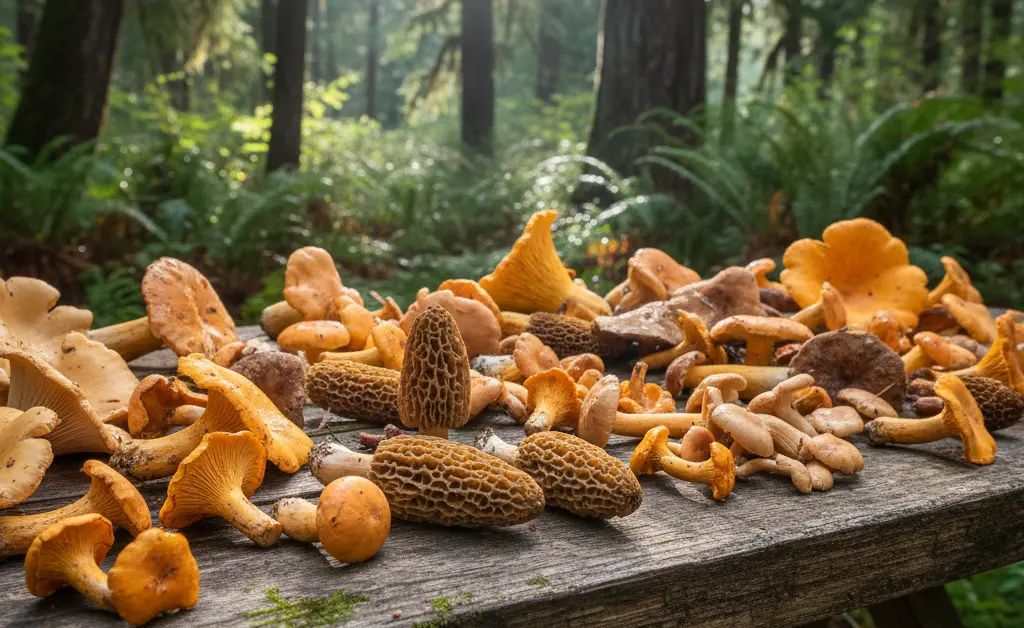
Chanterelles are among the most sought-after edible mushrooms, prized for their fruity aroma and peppery taste. In Washington, several species of chanterelles can be found, primarily the Pacific Golden Chanterelle (Cantharellus formosus). These vibrant, trumpet-shaped fungi often grow in mossy conifer forests, especially under Douglas fir and hemlock trees. They typically appear from late summer through fall, often persisting into early winter in milder climates. Key identification features include false gills that run down the stem, a firm texture, and a distinctive apricot-like scent.
The Elusive Morel
Morels are another highly prized edible mushroom, known for their distinct honeycomb-like caps and earthy flavor. While often considered elusive, certain conditions favor their appearance. In Washington, morels are typically found in spring, often in disturbed areas such as recently burned forests, clear-cuts, or around dying elm trees. Their unique, pitted cap and hollow stem are important identifiers. Due to their specific growth requirements and short season, finding morels can be a rewarding challenge for any forager.
Lobster Mushrooms: A Unique Find
Lobster mushrooms (Hypomyces lactifluorum) are not a single mushroom species but rather a parasitic fungus that transforms certain other fungi, most commonly Russula and Lactarius species, into a vibrant orange, firm, and seafood-flavored delight. This transformation gives them their distinctive appearance and their common name. They are typically found in coniferous and mixed forests during late summer and fall. Their bright orange color and irregular shape make them relatively easy to spot, but it is important to understand their host relationship to ensure proper identification.
Porcini (King Bolete) Varieties
Porcini, also known as King Boletes (Boletus edulis and related species), are highly esteemed edible mushrooms with a robust, nutty flavor and a meaty texture. In Washington, these fungi can be found in various forest types, often forming mycorrhizal associations with conifers like pine, spruce, and fir, as well as deciduous trees such as oak. They are characterized by their thick, bulbous stems, brown caps, and a spongy pore layer instead of gills underneath the cap. Different varieties may appear at different times throughout late summer and fall, offering a rich harvest for those who know where to look.
Edible Mushroom Species in Washington
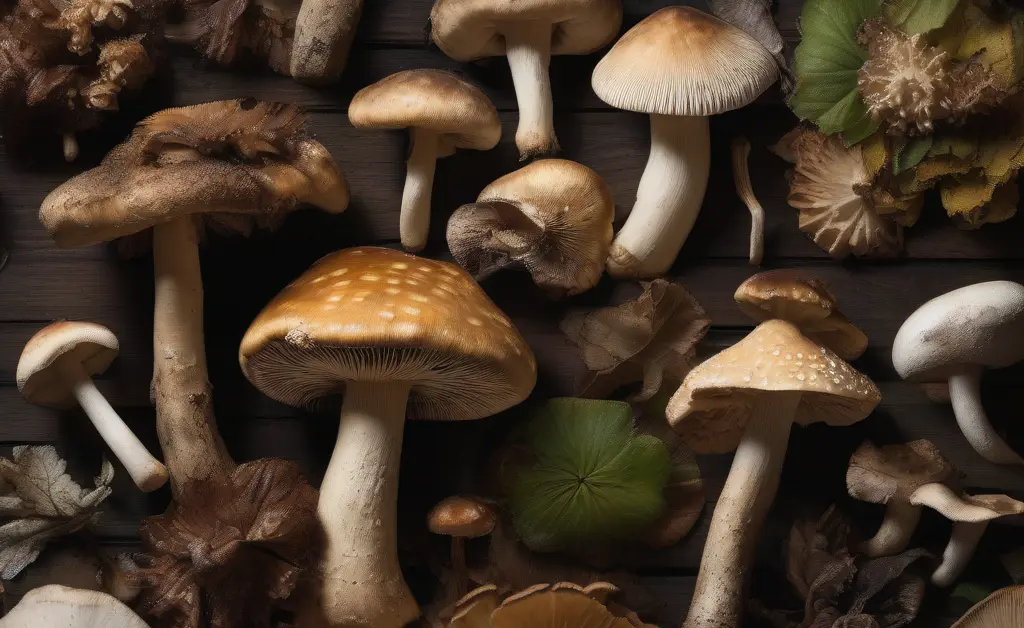
Beyond the well-known varieties, Washington State is home to numerous other edible mushroom species that offer unique culinary experiences. Exploring these options can broaden a forager’s repertoire and deepen their appreciation for the state’s mycological richness. Many of these edible mushrooms Washington are abundant and offer distinct flavors and textures, making them excellent additions to various dishes.
Oyster Mushrooms: Easy to Identify
Oyster mushrooms (Pleurotus ostreatus and related species) are popular edibles known for their delicate flavor and velvety texture. They are relatively easy to identify due to their distinctive oyster-shell shape, growth in shelf-like clusters on dead or dying deciduous trees (and sometimes conifers), and white to lilac-gray gills that run down a short or absent stem. In Washington, they can be found throughout the year in suitable conditions, often thriving in cooler, moist weather. Their distinctive appearance and habitat make them a good choice for beginners once proper identification techniques are learned.
Other Notable Edible Species
Washington’s forests also host a variety of other noteworthy edible mushrooms. These include the Hedgehog mushroom (Hydnum repandum), recognized by its tooth-like spines instead of gills, offering a mild, nutty flavor. Matsutake (Tricholoma magnivelare) is another highly prized species, known for its spicy, aromatic scent and meaty texture, often found under conifers. Lion’s Mane (Hericium erinaceus), with its cascading spines, grows on hardwoods and has a texture and flavor reminiscent of seafood. Each of these species presents unique foraging opportunities and culinary possibilities, further enriching the experience of seeking edible mushrooms Washington. Similarly, regions like edible mushrooms East Texas present their own unique foraging landscapes and species.
Foraging for Edible Mushrooms in Washington
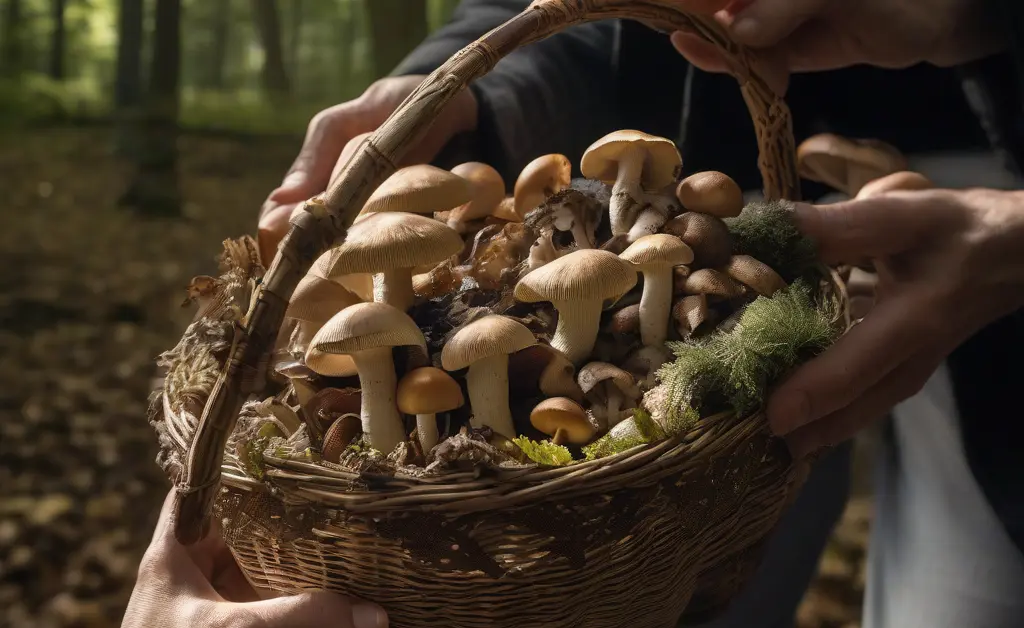
Foraging for edible mushrooms in Washington is a rewarding activity that connects enthusiasts with nature and provides delicious culinary treasures. However, it requires careful preparation, knowledge, and adherence to ethical practices. Understanding the best foraging seasons and locations is crucial; many species have specific windows for appearance. Equipped with essential foraging tools and gear, such as a basket, knife, and field guide, foragers can enhance their experience. Ethical foraging practices, including leaving no trace and harvesting sustainably, help preserve mushroom populations for future generations.
Successful foraging hinges on understanding mushroom habitats and key identification features. Different mushrooms prefer different types of forests, soil, and host trees. Learning to distinguish common edible mushrooms from poisonous look-alikes is perhaps the most critical skill. This includes being aware of “little brown mushrooms” (LBMs) which can be challenging, and other toxic species that may mimic edibles. The importance of expert identification cannot be overstated; if there is any doubt about a mushroom’s identity, it is best to err on the side of caution and not consume it. Knowing what to do if you suspect a poisonous mushroom exposure, such as seeking immediate medical attention and retaining a sample of the mushroom, is vital for safety. Global health organizations like the WHO provide comprehensive information on health risks, including those related to food safety and toxins.
Edible Mushroom Cultivation in Washington
For those who enjoy the flavors of edible mushrooms but prefer a more controlled environment or wish to ensure a consistent supply, cultivation offers an excellent alternative to foraging. Getting started with home cultivation in Washington is becoming increasingly accessible, allowing enthusiasts to grow their favorite fungi indoors or outdoors. This can be an engaging hobby and a way to reliably enjoy a variety of edible mushrooms Washington throughout the year. Enthusiasts in other states, such as those seeking edible mushrooms Kansas, might also consider cultivation for a consistent supply.
Cultivation often begins with choosing mushroom kits and substrates. Kits are available for various popular species like oyster mushrooms, lion’s mane, and shiitake, providing pre-inoculated blocks ready to fruit. More advanced cultivators may source spawn and prepare their own substrates, such as sawdust, straw, or logs, tailored to the specific needs of the mushroom species. Understanding optimal growing conditions is key to success, including maintaining appropriate temperature, humidity, and air exchange. With proper care, cultivating edible mushrooms can yield a consistent harvest, providing fresh, homegrown fungi for culinary use.
Where to Buy Edible Mushrooms in Washington
For those who prefer to purchase their edible mushrooms Washington rather than forage or cultivate, there are several reliable avenues to explore. Washington’s strong agricultural and local food scene supports various options for acquiring fresh, high-quality fungi, whether wild-harvested or cultivated. These sources provide a convenient way to enjoy the diverse flavors and textures of local mushrooms without the effort of seeking them in the wild. Foragers in other areas might look for edible mushrooms Maryland through similar local markets.
Local farmers markets are an excellent resource, especially during the peak mushroom seasons. Vendors often offer a selection of both wild-foraged and cultivated edible mushrooms, providing an opportunity to speak directly with the growers or foragers and learn about their products. Specialty grocery stores, particularly those focusing on natural or gourmet foods, frequently stock a wider variety of fresh and sometimes dried mushrooms, including less common types. Additionally, online retailers and local food delivery services are emerging options, offering convenience and access to a broader selection of edible mushrooms, often sourced directly from farms or reputable foragers within the state or region.
Washington State offers a rich and diverse world of edible mushrooms, whether one chooses to forage, cultivate, or purchase them. From the common chanterelle to the ease of cultivated oyster mushrooms, the opportunities to explore and enjoy these culinary delights are abundant. Regardless of the approach, understanding proper identification, ethical practices, and reliable sourcing ensures a safe and rewarding experience with the fascinating fungi of the Pacific Northwest.
This article aims to inform, not to replace professional healthcare advice. The information provided is for educational purposes only and should not be used for self-diagnosis or self-treatment. Always consult with a qualified healthcare professional for any health concerns or before making any decisions related to your health or treatment. Foraging for mushrooms carries inherent risks, and misidentification can lead to serious health consequences.
FAQ
What are the best edible mushrooms to find in Washington state?
Washington’s diverse ecosystems support a variety of delicious and sought-after edible mushrooms. Common finds include the flavorful Chanterelle, the meaty Morel, and the versatile Oyster mushroom, each offering unique culinary experiences. These fungi thrive in the state’s temperate rainforests and conifer forests, appearing after periods of rain.
Are there poisonous mushrooms in Washington that look like edible ones?
Yes, there are indeed poisonous mushrooms in Washington that can resemble edible varieties. Some look-alikes can cause severe illness, highlighting the critical importance of absolute certainty in identification. Always rely on expert knowledge or field guides when foraging to distinguish between safe and toxic species.
Where can I go mushroom foraging in Washington?
Mushroom foraging in Washington can be pursued in many of the state’s vast forested areas, including national forests and state lands, provided regulations are followed. Areas with ample rainfall and specific tree associations often yield the most abundant harvests. Responsible foraging practices ensure the sustainability of these fungal populations for future seasons.
Can I grow edible mushrooms at home in Washington?
Cultivating edible mushrooms at home in Washington is certainly feasible and can be a rewarding endeavor. Many popular varieties, such as Oyster mushrooms and Shiitake, can be grown indoors or outdoors using readily available kits or substrate. This allows for a consistent supply of fresh mushrooms regardless of the wild foraging season.