
A Forager’s Guide to Washington’s Edible Mushrooms
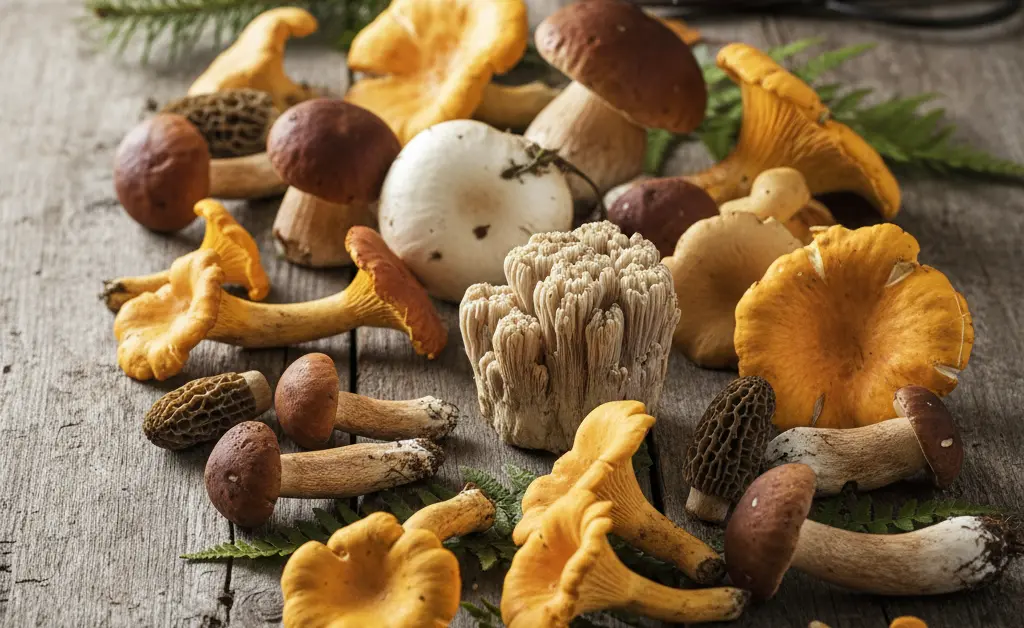
Just as a well-tended garden yields a variety of fruits and vegetables, the diverse ecosystems of Washington State offer a rich harvest of fungal delicacies for those who know where and how to look. From dense coniferous forests to coastal plains, the unique climate provides ideal conditions for a wide array of species. This guide serves as an essential resource for understanding the specific types of edible mushrooms Washington has to offer, and how to safely identify them. It explores not only the common and sought-after varieties but also delves into responsible foraging practices, cultivation opportunities, and reliable purchasing options. Whether you are a seasoned mycophile or a curious beginner, navigating the world of wild fungi requires careful knowledge and respect for nature.
Edible Mushroom Species in Washington
Washington State’s varied topography and climate create an ideal environment for numerous fungi, making it a prime location for discovering edible mushrooms. For those exploring edible mushrooms Washington offers a rich array of species, each with unique characteristics and preferred habitats. Understanding the distinct features of these fungi is the first step in successful identification and enjoyment. Beyond state borders, many regions across the country offer diverse opportunities for finding edible mushrooms in the USA.
Commonly Found Chanterelles
Chanterelles are among the most celebrated edible mushrooms, known for their distinctive trumpet or funnel shape and often vibrant golden or yellow-orange coloration. They typically grow on the ground in mossy areas of coniferous and mixed forests. Key identification features include their ridged undersides, which resemble gills but are actually folds, and a fruity aroma often described as apricot-like. They are highly prized for their delicate, peppery flavor and firm texture, making them a favorite for many culinary applications.
The Elusive Morel
Morels are highly sought after for their unique honeycomb-like cap and earthy, nutty flavor. These distinctive mushrooms are among the first to appear in spring, often found in disturbed areas, riparian zones, and after forest fires. Identifying the elusive morel involves recognizing its pitted, conical cap and hollow stem. However, it is crucial to distinguish true morels from false morels, which can be toxic. The importance of expert identification cannot be overstated when encountering these highly desirable fungi.
Lobster Mushrooms: A Unique Find
Lobster mushrooms are a fascinating example of fungal parasitism. This culinary delight is actually a host mushroom, usually a species of Russula or Lactarius, that has been infected by a parasitic fungus, Hypomyces lactifluorum. The parasite transforms the host into a vibrant orange-red, hard-shelled mushroom with a distinct seafood-like aroma and firm, dense flesh. They are typically found in coniferous forests and are easily recognizable by their color and texture, often appearing from mid to late summer.
Porcini (King Bolete) Varieties
Porcini, also known as King Boletes, are large, stately mushrooms with a thick stem and a broad, convex cap. They are revered for their rich, nutty, and savory flavor, often described as umami. Porcini varieties found in Washington typically grow in coniferous forests, forming mycorrhizal associations with trees. Key identification involves checking their spore print (olive-brown) and the fact that their pores do not stain blue when bruised, unlike some toxic bolete look-alikes. They are excellent for drying, which intensifies their flavor.
Oyster Mushrooms: Easy to Identify
Oyster mushrooms are characterized by their shelf-like or fan-shaped caps and short, off-center stems, often growing in clusters on decaying hardwood trees. Their colors can vary from white to gray, tan, or even pink. With distinct, decurrent gills that run down the stem, they are relatively easy to identify for beginners. Their mild flavor and tender texture make them versatile in cooking, and they are also popular for cultivation due to their adaptability.
Other Notable Edible Species
Beyond these well-known varieties, Washington State is home to many other edible fungi. These include species like Hedgehogs (known for their tooth-like spines instead of gills), Matsutake (prized for their spicy, aromatic scent), and Shaggy Manes (a common sight in grassy areas, which must be cooked quickly after picking). Each of these offers distinct flavors and foraging experiences. While not as universally popular as chanterelles or morels, they add to the diverse fungal tapestry available to experienced foragers.
Wild Edible Mushrooms of Washington State
Exploring the natural bounty of Washington State truly shines with its wild edible mushrooms, presenting bountiful opportunities for foragers. The unique ecosystems, from coastal rainforests to mountainous pine forests, provide diverse habitats for a wide range of species. Understanding mushroom habitats is crucial for successful foraging. Many edible varieties thrive in specific soil types, under certain tree species, or at particular elevations. Knowing when is the best season to find edible mushrooms in Washington is also key; for instance, morels appear in spring, while chanterelles and porcini are more prevalent in late summer and fall. Similarly, enthusiasts might explore the unique coastal ecosystems for edible mushrooms in Rhode Island.
Best Foraging Seasons and Locations vary significantly across the state. The western slopes of the Cascades, with their abundant rainfall and old-growth forests, are often productive for chanterelles and matsutake. Eastern Washington, particularly after spring rains, can yield morels in burned areas. Identifying edible mushrooms safely involves meticulous attention to detail. This includes observing Key Identification Features such as cap shape, gill attachment, stem characteristics, and spore print. Unfortunately, many common edible mushrooms have poisonous look-alikes, making education and caution paramount. For example, some toxic boletes can resemble porcini, and certain species like the deadly Death Cap (Amanita phalloides) can be mistaken for other edible varieties. If there is any doubt about a mushroom’s identity, it is always best to err on the side of caution and avoid consumption. The importance of expert identification, perhaps through a local mycological society or an experienced guide, cannot be stressed enough, especially when encountering poisonous mushrooms in Washington State. Knowing what to do if you suspect a poisonous mushroom exposure, such as seeking immediate medical attention and retaining a sample of the mushroom, is vital for safety. For global health guidelines and information on emergency care, resources from the WHO are invaluable.
Foraging for Edible Mushrooms in Washington
Embarking on the journey of foraging for edible mushrooms Washington provides requires a blend of enthusiasm and meticulous preparation. Ethical Foraging Practices are fundamental to ensure sustainability and preserve these natural resources for future generations. This means harvesting only what you need, minimizing disturbance to the ecosystem, and never over-picking in a single area. It’s also important to be aware of land ownership and any necessary permits before venturing out.
Essential Foraging Tools and Gear typically include a good quality field guide specific to Washington’s fungi, a durable basket or mesh bag for spore dispersal, a sharp knife for clean cuts, and sturdy hiking boots. A compass or GPS device is also advisable for navigation, as productive mushroom patches can be in remote areas. Developing an eye for Key Identification Features is paramount. This involves careful observation of the mushroom’s cap, gills or pores, stem, and any unique markings or odors. It’s crucial to be aware of Common Edible vs. Poisonous Look-alikes. Many delicious edible species have toxic counterparts that can cause severe illness or even be deadly. Always cross-reference multiple identification points and, if in doubt, throw it out. The Importance of Expert Identification cannot be overstated; joining a local mycological society or attending guided forays can provide invaluable hands-on learning and verification from experienced mycologists. In the unfortunate event that you or someone you know consumes a suspicious mushroom, knowing What to Do if You Suspect a Poisonous Mushroom is critical. This typically involves seeking immediate medical attention, collecting a sample of the mushroom for identification, and not inducing vomiting unless advised by medical professionals.
Edible Mushroom Cultivation in Washington
Beyond wild foraging, many enthusiasts are discovering the rewarding practice of edible mushroom cultivation in Washington, bringing gourmet varieties directly to their homes. Getting Started with Home Cultivation can be a simple or complex endeavor, depending on the chosen species and desired scale. For beginners, using pre-inoculated mushroom kits is an excellent way to learn the basics without extensive setup. These kits typically come with a substrate already colonized by mushroom mycelium and require minimal care, often just regular misting, to produce flushes of mushrooms.
Choosing Mushroom Kits and Substrates wisely is key to success. Different mushroom species thrive on different materials. For example, oyster mushrooms grow well on straw or sawdust, while shiitake prefer hardwood logs or sawdust blocks. Retailers offer a variety of kits, including those for oyster, shiitake, lion’s mane, and even some types of reishi. For more advanced cultivators, understanding Optimal Growing Conditions involves controlling factors such as temperature, humidity, light, and fresh air exchange. A sterile environment is also often necessary to prevent contamination by other fungi or bacteria. Cultivating mushrooms at home offers a consistent supply of fresh edible mushrooms Washington residents can enjoy, regardless of the foraging season, and provides a fascinating insight into the fungal life cycle. While geographically distinct, some exotic varieties cultivated can also be found as wild edible mushrooms in Hawaii.
Where to Buy Edible Mushrooms in Washington
For those who prefer not to forage or cultivate, there are several reliable avenues for purchasing edible mushrooms in Washington. This ensures access to fresh, high-quality fungi without the need for extensive knowledge or effort in identification. These options cater to various preferences, from supporting local growers to finding specialty varieties.
Local Farmers Markets are an excellent resource for seasonal, freshly harvested mushrooms. Many local foragers and small-scale cultivators sell their finds directly to consumers at these markets. This provides an opportunity to purchase unique regional varieties and often allows for direct conversation with the seller about the origin and freshness of the mushrooms. Prices and availability can vary based on the season and harvest.
Specialty Grocery Stores often carry a wider selection of both cultivated and sometimes wild-foraged mushrooms. Stores focusing on gourmet or organic produce are more likely to stock varieties beyond the common button and cremini mushrooms, such as oyster, shiitake, crimini, and sometimes seasonal chanterelles or morels. These stores prioritize quality and often have knowledgeable staff who can offer advice on preparation. For those on the East Coast, similar specialty stores often offer locally sourced edible mushrooms in Maryland.
Online Retailers have expanded options for purchasing edible mushrooms. Many dedicated mushroom suppliers and gourmet food websites offer fresh, dried, or even powdered mushroom products that can be shipped directly to your door. This is particularly useful for finding less common varieties or for purchasing in bulk. When buying online, it’s advisable to check reviews and ensure the retailer has a good reputation for fresh, properly stored products to guarantee quality upon arrival.
The vast and verdant landscapes of Washington State truly are a treasure trove for mushroom enthusiasts. Whether you choose to venture into the wild, cultivate your own at home, or source them from local markets and specialty stores, the world of fungi offers an abundance of culinary delights. Responsible engagement with these organisms, through careful identification, ethical foraging, or informed purchasing, ensures that this rich resource remains available for all to appreciate. The journey into understanding edible mushrooms is a continuous learning experience, offering both flavor and connection to nature.
The content provided in this article is intended for informational learning, not clinical application. This information should not be used as a substitute for professional advice or treatment. Always consult with qualified experts for any health or medical concerns. The safe identification and consumption of wild mushrooms require extensive knowledge and should only be undertaken by experienced individuals or under the guidance of a professional mycologist.
FAQ
What are the best edible mushrooms to find in Washington state?
Washington’s diverse ecosystems support a variety of delicious edible mushrooms, with popular choices including the King Bolete (Porcini), Chanterelles, Morel mushrooms, and Oyster mushrooms. These fungi thrive in the region’s forests, particularly after rainy periods, offering a rewarding foraging experience for those knowledgeable about their identification.
Are there poisonous mushrooms in Washington that look like edible ones?
Yes, Washington hosts several species of poisonous mushrooms that can be mistaken for their edible counterparts, underscoring the critical importance of accurate identification. Familiarizing oneself with both edible and toxic varieties, and consulting with experienced foragers or reliable field guides, is essential for safety.
Where can I go mushroom foraging in Washington?
Foraging for edible mushrooms in Washington is often best pursued in the state’s numerous national forests and state parks, which provide suitable habitats for many species. Open areas on public lands can be excellent locations, though it’s important to be aware of any specific regulations or permit requirements that may apply to harvesting in certain areas.
Can I grow edible mushrooms at home in Washington?
Cultivating edible mushrooms at home in Washington is a feasible and popular endeavor, with kits and spawn readily available for varieties like oyster, shiitake, and lion’s mane. These fungi can be grown indoors or outdoors in suitable conditions, allowing individuals to enjoy a fresh harvest year-round.