
Navigating Enoki Mushrooms with Chronic Kidney Disease
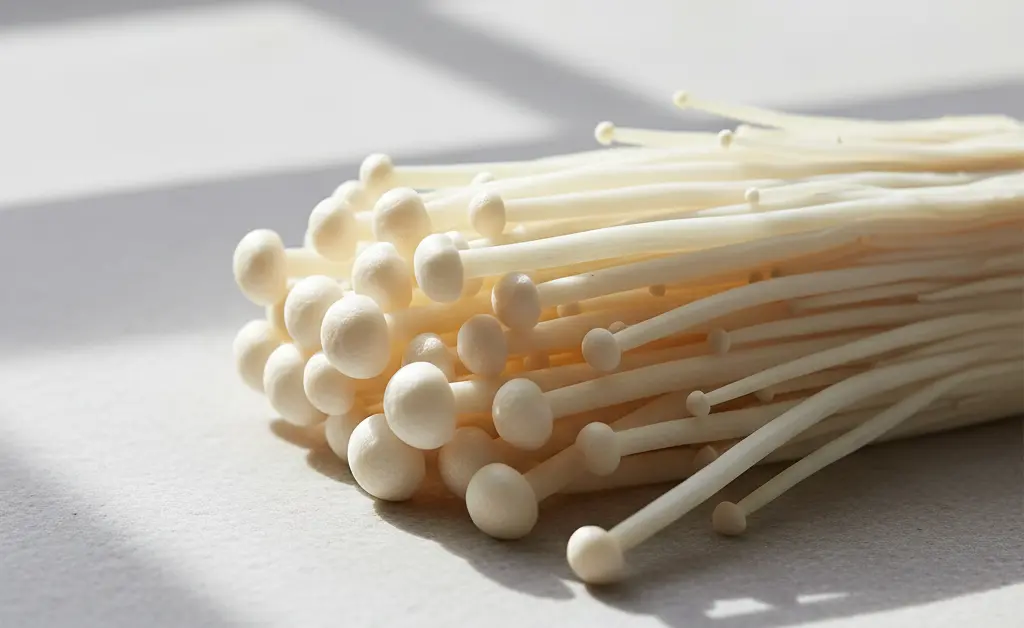
For individuals managing chronic kidney disease (CKD), dietary choices play a crucial role in maintaining health and slowing disease progression. Incorporating a variety of nutritious foods is essential, and for many, the question arises about specific ingredients. Enoki mushrooms, known for their delicate texture and mild flavor, can be a flavorful addition to meals, but their suitability for a CKD diet requires careful consideration. Understanding the nutritional profile of enoki mushrooms, particularly their potassium, phosphorus, and sodium content, is key to determining how they can be safely and beneficially integrated into a kidney-friendly eating plan. This guide will explore the nuances of enjoying enoki mushrooms while prioritizing kidney health.
Understanding Enoki Mushrooms and CKD
Enoki mushrooms, with their long, slender stems and small caps, are a popular ingredient in many Asian cuisines. When considering them for a diet tailored to chronic kidney disease, it’s essential to look beyond their culinary appeal and evaluate their nutritional impact. The primary goal of a CKD diet is to limit the intake of certain minerals that the kidneys can no longer filter effectively, which can otherwise build up in the blood and cause complications. It’s worth noting that other mushrooms, such as those offering wood ear mushroom benefits, also present diverse nutritional profiles worth exploring.
Is Enoki Mushroom Safe for CKD?
The safety of enoki mushrooms for someone with CKD is not a simple yes or no answer. It depends heavily on the individual’s specific stage of kidney disease, their current blood test results (especially potassium and phosphorus levels), and their overall dietary plan. For some, particularly in the earlier stages of CKD or with well-managed mineral levels, small amounts of enoki mushrooms may be permissible. However, for those on stricter restrictions, they might need to be limited or avoided altogether.
How Enoki Mushrooms Fit into a Kidney-Friendly Diet
If deemed appropriate by a healthcare professional, enoki mushrooms can fit into a kidney-friendly diet as a way to add flavor and texture without relying on high-sodium ingredients. They are naturally very low in sodium, which is a significant advantage for managing blood pressure and fluid balance in CKD. Their primary contribution to a meal is often as a garnish or a minor component in a mixed dish, which helps in naturally controlling portion sizes.
Nutritional Aspects of Enoki Mushrooms for CKD Patients
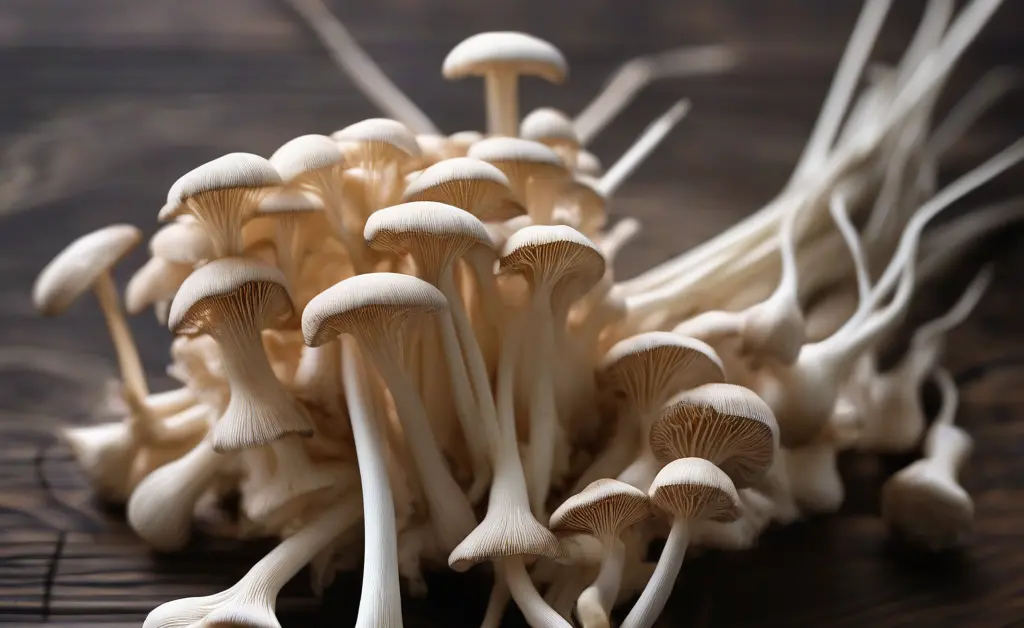
A detailed look at the nutritional profile of enoki mushrooms is necessary to understand their place in a renal diet. For CKD patients, the focus is almost always on three key minerals: potassium, phosphorus, and sodium. While enoki mushrooms offer some benefits, their mineral content requires careful management. Certain varieties of fungi, for instance, are even studied for their effects as wood ear mushroom blood thinner, which highlights the diverse biochemical properties across the mushroom kingdom.
Potassium Content in Enoki Mushrooms
Enoki mushrooms are a source of potassium. For individuals with advanced CKD, the kidneys’ ability to remove excess potassium from the blood is compromised, which can lead to a dangerous condition called hyperkalemia. Therefore, the potassium content in any food, including enoki mushrooms, must be carefully considered. The amount consumed is critical; even a moderate-potassium food can contribute significantly to daily intake if eaten in large quantities.
Phosphorus and Sodium Levels in Enoki Mushrooms
Regarding phosphorus, enoki mushrooms contain this mineral, but generally less than protein-rich foods like meat or dairy. However, phosphorus intake must still be tracked, as damaged kidneys struggle to filter it. It’s important to remember that phosphorus from plant sources is typically less absorbed by the body than phosphorus from animal products or additives. On a positive note, enoki mushrooms are naturally very low in sodium, making them a favorable choice for flavor enhancement without adding to the sodium burden, which is critical for managing hypertension and fluid retention in CKD.
Potassium Concerns with Enoki Mushrooms and CKD

The main dietary challenge with enoki mushrooms for those with CKD is their potassium content. As kidney function declines, the body’s ability to regulate potassium levels diminishes. Consuming too many potassium-rich foods can disrupt the delicate balance needed for proper heart and muscle function. Therefore, anyone considering adding enoki mushroom for ckd management must be vigilant about their potassium intake.
Strategies for Managing Potassium Intake from Enoki
If your healthcare provider has approved the inclusion of enoki mushrooms in your diet, certain strategies may help manage potassium intake. One common technique for some vegetables is leaching, which involves boiling them in a large amount of water and then discarding the water. This process can help reduce the potassium content. Additionally, incorporating enoki mushrooms in very small, measured portions as part of a larger dish with low-potassium ingredients is a key strategy. This ensures you can enjoy the flavor without significantly impacting your daily potassium limits.
Safe Consumption Guidelines for Enoki Mushrooms with CKD
Adhering to safe consumption guidelines is paramount when incorporating any new food into a renal diet. For enoki mushrooms, this means focusing on portion control and mindful preparation to align with the strict dietary requirements of managing kidney disease. It’s not just about what you eat, but also how much and how it’s cooked.
Recommended Portion Sizes for CKD Patients
Portion size is the most critical factor. Instead of making enoki mushrooms a central part of a meal, they should be used as a minor ingredient or garnish. A small handful added to a stir-fry, soup, or omelet is very different from consuming a large bowl of them. The appropriate portion size is highly individual and should be determined in consultation with a renal dietitian who can assess your specific nutritional needs and restrictions. Thinking of the role of enoki mushroom good for kidney health as a flavor accent rather than a main component is a helpful approach.
Preparation Tips to Optimize Enoki for Kidney Health
How you prepare enoki mushrooms can make a significant difference.
- Avoid adding high-sodium sauces like soy sauce, oyster sauce, or pre-packaged broths. Instead, use kidney-friendly flavorings like garlic, onion, herbs, and spices.
- Sautéing them with a small amount of unsalted butter or approved oil is a good method.
- As mentioned, boiling enoki mushrooms and discarding the water may help reduce some of their potassium content.
- Always cook enoki mushrooms thoroughly to ensure they are safe for consumption and easy to digest. Raw mushrooms should generally be avoided.
Other Nutritional Aspects and Potential Benefits for CKD

Beyond the minerals of concern, enoki mushrooms contain other nutritional compounds. They are a source of dietary fiber, which can support digestive health and contribute to a feeling of fullness. Beyond their mineral profile, studies often highlight the role of enoki mushrooms and stomach health, particularly due to their fiber content. They also contain antioxidants, which are compounds that help protect the body’s cells from damage. While these aspects are beneficial for general wellness, they do not override the primary concern of managing potassium and phosphorus intake for kidney health. The discussion around using enoki mushroom for ckd should always prioritize mineral management above these secondary benefits.
When to Consult a Healthcare Professional
Making any changes to your diet when you have chronic kidney disease requires professional guidance. It is crucial to consult with your nephrologist or a registered dietitian who specializes in renal nutrition before adding enoki mushrooms or any new food to your eating plan. They can provide individualized advice based on your stage of CKD, recent lab results, and overall health status. A dietitian can help you understand how to safely incorporate foods like enoki mushroom for ckd by fitting them into your specific daily limits for potassium, phosphorus, sodium, and protein. Reputable sources like the NCBI provide extensive research on dietary impacts on health conditions.
In conclusion, enoki mushrooms can be a flavorful, low-sodium addition to some kidney-friendly diets, but they must be approached with caution. Their potassium content requires strict portion control and mindful preparation. The decision to include them should never be made in isolation but as part of a comprehensive dietary plan overseen by a healthcare team. By working with a renal dietitian, individuals with CKD can learn how to safely enjoy a variety of foods, potentially including enoki mushrooms, without compromising their kidney health.
The content presented here is not a substitute for professional medical guidance. The information provided in this article is for educational purposes only and should not be interpreted as medical advice, diagnosis, or treatment. Always seek the advice of your physician or another qualified health provider with any questions you may have regarding a medical condition or before making any dietary changes, especially if you have chronic kidney disease.
FAQ
Are enoki mushrooms high in potassium for CKD patients?
Enoki mushrooms contain a moderate amount of potassium, and intake needs to be managed as part of a kidney-friendly diet. Individuals with Chronic Kidney Disease (CKD) often need to monitor their potassium consumption to support kidney function. Consulting with a healthcare provider or registered dietitian is recommended for personalized dietary guidance.
What is the potassium content of enoki mushrooms?
Enoki mushrooms have a potassium level that requires attention for those managing kidney health. While specific amounts can vary, they are not considered extremely low in potassium. Understanding the nutritional profile of foods is key when adhering to a kidney diet.
Can people with kidney disease eat enoki mushrooms safely?
Whether enoki mushrooms can be safely included in a diet for individuals with kidney disease depends on the stage of the disease and individual dietary restrictions. Portion control and preparation methods can influence their impact on the body. It is advisable to discuss dietary choices with a healthcare professional familiar with CKD management.
How much enoki mushroom is safe for a CKD diet?
The appropriate serving size of enoki mushrooms for a CKD diet is highly individualized and determined by a healthcare provider. Factors such as the specific stage of kidney disease and overall dietary potassium limits play a significant role. Professional guidance is essential for making safe food choices.
Do enoki mushrooms contain phosphorus or sodium?
Enoki mushrooms do contain both phosphorus and sodium, although typically in lower amounts compared to some other food groups. These minerals are important for everyone, but individuals with kidney disease often need to limit their intake of both. Careful consideration of all nutrient contributions is part of a comprehensive renal diet.
Continue reading
You May Also Like
Understanding Enoki Mushrooms and Fatty Liver Disease
This guide examines the nutritional profile and emerging research on using enoki mushroom for fatty liver as part of a balanced, liver-friendly diet.

Understanding Enoki Mushrooms and Fatty Liver Disease
This guide examines the nutritional profile and emerging research on using enoki mushroom for fatty liver as part of a balanced, liver-friendly diet.
The Impact of Enoki Mushrooms on Kidney Health
This guide covers enoki mushroom nutrition and safety to answer if having an enoki mushroom good for kidney is a beneficial dietary choice.