
Mastering Enoki Mushrooms in Chinese Cooking
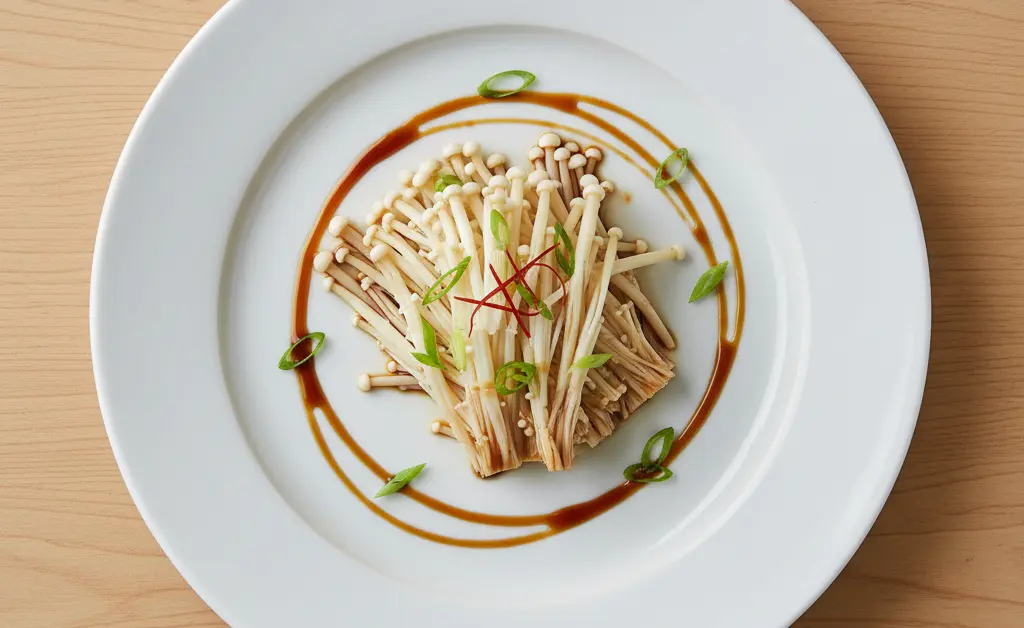
Enoki mushrooms are slender, delicate fungi with tiny caps, widely appreciated for their subtly sweet flavor and satisfyingly crisp-chewy texture. These unique characteristics make them a favored ingredient across various culinary traditions, particularly in East Asian cooking. In Chinese kitchens, enoki mushrooms are celebrated for their versatility, adding both visual appeal and a distinct mouthfeel to an array of dishes. From hot pots to stir-fries, their ability to absorb flavors while retaining their own gentle essence makes them indispensable. Understanding how to expertly incorporate enoki mushroom in Chinese cuisine elevates everyday meals into delightful culinary experiences, showcasing their full potential and widespread appeal.
Understanding Enoki Mushrooms in Chinese Cuisine
Enoki mushrooms hold a special place within Chinese culinary traditions, prized for their unique texture and delicate flavor. Their versatility allows them to seamlessly integrate into various dishes, from light appetizers to hearty main courses. The cultivation and use of enoki mushroom in Chinese cuisine have deep historical roots, making them a staple ingredient found in kitchens across the country. For comprehensive enoki mushroom info, resources are available to delve deeper into its origins and benefits.
Traditional Chinese Names (Golden Needle Mushrooms, Jin-Zhen-Gu, Lily Mushrooms)
In China, enoki mushrooms are commonly known by several poetic names that reflect their appearance and cultural significance. The most prevalent name is “Jin-Zhen-Gu” (金针菇), which translates literally to “Golden Needle Mushrooms,” aptly describing their slender, golden-white stalks. They are sometimes also referred to as “Lily Mushrooms” due to their delicate, almost flower-like appearance when bunched together. These names highlight not only their physical attributes but also their esteemed status in Chinese cooking.
Culinary Significance and Flavor Profile
The culinary significance of enoki mushrooms stems from their subtle yet distinctive characteristics. They possess a mildly sweet and earthy flavor that is not overpowering, allowing them to complement a wide range of ingredients without dominating the dish. Their most celebrated attribute is arguably their texture: a delightful crisp-chewiness that provides an intriguing contrast to softer components in a meal. This unique mouthfeel, combined with their ability to absorb flavors from broths, sauces, and marinades, makes them a highly valued ingredient in Chinese gastronomy.
Enoki Mushroom Recipes in Chinese Cuisine
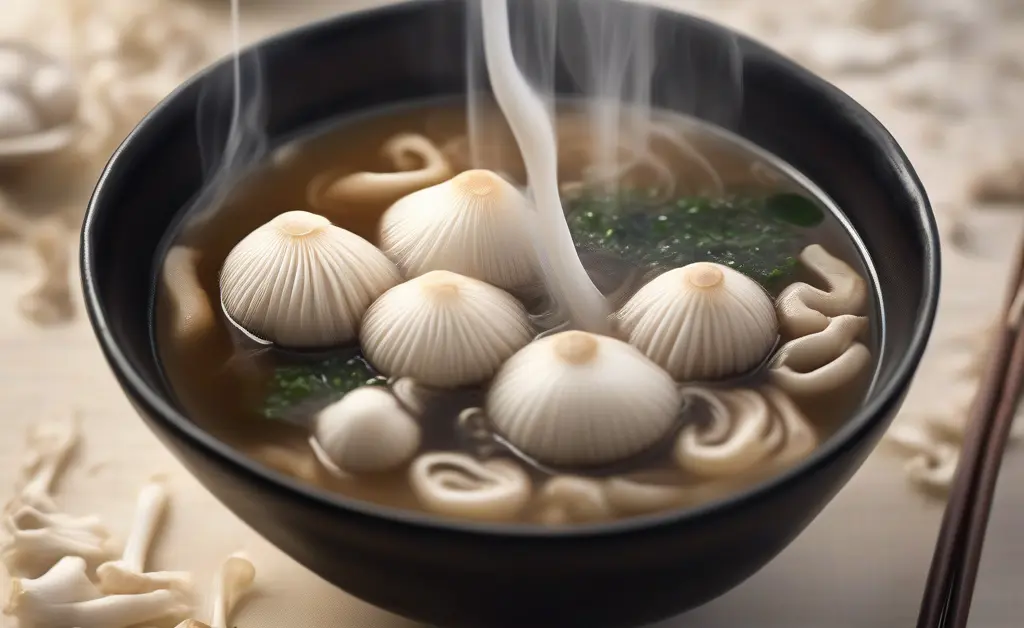
The adaptability of enoki mushrooms makes them a star ingredient in numerous Chinese dishes, celebrated for their ability to enhance both taste and texture. From quick stir-fries to comforting soups, enoki mushroom in Chinese cuisine finds its way into diverse preparations that cater to various palates. Mastering these recipes allows home cooks to explore the full potential of this delicate fungi.
Ingredients List
Typical ingredients for Chinese enoki mushroom recipes often include fresh enoki mushrooms, garlic, ginger, soy sauce, sesame oil, rice vinegar, and a choice of protein such as tofu, chicken, or thinly sliced beef. Green onions or scallions are frequently used for garnish and added freshness. Depending on the dish, other vegetables like bell peppers, carrots, or bok choy may also be incorporated to create a more balanced and flavorful meal. For more information on dietary components, reputable health resources like the NIH offer valuable insights.
Step-by-Step Instructions
While specific steps vary by recipe, a general approach to cooking enoki mushrooms in Chinese cuisine usually involves a few key stages. First, the mushrooms are cleaned and trimmed. They are then often briefly blanched or added directly to a hot wok or pot. Depending on the desired outcome, they might be stir-fried quickly with aromatics and sauces, simmered in a soup, or steamed. The cooking time is typically short to preserve their delicate texture. Finally, they are often finished with a drizzle of sesame oil or a sprinkle of fresh herbs.
Serving Suggestions and Variations
Enoki mushroom dishes are versatile in their serving. They can be enjoyed as a side dish, incorporated into main courses, or served as an appetizer. For instance, a simple stir-fried enoki can accompany steamed rice and other vegetable or meat dishes. Variations might include adding a spicy chili oil for a kick, incorporating different types of noodles to make a heartier meal, or using a variety of fermented bean pastes to deepen the umami flavor. Their neutral flavor profile makes them an excellent canvas for creative culinary explorations.
How to Cook Enoki Mushroom in Chinese Cuisine
Successfully integrating enoki mushroom in Chinese cuisine requires an understanding of proper preparation and cooking techniques. Preserving their unique texture and allowing them to absorb surrounding flavors are key to achieving delightful results. From initial cleaning to the final cooking method, each step contributes to the overall success of the dish.
Cleaning and Trimming Techniques
Enoki mushrooms are usually sold in clumps with a connected base. Before cooking, it’s essential to trim about an inch off the bottom, as this part can be tough and often contains residual growing medium. The mushrooms themselves do not require extensive washing; a gentle rinse under cool water is usually sufficient, or they can simply be wiped clean with a damp cloth if they appear clean. Avoid soaking them, as they can absorb too much water and become soggy.
Common Chinese Cooking Methods for Enoki (Steaming, Stir-frying, Soups)
Enoki mushrooms are highly adaptable to several popular Chinese cooking methods:
- Steaming: This gentle method preserves the enoki’s delicate texture and flavor. They are often arranged on a plate, topped with a flavorful sauce (like garlic and soy), and steamed briefly until just tender.
- Stir-frying: Enoki mushrooms are excellent in stir-fries due to their quick cooking time. They are typically added towards the end of the stir-frying process to prevent them from becoming overcooked and losing their crispness.
- Soups and Hot Pots: Their ability to absorb broth flavors makes enoki a favorite in various Chinese soups and hot pots. They cook quickly in simmering liquid, adding both texture and a subtle earthiness to the broth.
Flavor Pairings in Chinese Dishes
Enoki mushrooms pair wonderfully with a range of traditional Chinese flavors. Garlic and ginger are classic companions, providing aromatic depth. Soy sauce, sesame oil, and rice vinegar contribute savory, nutty, and tangy notes, respectively. Spicy elements like chili oil or dried chilies can add an exciting kick. Furthermore, their mild taste makes them compatible with a variety of proteins, from lean chicken and pork to tofu and seafood, making them a versatile choice for many Chinese dishes.
Trending Enoki Mushroom Recipes in China
The culinary landscape of China is ever-evolving, and enoki mushroom in Chinese cuisine continues to be a central ingredient in many trending dishes. Chefs and home cooks alike are constantly finding new and exciting ways to prepare these versatile fungi, showcasing their unique characteristics in creative and delicious presentations.
Delicious Stir-Fried Enoki Mushroom Recipe from China
A popular and delicious way to enjoy enoki mushrooms in China is through quick stir-fries. These dishes highlight the mushroom’s delicate texture and ability to absorb robust flavors. A typical recipe might involve quickly sautéing garlic and chili in a hot wok, then adding the enoki mushrooms, a splash of soy sauce, a touch of oyster sauce, and a drizzle of sesame oil. The mushrooms are cooked just until tender-crisp, ensuring they retain their signature bite. Often, a sprinkle of toasted sesame seeds and chopped scallions completes this simple yet flavorful dish.
Trending Deep-fried Enoki Mushroom Recipe in China
Deep-fried enoki mushrooms have gained significant popularity as a delightful appetizer or snack. This preparation involves coating bundles of enoki mushrooms in a light batter, often seasoned with a touch of five-spice powder or white pepper, then frying them until golden brown and crispy. The result is a surprisingly airy and crunchy texture that contrasts beautifully with the tender interior of the mushroom. They are typically served immediately with a dipping sauce, such as a spicy mayo or a sweet and sour sauce, making them an irresistible treat.
A Signature Chinese Enoki Dish: Steamed Enoki with Garlic & Scallion Sauce
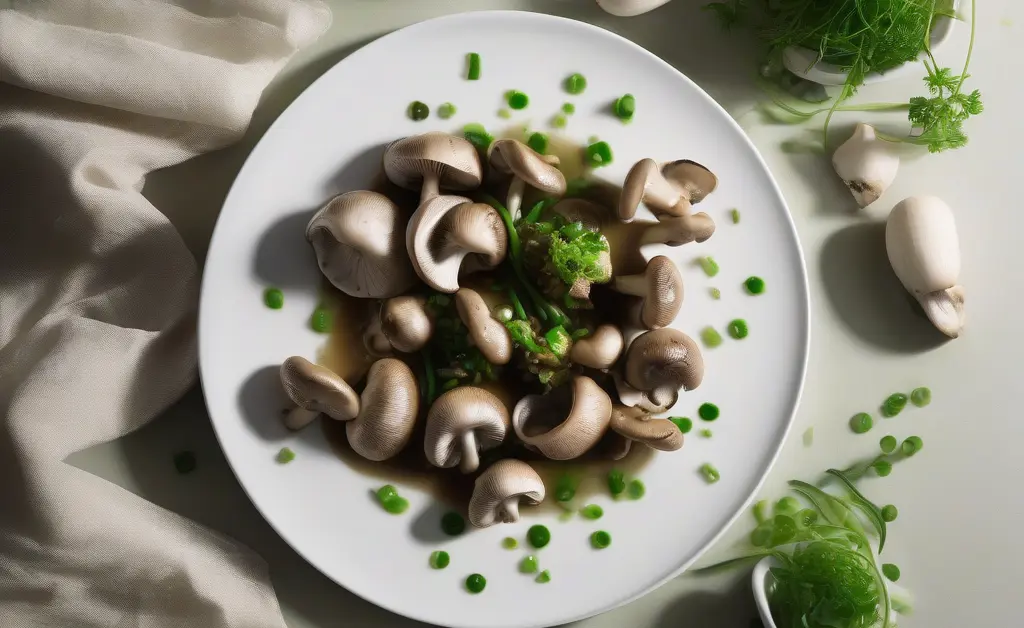
Enoki Mushrooms with Garlic & Scallion Sauce
One of the most beloved and iconic ways to prepare enoki mushrooms in Chinese cuisine is by steaming them with a vibrant garlic and scallion sauce. This dish is celebrated for its simplicity, elegance, and the way it perfectly highlights the natural qualities of the mushrooms. The gentle steaming process ensures the enoki retains its tender-crisp texture, while the aromatic sauce infuses it with layers of savory flavor.
Steamed Enoki Mushrooms (蒜蓉金针菇)
This classic dish, known as 蒜蓉金针菇 (Suàn Róng Jīn Zhēn Gū), directly translates to “garlic minced golden needle mushrooms.” It typically involves arranging fresh, trimmed enoki mushrooms on a heatproof plate. A generous topping of finely minced garlic, often combined with a little soy sauce, sesame oil, and a pinch of sugar, is then spread over the mushrooms. The plate is steamed until the mushrooms are cooked through and the garlic has softened and become fragrant. After steaming, a drizzle of hot oil is often poured over fresh chopped scallions on top, creating a sizzling aroma and brightening the flavors. This dish is a testament to the idea that sometimes the simplest preparations are the most profound.
General Tips for Preparing Enoki in Chinese Cooking
To consistently achieve excellent results when preparing enoki mushroom in Chinese cuisine, a few general tips can be particularly helpful. These guidelines focus on preserving the mushroom’s delicate nature and maximizing its flavor absorption.
- Handle with Care: Enoki mushrooms are delicate. Avoid rough handling that can bruise or break their slender stalks.
- Trim Properly: Always remove the tough, connected base of the mushroom clump. This ensures the edible parts are tender.
- Quick Cooking: Enoki mushrooms cook very quickly. Overcooking can make them rubbery or mushy, so add them towards the end of the cooking process for stir-fries and soups.
- Flavor Absorption: Their porous nature allows them to readily absorb flavors. Use this to your advantage by simmering them in flavorful broths or marinating them briefly if appropriate for the dish.
- Freshness is Key: Always use fresh enoki mushrooms. Look for firm, white, or pale yellow stalks with small, intact caps. Avoid any that appear slimy, discolored, or have a strong odor.
- Versatility: Don’t limit their use. Experiment with enoki in various Chinese dishes, from cold appetizers with vinaigrette to savory main courses.
By following these tips, you can ensure that enoki mushrooms contribute their best qualities—delicate flavor, unique texture, and visual appeal—to your Chinese culinary creations.
The content presented here is not a substitute for professional medical guidance. This information is intended for general knowledge and informational purposes only, and does not constitute medical advice, diagnosis, or treatment. Always seek the advice of a qualified healthcare professional for any questions you may have regarding a medical condition or treatment, and before undertaking any new health care regimen.
FAQ
What are enoki mushrooms called in Chinese?
Enoki mushrooms are known as jīn’zhūnsūn in Mandarin Chinese, which translates to “golden needle mushroom.” This name reflects their delicate, needle-like shape and pale color.
How do you cook enoki mushrooms for Chinese dishes?
Enoki mushrooms are typically added towards the end of cooking Chinese dishes to retain their crisp texture. They can be quickly sautéed, added to soups and stews for the last few minutes, or used in hot pot preparations. Their short cooking time prevents them from becoming mushy.
What is the best way to clean enoki mushrooms for cooking?
The most effective method is to rinse them briefly under cool running water and then gently pat them dry. Because enoki mushrooms grow in clumps, it’s often best to separate them slightly before rinsing to ensure all parts are clean. A quick rinse is usually sufficient as they are delicate and absorb water easily.
Are enoki mushrooms commonly used in Chinese stir-fries?
Yes, enoki mushrooms are quite popular in Chinese stir-fries, adding a unique texture and earthy flavor. They are often combined with other vegetables and proteins, absorbing the savory sauces beautifully.
What flavors pair well with enoki mushrooms in Chinese cuisine?
Enoki mushrooms pair exceptionally well with savory and umami-rich flavors common in Chinese cooking. Ingredients like soy sauce, garlic, ginger, sesame oil, and chili peppers complement their delicate taste. They also harmonize with the broths used in hot pot and noodle soups.