
Enoki Mushrooms: An Evidence-Based Overview
Imagine you’re browsing the produce aisle, seeking something light yet distinctive to elevate your next meal. Your eyes land on delicate, long-stemmed clusters, often overlooked but holding a world of culinary potential. These are enoki mushrooms, a staple in many Asian cuisines, now gaining traction globally for their unique texture and mild flavor. Beyond their appeal in stir-fries, soups, and salads, enoki offer a surprisingly robust nutritional profile, packed with essential vitamins and minerals. This guide provides comprehensive enoki mushroom info, delving into their health benefits, nutritional value, and practical uses, helping you understand why these slender fungi deserve a prominent place in your diet. We’ll explore everything from their appearance to their impact on digestive health and blood pressure, ensuring you have all the facts at your fingertips.
Enoki Mushrooms Overview
What Are Enoki Mushrooms?
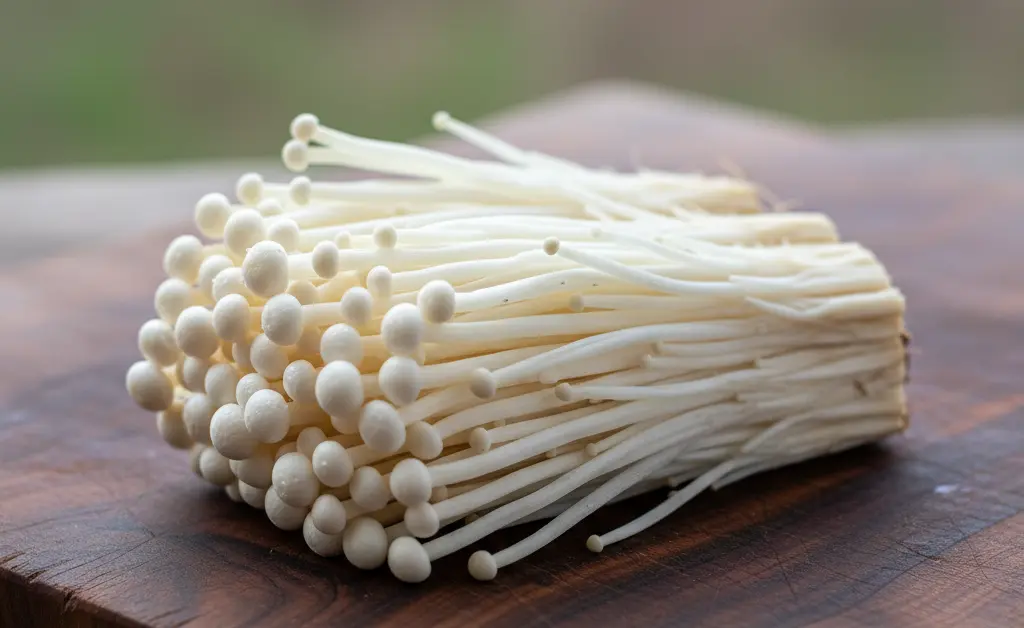
Enoki mushrooms, scientifically known as Flammulina velutipes, are edible fungi characterized by their distinctive long, thin stems and small, often white or off-white caps. Also commonly referred to as velvet shank or golden needle mushrooms, enoki have been a culinary staple in East Asian cultures for centuries, prized for their delicate flavor and unique texture. Cultivated versions, typically grown in dark, carbon dioxide-rich environments, are usually pure white and possess a mild, slightly fruity taste, while their wild counterparts tend to have shorter, darker stems and a more robust flavor. Understanding their fundamental nature is key to appreciating all the enoki mushroom info available.
Appearance and Characteristics
The appearance of enoki mushrooms is quite striking and easily recognizable. They typically grow in dense clusters, with stems that can reach several inches in length, often resembling slender white noodles. The caps are small, sometimes barely wider than the stem, and can be flat or slightly convex. When purchased, they are usually packaged with the base of the cluster still intact, holding the individual stems together. Their texture is crisp yet slightly chewy, offering a satisfying mouthfeel, especially when lightly cooked. The flavor profile is subtle and mild, allowing them to readily absorb the flavors of other ingredients in a dish without overpowering them. This makes them a versatile addition to a wide range of recipes. For more details on the specific enoki mushroom taste, explore its unique characteristics.
Enoki Mushroom Nutrition and Benefits
Key Vitamins and Minerals
Enoki mushrooms are a nutrient-dense food that provides a range of essential vitamins and minerals with relatively few calories. They are notably a source of B vitamins, including niacin (B3), thiamine (B1), and riboflavin (B2), which play crucial roles in energy metabolism and nervous system function. Additionally, these delicate fungi contain important minerals such as potassium, phosphorus, iron, and copper. Potassium is vital for maintaining fluid balance and blood pressure, while phosphorus is important for bone health. Iron supports oxygen transport, and copper contributes to energy production and antioxidant defense. This rich profile contributes significantly to the overall enoki mushroom info on their health contributions.
Support for Digestive Health
A notable benefit of enoki mushrooms lies in their capacity to support digestive health, primarily due to their dietary fiber content. Fiber is an essential component of a balanced diet, aiding in regular bowel movements and promoting a healthy gut microbiome. The fiber in enoki can help add bulk to stool, facilitating its passage through the digestive tract and potentially alleviating issues like constipation. A well-functioning digestive system is fundamental for overall wellness, and incorporating fiber-rich foods like enoki mushrooms can be a beneficial step towards achieving this.
Influence on Blood Pressure
Enoki mushrooms may also play a role in supporting cardiovascular health, particularly concerning blood pressure regulation. This is partly attributed to their potassium content. Potassium is a mineral known to help counteract the effects of sodium in the body, promoting healthy fluid balance and potentially contributing to the maintenance of blood pressure already within a healthy range. While not a standalone treatment, regular consumption of potassium-rich foods like enoki mushrooms, as part of a balanced diet, can be a supportive measure for cardiovascular well-being.
Enoki mushroom fiber
The fiber found in enoki mushrooms is a complex blend, including both soluble and insoluble types. Soluble fiber can dissolve in water, forming a gel-like substance that may help to slow down digestion, contribute to feelings of fullness, and potentially aid in managing blood sugar levels. Insoluble fiber, on the other hand, adds bulk to the stool and helps food pass more quickly through the stomach and intestines. Together, these fibers contribute to gut motility and overall digestive regularity, making the enoki mushroom an excellent addition for those looking to boost their dietary fiber intake.
Is enoki mushroom healthy?
Considering their comprehensive nutritional profile and potential health benefits, enoki mushrooms are widely regarded as a healthy food choice. They are low in calories and fat but rich in vitamins, minerals, and dietary fiber, as detailed in this enoki mushroom info. Their antioxidant properties may also help protect cells from damage. Incorporating them into your diet can contribute to better digestive function, support cardiovascular health, and provide essential nutrients, making them a valuable addition to a balanced and health-conscious eating plan.
The Complete Guide to Enoki Mushrooms

For those looking to fully embrace these versatile fungi, understanding the complete enoki mushroom info, including preparation, storage, and safety, is essential. You might also be curious about whether enoki mushrooms are considered veg or non-veg, a common question for many culinary enthusiasts. When it comes to storage, proper handling can significantly impact enoki mushroom shelf life. It is best to keep them in their original packaging or wrap them loosely in a paper towel within a plastic bag in the refrigerator. This typically allows them to stay fresh for several days.
Regarding consumption, a common question is, “Why can’t I eat raw enoki?” While some mushrooms can be eaten raw, it is generally recommended to cook enoki mushrooms thoroughly. Raw enoki may contain certain bacteria or compounds that are best neutralized by heat, and cooking also improves their digestibility and unlocks their full flavor potential. For public health information, consult resources from the CDC. For preparation, it’s customary to trim the very bottom of the cluster. This addresses the question, “Is the bottom of enoki mushroom safe to eat?” While not necessarily harmful, the very base where the mushrooms are cultivated tends to be tough and unpalatable, so it’s usually cut off and discarded before cooking. Sometimes, you might encounter an enoki mushroom yellow in color, which can be due to natural variations or cultivation methods.
Enoki mushrooms are incredibly versatile in the kitchen. For enoki mushroom recipes and usage, they are a fantastic addition to stir-fries, where their delicate texture adds a pleasant crunch. They also excel in soups, hot pots, and ramen, absorbing the broth’s flavors beautifully. Sautéing them lightly with garlic and soy sauce makes for a simple yet delicious side dish. They can even be grilled or added to salads for a unique textural element, provided they are cooked beforehand. Their mild flavor makes them adaptable to both Asian and Western cuisines, offering a delightful culinary experience.
Enoki mushrooms offer a remarkable combination of culinary versatility and nutritional benefits, making them a worthy addition to any diet. From their delicate appearance and mild flavor to their rich content of vitamins, minerals, and fiber, these slender fungi contribute positively to overall health, supporting digestive function and potentially aiding in blood pressure management. By understanding how to properly store, prepare, and cook them, you can fully enjoy the unique qualities of enoki mushrooms and easily incorporate them into a variety of delicious and healthy meals.
The information in this article is intended for knowledge purposes only. It is not a substitute for professional medical advice, diagnosis, or treatment. Always seek the advice of your physician or other qualified health provider with any questions you may have regarding a medical condition. Never disregard professional medical advice or delay in seeking it because of something you have read in this article.
FAQ
What are enoki mushrooms?
Enoki mushrooms are long, thin, white mushrooms that grow in clusters, originating from East Asia. They are cultivated in dark environments with high carbon dioxide levels, which encourages their characteristic elongated shape. These delicate mushrooms have a mild, slightly fruity flavor and a crisp texture when raw.
What are the nutritional facts for enoki mushrooms?
Enoki mushrooms are a good source of dietary fiber and various B vitamins, including niacin and riboflavin. They also provide minerals such as potassium and phosphorus. These mushrooms are notably low in calories and fat, making them a nutritious addition to meals.
What are the health benefits of enoki mushrooms?
Enoki mushrooms have been studied for their potential antioxidant properties, thanks to compounds like ergothioneine. They also contain beta-glucans, which are known for their immune-modulating effects. Research indicates these mushrooms may play a role in supporting overall well-being.
Are enoki mushrooms good for high blood pressure?
The potassium content in enoki mushrooms is relevant to maintaining healthy blood pressure levels. Potassium helps to balance sodium levels in the body, which can contribute to regulating blood pressure. Their fiber content also supports cardiovascular health.
Do enoki mushrooms help with digestion?
The dietary fiber found in enoki mushrooms is beneficial for digestive health. Fiber adds bulk to stool, promoting regular bowel movements and supporting a healthy gut microbiome. This can contribute to a more efficient digestive process.