
Your Guide to Making Crispy Enoki Mushroom Jeon
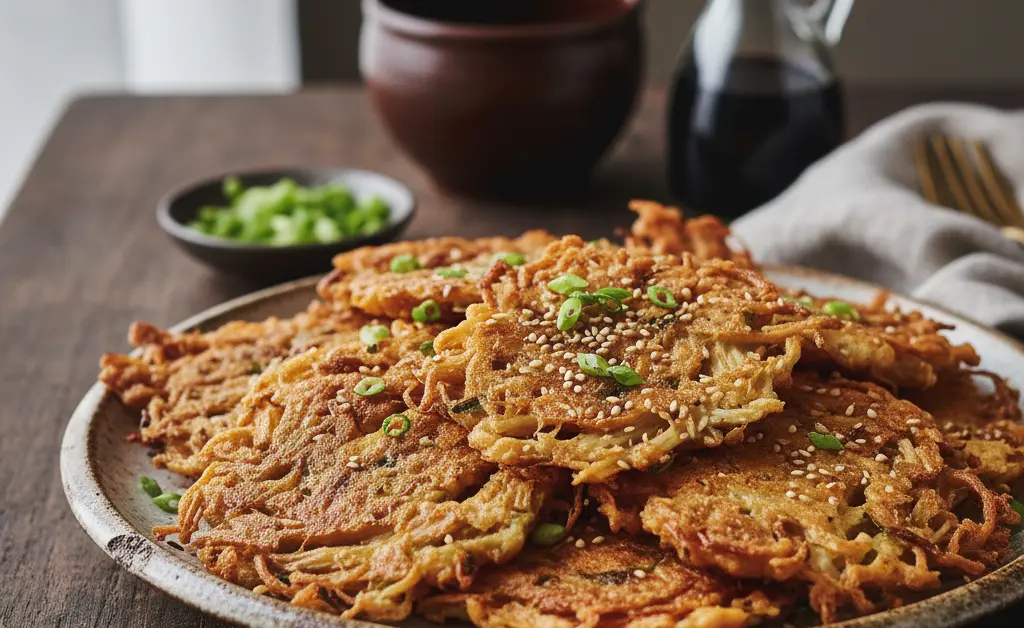
Ever wondered how to transform delicate enoki mushrooms into a delightfully crispy, savory pancake? This guide is designed to help you master the art of preparing enoki mushroom jeon, a beloved Korean dish renowned for its unique texture and exquisite flavor. We’ll delve into everything from selecting the freshest ingredients and preparing the mushrooms, to perfecting the batter and achieving that irresistible golden crisp. Whether you’re a seasoned cook or new to Korean cuisine, this comprehensive resource offers practical tips, detailed instructions, and serving suggestions to ensure your homemade jeon is a culinary success. Get ready to impress your taste buds and guests with this easy-to-follow recipe that brings authentic and delicious flavors right to your kitchen.
What is Enoki Mushroom Jeon?
Enoki mushroom jeon is a type of Korean pancake, known as “jeon” (전), made with enoki mushrooms as the primary ingredient. This dish celebrates the unique qualities of enoki mushrooms—their mild, slightly sweet flavor and distinctively chewy texture. When pan-fried in a light batter, the mushrooms transform, creating a fascinating contrast between the tender, stringy interior and the savory, crispy exterior. Unlike some other jeon varieties that feature minced or chopped ingredients mixed into a thick batter, enoki jeon are typically made by dipping small clusters of mushrooms into a thin batter and frying them whole. This method preserves the elegant shape of the mushrooms and results in a light, delicate pancake that is both visually appealing and delicious. It is a popular appetizer, side dish (banchan), or snack in Korean cuisine.
Enoki Mushroom Jeon Recipe
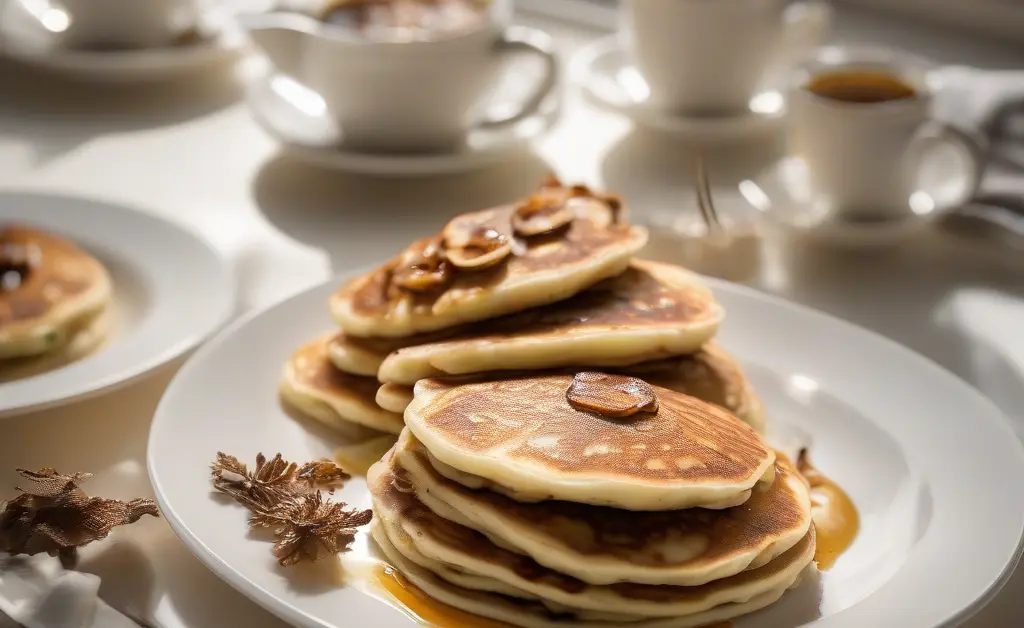
The beauty of this recipe lies in its simplicity. The process can be broken down into three fundamental stages: preparing the mushrooms, mixing the batter, and frying the pancakes to golden perfection. Each step is straightforward and requires minimal effort, making it an excellent dish for cooks of all skill levels.
Preparing the Enoki Mushrooms
Proper preparation of the enoki mushrooms is key to the final texture and appearance of the jeon. Start by trimming off the tough, compacted root base of the mushroom bunch. Gently rinse the mushrooms under cool running water to remove any debris, then pat them dry with a paper towel. It’s important to be gentle to avoid breaking the delicate strands. Once clean and dry, carefully separate the large bunch into smaller, bite-sized clusters. Try to keep the base of each small cluster intact so it fans out naturally, which helps it hold its shape during cooking and creates a beautiful presentation.
Making the Jeon Batter
The batter for enoki jeon should be thin and light, designed to create a delicate, crispy coating rather than a thick, heavy pancake. In a mixing bowl, combine flour (all-purpose flour or a Korean pancake mix works well), a pinch of salt, and freshly ground black pepper. Whisk in cold water gradually until you achieve a smooth, lump-free batter with a consistency slightly thinner than typical pancake batter. For extra richness and binding, an egg can be whisked into the mixture. The key is not to overmix, as this can develop gluten and result in a chewy, tough coating instead of a crispy one.
Frying the Jeon
Frying is the final step where the magic happens. Heat a generous amount of neutral cooking oil in a non-stick skillet over medium-high heat. You’ll know the oil is ready when it shimmers. Take a prepared enoki mushroom cluster, dip it into the batter, ensuring it’s lightly and evenly coated, and let any excess batter drip off. Carefully place the battered cluster into the hot pan. Cook for a few minutes on each side, until the batter is golden brown and crispy. Avoid overcrowding the pan, as this can lower the oil temperature and lead to soggy jeon. Once cooked, transfer the jeon to a wire rack to allow excess oil to drain away and to maintain their crispiness.
Ingredients You’ll Need for Enoki Mushroom Jeon
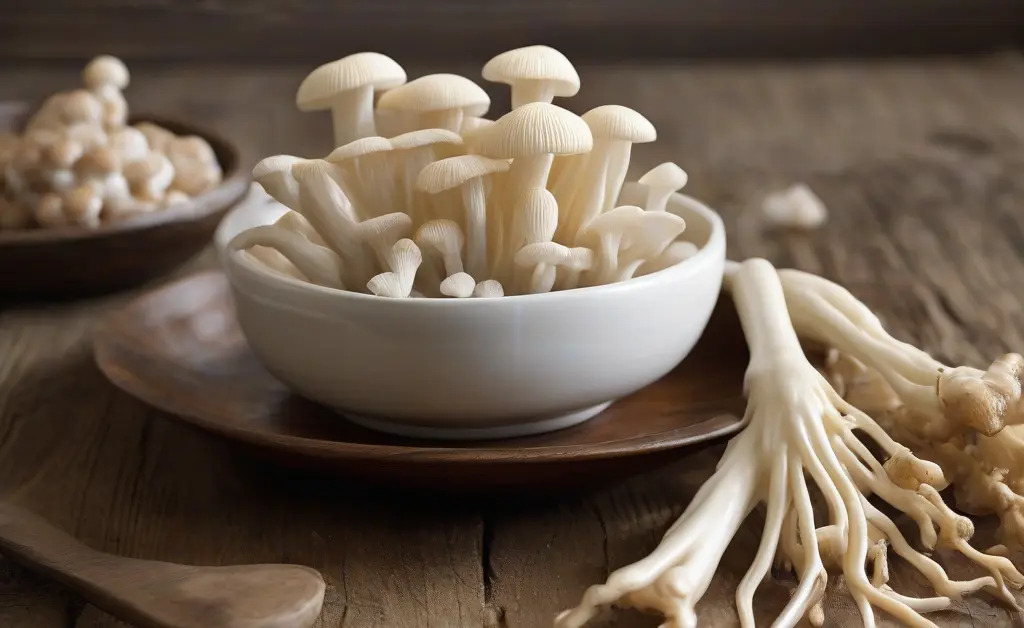
The ingredient list for this dish is refreshingly short and accessible. The focus is on highlighting the natural flavor and texture of the mushrooms. At its core, a classic enoki mushroom jeon recipe requires just a few key components. Nutritional information about enoki mushrooms can be further explored on reputable scientific databases like NCBI.
- Enoki Mushrooms: The star of the dish. Look for fresh, firm mushrooms that are white and free of any discoloration or sliminess.
- Flour: All-purpose flour is a common choice. For an even crispier result, you can use a Korean pancake mix (buchim garu), which is a blend of flours and starches designed for making jeon.
- Egg: One egg is often added to the batter to provide richness, color, and help bind the batter to the mushrooms.
- Cold Water: Using very cold or even iced water helps create a crispier batter.
- Seasonings: Salt and black pepper are essential for seasoning the batter.
- Cooking Oil: A neutral oil with a high smoke point, such as vegetable, canola, or grapeseed oil, is ideal for frying.
How to Make Enoki Mushroom Jeon
Mastering the technique for making perfect enoki mushroom pancakes involves focusing on two main goals: creating an undeniably crispy texture and avoiding the common pitfall of a soggy, oily result. A few key details in the process can make all the difference.
Achieving a Crispy Texture
The secret to a shatteringly crispy exterior lies in the batter and the frying temperature. First, ensure your batter is thin and made with ice-cold water. The temperature shock when the cold batter hits the hot oil helps create a lighter, crispier crust. Some cooks even use sparkling water for extra airiness. Second, do not overmix the batter; a few small lumps are perfectly fine. Overmixing develops gluten, leading to a doughy texture. Finally, make sure your oil is sufficiently hot before adding the mushrooms. A properly heated pan sears the batter instantly, preventing it from absorbing too much oil and becoming heavy.
Preventing Soggy Jeon
Sogginess is the enemy of good jeon. To prevent it, start by patting the enoki mushrooms completely dry after rinsing. Any excess water on the mushrooms will thin the batter and create steam in the pan, which hinders crisping. When frying, use enough oil to shallow-fry the pancakes, and do not overcrowd the pan. Cooking in batches ensures the oil temperature remains high and consistent. Most importantly, once the crispy enoki mushroom jeon are cooked, do not stack them on a plate. Instead, place them in a single layer on a wire cooling rack. This allows air to circulate around them, preventing the trapped steam from softening the beautiful crust you worked to create.
Tips for Perfect Enoki Mushroom Jeon
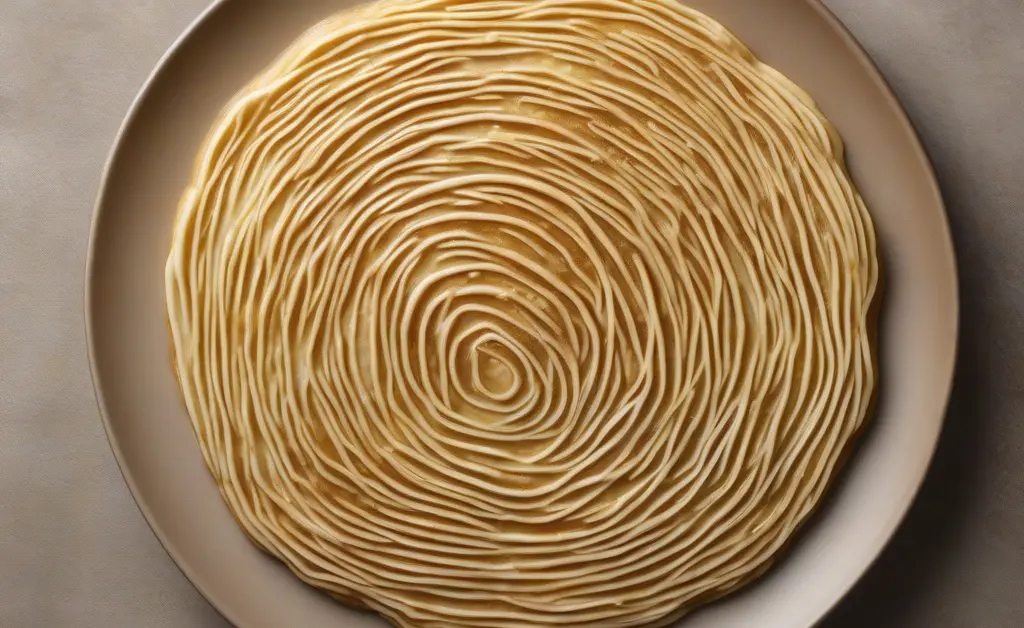
Beyond the basic recipe, a few extra tips and creative twists can elevate your enoki pancakes from simply good to truly memorable. Experimenting with flavors and add-ins allows you to customize the dish to your preference.
Flavor Variations
While the classic recipe is delicious on its own, the batter is a perfect canvas for additional flavors. For a pop of color and a mild oniony taste, add finely chopped scallions or chives directly into the batter. For a bit of heat, mix in a pinch of Korean chili flakes (gochugaru) or add thinly sliced fresh chilies. Some variations incorporate a small amount of soy sauce or toasted sesame oil into the batter for an added layer of savory, nutty depth. You can also add other very finely julienned vegetables like carrots or zucchini to the batter for more texture and nutritional variety, creating a dish closer to a mixed vegetable jeon.
Serving Suggestions for Enoki Mushroom Jeon
These savory pancakes are incredibly versatile and can be enjoyed in various contexts within a Korean meal or as a standalone treat. Their presentation is simple yet elegant, typically served hot and fresh from the pan alongside a flavorful dipping sauce.
What to Serve Enoki Jeon With
Traditionally, jeon is served as an appetizer or as one of many side dishes (banchan) that accompany a main Korean meal. A plate of freshly fried enoki mushroom jeon is a fantastic starter to whet the appetite. As a banchan, it provides a delightful textural contrast to steamed rice, soups like kimchi jjigae, and main dishes such as bulgogi or galbi. They are also a very popular “anju,” which is food enjoyed with alcoholic beverages. The savory, crispy pancakes pair exceptionally well with the slightly sweet and milky Korean rice wine, makgeolli.
Enoki Mushroom Jeon Sauce
No jeon is complete without a dipping sauce. The sauce provides a tangy, savory counterpoint that cuts through the richness of the fried pancake and enhances the overall flavor of the dish. The best part is that a delicious sauce is incredibly easy to make.
Dipping Sauce Recipe
A standard dipping sauce for Korean pancakes is simple yet perfectly balanced. To make it, you’ll typically combine soy sauce and rice vinegar in a small bowl. The ratio can be adjusted to your personal taste, but a common starting point is equal parts of each. This combination provides a foundational savory and acidic base that complements the jeon beautifully. You can also add a small amount of water to mellow the saltiness if desired.
Best Dipping Sauces
To elevate the basic sauce, several additions can introduce more complexity and texture. A sprinkle of toasted sesame seeds adds a nutty aroma and a pleasant crunch. Finely chopped scallions or minced garlic can be stirred in for a fresh, pungent kick. For those who enjoy a bit of spice, a pinch of Korean chili flakes (gochugaru) or a few slices of fresh chili pepper will provide a welcome heat. A drop of toasted sesame oil can also be added for extra fragrance. The best sauce for your enoki mushroom jeon is one that balances these elements to your liking.
In conclusion, enoki mushroom jeon is a wonderfully simple and satisfying dish that highlights the unique texture of enoki mushrooms. With its crispy batter, chewy interior, and savory flavor, it’s a versatile treat that works equally well as an appetizer, a side dish, or a snack. By following a few key techniques—such as using a thin, cold batter and frying in hot oil—you can easily achieve that perfect golden-brown crisp at home. Paired with a simple, tangy dipping sauce, these Korean pancakes are sure to become a favorite in your culinary rotation.
This article aims to inform, not to replace professional healthcare advice. The information presented about food and ingredients is for general knowledge and culinary purposes only. It is not intended to be a substitute for professional medical advice, diagnosis, or treatment. Always seek the advice of your physician or another qualified health provider with any questions you may have regarding a medical condition.
FAQ
What are the ingredients for enoki mushroom jeon?
Enoki mushroom jeon typically features enoki mushrooms as the star ingredient, bound together with a savory batter made from flour, eggs, and water. Additional components often include finely chopped vegetables like onions, carrots, and bell peppers, along with seasonings to enhance the flavor profile.
How do you make Korean enoki mushroom pancakes?
To prepare Korean enoki mushroom pancakes, enoki mushrooms are usually separated into smaller clusters and dipped into a seasoned batter. The coated mushrooms are then pan-fried until golden brown and crispy on both sides. Often, the mushrooms are served with a dipping sauce made from soy sauce, vinegar, and sometimes chili flakes.
What is the best way to fry enoki mushrooms for jeon?
Frying enoki mushrooms for jeon is best achieved in a moderately hot pan with enough oil to create a crispy exterior. The mushrooms should be cooked until they achieve a satisfying golden-brown color and a tender yet slightly firm texture. Careful attention to heat and cooking time ensures they don’t become soggy or burnt.
Can you make enoki mushroom jeon ahead of time?
While enoki mushroom jeon is best enjoyed fresh due to the texture of the fried mushrooms, it is possible to prepare elements in advance. The batter can be mixed and stored, and the vegetables can be chopped, but the final frying step is recommended just before serving for optimal crispness.
Continue reading
You May Also Like
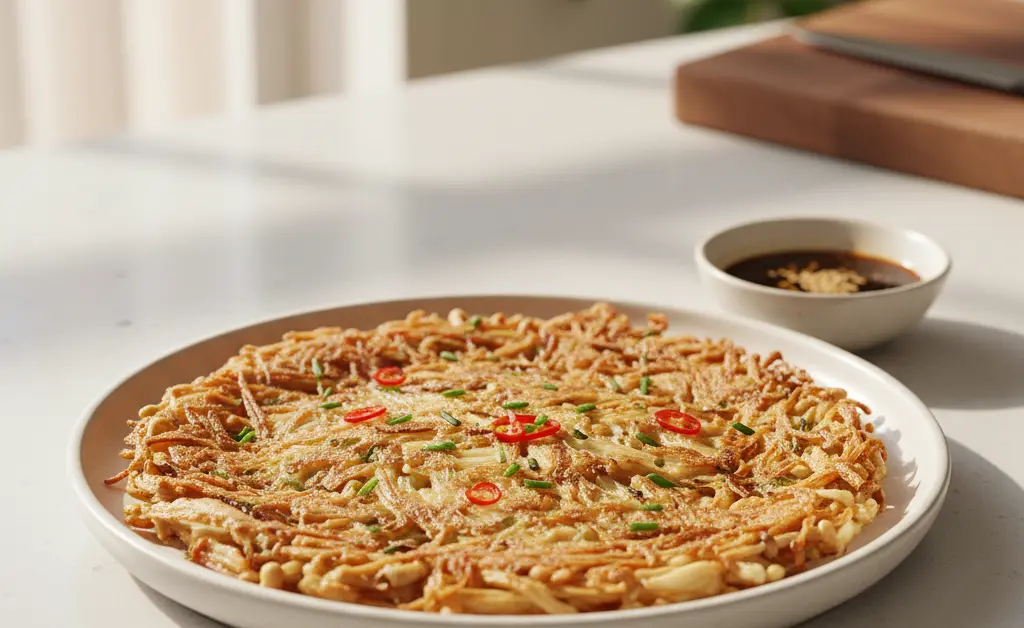
Your Guide to Making Crispy Enoki Mushroom Jeon
This simple Korean recipe shows you how to make crispy enoki mushroom jeon, a savory pancake that's quick, easy, and perfect with a dipping sauce.
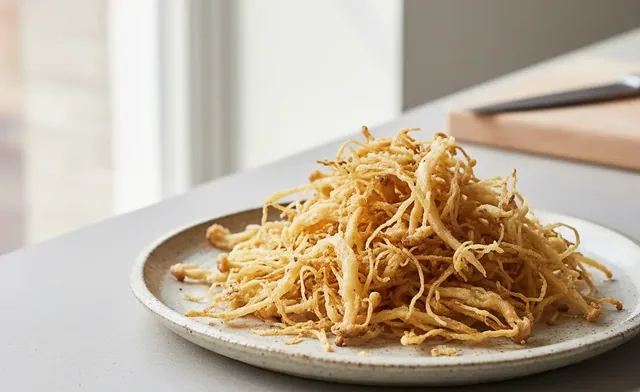
The Secret to Perfectly Crispy Air-Fried Enoki
This simple enoki mushroom air fryer recipe delivers a deliciously crispy and savory snack in minutes with easy-to-follow instructions.
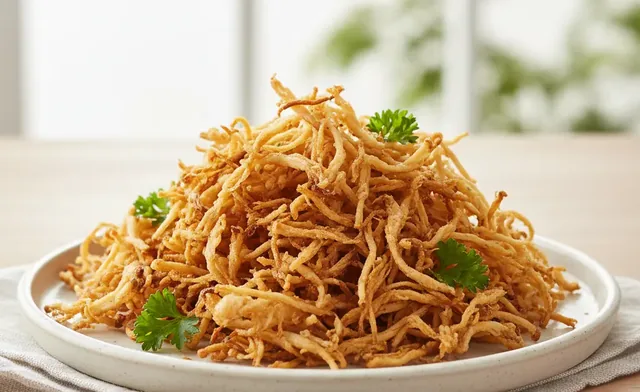
How to Make Perfectly Crispy Fried Enoki Mushrooms
The secret to an incredibly crispy, non-greasy enoki mushroom deep fried snack lies in a few key steps revealed in our complete how-to guide.