
A Quick & Easy Recipe for Spicy Korean Enoki Mushrooms
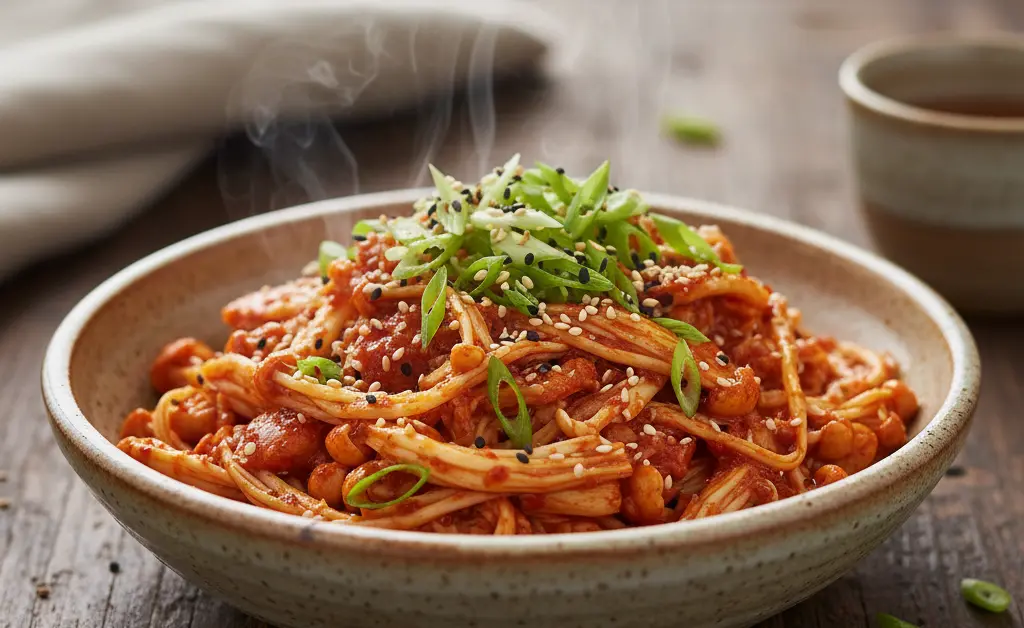
There’s something uniquely satisfying about whipping up a dish that’s both incredibly flavorful and surprisingly simple to prepare. Imagine a meal that brings a delightful kick to your palate without demanding hours in the kitchen. This feeling of effortless culinary achievement is precisely what awaits you with our delicious guide. We understand the desire for meals that are quick, healthy, and bursting with personality. That’s why we’re thrilled to share an exceptional enoki mushroom korean recipe that promises to deliver on all fronts. Get ready to transform humble enoki mushrooms into a vibrant, spicy, and utterly addictive Korean-inspired delicacy that will surely become a staple in your cooking repertoire.
What You’ll Need (Ingredients)
To create this vibrant dish, you’ll need a few key components that are central to Korean cooking. The star of the show is, of course, fresh enoki mushrooms. For the signature spicy and savory flavor, you will need both Korean chili flakes, known as gochugaru, and Korean chili paste, or gochujang. These provide a complex, layered heat that is characteristic of the cuisine.
To balance the spice and add depth, a sweetener such as corn syrup, rice syrup, or a preferred alternative is essential. You’ll also need a few other flavorings to round out the sauce, including soy sauce for umami, minced garlic for an aromatic punch, and a touch of sesame oil for its nutty fragrance. Finally, have a neutral cooking oil on hand for the pan.
How to Prepare Enoki Mushrooms
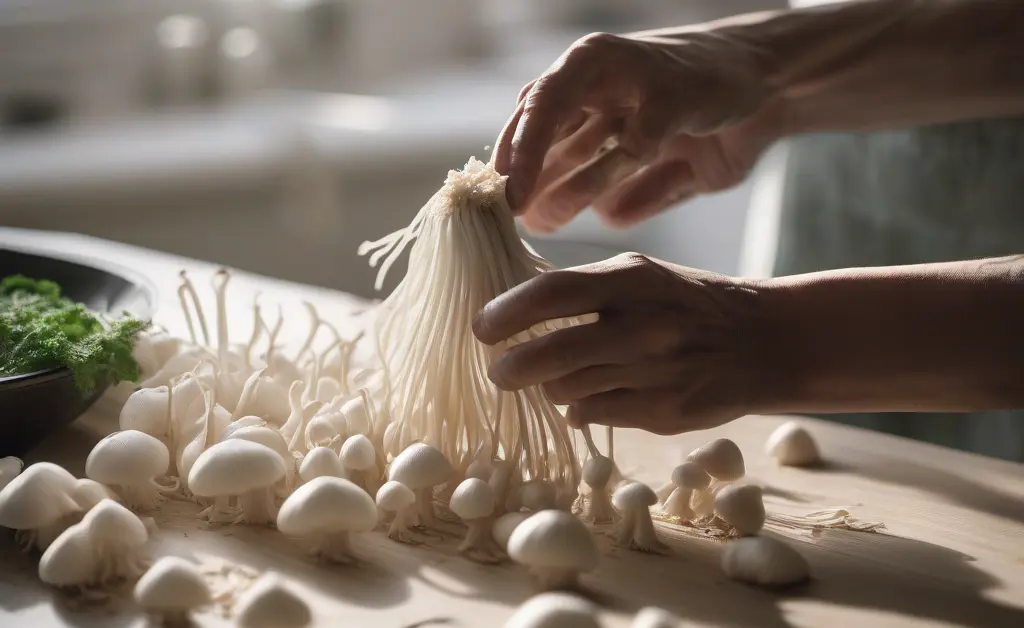
Proper preparation is key to achieving the best texture from your enoki mushrooms. Begin by removing the mushrooms from their packaging. The first step is to trim off the tough, compacted root base at the bottom of the bunch. This part is typically discolored and has a slightly woody texture that you’ll want to discard.
After trimming the base, you can gently rinse the mushrooms under cool running water. Be careful not to soak them, as they can become waterlogged. Pat them dry with a paper towel. Once they are clean and dry, carefully separate the large bunch into smaller, more manageable clusters. This not only helps them cook more evenly but also makes them easier to eat. This simple preparation is a fundamental step in many Korean dishes featuring these delicate fungi.
Making the Spicy Korean Sauce
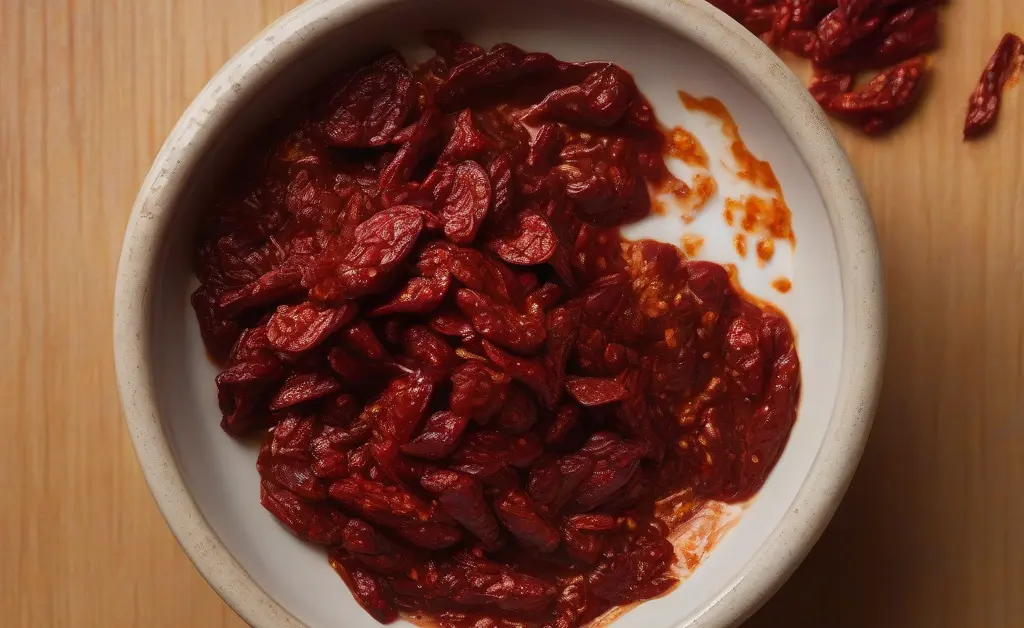
The heart of this dish is its bold, spicy sauce. Creating the perfect balance of flavors is simpler than you might think. In a small bowl, start by combining the primary heat components: the Korean chili flakes and the Korean chili paste. The flakes provide a bright, clean heat, while the paste offers a deeper, slightly sweet and fermented spiciness.
Next, introduce a sweetener to balance the intense heat. This adds a pleasant counterpoint and helps create a glossy coating for the mushrooms. To build more layers of flavor, mix in soy sauce for a savory, umami foundation, along with finely minced garlic for its pungent aroma. A small amount of sesame oil can be added at the end for fragrance. Whisk all the ingredients together until you have a smooth, cohesive paste. Adjusting the proportions of these ingredients allows you to customize the sauce to your liking, a versatile feature of any good enoki mushroom korean recipe.
Cooking the Enoki Mushrooms
Enoki mushrooms are prized for their delicate texture and ability to cook in just a few minutes. There are a couple of common methods for cooking them with the spicy Korean sauce. One popular approach is to heat a bit of oil in a skillet over medium heat and briefly sauté the prepared mushroom clusters for a minute or two until they just begin to soften.
Alternatively, you can place the enoki mushrooms in the pan and pour the prepared sauce directly over them. As the pan heats up, the mushrooms will release some of their natural moisture, which helps to thin the sauce slightly and create a simmering liquid. Regardless of the method you choose, the key is to avoid overcooking. Enoki mushrooms are done when they become tender and slightly wilted but still retain a pleasant, subtle bite. This quick cooking process ensures they absorb the sauce’s flavor without becoming mushy.
Spicy Enoki Mushroom Recipe
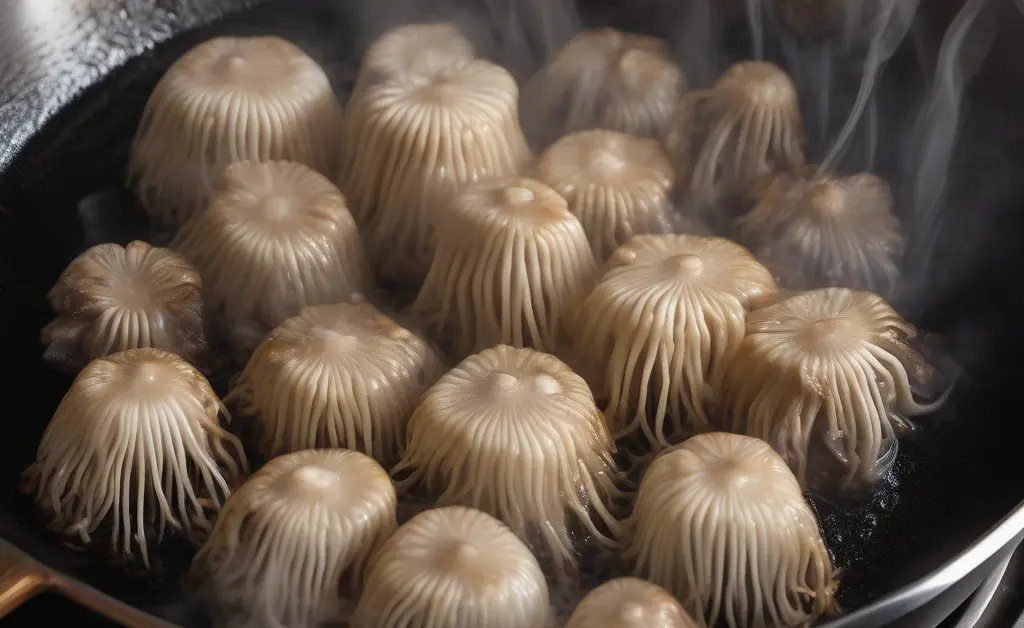
This dish comes together quickly, making it perfect for a weeknight meal or a fast side dish. After preparing your mushrooms and mixing your spicy Korean sauce, the final cooking process takes only a few moments. Heat your skillet and add the enoki mushroom bundles. You can arrange them in a single layer to ensure they cook evenly.
Spoon the spicy sauce over the mushrooms, making sure to coat them well. Let them cook for a few minutes, turning them gently once, until they are tender and have absorbed the rich flavors of the sauce. The mushrooms will wilt and release their moisture, mingling with the sauce to create a delicious glaze. Once cooked through, they are ready to be served immediately while hot.
Soy Garlic Enoki Mushroom
For those who prefer a non-spicy but equally flavorful option, a soy garlic version is an excellent alternative. The preparation of the mushrooms remains the same. The difference lies entirely in the sauce. Instead of the chili paste and flakes, you will create a sauce with a base of soy sauce, minced garlic, and a touch of sweetener like honey or sugar to balance the saltiness. You can also add a little sesame oil for aroma. Simply cook the enoki mushrooms in this savory and aromatic sauce until they are tender. This variation highlights the mushroom’s delicate flavor and is a crowd-pleaser for all palates.
Simple Enoki Mushroom Korean Recipe
For an even simpler preparation, you can make a quick stir-fry. This approach focuses on minimal ingredients and maximum flavor in the shortest amount of time. After trimming and separating your enoki mushrooms, heat a pan with a bit of oil. Add the mushrooms along with some sliced garlic and sauté for a minute until fragrant. Then, simply add a splash of soy sauce and a drizzle of sesame oil, tossing everything together for another minute until the mushrooms are cooked. This simple enoki mushroom korean recipe is a testament to how easily these ingredients can be transformed into a delicious dish with just a few pantry staples.
Korean Enoki Mushroom Pancakes
Another popular way to enjoy enoki mushrooms in Korean cuisine is in savory pancakes, known as jeon. To make these, you’ll start by preparing a simple batter, typically made from flour, water, egg, and a bit of salt. Trim and separate the enoki mushrooms into small strands or clusters and mix them into the batter.
Heat a lightly oiled pan and spoon portions of the batter into it, flattening them into small pancake shapes. Pan-fry them for a few minutes on each side until they are golden brown and crispy. The enoki mushrooms become wonderfully tender on the inside while the outside of the pancake develops a satisfying crunch. These are often served with a simple dipping sauce made from soy sauce and vinegar.
Tips for the Best Spicy Enoki Mushrooms
To ensure your dish turns out perfectly every time, a few tips can make a big difference. First, always start with the freshest enoki mushrooms you can find. Look for bunches that are firm, dry, and uniformly white, avoiding any that appear slimy or discolored. The freshness of the mushrooms will greatly impact the final texture. For those interested in the scientific research behind various food properties, reliable sources like PubMed offer detailed studies.
Second, don’t be afraid to adjust the sauce consistency. If you prefer a thicker, more glaze-like sauce, use a little less water or let it simmer for an extra minute to reduce. For a thinner sauce, you can add a splash of water or broth. Finally, control the heat level to suit your taste. You can easily make the dish milder by reducing the amount of chili paste and flakes, or ramp up the spice by adding more.
Variations and Serving Suggestions
This spicy enoki mushroom korean recipe is incredibly versatile and serves as a great base for experimentation. To make it a more substantial dish, feel free to add other vegetables to the pan. Sliced onions, bell peppers, or scallions are excellent additions that can be sautéed before you add the mushrooms.
For a protein boost, incorporate thinly sliced beef, pork, or cubes of firm tofu. Simply cook the protein first, then add the mushrooms and sauce. When it comes to serving, these spicy enoki mushrooms are fantastic as a traditional Korean side dish (banchan) accompanying a main meal with steamed rice. They also work wonderfully as a topping for noodle bowls, mixed into bibimbap, or even served over a simple omelet for a flavorful twist.
The beauty of this dish lies in its simplicity and bold flavors. Whether you follow the spicy recipe exactly, opt for the mild soy garlic version, or try your hand at crispy pancakes, enoki mushrooms offer a unique and satisfying culinary experience. Their quick cooking time and ability to soak up savory and spicy sauces make them a go-to ingredient for anyone looking to explore the delicious world of Korean cooking without a huge time commitment.
Readers should understand that this article does not offer medical diagnosis or treatment. The information provided is for culinary and informational purposes only and should not be considered a substitute for professional dietary or health advice. Always consult with a qualified healthcare provider or registered dietitian regarding any health concerns or before making changes to your diet. The effects of any food can vary from person to person.
FAQ
How do you cook enoki mushrooms for Korean food?
Enoki mushrooms are often prepared simply to highlight their delicate texture and umami flavor in Korean cuisine. They can be quickly sautéed with garlic and soy sauce, steamed, or added to stews and hot pots. Many popular enoki mushroom Korean recipes feature them as a light, flavorful side dish or an ingredient that absorbs the essence of broths and sauces.
What ingredients are in spicy enoki mushrooms?
Spicy enoki mushroom preparations typically involve a gochugaru-based sauce or marinade, which provides the characteristic heat and reddish hue. Common additions include soy sauce for saltiness and umami, garlic for pungency, sesame oil for nutty depth, and often a touch of sweetness from sugar or honey. Scallions and sesame seeds are frequently used as garnishes to enhance both flavor and visual appeal.
Continue reading
You May Also Like
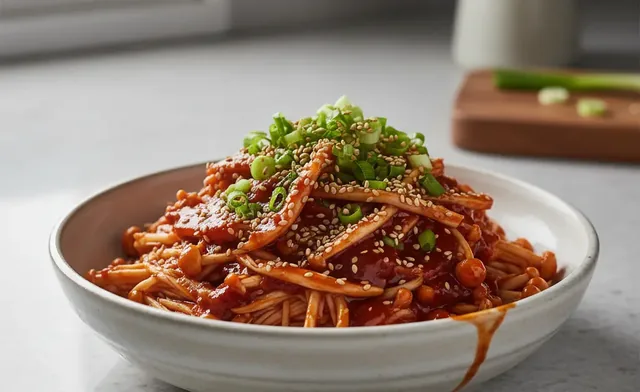
A Quick & Easy Recipe for Spicy Korean Enoki Mushrooms
This quick enoki mushroom korean recipe delivers tender mushrooms in a perfectly balanced spicy and savory sauce for an easy, authentic side dish.
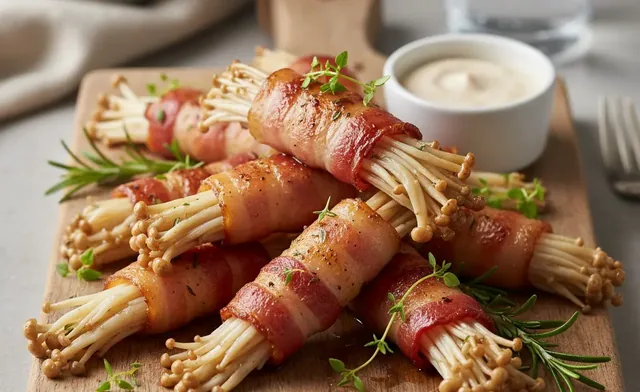
An Easy Recipe for Oven-Baked Enoki Bacon Wraps
This easy oven-baked enoki mushroom bacon recipe delivers savory, crispy bundles with simple ingredients and step-by-step instructions.
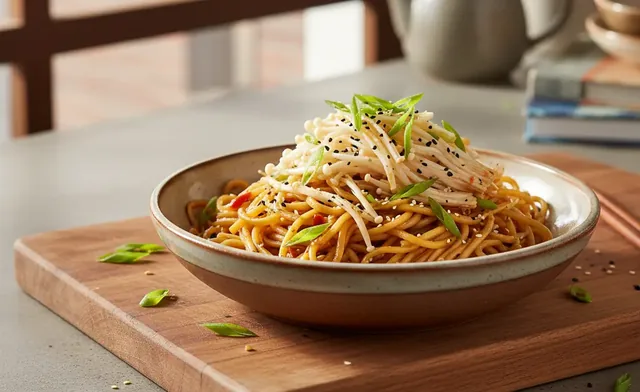
An Easy Recipe for Delicious Enoki Mushroom Noodles
Follow a complete enoki mushroom noodles recipe that includes detailed instructions, ingredients, and expert tips for a quick and savory dish.