
Crafting the Perfect Enoki Mushroom Miso Soup
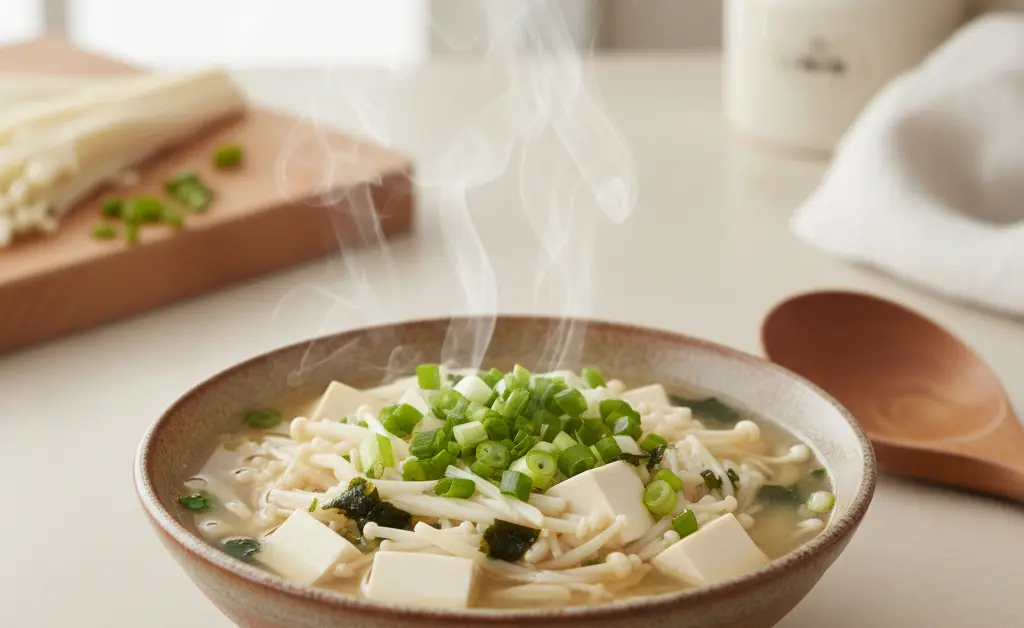
As more individuals embrace mindful eating and seek comforting yet nutritious options, the art of home cooking has seen a delightful resurgence. People are increasingly exploring global cuisines to enrich their daily meals with unique flavors and health benefits. Within this culinary evolution, enoki mushroom miso soup stands out as a prime example of a dish that perfectly aligns with contemporary desires for both simplicity and profound taste. This delicate soup, rich in umami and easy to prepare, offers a harmonious blend of earthy mushrooms and savory miso, making it a staple for those looking to infuse their diet with wholesome ingredients and a touch of Japanese culinary tradition. It’s becoming a go-to for a light lunch or a warming appetizer.
Understanding Enoki Miso Soup
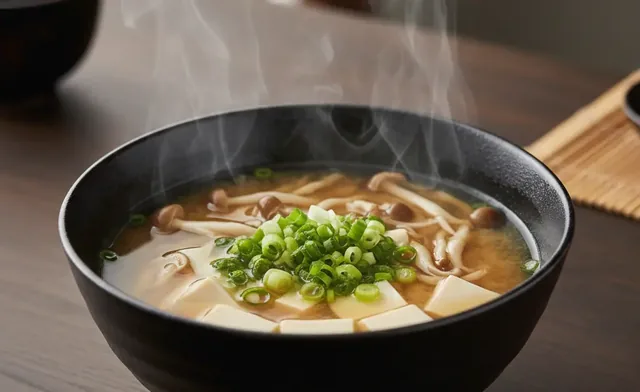
Enoki miso soup is a cornerstone of Japanese home cooking, celebrated for its delicate balance of savory, earthy, and umami notes. Its origin lies in the broader tradition of miso soup, a daily staple in Japan for centuries. The addition of enoki mushrooms provides a unique textural element—a gentle, satisfying bite that complements the soft tofu and silky broth. While deeply rooted in Japanese cuisine, the concept of a light, mushroom-based broth is found in other culinary traditions, including some Korean soups that also prize the clean flavor of fresh fungi. The global popularity of this dish has grown as more people discover its comforting nature and straightforward preparation.
Enoki mushroom miso soup recipe
A classic recipe for this soup is built on a foundation of high-quality core components. The process begins with creating a flavorful dashi broth, which serves as the soup’s savory base. Miso paste is then gently dissolved into the broth to impart its characteristic umami depth. Finally, delicate enoki mushrooms, along with other ingredients like soft tofu and rehydrated wakame seaweed, are added. The key is to cook the ingredients just enough to meld their flavors without compromising their individual textures, especially the enoki, which require very little cooking time.
Simple enoki mushroom soup recipe
For those seeking an even more streamlined version, a simple recipe focuses on just three essential elements: dashi, miso paste, and enoki mushrooms. This minimalist approach allows the earthy sweetness of the enoki and the rich complexity of the miso to take center stage. The preparation is exceptionally quick, often taking just a few minutes from start to finish. This version is perfect for a fast, warming snack or a light appetizer, showcasing how a few well-chosen ingredients can create a profoundly satisfying dish.
Ingredients for Enoki Miso Soup
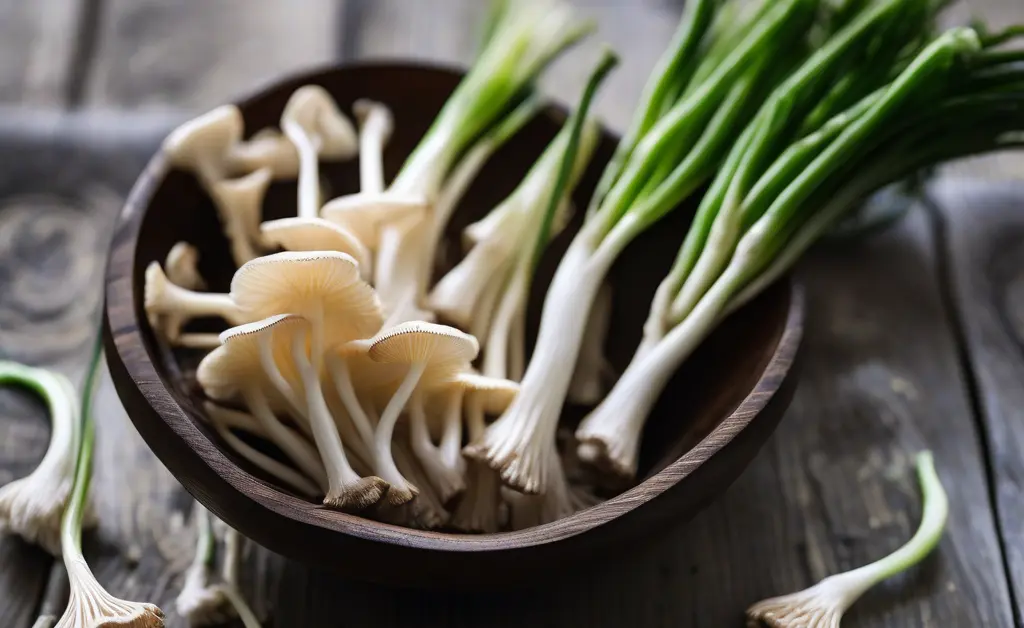
The beauty of this soup lies in its simplicity and the quality of its components. Each ingredient plays a specific role in creating a harmonious final product.
- Dashi Broth: This is the soup’s soul, providing a deep, savory umami flavor. Traditional dashi is made from kombu (dried kelp) and katsuobushi (dried, smoked bonito flakes). Instant dashi granules or powders offer a convenient alternative for a quick preparation.
- Miso Paste: A fermented soybean paste, miso is what gives the soup its name and signature taste. It comes in various types, such as white (shiro) miso, which is milder and sweeter, and red (aka) miso, which is saltier and more pungent. Many cooks use a blend to achieve a balanced flavor. Further scientific information on fermentation benefits can be found on NCBI.
- Enoki Mushrooms: These long, thin white mushrooms are the star of the dish. They have a very mild, slightly crisp texture and an earthy flavor that doesn’t overpower the broth. They should be added near the end of cooking to retain their delicate bite.
- Tofu: Silken or soft tofu is traditionally used, adding a creamy texture and plant-based protein. It should be cut into small cubes and added gently to the soup to prevent it from breaking apart.
- Wakame Seaweed: Dried wakame is typically rehydrated in water before being added to the soup. It contributes a subtle brininess and additional nutrients, enhancing the soup’s overall complexity.
- Garnishes: Thinly sliced scallions or green onions are a common garnish, providing a fresh, sharp contrast to the savory broth. Some may also add a sprinkle of shichimi togarashi (a Japanese seven-spice blend) for a hint of heat.
How to Make Enoki Miso Soup
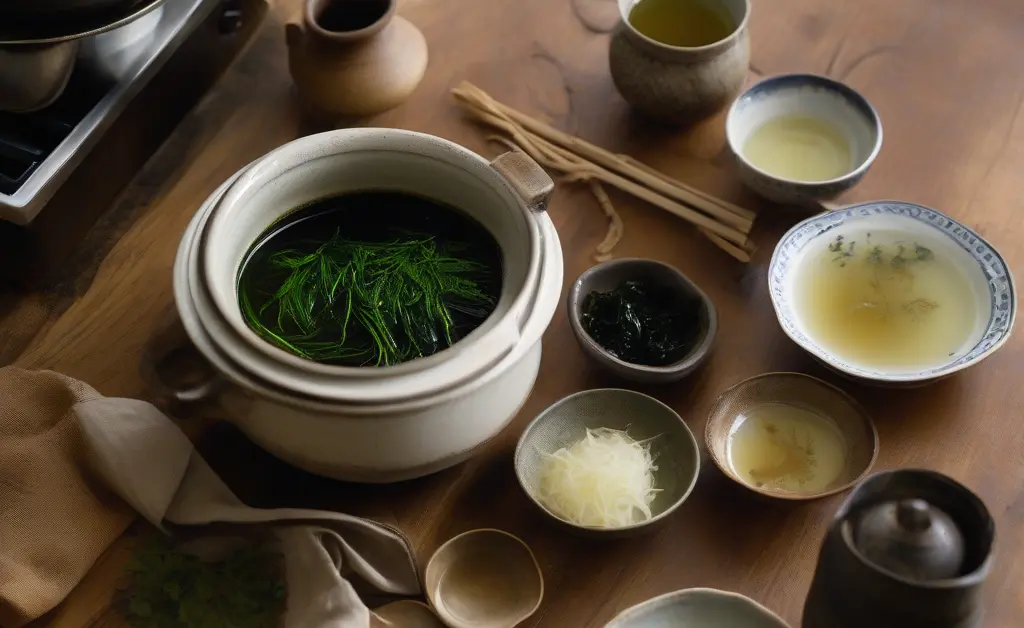
The process of making a classic enoki mushroom miso soup is elegant and swift, focusing on preserving the integrity of each ingredient. The first step is to gently heat the dashi broth in a pot. If using dried wakame, it should be rehydrated in a separate bowl of water while the broth warms. Once the dashi is simmering, the heat is typically lowered before adding the miso paste. To ensure the miso dissolves smoothly without clumping, it’s best to whisk it into a small amount of the warm broth in a ladle or separate bowl before stirring it into the main pot.
After the miso is fully incorporated, other ingredients can be added. This is the stage where you introduce complementary elements. The timing is crucial to achieve the perfect texture. The goal is to create a harmonious and flavorful broth that highlights the delicate nature of the mushrooms.
Enoki mushroom soup with tofu
When preparing the soup with tofu, cubes of silken or soft tofu are typically added to the broth after the miso paste has been dissolved. The tofu should be allowed to warm through gently for a minute or two. Following this, the enoki mushrooms and rehydrated wakame are added. Since enoki mushrooms cook very quickly—often in just a minute—they should be the last ingredient to go into the pot before serving. This ensures they retain their characteristic crisp-tender texture and do not become mushy.
Tips for the Best Enoki Miso Soup
Achieving a restaurant-quality bowl of soup at home is easy with a few key techniques. Paying attention to these details can elevate your dish from good to exceptional, resulting in the best enoki mushroom miso soup you can make.
- Choosing the Right Miso: The type of miso paste you use will significantly impact the flavor profile. White miso offers a gentler, sweeter taste, which is great for a lighter soup. Red miso provides a bolder, saltier flavor. Experiment with different types or even a combination to find your preferred balance.
- Don’t Boil Miso: This is perhaps the most critical rule. Boiling miso paste can alter its delicate flavor and may diminish some of its beneficial properties. Always add the miso to a warm, not boiling, broth and keep the soup at a gentle simmer.
- Ensuring Freshness of Enoki: Select enoki mushrooms that are bright white, firm, and dry. Avoid any that appear slimy, discolored, or wilted. Before use, simply trim off the root base and gently separate the strands.
- Balancing Flavors: Taste the soup before serving. If it seems too salty, a little extra dashi or water can balance it out. If it lacks depth, a different type of miso or a touch more dashi can be added. The final garnish of fresh scallions adds a crucial layer of aromatic freshness.
Variations of Enoki Miso Soup
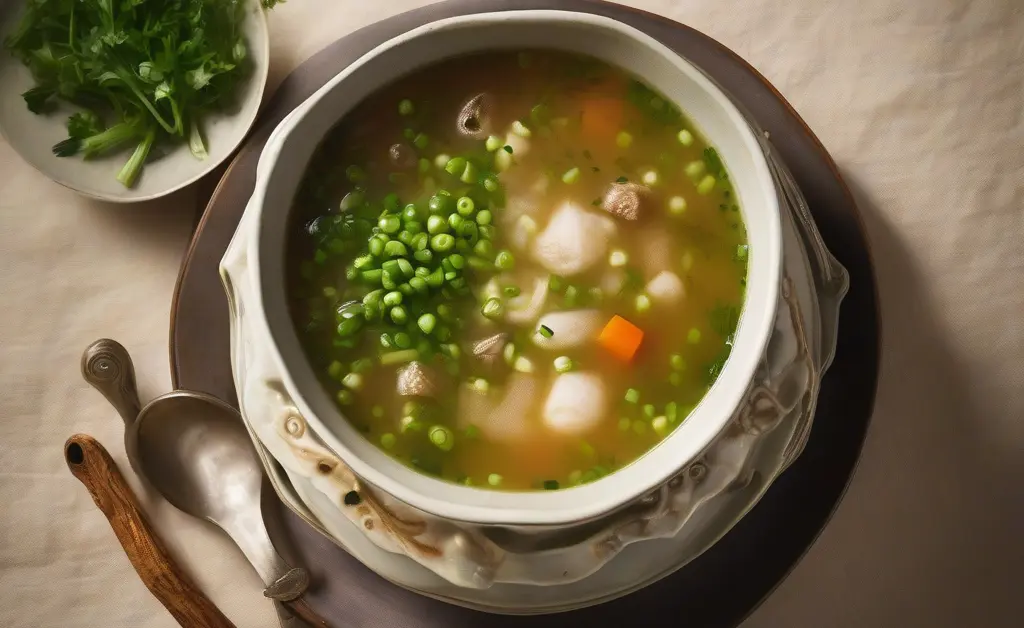
While the classic recipe is a delight on its own, its simple base makes it incredibly versatile. You can easily customize your enoki mushroom miso soup to suit your tastes or use up ingredients you have on hand.
- Adding Protein: For a heartier meal, consider adding other proteins. Small pieces of poached chicken, delicate white fish, or clams can be added to the broth to cook through. For a plant-based boost, edamame is another excellent option.
- Vegetable Additions: Many other vegetables work well in this soup. Try adding thinly sliced carrots, daikon radish, or leafy greens like spinach or bok choy. Add firmer vegetables earlier in the cooking process and delicate greens at the very end.
- Spice it Up: For those who enjoy a bit of heat, there are several ways to add a spicy kick. A drizzle of chili oil, a dash of sriracha, or a sprinkle of shichimi togarashi can introduce a pleasant warmth that complements the savory miso. A thin slice of fresh ginger added to the dashi can also provide a subtle, warming spice.
Ultimately, a well-made enoki mushroom miso soup is a testament to the power of simple, high-quality ingredients. This dish is not only a comforting and nourishing option but also a versatile canvas for culinary creativity. Whether you stick to the traditional preparation or experiment with your own variations, it offers a deeply satisfying experience that is both easy to achieve and delightful to enjoy. Its balance of savory, earthy, and fresh flavors makes it a timeless favorite.
The content provided in this article is intended for informational learning, not clinical application. This information is not intended to be a substitute for professional dietary advice, diagnosis, or treatment. Always seek the advice of your physician, registered dietitian, or another qualified health provider with any questions you may have regarding a medical condition or dietary changes. Never disregard professional medical advice or delay in seeking it because of something you have read in this article.
FAQ
What kind of miso is best for enoki miso soup?
A lighter miso, such as white (shiro) or yellow (shinshu) miso, is generally preferred for enoki mushroom miso soup. These types have a milder, slightly sweet flavor that complements the delicate taste of enoki mushrooms without overpowering them. Their milder profile allows the subtle umami of the mushrooms to shine through.
How long does enoki miso soup take to make?
Enoki miso soup is a quick dish, typically ready in about 15 to 20 minutes. The short cooking time is ideal for preserving the enoki mushrooms’ tender texture and fresh flavor. Most of the time is spent bringing the broth to a simmer and gently cooking the other ingredients before adding the miso.
What are the benefits of enoki mushrooms in soup?
Enoki mushrooms are a good source of various nutrients, including fiber and certain B vitamins. They contribute to the soup’s overall nutritional profile and offer a unique, slightly crisp texture. These mushrooms are also known for their contribution to a satisfying, umami-rich broth.
Can I add other mushrooms to enoki miso soup?
Certainly, adding other mushrooms to enoki miso soup can create a more complex flavor and texture profile. Varieties like shiitake, maitake, or even cremini mushrooms can be incorporated to enhance the soup’s earthiness. Just ensure they are cooked sufficiently to release their flavor into the broth.
Continue reading
You May Also Like
A Healthy & Flavorful Maitake Miso Soup Recipe
Uncover how to prepare a nourishing and umami-rich maitake mushroom miso soup with our simple step-by-step instructions and helpful variations.

A Simple Recipe for Wood Ear Mushroom Miso Soup
Prepare a savory bowl with this wood ear mushroom miso soup recipe, complete with step-by-step instructions, ingredients, and helpful tips.

Crafting the Perfect Enoki Mushroom Burger
This simple enoki mushroom burger recipe guides you step-by-step to create a crispy, umami-packed patty for a truly unforgettable meal.