
A Nutritional Breakdown of Enoki Mushrooms

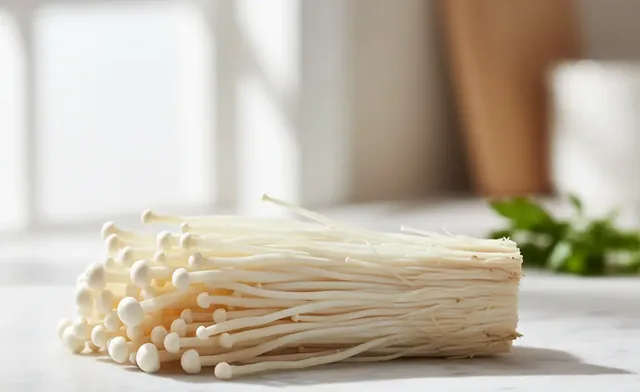
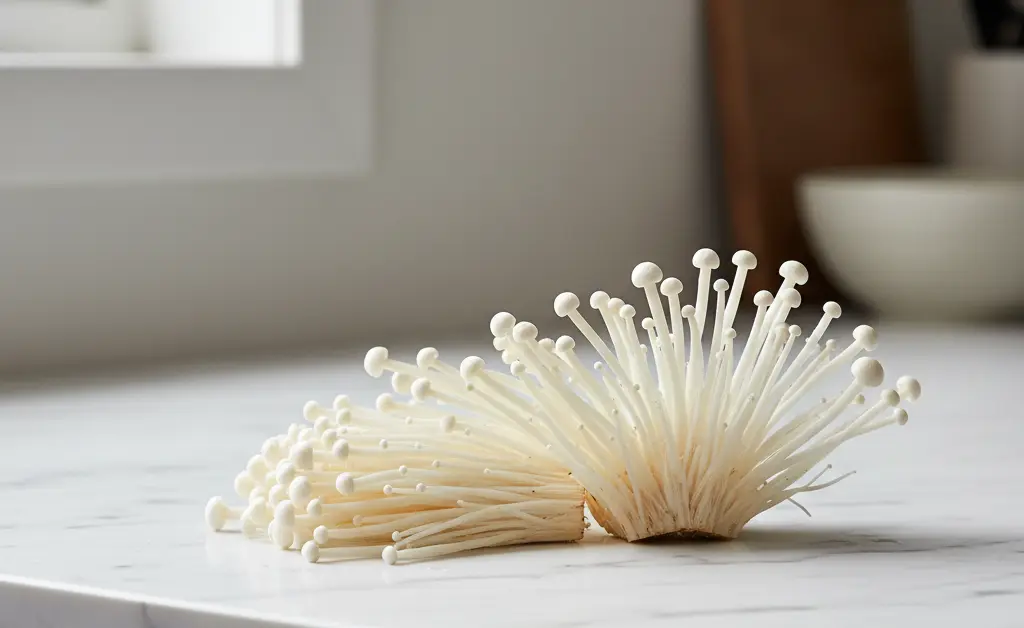
Enoki mushrooms are a common ingredient in many Asian cuisines, adding a unique texture and mild flavor to dishes. These delicate, long-stemmed fungi are often found in stir-fries, soups, and hot pots, prized for their crisp bite and ability to absorb surrounding flavors. Beyond their culinary appeal, understanding the enoki mushroom nutrition can offer insight into their contribution to a balanced diet, providing a look at what makes these mushrooms a potentially valuable addition to your meals.
Enoki Mushroom Nutrition Facts
Enoki mushrooms, also known by their scientific name Flammulina velutipes, are slender, white fungi that offer more than just a unique culinary experience. A closer look at their nutritional profile reveals why they are considered a valuable component of a balanced diet. Like many other mushrooms, they are low in calories and fat while providing a source of various essential nutrients. Analyzing the overall enoki mushroom nutrition profile shows a composition rich in vitamins, minerals, and other beneficial compounds that contribute to their appeal in health-conscious cooking.
Calories in Enoki Mushrooms
One of the notable characteristics of enoki mushrooms is their low-calorie content. This makes them an excellent ingredient for individuals looking to add volume and texture to their meals without significantly increasing the overall energy intake. Their light nature allows them to be incorporated generously into soups, salads, and noodle dishes, providing a satisfying element that supports a variety of dietary goals.
Macronutrient Breakdown (Protein, Carbohydrates, Fiber, Fat, Sugar)
The macronutrient composition of enoki mushrooms is well-balanced. They contain a modest amount of protein, which is notable for a vegetable-like food. The carbohydrates present are largely composed of dietary fiber, a key component for supporting digestive health. Enoki mushrooms are virtually fat-free and contain minimal sugar, making them a suitable choice for a wide range of eating patterns. The fiber content, in particular, adds to their satisfying texture and contributes to feelings of fullness.
Vitamins Found in Enoki Mushrooms (e.g., B Vitamins)
Enoki mushrooms are a good source of several B vitamins, which are crucial for various metabolic processes in the body. They contain notable amounts of niacin (Vitamin B3), which plays a role in energy conversion and nervous system function. Other B vitamins, such as pantothenic acid (Vitamin B5) and riboflavin (Vitamin B2), are also present. These water-soluble vitamins are essential for overall health and well-being, and enoki mushrooms can contribute to the daily intake of these micronutrients.
Minerals Found in Enoki Mushrooms (e.g., Potassium, Phosphorus)
In addition to vitamins, enoki mushrooms provide an array of essential minerals. They are a particularly good source of potassium, a mineral and electrolyte that is important for maintaining fluid balance and supporting nerve function. Phosphorus, another key mineral found in these mushrooms, is vital for the formation of strong bones and teeth. Other minerals like copper and selenium are also present, adding to the overall nutritional value of this delicate fungus.
Key Nutrients in Enoki Mushrooms

Beyond the basic macronutrients, the key nutrients in enoki mushrooms contribute significantly to their health-promoting profile. These mushrooms are studied for their antioxidant properties, which are associated with compounds that may help protect the body against cellular damage. The presence of specific polysaccharides within the mushrooms is also of scientific interest, particularly in relation to their potential role in supporting the immune system. Other medicinal fungi, such as reishi mushroom, are also recognized for their beneficial compounds. The fiber in enoki mushrooms, including types like beta-glucan, is another key component, known for its potential benefits for digestive health. Understanding these individual components gives a deeper appreciation for the overall enoki mushroom nutrition and its place in a diverse diet.
Health Benefits of Enoki Mushrooms

The nutritional composition of enoki mushrooms is linked to several potential health benefits. Their rich fiber content may aid in promoting regular digestion and supporting a healthy gut environment. Additionally, the presence of various vitamins and minerals, such as B vitamins and potassium, contributes to overall bodily functions, from energy metabolism to cardiovascular system support. Global health organizations such as the WHO often emphasize the importance of incorporating nutrient-rich foods into one’s diet. Researchers are also exploring the antioxidant compounds found in enoki mushrooms, which may play a role in cellular health. The comprehensive enoki mushroom nutrition profile, low in calories yet dense in specific micronutrients, makes them a food of interest for those looking to support their overall wellness through diet.
How to Incorporate Enoki Mushrooms into Your Diet

Incorporating enoki mushrooms into your diet is simple and versatile, thanks to their mild flavor and quick cooking time. They are a classic addition to Asian hot pots and soups, like ramen or miso soup, where they cook in seconds and add a delightful noodle-like texture. Enoki mushrooms can also be gently sautéed with garlic and soy sauce for a simple side dish or wrapped in bacon or thin slices of meat and grilled or broiled.
For a different approach, they can be added raw to salads or spring rolls for a crisp, fresh crunch. When preparing enoki mushrooms, it’s best to trim off the connected, slightly tough base. Gently separate the strands before adding them to your dish. Because they cook very quickly, it’s often best to add them at the very end of the cooking process to preserve their delicate texture. Exploring these culinary uses can help you fully appreciate the benefits of enoki mushroom nutrition in a delicious and practical way.
The purpose of this content is to educate, not to diagnose or treat. The information provided in this article is not intended to be a substitute for professional medical advice, diagnosis, or treatment. Always seek the advice of your physician or other qualified health provider with any questions you may have regarding a medical condition. Never disregard professional medical advice or delay in seeking it because of something you have read here.
FAQ
How many calories are in a serving of enoki mushrooms?
Enoki mushrooms are a low-calorie food, offering a light option for meals. Their caloric content is primarily derived from carbohydrates, with minimal fat and protein contributing to the total. This makes them a versatile ingredient for those mindful of their energy intake.
What nutrients are in enoki mushrooms?
Enoki mushrooms provide a range of beneficial compounds, including dietary fiber, which supports digestive health. They are also a source of B vitamins, such as niacin and riboflavin, essential for energy metabolism. Additionally, the enoki mushroom nutrition profile includes minerals like potassium and phosphorus, contributing to overall well-being.
Continue reading
You May Also Like
A Nutritional Breakdown of Enoki Mushrooms
A full analysis of enoki mushroom nutrition details the key vitamins, minerals, and beneficial compounds found in these unique fungi.
A Nutritional Breakdown of Enoki Mushrooms
A full analysis of enoki mushroom nutrition details the key vitamins, minerals, and beneficial compounds found in these unique fungi.

A Nutritional Breakdown of Enoki Mushrooms
This nutritional guide details the enoki mushroom calories in a 100g serving and other portions, comparing them to different mushroom varieties.