
Unpacking the Rich Vitamin Profile of Enoki Mushrooms
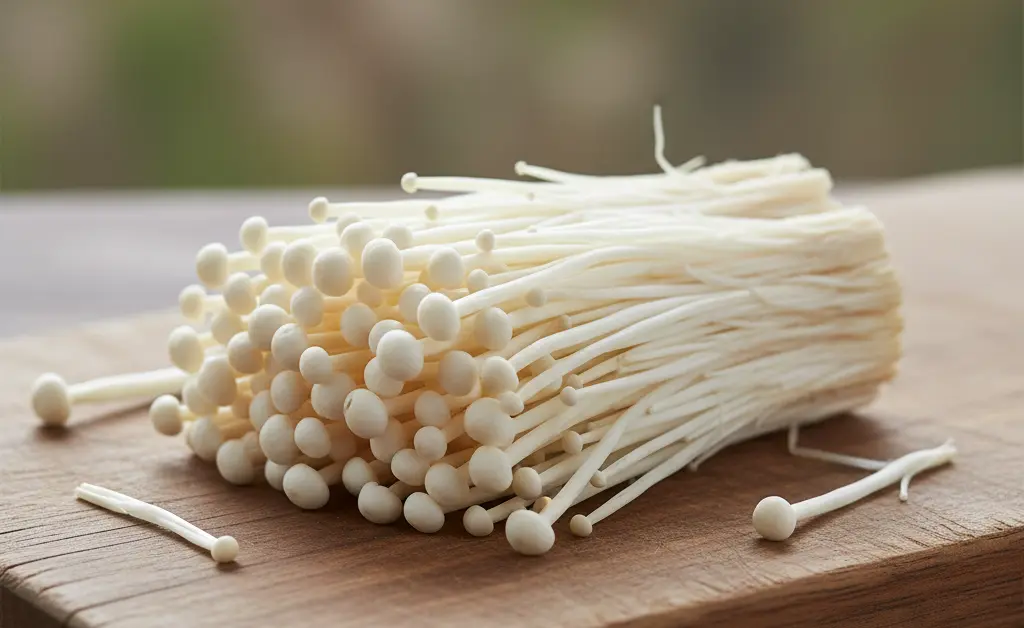
Many people consider mushrooms primarily for their unique flavor and texture, often overlooking their significant nutritional contributions. It’s a common belief that vegetables are the sole powerhouses of vitamins, but this perception doesn’t tell the full story, especially when it comes to fungi. Far from being just a garnish, the delicate enoki mushroom is a prime example of how these unassuming organisms can pack a considerable dietary punch. They offer more than just culinary versatility; their subtle appearance belies a robust nutritional profile. This article will delve into the specific enoki mushroom vitamins that make them a beneficial addition to a balanced diet, revealing the vital nutrients they contribute to overall health.
Nutritional Profile of Enoki Mushrooms
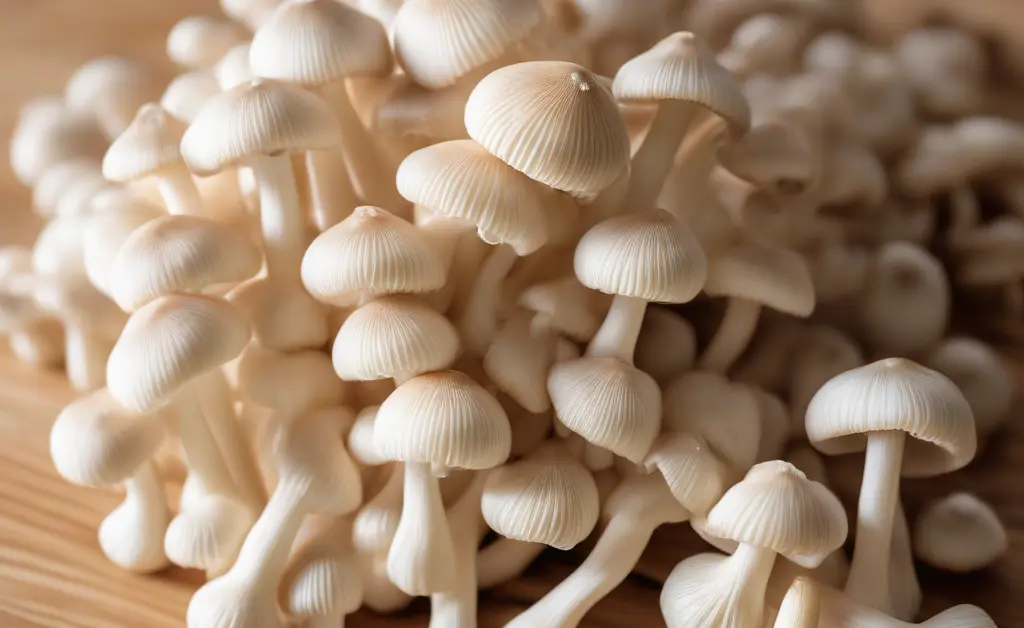
Enoki mushrooms, known scientifically as Flammulina velutipes, possess a surprisingly dense nutritional profile despite their light and delicate structure. They are low in calories and fat, making them an excellent ingredient for those mindful of their dietary intake. Beyond their basic macronutrient composition, these mushrooms are a notable source of various micronutrients. The overall value of enoki mushroom vitamins contributes significantly to their reputation as a healthy food choice. They also contain dietary fiber and an array of minerals, which work in concert with the vitamins to support various bodily functions. This combination of nutrients makes enoki a valuable and well-rounded addition to meals, contributing more than just their mild, pleasant taste.
B Vitamins (Thiamine, Riboflavin, Niacin, Pantothenic Acid, B6, Folate)
The most prominent feature of enoki’s nutritional content is its concentration of B-complex vitamins. Each of these vitamins plays a distinct and critical role in maintaining health.
- Niacin (B3): Enoki mushrooms are often highlighted as a particularly good source of niacin. This vitamin is essential for converting the food we eat into usable energy and is crucial for the proper functioning of the nervous system and digestive system.
- Pantothenic Acid (B5): Also involved in energy metabolism, pantothenic acid is necessary for synthesizing and metabolizing fats, proteins, and carbohydrates.
- Thiamine (B1): This vitamin plays a key role in energy production, particularly in how the body uses carbohydrates. It also supports nerve and muscle function.
- Riboflavin (B2): Riboflavin is important for growth and overall good health. It helps the body break down carbohydrates, proteins, and fats to produce energy.
- Vitamin B6: Involved in numerous metabolic processes, Vitamin B6 is important for brain development and function, and for helping the body make the hormones serotonin and norepinephrine, which influence mood.
- Folate (B9): Folate is vital for healthy cell growth, function, and the formation of DNA. It is a key nutrient, especially for supporting red blood cell formation.
Key Vitamins Found in Enoki Mushrooms
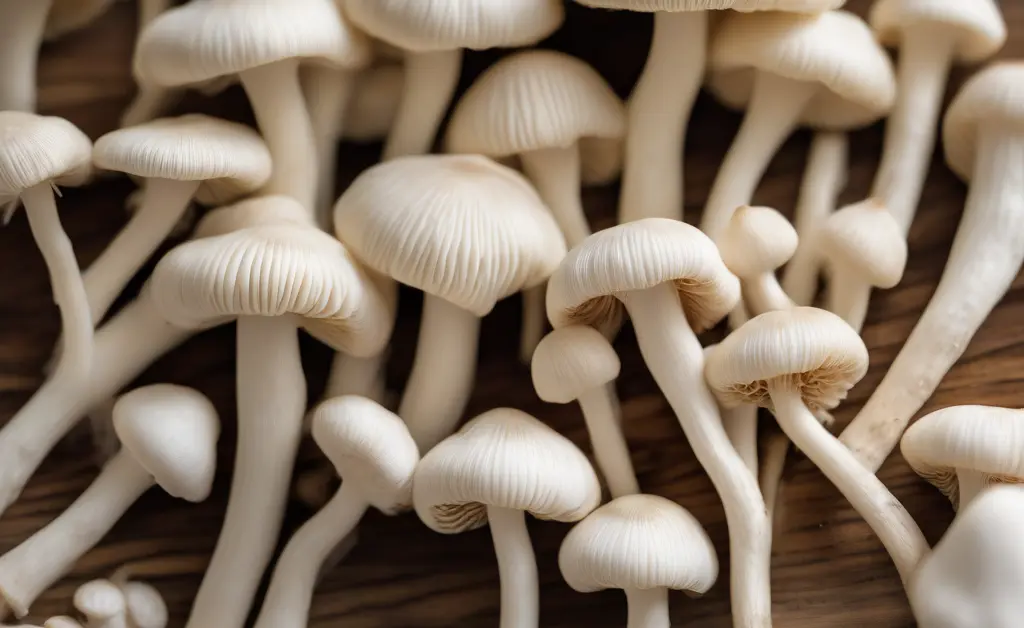
Beyond the impressive array of B vitamins, enoki mushrooms contain other compounds that contribute to their health-promoting profile. These mushrooms possess antioxidant properties, which means they contain substances that can help protect cells from damage caused by free radicals. This cellular protection is a cornerstone of maintaining long-term health. The blend of nutrients in enoki mushrooms also appears to support the normal function of the immune system. A well-nourished body is better equipped to maintain its defenses, and the vitamins and minerals found in foods like enoki contribute to this state of readiness. For comprehensive health information and dietary guidelines, individuals can consult reputable sources such as the CDC. The rich B-vitamin content, as previously discussed, is central to processes related to energy production and metabolism, helping the body efficiently convert food into fuel. This same group of nutrients is also intrinsically linked to nervous system health, supporting communication between nerve cells. While not typically a primary source, some mushrooms can provide Vitamin D if they have been exposed to UV light, which is another nutrient to consider in the context of fungi’s role in a balanced diet. The unique combination of enoki mushroom vitamins and other bioactive compounds makes them an intriguing subject of nutritional science.
In conclusion, enoki mushrooms are far more than a simple culinary flourish. They are a nutrient-dense food, offering a significant source of B-complex vitamins, including niacin, pantothenic acid, and folate. These nutrients are essential for critical bodily functions such as energy production, nervous system health, and immune system support. Incorporating enoki mushrooms into a varied and balanced diet can be a delicious way to boost your intake of these vital micronutrients. Their versatility in the kitchen, combined with their beneficial nutritional profile, solidifies their status as a valuable component of a healthy eating pattern.
This article is meant for general informational use and awareness. The information presented is not intended to be a substitute for professional medical advice, diagnosis, or treatment. Always seek the advice of your physician or other qualified health provider with any questions you may have regarding a medical condition. The statements regarding dietary foods or supplements have not been evaluated by the Food and Drug Administration.
FAQ
What vitamins are in enoki mushrooms?
Enoki mushrooms are a source of several B vitamins, including niacin (B3) and pantothenic acid (B5). These vitamins play important roles in energy metabolism within the body. They also contain small amounts of other essential nutrients.
Which vitamins do mushrooms contain?
Mushrooms are generally recognized for their contribution to several vitamin groups. They are a notable source of B vitamins, which are crucial for numerous bodily functions. Additionally, some varieties offer vitamin D when exposed to UV light, a nutrient not commonly found in plant-based foods.
Continue reading
You May Also Like
Unpacking the Rich Vitamin Profile of Enoki Mushrooms
This complete nutritional profile breaks down the key enoki mushroom vitamins, including B-complex vitamins, and their role in a balanced diet.
The Impressive Health Profile of Enoki Mushrooms
This guide covers the main enoki mushroom benefits, from their impressive nutritional value and antioxidant content to their role in heart health.
The Delicate Flavor Profile of Enoki Mushrooms
With a delicate and crisp texture, the enoki mushroom taste is defined by its mild, subtly sweet notes and a clean, earthy umami finish.