
How to Prepare Perfect Enoki Mushroom Yaki
Just as a perfectly grilled asparagus spear or a well-seasoned baked potato can elevate a meal with its simple yet satisfying appeal, enoki mushroom yaki offers a similar experience. This Japanese dish transforms delicate enoki mushrooms into a delightful culinary treat, combining their unique texture with savory seasonings and a quick cooking method. Often found as a popular izakaya staple, it’s a versatile dish that balances earthy flavors with a hint of umami, making it an excellent accompaniment to various main courses or a light, flavorful appetizer on its own. Preparing this dish at home allows for customization and ensures a fresh, authentic taste, requiring minimal effort for maximum flavor impact. This guide will walk you through the essential steps to master this elegant and flavorful preparation.
Enoki Mushroom Yaki Recipe
Creating this dish is a straightforward process that highlights the natural qualities of enoki mushrooms. The key is a quick, high-heat cooking method that lightly browns the mushrooms while preserving their characteristic tender-crisp texture. While traditionally cooked on a grill, it can also be prepared in a skillet on the stovetop for a delicious result. This simple enoki mushroom recipe is perfect for any occasion.
Enoki mushroom yaki recipe
The foundation of this dish lies in its simple ingredients and precise preparation. Before cooking, it’s essential to properly prepare the enoki mushrooms. For detailed information on mushroom properties and health benefits, you can consult reliable sources like the National Institutes of Health (NIH).
Ingredients:
- Fresh enoki mushrooms
- Cooking oil with a high smoke point (such as canola or vegetable oil)
- Butter
- Soy sauce
- Mirin
- Sake (optional)
- Black pepper
- Optional garnishes: chopped scallions, toasted sesame seeds
Instructions:
- Cleaning Enoki Mushrooms: Begin by trimming off the root base of the enoki mushroom cluster. Gently wipe the mushrooms with a damp paper towel to remove any debris. Avoid soaking them in water, as they are highly absorbent and can become soggy.
- Separating Enoki Mushrooms: Carefully separate the main cluster into smaller, bite-sized bundles. This allows for more even cooking and ensures the sauce coats more of the surface area.
- Cooking the Mushrooms: Heat a skillet or frying pan over medium-high heat and add the cooking oil. Once hot, carefully place the enoki bundles in the pan in a single layer. Let them cook for a few minutes without moving to allow them to develop a light golden-brown color. Flip the bundles and cook the other side. The goal is to get a slight sear while keeping the stems tender. This method results in a beautifully prepared enoki mushroom yaki that is flavorful and texturally pleasing.
Enoki mushroom yaki sauce
The sauce is what brings the dish together, adding a rich, savory, and slightly sweet umami flavor. The most common variation is a classic enoki mushrooms with soy butter sauce.
To prepare the sauce, you can either mix the liquid ingredients beforehand or add them directly to the pan. After the mushrooms are lightly browned, reduce the heat to low. Add a knob of butter to the skillet and let it melt. Once melted, pour in the soy sauce, mirin, and optional sake. Gently toss the mushroom bundles in the sauce to coat them evenly. Allow the sauce to bubble and thicken slightly for about a minute. This quick simmer infuses the mushrooms with flavor without overcooking them. Finish with a sprinkle of black pepper before removing from the heat.
Tips for Perfect Enoki Mushroom Yaki
Mastering this dish involves a few key techniques that ensure optimal flavor and texture. One of the most important aspects is managing moisture. Pat the mushrooms dry after a quick rinse or wipe-down to help them sear rather than steam. A hot pan is crucial for achieving the desired browning, which adds a layer of nutty, roasted flavor that complements the mushroom’s delicate earthiness. For those seeking plant-based options, an excellent enoki mushroom vegan recipe can be adapted by using suitable substitutes.
Avoid overcrowding the pan, as this will lower the temperature and lead to steaming. Cook the mushroom bundles in batches if necessary to ensure each one has enough space to cook properly. Another tip is to be mindful of the cooking time. Enoki mushrooms cook very quickly, and overcooking them can result in a soft, stringy texture. The goal is a tender stem with a slight bite. For variations, consider wrapping the enoki bundles in thinly sliced bacon or foil packets for the grill, which introduces a smoky flavor. If you are interested in a more savory variation, explore a dedicated enoki mushroom bacon recipe. Following these pointers will help you consistently create a perfect enoki mushroom yaki.
Serving Suggestions
The versatility of this dish allows it to be served in numerous ways. In a traditional Japanese izakaya setting, it is often presented as a small plate or appetizer, perfect for sharing. You can serve it immediately after cooking, garnished with fresh, finely chopped scallions or a sprinkle of toasted sesame seeds for added texture and aroma. A small squeeze of lemon or yuzu juice right before serving can also cut through the richness of the butter and soy sauce, brightening the overall flavor profile.
As a side dish, enoki mushroom yaki pairs wonderfully with grilled steak, chicken, or fish. Its savory flavor profile complements simple main courses without overpowering them. It can also be placed on top of a warm bowl of steamed Japanese rice, allowing the rice to soak up the delicious soy-butter sauce. For a more substantial meal, serve it alongside other sautéed vegetables or a simple tofu dish.
This information is provided for educational purposes only. It is not intended as a substitute for professional culinary or dietary advice. The benefits mentioned in relation to food items are based on general knowledge and traditional uses, not on medical claims. Individuals with food allergies or specific dietary requirements should exercise caution and consult with a qualified professional before trying new recipes or ingredients.
FAQ
What are the primary compounds in functional mushrooms?
Functional mushrooms contain a unique array of beneficial compounds, notably beta-glucans. These complex carbohydrates are known for their role in supporting the immune system. They also possess other bioactive compounds like triterpenes and antioxidants that contribute to their overall wellness profile.
How do functional mushrooms differ from culinary mushrooms?
While some mushrooms can be both culinary and functional, the distinction often lies in their specific compound concentrations and traditional uses. Functional mushrooms are typically utilized for their potential health-promoting properties rather than primarily for their taste or texture. Their rich polysaccharide content, particularly beta-glucans, is a key characteristic.
What is enoki mushroom yaki?
Enoki mushroom yaki refers to a preparation method where enoki mushrooms are grilled or pan-fried, often with seasonings. This technique is popular for bringing out the delicate, slightly sweet flavor of the enoki. The enoki mushroom yaki is a simple yet flavorful way to enjoy this particular variety.
Can I grow functional mushrooms at home?
Growing functional mushrooms at home is achievable with the right supplies and knowledge. Many varieties can be cultivated in kits that provide a pre-colonized substrate. Successfully growing mushrooms at home requires attention to humidity, temperature, and light conditions.
How are functional mushrooms typically consumed?
Functional mushrooms can be incorporated into the diet in various ways, such as being added to meals, brewed into teas, or taken as supplements. Their earthy flavor makes them versatile in cooking, while extracts are common for concentrated intake. These different forms allow for flexibility in how individuals choose to use them.
Continue reading
You May Also Like
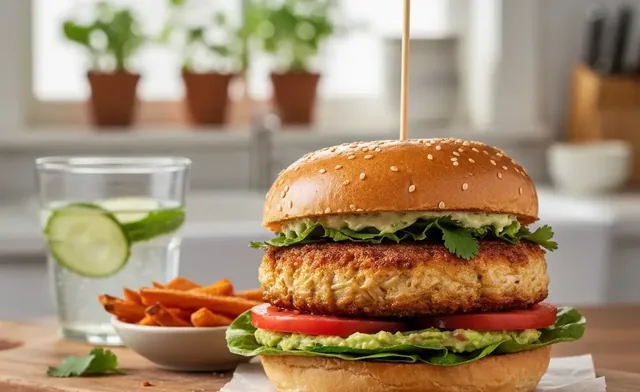
Crafting the Perfect Enoki Mushroom Burger
This simple enoki mushroom burger recipe guides you step-by-step to create a crispy, umami-packed patty for a truly unforgettable meal.
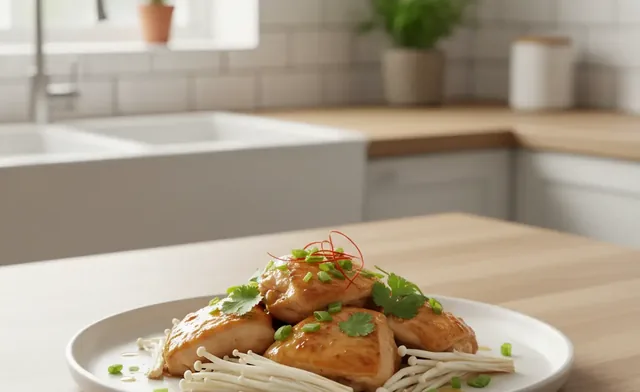
Flavorful Ways to Prepare Enoki Mushroom Chicken
This enoki mushroom chicken recipe is the definitive guide to making a perfect stir-fry or soup, with clear, step-by-step instructions.
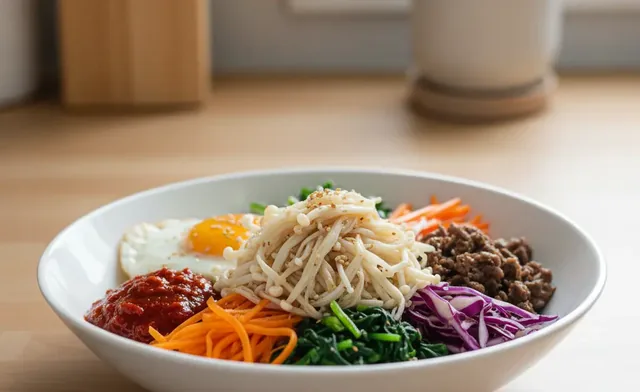
The Perfect Sautéed Enoki for Your Bibimbap
This guide shows how to select, prepare, and cook the ideal enoki mushroom for bibimbap, plus an easy recipe for this classic Korean topping.