
Wild Mushroom Foraging: A Beginner’s Safety Protocol
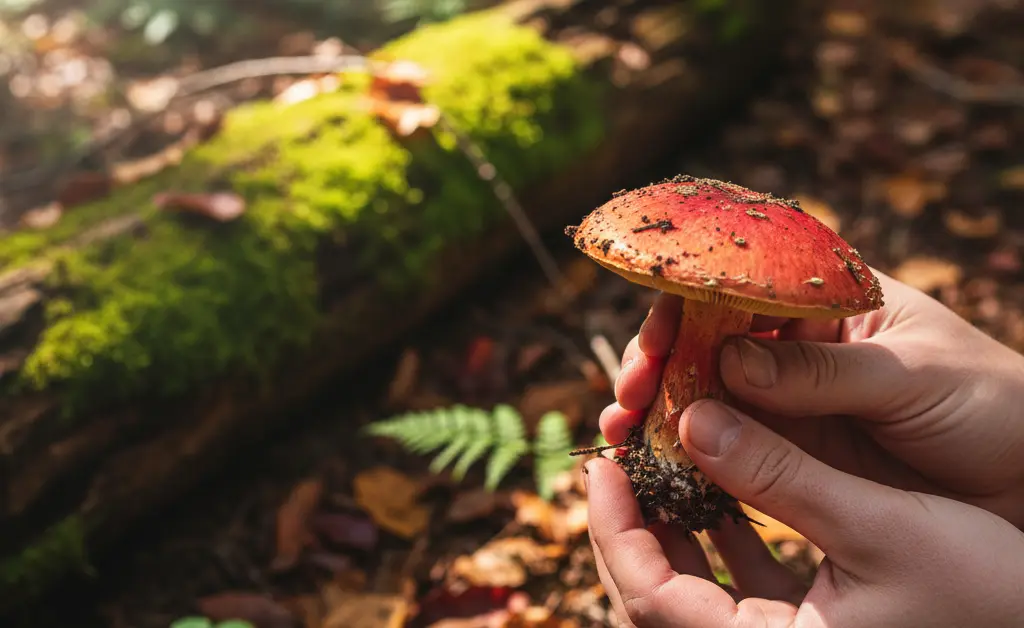
Many individuals approach the idea of collecting fungi from their natural habitat with a mix of curiosity and apprehension, often deterred by the potential risks associated with misidentification. Without proper guidance, the prospect of discerning edible varieties from toxic ones can seem daunting, limiting access to a unique and rewarding culinary pursuit. However, by embracing foundational knowledge and adhering to strict safety protocols, beginners can transition from hesitant observers to confident participants in the world of foraging wild mushrooms. This guide provides practical steps and essential information designed to demystify the process, ensuring that enthusiasts can safely and responsibly enjoy the bounty of nature while minimizing risks and maximizing enjoyment of this ancient practice.
Beginner Foraging Tips for Mushrooms
Embarking on the journey of foraging wild mushrooms can be a deeply rewarding experience, connecting you with nature and providing unique culinary delights. For beginners, the initial steps involve much more than just spotting a mushroom; it requires careful preparation and adherence to best practices for sustainable mushroom foraging. Start by focusing on learning just a few easily identifiable, common edible species in your local area. This gradual approach minimizes risks and builds confidence. Always go with an experienced mentor for your first few trips, or join local mycological societies that offer guided forays. They can provide invaluable, real-time insights into identifying wild mushrooms, understanding their habitats, and distinguishing them from potentially harmful look-alikes. Consider why forage for wild mushrooms beyond culinary curiosity; it’s an opportunity to engage with local ecosystems, learn about biodiversity, and practice mindfulness in nature.
Legal Foraging of Mushrooms
Before you even step out with your basket, understanding the legalities surrounding mushroom foraging is paramount. Rules and regulations can vary significantly depending on your location. Public lands, such as state or national forests, often have specific guidelines regarding the quantity or type of fungi that can be collected, and some may require permits. Private land, conversely, always requires explicit permission from the landowner. It is crucial to research and understand local bylaws and restrictions to ensure you are legally foraging and not trespassing. Respecting these rules not only keeps you out of trouble but also supports responsible land management and ensures access for future foragers. Always check with local park rangers, forest service offices, or municipal authorities regarding specific regulations for finding wild mushrooms in your chosen area.
How to Harvest Wild Mushrooms
Proper harvesting techniques are essential for both the quality of your collection and the sustainability of the mushroom population. When harvesting wild mushrooms, carefully observe the specimen. For most species, it is recommended to use a sharp knife to cut the stem near the base, leaving the mycelial network (the “root” system) intact in the ground. This practice ensures that the mushroom can potentially regrow from the same spot, supporting continuous yields. Avoid pulling mushrooms directly from the ground, as this can damage the underground network. Gently brush off any dirt or debris from the mushroom while still in the field. When harvesting, it’s also good practice to leave a few mature specimens behind to sporulate and ensure future generations. This mindful approach to leaving spores to reproduce is a cornerstone of avoiding over-harvesting and respecting the ecosystem.
Identifying Common Edible Wild Mushrooms
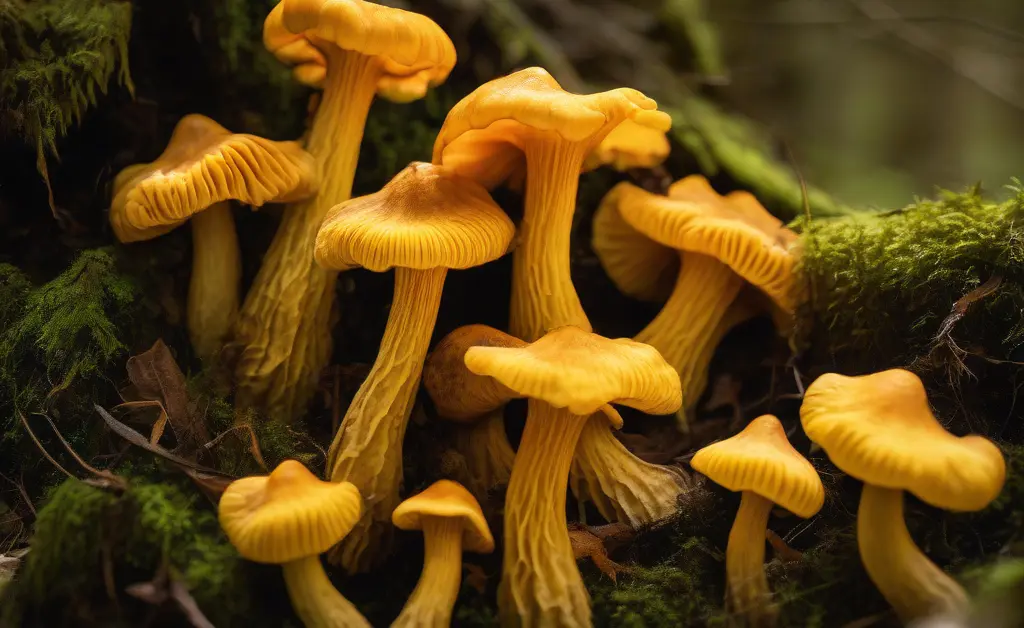
The ability to accurately identify mushrooms is the cornerstone of safe and successful foraging wild mushrooms. For beginners, it’s vital to start with species that have very few or no toxic look-alikes and distinct identifying features. Some excellent beginner-friendly mushrooms include Chanterelle Mushrooms, known for their vibrant color and gill-like ridges, and Morel Mushrooms, recognized by their distinct honeycomb-like caps. Oyster Mushrooms often grow in shelf-like clusters on trees, while Porcini Mushrooms boast a sturdy cap and stem. Chicken of the Woods, with its bright orange, shelf-like appearance, is also a popular choice. Lion’s Mane Mushrooms are easily identified by their shaggy, white, icicle-like appearance. Focus on learning comprehensive details about these few species rather than trying to identify everything you see. Understanding toxic look-alikes is just as important as knowing the edible ones. The golden rule when telling if a mushroom is edible is: “When in doubt, throw it out.” This simple principle can prevent dangerous mistakes.
Mushroom Identification Guides
Reliable mushroom identification guides are indispensable tools for any forager. These resources come in various forms, including physical field guides, mobile applications, and online databases. A good field guide will feature clear photographs or illustrations, detailed descriptions of macroscopic features (cap, gills, stem, spore print), habitat information, and notes on common look-alikes. It’s often beneficial to cross-reference information from multiple sources to confirm an identification. Many guides also include information on edibility, common names, and scientific names. Consider investing in guides specific to your geographic region, as fungal species can vary widely across different climates and ecosystems. Attending workshops or guided forays with experienced mycologists can also provide practical experience in using these guides effectively. You can find information on various types of culinary mushrooms that might be found.
Tools and Gear for Mushroom Foraging
Having the right tools and gear can significantly enhance your experience when foraging wild mushrooms, making it more comfortable, efficient, and safe. While you don’t need an extensive kit to start, a few key items are considered essential for any serious mushroom hunter. These tools are designed to aid in identification, collection, and ensuring the freshness of your harvest. Prioritizing quality and practicality in your foraging equipment will serve you well on your trips, allowing you to focus on the discovery and identification process.
Field Guides
As mentioned previously, a good field guide is non-negotiable. It’s your primary reference for confirming identifications on the spot. Choose a compact, durable guide that can withstand the rigors of being carried outdoors. Many experienced foragers carry a regional guide, sometimes supplemented by a small notebook for observations and a magnifying glass for examining minute features like gill attachments or stem texture. Some also find value in carrying a small mirror for viewing the underside of caps without disturbing the mushroom.
Collection Baskets and Bags
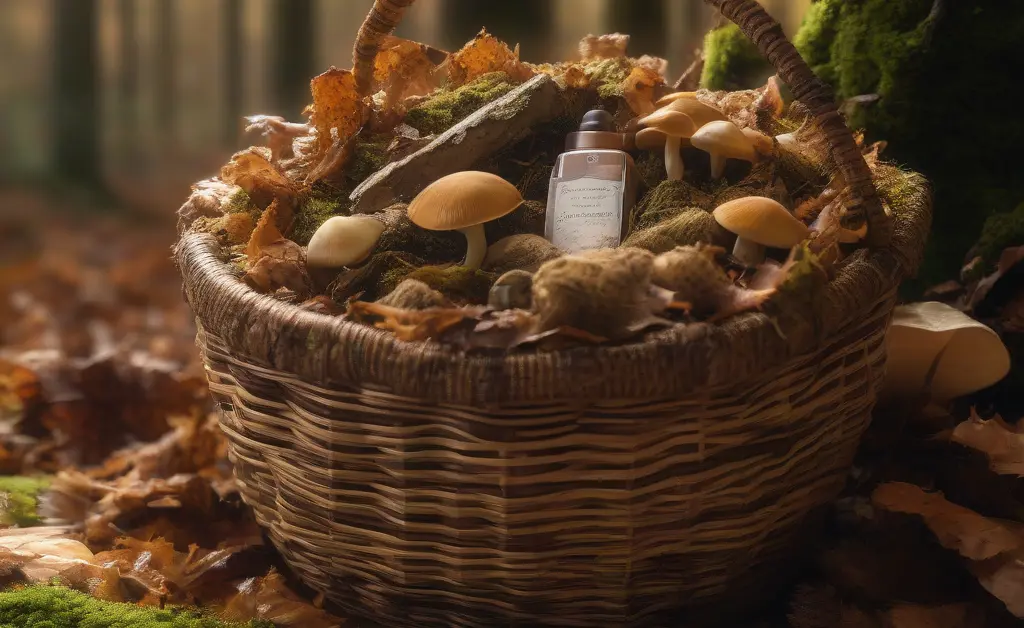
The choice of container for your harvest is more important than it might seem. Traditional wicker collection baskets are preferred because they allow spores to drop through the openings as you walk, helping to disperse them and encourage future growth. They also prevent your mushrooms from getting crushed or sweating, which can happen in plastic bags and lead to spoilage. If a basket isn’t feasible, a mesh bag or even a paper bag can be a suitable alternative. Avoid airtight plastic bags, as they can cause mushrooms to rapidly degrade, turning your prized finds into a slimy mess.
Cutting Tools
A sharp knife is crucial for cleanly cutting mushroom stems at the base, minimizing damage to the mycelial network. Many foragers prefer a small, foldable “foraging knife” that often includes a brush on one side for cleaning dirt off specimens in the field. A stiff brush is helpful for removing soil and debris from your mushrooms before placing them in your basket, ensuring a cleaner collection and less dirt to deal with at home. Always keep your cutting tools clean to avoid cross-contamination between different fungi.
Safety Precautions for Mushroom Foraging

Safety is the absolute priority when foraging wild mushrooms. The potential for encountering toxic species makes cautious and informed practice non-negotiable. Never consume a mushroom unless you are 100% certain of its identification. There are many mushroom varieties that can cause severe illness, or even be lethal, if ingested. Always double-check your findings with multiple reliable sources and, if possible, with an expert. If you are foraging with others, make sure each person understands the importance of not consuming unknown fungi. Even with edible species, cooking them thoroughly is generally recommended, as some can cause mild digestive upset if eaten raw. Be aware of your surroundings, especially if you are in an unfamiliar area. Keep an eye on the weather and be mindful of other potential hazards in the wilderness.
Beyond identification, consider the environment where you are collecting. Avoid foraging in areas that may be contaminated with pesticides, herbicides, or heavy metals, such as roadsides or industrial areas. Mushrooms are bioaccumulators, meaning they can absorb toxins from their environment. Always carry a first-aid kit, water, and navigation tools. Inform someone of your foraging plans and expected return time. Be vigilant for allergic reactions and sensitivities even to known edible species, as individual reactions can vary. It’s wise to try a small amount of any new mushroom species first, waiting to see how your body reacts before consuming a larger portion. Remember, when it comes to mushrooms to avoid, the rule “When in doubt, throw it out” is not just a suggestion; it’s a critical safety directive. For more on safe food practices, you can consult the FDA.
Engaging in the practice of foraging wild mushrooms offers a unique opportunity to connect with nature and discover new culinary delights. By prioritizing safety through rigorous identification, respecting legal boundaries, utilizing sustainable harvesting techniques, and equipping yourself with the right tools and knowledge, you can confidently and responsibly explore the rich fungal diversity of your local environment. Remember that continuous learning and cautious practice are key to a rewarding and safe foraging experience. Discover more about edible mushrooms you can find in the woods.
This information should be viewed as educational rather than medical advice. It is intended to provide general knowledge and should not replace professional guidance. Always consult with qualified experts for specific health concerns or before making any decisions related to health or well-being.
FAQ
What are the most common edible wild mushrooms?
Common edible wild mushrooms include morels, chanterelles, and oyster mushrooms. These are often sought after for their distinct flavors and textures in culinary applications. Identification of these species is crucial to ensure safety.
What are the dangers of foraging for wild mushrooms?
The primary danger in mushroom foraging lies in the potential for misidentification, which can lead to consuming poisonous species. Some toxic mushrooms can cause severe illness, organ damage, or even be fatal. It is essential to be absolutely certain of a mushroom’s identity before considering it for consumption.
What equipment do I need to forage for mushrooms?
Essential equipment for mushroom foraging includes a basket for carrying specimens, a sharp knife for harvesting, and a field guide for identification. Comfortable walking shoes and weather-appropriate clothing are also important for spending time outdoors. Some foragers also carry a brush for cleaning specimens and a notebook for recording observations.
How do I identify edible mushrooms in the wild?
Identifying edible mushrooms involves a careful study of their physical characteristics, including cap shape and color, gill attachment, stem structure, and spore print color. Learning to distinguish between edible and toxic look-alikes requires dedicated study and practice. Consulting with experienced foragers and using reliable identification resources are key steps.
What are some beginner-friendly wild mushrooms to forage?
For beginners, mushrooms like the common puffball and the hen-of-the-woods are often considered more straightforward to identify. These species generally have fewer dangerous look-alikes compared to other wild mushrooms. Learning to properly identify foraging wild mushrooms is a critical first step for any new enthusiast.
Where are the best places to find wild mushrooms?
Wild mushrooms are typically found in wooded areas with specific types of trees that support mycorrhizal relationships, such as oaks, pines, and birches. Different species prefer different habitats, so understanding the ecological needs of target mushrooms is important. Look for areas with plenty of moisture and decaying organic matter.
How can I tell if a wild mushroom is edible?
Determining edibility is a complex process of careful observation and accurate identification, relying on a suite of features like cap morphology, gill structure, spore color, and habitat. There is no single, simple rule to discern edible from toxic mushrooms, and universal edibility tests are unreliable and dangerous. Only consume mushrooms that have been identified with absolute certainty by an expert or through extensive personal study.
Where can you legally forage mushrooms?
Legality for foraging mushrooms often depends on land ownership and local regulations. Many public lands allow foraging for personal consumption, while private property requires landowner permission. Always check specific rules and obtain any necessary permits before harvesting mushrooms.
Which mushrooms should I avoid when foraging?
Certain mushrooms, like the Death Cap (Amanita phalloides) and the Destroying Angel (Amanita bisporigera), are highly toxic and should be avoided at all costs. Generally, any mushroom that cannot be positively identified as edible should be left undisturbed. It is better to err on the side of caution when encountering unfamiliar species.