
Fresh vs. Dried Porcini: A Culinary Comparison
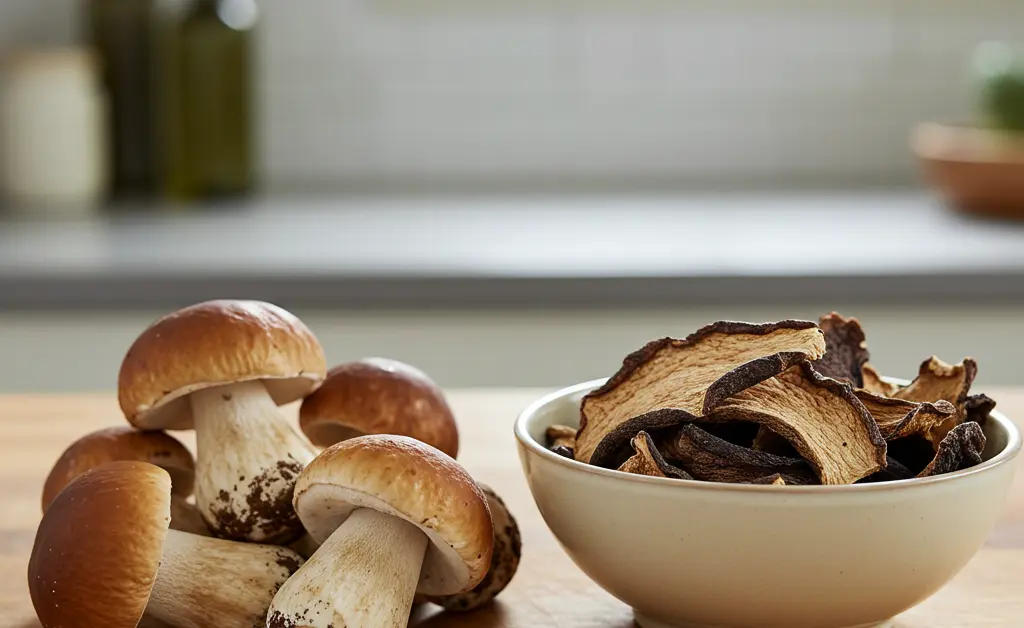
It’s a common culinary assumption that fresh ingredients are invariably superior to their dried forms. While often true, this rule doesn’t necessarily apply to the prized porcini. The choice between fresh vs. dried porcini mushrooms isn’t about which is better, but which is better suited for a specific culinary purpose. The dehydration process fundamentally transforms the mushroom, concentrating its flavor into a powerful, umami-rich essence that is often more desirable in sauces, stocks, and risottos. Fresh porcini offer a different experience, with a delicate, nutty taste and a firm, meaty texture perfect for sautés or grilling. Exploring their distinct properties—from flavor and cost to availability and cooking application—is essential for any home cook looking to master this versatile ingredient.
Fresh vs. Dried Porcini Mushrooms
Porcini mushrooms, known in the scientific community as Boletus edulis, are a celebrated ingredient in Italian cuisine and beyond. They are prized for their distinct flavor and substantial texture, which sets them apart from many other mushroom varieties. For example, while there are many wonderful oyster mushroom recipes, porcini have a unique status. When considering the culinary use of this fungus, chefs and home cooks are presented with two primary options: fresh or dried. The debate over fresh vs. dried porcini mushrooms is not about finding a winner, but rather understanding their unique roles in the kitchen. Each form offers a different set of characteristics that can elevate a dish in its own way. Fresh porcini provide a subtle earthiness and a satisfyingly firm bite, while dried porcini deliver a powerful, concentrated punch of umami flavor that can define an entire recipe.
Key Differences: Flavor, Texture, Cost, and Availability
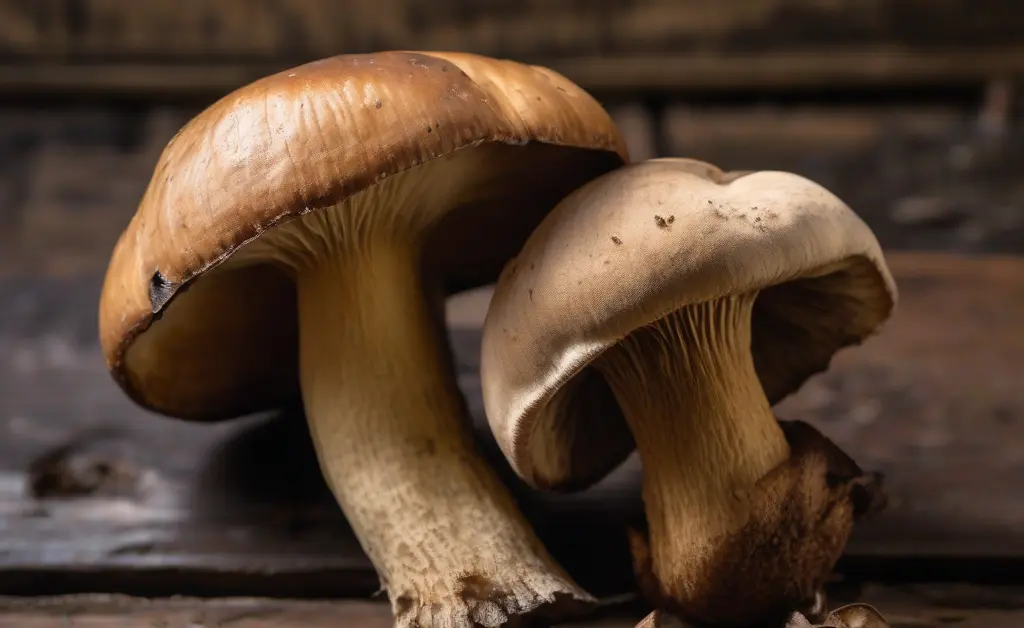
Understanding the fundamental distinctions between the two forms of porcini is key to using them effectively. The drying process is a transformative one, altering not just the mushroom’s water content but its very essence. Factors such as flavor profile, final texture, price point, and when you can find them are all dramatically different. For a cook, appreciating these nuances is the first step toward mastering the art of cooking with porcini and deciding whether fresh or dried is the right choice for their intended dish. The discussion of fresh vs. dried porcini mushrooms ultimately centers on how these differences influence the final culinary creation.
Flavor and Aroma Profile
The most significant difference lies in the flavor and aroma. Fresh porcini mushrooms possess a delicate, nuanced flavor profile. They have a woodsy, earthy taste with nutty undertones and a subtle sweetness. Their aroma is mild and fresh. In contrast, the dehydration process works to concentrate these flavors intensely. Dried porcini mushrooms have a much deeper, more pungent aroma and a robust umami flavor that is often described as smoky and savory. This concentrated flavor makes them a powerful seasoning agent, capable of infusing stocks, sauces, and grains with a profound depth that fresh mushrooms cannot replicate. One popular way to harness this is by creating a compound porcini mushroom butter to enrich various dishes.
Texture Before and After Cooking
The texture is another point of divergence. Fresh porcini have a high water content, giving them a firm, smooth, and meaty texture when raw. Proper cleaning and preparation are crucial. When sautéed or roasted, they retain a satisfying, tender bite that is a highlight of the dishes they are in. Dried porcini, being completely dehydrated, are hard and brittle. Before they can be used in most recipes, they require rehydrating in warm water. After soaking, their texture becomes tender and slightly chewy, yet they lack the solid firmness of their fresh counterparts. In dishes like stews or a slow-cooked pasta sauce, they can break down further, melting into the dish to contribute flavor more than distinct texture.
Cost and Shelf-Life
From a practical standpoint, cost and storage are major considerations. Fresh porcini are a seasonal and highly perishable luxury. Their short shelf-life and the difficulty of foraging or cultivating them make them significantly more expensive and harder to find. They must be used within days of purchase. Dried porcini, on the other hand, are far more economical and accessible. Once dried, they are shelf-stable and can be stored in an airtight container for a year or more, retaining their potent flavor. This makes them a reliable pantry staple for adding a gourmet touch to everyday cooking.
Seasonal Availability
Availability is directly linked to the mushroom’s life cycle. Fresh porcini are wild, seasonal mushrooms, typically appearing in forests in the late spring and again in the autumn. Their availability is entirely dependent on weather conditions and successful foraging. This limited window makes them a rare treat. Dried porcini mushrooms solve this problem entirely. The drying process preserves the harvest, making the rich flavor of porcini available to cooks all year round, regardless of location or season.
Substituting Fresh vs. Dried Porcini in Recipes
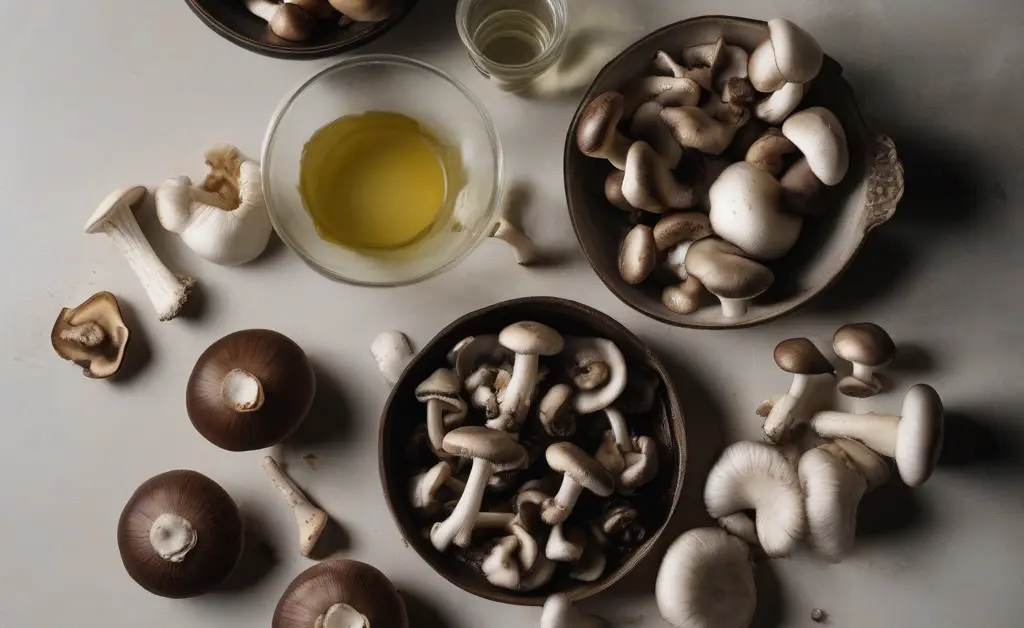
Knowing when and how to substitute one form of porcini for another can save a dish and expand a cook’s versatility. While they are not always interchangeable without adjustments, understanding the conversion principles allows for flexibility in the kitchen. The primary challenge in substituting fresh vs. dried porcini mushrooms is managing the vast difference in flavor concentration and moisture content. A successful substitution requires careful adjustments to quantity, cooking liquid, and preparation technique to achieve a balanced and delicious result.
Fresh-to-Dried Conversion Ratio
There is no universally exact conversion ratio, as the potency of dried mushrooms can vary. However, a general guideline is based on the principle of concentration. Because dried porcini are so intensely flavored, a much smaller amount is needed compared to fresh. As a rule of thumb, a small quantity of dried mushrooms can effectively replace a much larger weight of fresh mushrooms. Starting with a conservative amount of the dried product is wise, as you can always add more, but it’s difficult to correct a dish that has become overpowering.
Adjusting Cooking Time and Liquid
Adjustments to cooking method are critical. Dried porcini must be rehydrated before use, typically by soaking them in hot water or broth. This process not only softens the mushroom but also creates a highly flavorful soaking liquid, which is a key ingredient in itself and should almost always be incorporated into the dish. This rich liquid is the perfect foundation for sauces, like a sophisticated porcini mushroom demi-glace. When substituting dried for fresh, you must account for this added liquid. Conversely, fresh porcini release their own water as they cook, which needs to be cooked off or integrated into the sauce. Cooking time also differs; rehydrated porcini often need less time in the pan than fresh ones.
Impact on the Final Dish’s Flavor
The choice of porcini will fundamentally shape the dish’s final flavor. Using fresh porcini will result in a dish where the mushroom is a distinct component, contributing a mild, earthy flavor and a meaty texture. They are stars when sautéed and served simply. This makes them different from other mushrooms that are often mixed into complex dishes, such as in a king oyster mushroom stir fry recipe. Using dried porcini, especially in a dried mushrooms recipe like a porcini risotto, infuses the entire dish with a deep, pervasive umami flavor. The mushroom becomes an integral part of the sauce or base, lending its character to every bite rather than standing alone as a single ingredient.
Nutritional Comparison: Dried vs. Fresh Porcini

When comparing the nutritional aspects of porcini, the primary difference arises from the dehydration process. Drying removes water, which in turn concentrates everything else left behind, including nutrients and flavor compounds. Both forms can be a positive addition to a varied diet. The nutritional value of any food is just one part of its overall profile, and with porcini, the culinary contributions are often the main focus for many cooks. Ultimately, the question of fresh vs. dried porcini mushrooms is usually decided by the desired flavor impact and texture in a recipe, rather than by their nutritional profiles alone.
Fresh porcini mushrooms, like most fresh vegetables, have a high water content. They are known to be a source of various dietary components. For detailed nutritional information on fungi and other foods, sources like the NIH provide extensive data. The drying process significantly alters the mushroom’s composition by weight. As water is removed, the remaining nutrients become more concentrated. Therefore, on a gram-for-gram basis, dried porcini will appear to have higher amounts of certain elements than fresh ones. Both forms are celebrated for their ability to add rich, savory flavor to meals, which can be particularly satisfying.
This article is written for general understanding and not for medical decision-making. The information provided is for culinary and informational purposes only and should not be considered a substitute for professional dietary or medical advice. Always consult with a qualified healthcare provider or a registered dietitian for any questions regarding your health, diet, or nutritional needs. Before consuming any wild mushrooms, ensure they are correctly identified by an expert, as many poisonous varieties resemble edible ones.
FAQ
Do dried porcini mushrooms taste as good as fresh?
Dried porcini develop a distinctly different and more concentrated flavor profile compared to their fresh counterparts. The drying process initiates a breakdown of proteins into amino acids, intensifying the natural umami and creating a richer, deeper taste. The debate over **fresh vs. dried porcini mushrooms** is less about which is better and more about which flavor profile is desired for a particular culinary application.
What is the equivalent of fresh porcini to dried?
Because fresh mushrooms are composed primarily of water, the dehydration process drastically reduces their weight and volume. This makes dried porcini a highly concentrated form of the mushroom. As a result, a small weight of dried mushrooms will expand significantly in size and yield a much larger quantity once rehydrated.