
Fresh vs. Dried Porcini: A Culinary Comparison
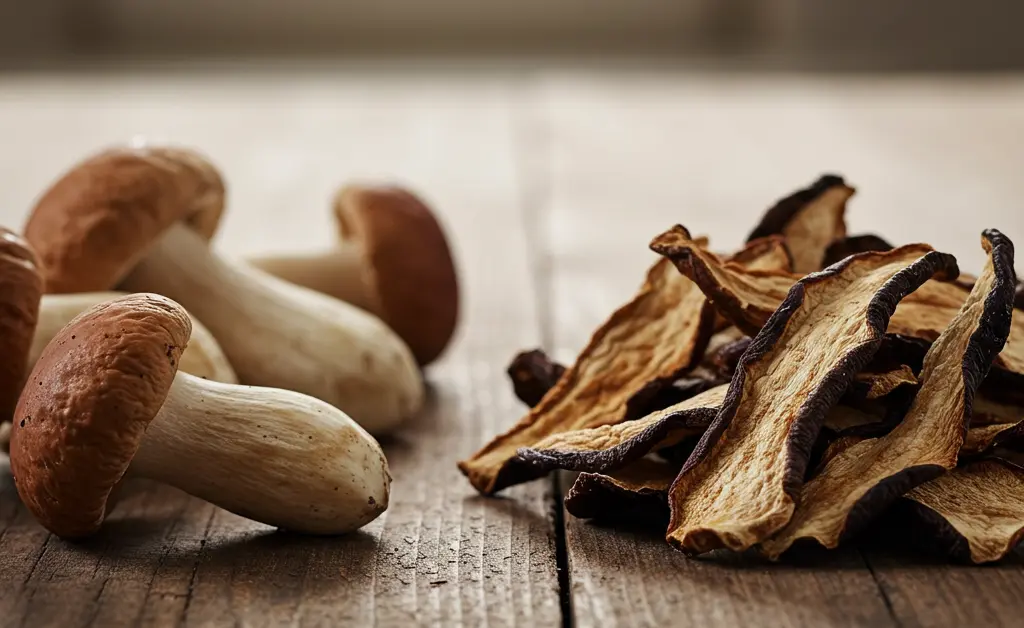
When a recipe simply calls for porcini, does the choice between fresh and dried really make a difference? Known as the “king of mushrooms,” porcini are prized for their rich, nutty flavor. While finding them fresh is a seasonal treat, their dried counterparts offer a concentrated, umami-packed alternative available year-round. The discussion of Fresh vs. Dried Porcini Mushrooms is a common one among both home cooks and professional chefs, as each form brings unique characteristics to the kitchen. These differences influence not just the taste and texture of a dish but also the cooking process itself. Understanding their distinct qualities is essential for unlocking their full culinary potential and deciding which is best suited for your next recipe.
Fresh vs. Dried Porcini Mushrooms
The culinary debate surrounding fresh versus dried porcini mushrooms stems from the fact that they are essentially two different ingredients derived from the same source, the esteemed Boletus edulis mushroom. Fresh porcini offer a taste of the forest floor—earthy, delicate, and nuanced. They have a firm, meaty texture that is celebrated in simple preparations like sautéing or roasting. When cooked, they become tender and succulent, releasing a subtle, nutty aroma.
On the other hand, the drying process transforms the mushroom entirely. Dehydration removes all water content, which dramatically concentrates the porcini’s natural glutamates. This results in an ingredient with an intense, smoky, and profound umami flavor that is far more potent than its fresh counterpart. While they lose the delicate texture of fresh mushrooms, dried porcini gain a powerful ability to infuse entire dishes, such as sauces, stocks, and risottos, with a deep, savory character. This fundamental difference is at the heart of any culinary decision involving them.
Key Differences: Flavor, Texture, Cost, and Availability
Understanding the core distinctions between these two forms is key to mastering their use in the kitchen. The choice between them impacts everything from the shopping list to the final character of a meal. Exploring the topic of Fresh vs. Dried Porcini Mushrooms reveals that each has a distinct role to play, defined by its unique flavor, texture, price point, and accessibility throughout the year.
Flavor and Aroma Profile
Fresh porcini possess a sophisticated yet subtle flavor profile. They are known for their nutty, slightly sweet, and earthy taste with a clean, woodsy aroma. The flavor is present but not overpowering, allowing it to complement other ingredients without dominating them. Their aroma is most noticeable when they are gently cooked, releasing a fragrance that evokes a walk through a damp forest.
Dried porcini, by contrast, offer a powerhouse of concentrated flavor. The drying process deepens their natural savory qualities, creating a smoky, robust, and intensely umami-rich taste. Their aroma is pungent and complex even before rehydrating. This concentrated flavor is less about subtlety and more about providing a deep, foundational savoriness to a dish.
Texture Before and After Cooking
The textural differences are just as significant. A fresh porcini mushroom is firm, smooth, and dense, often described as having a meaty texture. When sautéed or roasted, it becomes wonderfully tender and silky, holding its shape well while developing a pleasant bite. This texture makes it a star ingredient that can be enjoyed in sizable pieces. In a similar way, the meaty texture of other fungi is highlighted in an oyster mushroom tacos recipe.
Dried porcini are brittle and hard in their shelf-stable state. After rehydrating, they develop a distinctly chewy texture. While they soften considerably, they rarely achieve the same delicate tenderness as their fresh counterparts. This resilience makes them excellent for long-simmered dishes like stews and braises, where they can lend flavor for extended periods without disintegrating. Many other mushroom dishes, like an oyster mushroom curry recipe, also benefit from this slow cooking method.
Cost and Shelf-Life
Fresh porcini are a luxury item. Their high cost is due to their short season, difficulty in cultivation, and the labor-intensive process of foraging. They are also highly perishable and should be used within a few days of purchase, requiring careful storage in the refrigerator. In contrast, dried porcini are generally more economical. A small quantity provides a significant amount of flavor, and their shelf-life is exceptional. When stored in an airtight container in a cool, dark place, they can last for many months, making them a reliable pantry staple.
Seasonal Availability
The availability of fresh porcini is dictated entirely by nature. They are wild mushrooms, foraged during specific, often short seasons in late summer and autumn. Their appearance depends on specific weather conditions, making them an unpredictable and eagerly awaited seasonal delicacy. Dried porcini mushrooms, however, break these seasonal constraints. Because they can be harvested in peak season and preserved, they are available for culinary use year-round from specialty food stores and online retailers, offering consistent access to their signature flavor.
Substituting Fresh vs. Dried Porcini in Recipes
Knowing when and how to substitute one form of porcini for another is a valuable kitchen skill. While they are not always interchangeable, understanding the conversion principles and necessary adjustments can save a recipe. The central question in the Fresh vs. Dried Porcini Mushrooms substitution is how to manage the vast differences in flavor intensity and moisture content. This knowledge can also be applied to other versatile fungi, with many oyster mushroom recipes showcasing different preparation techniques.
Fresh-to-Dried Conversion Ratio
There is no single, universally accepted conversion ratio, but a general principle applies: a small amount of dried porcini is equivalent to a much larger weight of fresh ones. This is because all the water has been removed from the dried mushrooms, concentrating their mass and flavor. When substituting dried for fresh, you will use a significantly smaller quantity. Conversely, if a recipe calls for dried porcini and you have fresh ones, you will need to use a much greater amount to achieve a comparable, albeit different, flavor impact.
Adjusting Cooking Time and Liquid
The primary adjustment when using dried porcini is the rehydration step. Dried mushrooms must be soaked in warm water or broth until they are pliable. This preliminary step adds to the overall preparation time. A crucial element of this process is the resulting soaking liquid. This liquid becomes a flavorful, umami-rich broth that should be strained through a fine-mesh sieve or coffee filter to remove any grit and then added to the dish. This technique is essential for capturing the full essence of the dried mushroom. Cooking with fresh porcini is more straightforward, as they can be cleaned and added directly to the pan, requiring no pre-soaking or extra liquid.
Impact on the Final Dish’s Flavor
Substituting one form for the other will fundamentally change the character of a dish. A pasta sauce made with fresh porcini will have a lighter, more delicate mushroom flavor and a silkier texture from the mushrooms themselves. The same sauce made with dried porcini and their soaking liquid will be darker, richer, and possess a deep, savory complexity that permeates the entire dish. The former highlights the mushroom as a distinct ingredient, while the latter uses it to create a foundational flavor base. Exploring different fungi can also lead to other delicious meals, like a rich oyster mushroom sauce recipe.
Nutritional Comparison: Dried vs. Fresh Porcini

From a nutritional standpoint, both fresh and dried porcini offer benefits, though the concentration of nutrients differs. The discussion of Fresh vs. Dried Porcini Mushrooms often focuses on flavor, but their nutritional profiles also shift during the drying process. Both forms are a good source of dietary fiber, protein, and various vitamins and minerals, including B vitamins and potassium. According to health authorities like the NHS, a balanced diet rich in vegetables and fungi contributes to overall well-being.
Because the drying process removes water, the nutrients in dried porcini become much more concentrated by weight. This means that, gram for gram, the dried version contains higher levels of protein, fiber, and minerals compared to its fresh, water-heavy counterpart. However, fresh porcini contribute more water content to a diet. Ultimately, both forms can be a valuable part of a balanced diet, with the primary culinary choice depending on the desired flavor and texture rather than a significant nutritional difference when consumed in typical amounts.
The choice between fresh and dried porcini mushrooms is not a matter of which is superior, but which is best suited for the culinary task at hand. Fresh porcini excel in dishes where their delicate flavor and meaty texture can be the star, such as in a simple sauté, a topping for steak, or folded into fresh pasta. They bring a subtle elegance and a taste of their natural habitat to the plate. Dried porcini, with their concentrated umami flavor, are the workhorses of the pantry. They are unparalleled for building deep, savory foundations in risottos, stews, braises, and complex sauces, where their robust character can infuse the entire dish. Understanding their distinct personalities allows any cook to use the “king of mushrooms” to its fullest potential, whether as a seasonal treasure or a year-round staple.
The content presented here is not a substitute for professional medical guidance. The information provided is for culinary and informational purposes only and should not be interpreted as medical or nutritional advice. Individuals with health conditions, dietary restrictions, or concerns about food allergies should consult a qualified healthcare professional or registered dietitian before making changes to their diet. Always ensure mushrooms are properly identified and prepared before consumption.
FAQ
Do dried porcini mushrooms taste as good as fresh?
Dried porcini mushrooms develop a flavor profile that is distinct from their fresh counterparts. The dehydration process deeply concentrates their natural glutamates, creating a much more intense, smoky, and complex umami taste. In contrast, fresh porcini are prized for their delicate, nutty flavor and a firm, meaty texture that changes significantly once dried.
What is the equivalent of fresh porcini to dried?
When considering Fresh vs. Dried Porcini Mushrooms, it is important to understand the role of water content. Porcini contain a great deal of water, so they lose a substantial amount of their original weight and volume during dehydration. As a result, a small portion of dried mushrooms will expand considerably once rehydrated, representing a much larger quantity of the original fresh product.
Continue reading
You May Also Like
Fresh vs. Dried Porcini: A Culinary Comparison
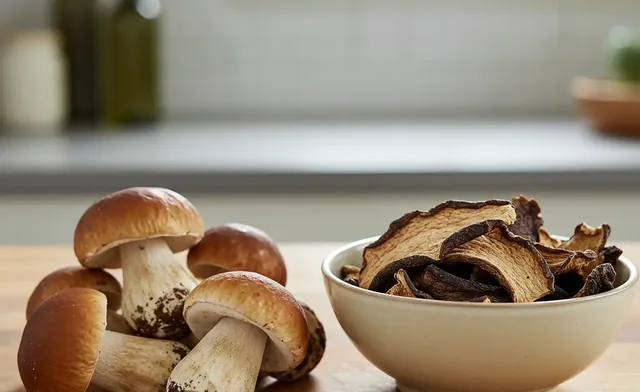
The choice between fresh vs. dried porcini mushrooms involves balancing concentrated flavor and cost against a delicate texture and seasonality.
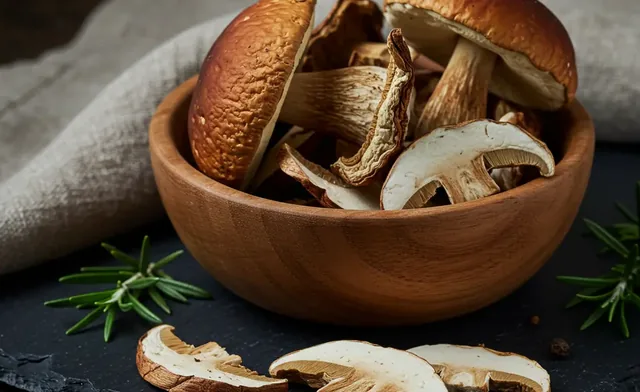
Explore Dried Porcini Mushrooms: From Selection to Savory Dishes
Get essential guidance on dried porcini mushrooms, from selecting and rehydrating to their culinary uses and finding the highest quality.
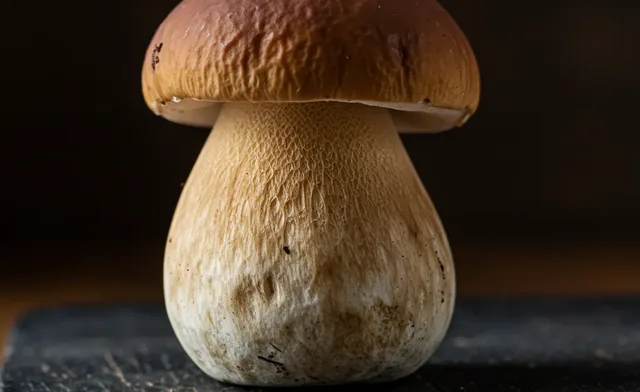
Fresh Porcini: Your Guide to Selecting, Cooking, & Storing
Master fresh porcini mushroom with this essential guide on selection, storage, buying, and delicious cooking methods.