
A Forager’s Guide to the Giant Puffball Mushroom

Have you ever stumbled upon a fungus so remarkably large and spherical that it barely resembles a typical cap-and-stem mushroom? This distinctive organism is none other than the giant puffball mushroom (Calvatia gigantea), a highly prized discovery for foragers across temperate regions. Its impressive size, striking appearance, and notable culinary versatility make it a truly fascinating subject within the world of wild edibles. This comprehensive guide aims to equip you with essential knowledge, covering everything from confident identification and distinguishing it from potential look-alikes, to understanding its edibility, optimal harvesting techniques, and a variety of delicious preparation methods to enjoy this unique natural bounty.
What is a Giant Puffball Mushroom?
Characteristics and Appearance
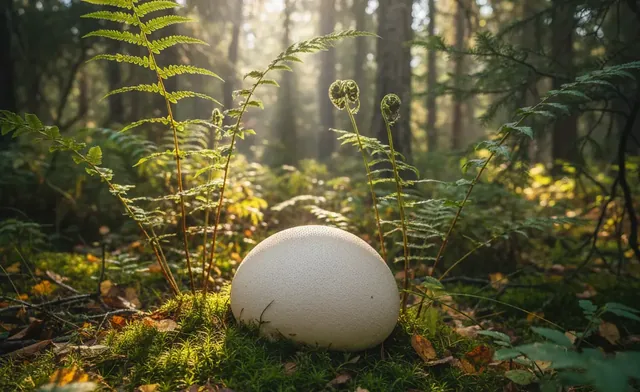
The giant puffball mushroom, scientifically known as Calvatia gigantea, is aptly named for its impressive size and spherical shape. Unlike most mushrooms that feature a distinct cap and stem, puffballs are characterized by their globe-like or somewhat flattened appearance. These fungi can grow to remarkable dimensions, often reaching the size of a basketball or even larger, with some specimens reportedly exceeding 50 centimeters (nearly 20 inches) in diameter and weighing several kilograms. The exterior is typically a pristine white or off-white color, smooth to the touch, and can sometimes develop a slightly leathery or felt-like texture as it matures. Internally, a young, edible giant puffball mushroom will exhibit a pure, uniform white, marshmallow-like flesh throughout, which eventually transitions to a yellowish, then olive-brown, powdery spore mass as it ages. To learn more about what is a puffball mushroom, explore this resource.
Giant Puffball Mushroom Identification
Key Identifying Features
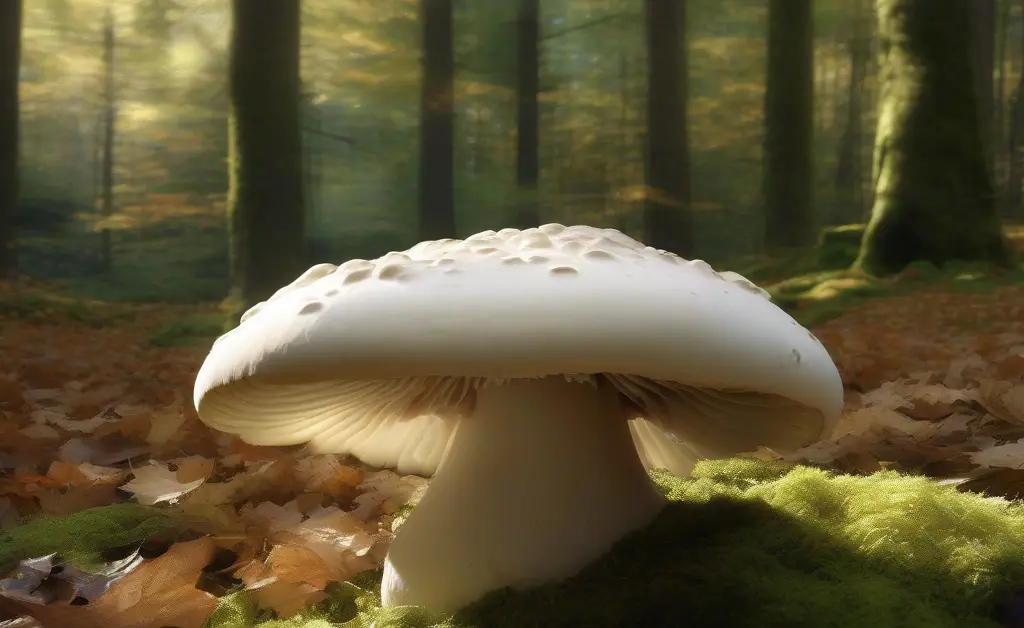
Accurate identification is paramount when foraging for any wild mushroom, and the giant puffball mushroom is no exception. Its primary distinguishing characteristics include its massive, round or oval shape, typically found directly on the ground without a visible stem. The outer surface is smooth and consistently white. The most critical identification feature is its internal flesh: when cut open, a truly edible giant puffball will reveal a solid, unblemished, pure white interior, similar in texture to fresh mozzarella or firm tofu. There should be no signs of gills, distinct caps, stems, or any discoloration (yellow, green, or brown) within the flesh. The absence of any internal structure resembling a developing mushroom (like the outline of a cap and stem) is vital for positive identification and to distinguish it from potentially toxic look-alikes.
When and Where to Find Them
Giant puffball mushrooms typically emerge in late summer and autumn, though their growing season can extend into early fall in some regions. They prefer rich, fertile soils and are commonly found in open, grassy areas such as meadows, pastures, golf courses, and alongside woodland edges. They can also appear in orchards, gardens, and other disturbed ground. While they may appear individually, it is not uncommon to find them growing in small groups or scattered across an area, often appearing almost overnight after periods of rainfall. Their large size makes them relatively easy to spot once they are present in their preferred habitats. There are different types of puffball mushrooms to be aware of, so understanding these can help with identification.
Giant Puffball Mushroom Look Alike
Distinguishing from Look-alikes
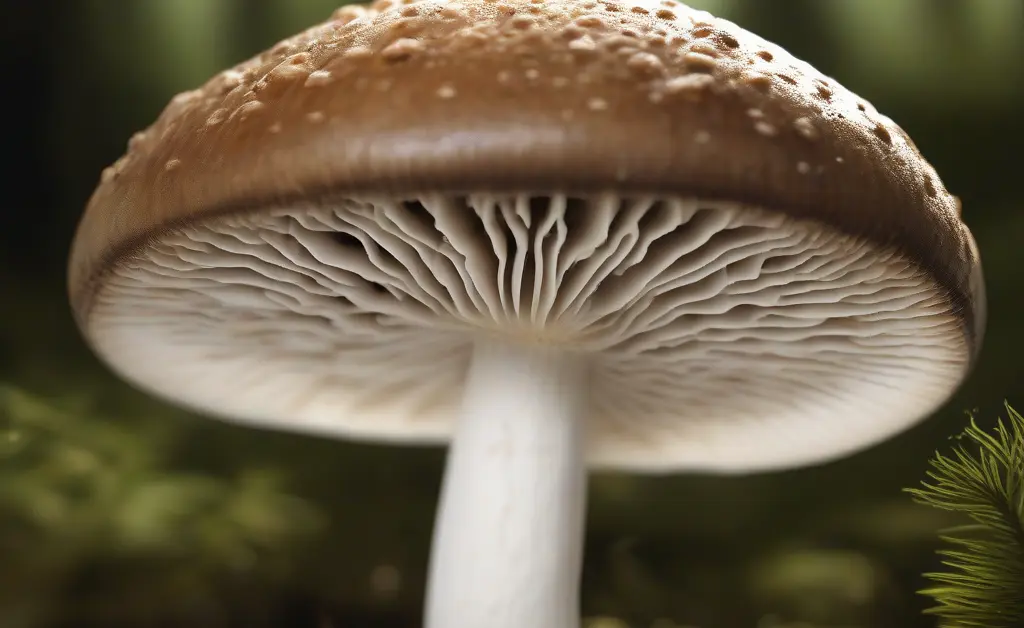
While the mature giant puffball mushroom is quite distinctive due to its enormous size, it is crucial to be aware of potential look-alikes, especially in their younger stages. The most significant concern comes from small, button-stage poisonous mushrooms, particularly those from the Amanita genus, which can be entirely encased in a universal veil, resembling a small puffball. However, cutting an immature Amanita in half will reveal the clear outline of a cap, gills, and stem within the “egg,” a feature completely absent in any edible puffball. Edible puffballs, when sliced, show a solid, uniform white interior with no internal structures. Other edible puffball species exist, but they are generally smaller. It is absolutely critical to always slice any suspected giant puffball mushroom open from top to bottom. If any internal gills, a cap, or a stem are visible, or if the flesh is anything other than pure white, firm, and uniform, it should be discarded immediately. Never consume a puffball if there is any doubt about its identification, especially concerning the internal structure and color.
Are Giant Puffball Mushrooms Safe to Eat?
When to Avoid Consumption
Yes, giant puffball mushrooms are generally considered safe and delicious to eat when properly identified and harvested at the correct stage. However, there are critical circumstances when consumption should be strictly avoided. Primarily, any giant puffball mushroom that shows signs of internal discoloration—such as yellowing, greening, or browning of the flesh—is past its prime and should not be eaten. These color changes indicate that the spores are beginning to mature, and the mushroom may develop an unpleasant taste, texture, or even cause digestive upset. Similarly, if the mushroom feels soft, squishy, or waterlogged, it is likely spoiled. As always, foragers should ensure the internal flesh is uniformly pure white, firm, and free of any internal structures like gills or stems before considering it safe for consumption. Individuals with known mushroom allergies should also exercise caution or avoid consuming new mushroom varieties. For official health guidance, consult the CDC.
Giant Puffball Mushroom Edible

Edibility Guidelines
The edibility of the giant puffball mushroom is highly dependent on its freshness and internal condition. Only specimens that are perfectly white throughout their interior, firm to the touch, and free of any discoloration or insect damage should be consumed. Once harvested, it is best to prepare them relatively quickly to enjoy their optimal flavor and texture. Their mild, earthy flavor and firm texture make them a versatile ingredient, often described as having a subtle, somewhat nutty taste. They readily absorb flavors from other ingredients, making them an excellent canvas for various culinary preparations. Due to their size, a single giant puffball can provide a substantial amount of food, offering a unique foraging experience and a rewarding meal.
Giant Puffball Mushroom Recipes
Culinary Applications
The mild flavor and unique, firm texture of the giant puffball mushroom make it an incredibly versatile ingredient in the kitchen. It can be sliced, diced, cubed, or even cut into steaks, adapting well to a wide range of cooking methods. Its ability to absorb flavors means it pairs beautifully with herbs, spices, and sauces, complementing many cuisines. Common culinary applications include frying, baking, grilling, and adding it to soups, stews, and casseroles. It can also be used as a significant component in vegetarian and vegan dishes, offering a hearty, satisfying texture.
Simple Preparation Methods
For a quick and easy preparation, slice the giant puffball mushroom into half-inch thick “steaks.” These can be pan-fried in butter or olive oil with a sprinkle of salt, pepper, and garlic powder until golden brown and tender. Another popular method involves breading the slices, much like schnitzel or eggplant parmesan, then shallow frying them until crispy. The cubes or diced pieces can be sautéed with onions and bell peppers as a side dish or added to scrambled eggs. Its mild taste shines through with minimal seasoning, allowing its natural flavor to be appreciated.
Advanced Culinary Ideas
Beyond simple frying, the giant puffball mushroom can inspire more creative dishes. Its large slices can serve as a gluten-free “pizza crust” or a base for bruschetta. It can be baked into savory gratins or used as a substantial layer in vegetarian lasagnas. Some chefs even experiment with marinating thicker slices in soy sauce or balsamic glaze before grilling, providing a robust, umami-rich experience. It can also be incorporated into stir-fries, quiches, or used to make hearty vegetarian burgers, where its texture provides a satisfying “meaty” bite. Some traditional uses of puffball mushroom smoke involve its dried form, though this is less common for culinary purposes.
Pairing Suggestions
The subtle flavor of the giant puffball mushroom makes it an excellent partner for a variety of ingredients. It pairs wonderfully with fresh herbs like thyme, rosemary, and parsley, as well as garlic and onions. Cheeses such as Parmesan, Gruyère, and mozzarella complement its mildness, adding a rich, savory dimension. It also goes well with roasted vegetables, creamy sauces, and even lighter meats like chicken or fish. For a more robust pairing, consider incorporating it into dishes with smoked paprika, chili flakes, or a splash of white wine to enhance its inherent earthiness.
Harvesting and Storing Giant Puffball Mushrooms
Best Time to Harvest
The optimal time to harvest giant puffball mushrooms is when they are young, firm, and, most importantly, perfectly white throughout their interior. This typically occurs in late summer and autumn. As soon as you notice any yellowing, greening, or browning of the internal flesh, the mushroom is past its prime for culinary use. A firm texture indicates freshness, whereas a soft or mushy feel suggests it has begun to decompose. Harvesting at the peak of freshness ensures the best flavor and texture for your culinary endeavors.
How to Harvest Properly
When you locate a suitable giant puffball mushroom, it’s best to use a knife to cut it cleanly at the base, where it meets the ground. Avoid pulling it out, as this can disturb the mycelial network beneath the soil, potentially impacting future growth. Once harvested, inspect it thoroughly for any insect damage or soft spots. It’s advisable to carry a large bag or basket, as these mushrooms can be quite bulky. Handle them gently to prevent bruising, which can accelerate spoilage. Always cut a section open to confirm the pure white interior before taking it home.
Storage Techniques (fresh, dried, frozen)
Fresh giant puffball mushroom is best consumed within a few days of harvesting. You can store fresh slices or chunks in a paper bag in the refrigerator, which allows for some air circulation and prevents moisture buildup. Avoid plastic bags, as they can trap moisture and speed up spoilage. For longer-term storage, freezing is an excellent option. Slice the mushroom, blanch it briefly, then freeze the pieces on a baking sheet before transferring them to freezer-safe bags. Alternatively, you can cook and freeze prepared dishes containing the mushroom. While drying is possible for some mushrooms, the dense texture of giant puffballs makes it less ideal for this method, as they can become tough and lose much of their desirable texture. It is important to note that not all puffball mushroom smoke is dangerous, but proper identification is always key.
The giant puffball mushroom stands out as a remarkable find for any nature enthusiast and culinary adventurer. From its unmistakable appearance in open fields to its versatile role in the kitchen, it offers a unique and rewarding foraging experience. By following careful identification practices, understanding its edibility guidelines, and employing proper harvesting and storage techniques, you can safely enjoy this natural bounty. Whether fried simply with butter or incorporated into more elaborate dishes, the giant puffball continues to captivate with its mild flavor and satisfying texture, reminding us of the edible wonders that nature provides.
This material is shared for educational insight, not for clinical decision-making. Information regarding foraging for wild edibles, including mushrooms, should be approached with extreme caution and verified by an experienced expert. Misidentification can lead to severe health consequences. Always consult with a professional and ensure 100% positive identification before consuming any wild plant or fungi.
FAQ
How big can giant puffball mushrooms get?
Giant puffball mushrooms are known for their impressive size, with some specimens reaching diameters of up to 20 inches. They can weigh as much as 40 pounds, making them one of the largest fungi found in North America.
What do giant puffball mushrooms taste like?
When young and pure white inside, giant puffball mushrooms have a mild, delicate flavor reminiscent of tofu or fresh mozzarella. Their texture is firm yet tender, absorbing other flavors well when cooked.
Can you eat a giant puffball mushroom that is pure white inside?
Yes, it is generally considered safe and desirable to consume giant puffball mushrooms when their interior is uniformly pure white. This indicates the mushroom is young and at its peak for culinary use.
Are giant puffball mushrooms poisonous?
Young giant puffball mushrooms with a solid white interior are not poisonous and are considered edible by many. However, as they mature and their flesh turns yellowish or brown and develops gills, they are no longer suitable for consumption and can cause digestive upset.
Where do giant puffball mushrooms grow?
These large mushrooms are commonly found growing in open fields, meadows, pastures, and sometimes even lawns. They often appear in late summer and fall, after periods of rain.
Continue reading
You May Also Like
A Forager's Guide to Puffball Mushrooms
This guide provides key identification features for the puffball mushroom, detailing its culinary uses and how to avoid dangerous look-alikes.
A Forager's Guide to Puffball Mushrooms in Alabama
This guide covers puffball mushroom Alabama identification, helping you safely distinguish between common edible and poisonous look-alike species.
A Forager's Guide to Puffball Mushrooms in Alaska
Get a complete guide to finding the puffball mushroom alaska, with clear instructions on positive identification, safe harvesting, and cooking.