
The Complete Guide to Growing Mushrooms at Home
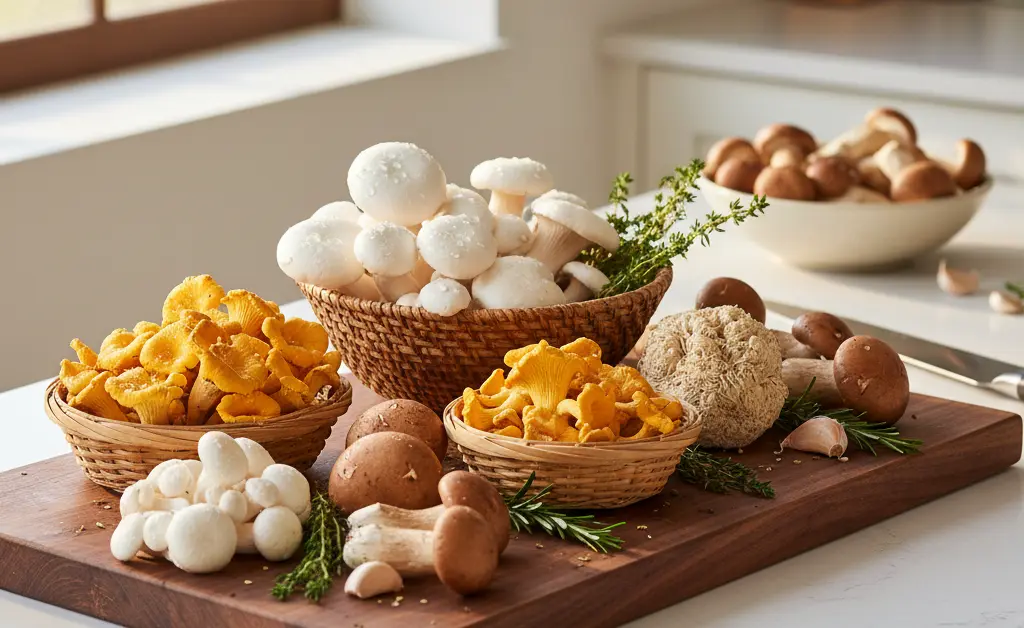
Many people are discovering the rewarding experience of cultivating their own food, and among the most fascinating options is mushroom cultivation. Most home cooks appreciate the unique flavors and textures that fresh mushrooms bring to a dish, but obtaining gourmet varieties can sometimes be challenging or costly. This guide aims to demystify the process, offering a comprehensive look into the methods, tools, and care required for successfully growing culinary mushrooms at home. We’ll explore everything from selecting the right species to optimizing environmental conditions and harvesting your bountiful yields, ensuring a delightful and sustainable source of fresh fungi right from your kitchen or garden.
Choosing the Right Mushroom Varieties for Home Growing
Selecting the appropriate mushroom variety is a crucial first step for anyone considering growing culinary mushrooms at home. Different species have varying requirements for substrate, temperature, and humidity, which can impact the ease and success of cultivation. Beginners may prefer robust varieties that are forgiving of minor environmental fluctuations, while experienced growers might seek out more exotic or challenging species.
Beginner-Friendly Options (Oyster, Shiitake)
For those just starting their journey in mushroom cultivation, Oyster mushrooms (Pleurotus ostreatus) are often recommended due to their vigorous growth, adaptability, and relatively quick fruiting cycles. They thrive on a wide range of substrates, including straw, sawdust, and even coffee grounds, making them versatile and accessible. Their distinctive flavor and delicate texture make them a popular choice for many culinary applications.
Shiitake mushrooms (Lentinula edodes) are another excellent option for beginners, offering a rich, umami flavor that is highly prized. While they may take a bit longer to fruit than Oyster mushrooms, their cultivation on hardwood sawdust blocks or logs is well-documented and consistently yields flavorful results. These mushrooms are known for their firm texture and versatility in cooking.
More Advanced Varieties (Lion’s Mane, Pioppino)
Once you have gained some experience, you might explore more specialized varieties such as Lion’s Mane (Hericium erinaceus) or Pioppino (Agrocybe aegerita). Lion’s Mane mushrooms are renowned for their unique, shaggy appearance and delicate, crab-like flavor. They typically require hardwood sawdust substrates and specific humidity levels to fruit successfully, making them a slightly more advanced but incredibly rewarding species to cultivate.
Pioppino mushrooms, also known as Black Poplar or Chestnut mushrooms, are another gourmet choice. They offer a nutty, earthy flavor and a firm texture that holds up well in various dishes. Cultivating Pioppinos can be more sensitive to environmental conditions, particularly fresh air exchange and humidity, which can present a greater challenge for those new to growing culinary mushrooms at home. However, their exceptional taste often makes the effort worthwhile.
Essential Supplies and Equipment for Home Mushroom Cultivation
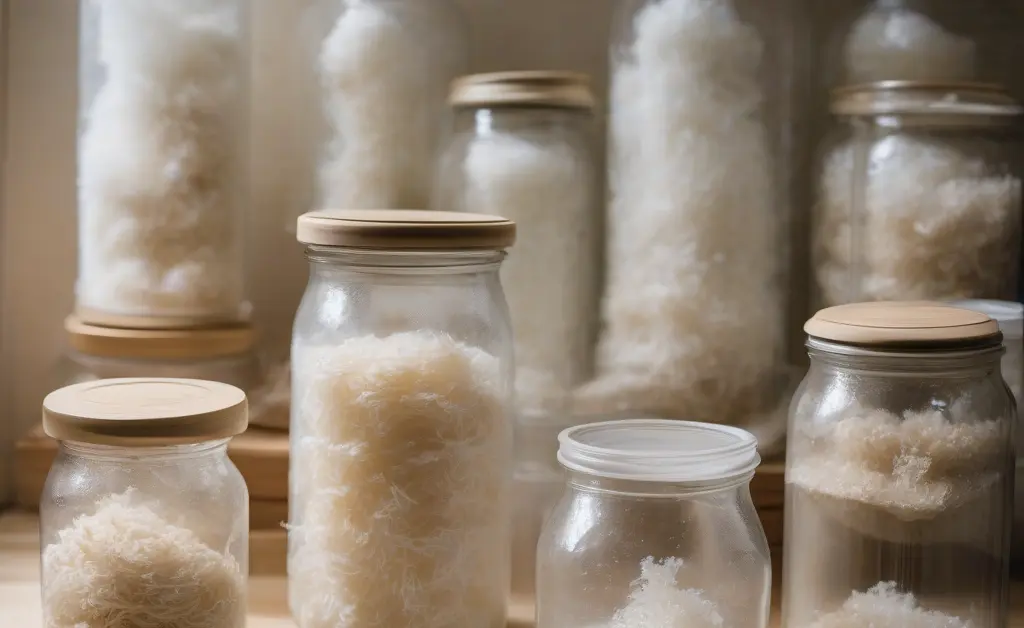
To embark on the rewarding journey of growing culinary mushrooms at home, assembling the right supplies and equipment is fundamental. The specific items needed can vary depending on the chosen cultivation method and mushroom species, but a basic understanding of each component is vital for success.
Substrates (Sawdust, Grain, Compost)
Substrates are the nutrient-rich materials on which mushroom mycelium grows and ultimately produces fruit. Different mushroom species prefer specific types of substrates. Sawdust, particularly hardwood varieties like oak or maple, is a common choice for many wood-loving species such as Shiitake, Oyster, and Lion’s Mane. Grain, often rye or millet, is primarily used for creating mushroom spawn, acting as a nutritional base for mycelial expansion before it’s transferred to a bulk substrate. Compost, rich in decomposed organic matter, can be suitable for certain ground-dwelling species, providing a dense and fertile environment for their development.
Spawn (Mycelium)
Mushroom spawn is essentially a living culture of mushroom mycelium growing on a substrate, typically sterilized grain. It serves as the “seed” for your mushroom crop. When introduced to a larger, sterilized bulk substrate, the mycelium from the spawn colonizes the new material, forming the vegetative network that will eventually produce mushrooms. High-quality, healthy spawn is crucial for successful cultivation, as it directly influences the vigor and yield of your mushroom harvest.
Growing Containers (Bags, Buckets, Trays)
Various containers can be adapted for mushroom cultivation, each with its advantages. Specialized mushroom grow bags are commonly used, designed with filter patches for gas exchange and made from heat-resistant plastic to withstand sterilization. Five-gallon buckets, with holes drilled in them, are a popular and cost-effective DIY option for growing Oyster mushrooms, allowing them to fruit from the sides. Trays or shallow containers can also be utilized, particularly for smaller-scale projects or when cultivating species that prefer to fruit from a horizontal surface.
Fruiting Chambers and Humidity Control
A fruiting chamber is an enclosed space designed to maintain the optimal environmental conditions necessary for mushrooms to form and grow. Key factors within this chamber include high humidity, appropriate temperature, and sufficient fresh air exchange. Humidity can be controlled through various methods, such as regular misting with a spray bottle, using a humidifier, or placing a layer of moist perlite at the bottom of the chamber. Adequate humidity is critical for preventing young mushrooms (pinheads) from drying out and ensuring healthy development, making it an essential element for anyone growing culinary mushrooms at home.
Step-by-Step Guide to Growing Culinary Mushrooms at Home
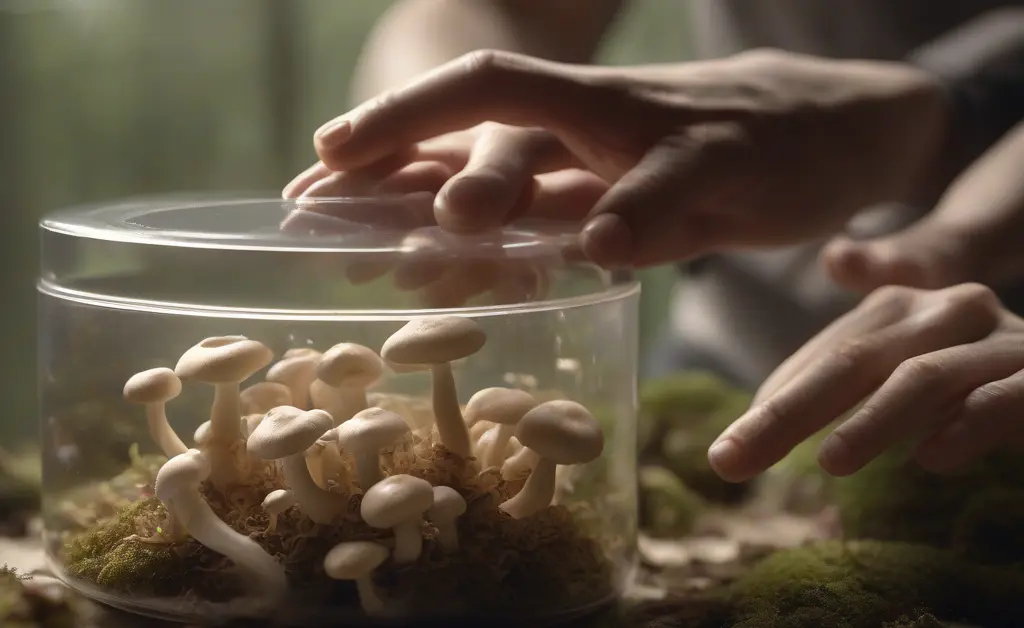
Embarking on the journey of growing culinary mushrooms at home can be incredibly rewarding. This step-by-step guide outlines the fundamental processes involved, from preparing your setup to encouraging your mushrooms to fruit.
Different Cultivation Methods (Kits vs. DIY)
There are generally two main approaches to mushroom cultivation at home: using pre-prepared kits or opting for a more hands-on DIY method. Mushroom kits are an excellent starting point for beginners, as they typically come with an inoculated substrate block ready to fruit. These kits simplify the process, requiring minimal setup and offering a high chance of success with basic care. For those seeking more control, flexibility, and a deeper understanding of mycology, DIY methods involve sourcing individual components like substrate, spawn, and containers, allowing for customization and scalability. While DIY requires more initial effort and learning, it can be more cost-effective in the long run and provides valuable experience in the nuances of mushroom growth.
You can learn more about different types of culinary mushrooms and their characteristics.
Inoculation: Introducing Spawn to Substrate
Inoculation is the critical process of introducing your mushroom spawn (mycelium) to the prepared, sterilized substrate. This step is where the mushroom’s life cycle truly begins in your cultivation setup. For grain spawn, this often involves breaking up the colonized grain and mixing it thoroughly with the bulk substrate in a sterile environment. The goal is to distribute the mycelium evenly so it can rapidly colonize the new food source. Maintaining strict sterility during inoculation is paramount to prevent contamination from competing molds or bacteria, which can quickly ruin your cultivation efforts.
Incubation: Mycelial Growth Phase
After inoculation, the substrate block enters the incubation phase. During this period, the mushroom mycelium actively grows and spreads throughout the entire substrate, digesting the nutrients. This phase typically requires consistent temperatures, often slightly warmer than fruiting temperatures, and a dark environment. The mycelium will appear as a white, cottony growth gradually colonizing the substrate, eventually forming a dense, cohesive block. Patience is key during incubation, as rushing this stage can lead to suboptimal fruiting. A fully colonized substrate is robust and resilient, setting the stage for healthy mushroom development.
Fruiting: Inducing Mushroom Development
Once the substrate is fully colonized, the next step is to induce fruiting, which means signaling the mycelium to produce mushrooms. This is achieved by introducing specific environmental triggers that mimic the natural conditions under which mushrooms would emerge in the wild. Key triggers include a drop in temperature, increased fresh air exchange, and significantly higher humidity levels. These changes stimulate the mycelium to form primordia, or “pinheads,” which are the tiny beginnings of mushrooms. Observing the first appearance of these pins is an exciting moment for anyone growing culinary mushrooms at home.
Environmental Factors: Temperature, Humidity, and Light
Maintaining precise environmental conditions is crucial for successful fruiting and the healthy development of your mushrooms. Temperature plays a vital role; most culinary mushrooms prefer cooler temperatures during fruiting compared to incubation. Humidity must be kept consistently high, often above 85-90%, to prevent the delicate pinheads from drying out and to support the rapid expansion of the mushroom caps. Fresh air exchange is also essential to prevent the buildup of carbon dioxide, which can inhibit growth and lead to elongated, abnormal mushroom shapes. Finally, while mushrooms do not photosynthesize, they do require some indirect light to orient their growth and develop properly, often influencing the direction and color of the caps.
Harvesting and Storing Your Homegrown Mushrooms

The culmination of your efforts in growing culinary mushrooms at home is the harvest. Knowing when and how to harvest, as well as proper storage techniques, ensures you enjoy the freshest, highest-quality produce.
When to Harvest
Determining the optimal time to harvest your mushrooms is crucial for both flavor and future flushes. For many species, such as Oyster mushrooms, they are ready when their caps have flattened out but before the edges begin to curl upwards. Shiitake mushrooms are typically harvested when their caps are mostly open, but the edges are still slightly rolled inward. Lion’s Mane mushrooms are ready when their “spines” are well-developed and plump, resembling a shaggy pom-pom, before they start to turn yellowish. Harvesting at the peak of maturity ensures the best texture and culinary quality.
Proper Harvesting Techniques
Proper harvesting techniques are important not only for the quality of the current yield but also for encouraging subsequent flushes from your substrate. For cluster-forming mushrooms like Oysters, it’s often best to harvest the entire cluster by gently twisting and pulling it from the substrate at its base, taking care not to damage the underlying mycelial mat. For individual mushrooms such as Shiitake, you can carefully cut the stem at the base with a clean, sharp knife. Avoid pulling individual mushrooms if they are part of a larger cluster, as this can disturb the remaining growth. Always handle the mushrooms gently to prevent bruising.
Storage Methods to Maintain Freshness
Once harvested, correctly storing your homegrown mushrooms helps to preserve their freshness and extend their shelf life. The primary goal is to allow them to breathe while preventing them from drying out too quickly or becoming too damp and slimy. A good method is to place them in a paper bag in the refrigerator; the paper absorbs excess moisture while still allowing for air circulation. Avoid storing mushrooms in sealed plastic bags, as this traps moisture and can lead to rapid spoilage. For longer-term preservation, methods such as drying or freezing can be explored, allowing you to enjoy the fruits of your labor for an extended period.
Considering scaling up your cultivation efforts could lead to opportunities for growing gourmet mushrooms for profit.
Successfully growing culinary mushrooms at home is a deeply satisfying endeavor, offering fresh, gourmet fungi with unique flavors and textures right at your fingertips. From selecting the right species to carefully managing environmental conditions and mastering the harvest, each step contributes to a rewarding experience. Whether you choose the simplicity of a kit or the hands-on approach of DIY cultivation, the journey provides a deeper connection to your food and a sustainable source of delicious ingredients. Embrace the learning process, enjoy the bounty of your efforts, and savor the distinct tastes that only homegrown mushrooms can provide.
This article is written for general understanding and not for medical decision-making. The information provided is for educational purposes only and should not be considered a substitute for professional medical advice. Always consult with a qualified healthcare provider for any health concerns or before making any decisions related to your health or well-being. Individual results from dietary choices or wellness practices may vary. For extensive research on health and medicine, consider consulting resources like NIH.
FAQ
What is the easiest mushroom to grow at home?
Oyster mushrooms are widely considered the simplest variety for beginners to cultivate. Their rapid growth and adaptability make them a forgiving choice for those new to mushroom cultivation.
What supplies do I need to grow mushrooms at home?
You will need a mushroom growing kit or the necessary components for inoculation, which typically include spawn, a substrate, and a container. Sterilization equipment and a clean environment are also crucial for successful cultivation.
How long does it take to grow mushrooms at home?
The timeframe for mushroom growth can vary significantly depending on the species and the method used. Some varieties may begin to fruit within a few weeks, while others require a longer incubation period before harvest.
What is the best substrate for growing mushrooms at home?
The ideal substrate depends on the specific mushroom species you are cultivating. Common options include sawdust, straw, compost, and grain, each offering a unique nutrient profile that supports fungal growth.