
Cooking Mushrooms for Maximum Health Benefits
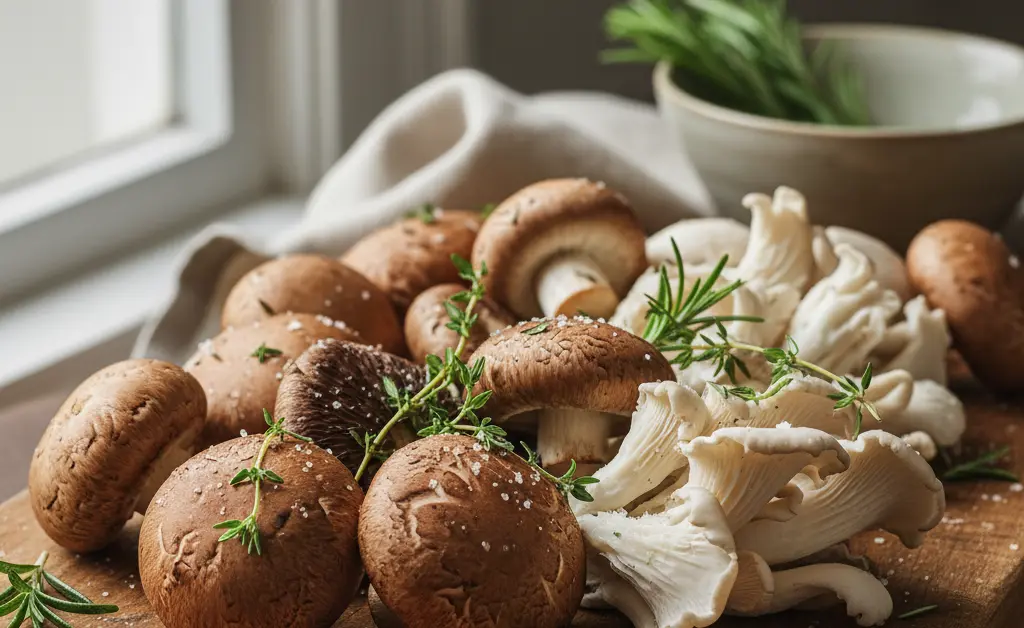
Are you tired of your mushrooms turning out soggy or losing their earthy flavor, making it difficult to fully enjoy their nutritional potential? Many home cooks struggle to prepare these versatile fungi in a way that not only tastes great but also preserves their delicate nutrients and maximizes health benefits. It’s a common challenge to find cooking methods that ensure mushrooms are both delicious and healthful, avoiding excess fats while maintaining their beneficial compounds. This guide explores various techniques to help you discover the most effective and healthy way to cook mushrooms, transforming them into a delightful and nourishing addition to any meal.
The Healthiest Ways to Cook Mushrooms
Exploring various cooking techniques can significantly impact both the flavor and nutritional integrity of mushrooms. To ensure you’re preparing a genuinely healthy way to cook mushrooms, consider methods that minimize fat, preserve delicate vitamins and antioxidants, and enhance their natural umami. Another excellent outdoor technique involves cooking mushrooms on BBQ for a rich, smoky profile. The following approaches are generally considered excellent for retaining the beneficial compounds found in these fungi while still creating delicious dishes.
Sautéing Mushrooms Healthily
Sautéing is a popular method for its ability to develop rich flavors and textures in mushrooms. To make it a truly healthy option, focus on using minimal, healthy fats. Instead of submerging them in oil, use a small amount of a high-smoke-point oil like avocado oil or grapeseed oil, or even water or vegetable broth for a fat-free approach. Cook them in batches to prevent overcrowding, which can lead to steaming rather than browning. A hot pan and dry mushrooms are key to achieving a desirable texture without excess oil.
Roasting Mushrooms for Health
Roasting is another fantastic method that brings out the deep, earthy flavors of mushrooms with minimal effort and fat. Toss whole or sliced mushrooms with a very light drizzle of olive oil, herbs like thyme or rosemary, and a pinch of salt and pepper. Spread them in a single layer on a baking sheet and roast until tender and slightly caramelized. This method allows the mushrooms to develop a concentrated flavor and a pleasant chewiness, making them a delicious and healthy addition to salads, grains, or as a standalone side.
Steaming Mushrooms
Steaming is perhaps the gentlest cooking method, making it ideal for preserving the water-soluble vitamins and antioxidants in mushrooms. While it doesn’t offer the same browning or rich flavor development as sautéing or roasting, it results in tender, succulent mushrooms perfect for light dishes or when their natural flavor is desired. Steamed mushrooms are excellent in stir-fries, grain bowls, or as a simple, unadorned side dish, especially when aiming for a very low-fat preparation.
Grilling Mushrooms
Grilling provides a smoky flavor and a firm texture, making it a wonderful healthy way to cook mushrooms, particularly larger varieties like portobellos. A light marinade of herbs, garlic, and a touch of vinegar or lemon juice can add significant flavor without much fat. Grill them directly over medium heat until they are tender and have appealing char marks. For those with outdoor cooking equipment, cooking mushrooms on Blackstone griddles offers another excellent way to achieve smoky flavors. This method is great for imparting unique flavors and can transform mushrooms into a hearty meat substitute in sandwiches or as a main course.
Healthiest way to cook mushrooms in microwave
While often overlooked for vegetables, microwave cooking can be a surprisingly efficient and healthy way to prepare mushrooms, particularly for speed and nutrient retention. Microwaving uses minimal to no added fat, and the short cooking times can help preserve delicate nutrients that might be lost during longer cooking methods. Place cleaned and sliced mushrooms in a microwave-safe dish with a tablespoon or two of water or broth, cover, and cook on high for a few minutes until tender. This method yields soft, moist mushrooms suitable for quick additions to other dishes or as a light side.
Understanding Healthy Mushroom Cooking Methods
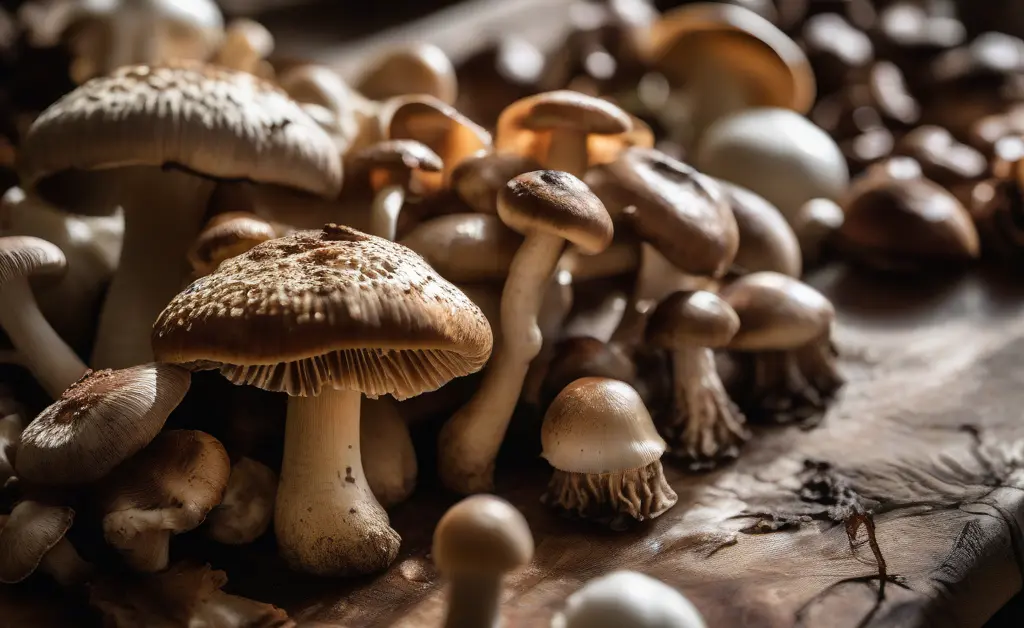
To truly embrace a healthy way to cook mushrooms, it’s vital to understand what makes a cooking method “healthy” in the first place. Beyond just flavor, the goal is to maximize the retention of beneficial compounds while minimizing the addition of unhealthy elements. Mushrooms are known for their unique nutritional profile, including B vitamins, selenium, potassium, and antioxidants. Different cooking methods can have varying impacts on these heat-sensitive nutrients.
The concept of `What Makes a Cooking Method ‘Healthy’?` revolves around several factors: nutrient preservation, minimizing unhealthy additives, and enhancing natural flavors. Methods that use less added fat, especially saturated or trans fats, are generally preferred. Additionally, techniques that expose mushrooms to high heat for shorter durations or gentler heat over longer periods can help maintain their delicate `Nutritional Value of Mushrooms`. Information on healthy eating can often be found on reputable sources like the NHS. `Preserving Nutrients` is a primary goal, ensuring that the valuable vitamins, minerals, and antioxidants remain intact for consumption. Equally important is `Reducing Unhealthy Additives`, which means avoiding excessive amounts of butter, cream, or highly processed oils that can diminish the overall health benefits of the dish.
Healthy Mushroom Cooking Techniques
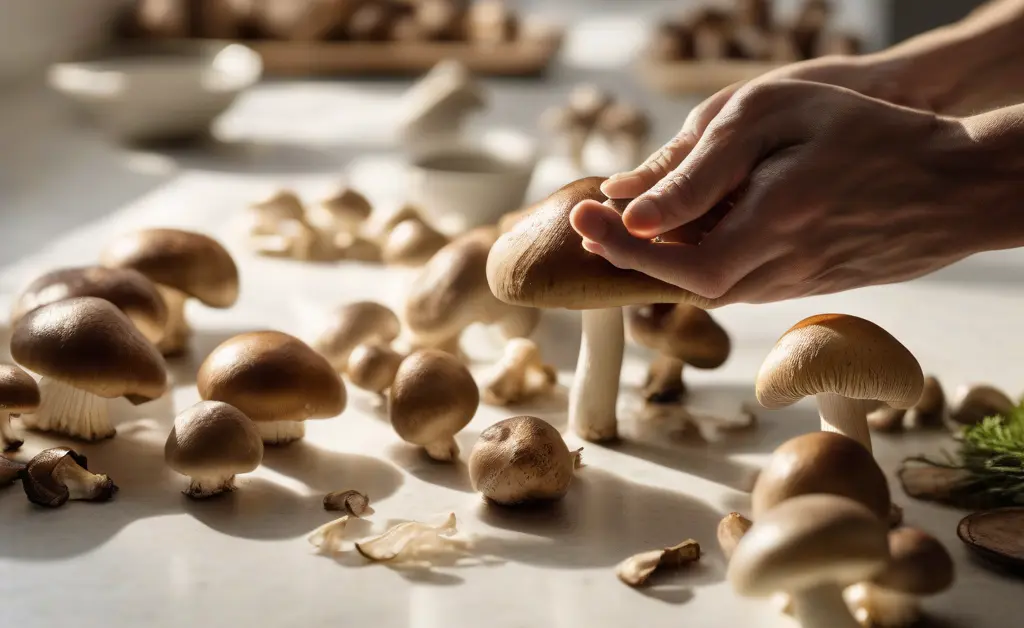
Beyond simply choosing a cooking method, specific techniques can elevate the healthfulness and flavor of your mushroom dishes. Crafting a healthy way to cook mushrooms involves thoughtful preparation and smart ingredient choices that enhance their natural characteristics without compromising nutritional value. This applies to all fungi, including specialized varieties; learning how to cook turkey tail mushroom, for instance, benefits from these considerations. These techniques focus on balancing flavor development with minimal added fats and sodium.
`Flavor Enhancement` is crucial for making healthy dishes enjoyable. Utilize herbs, spices, garlic, onions, and acidic elements like lemon juice or vinegar to boost taste without relying on excessive salt or unhealthy fats. When it comes to `Choosing the Right Cooking Fat`, opt for unsaturated oils such as olive oil, avocado oil, or grapeseed oil, and use them sparingly. These oils can provide healthy fats in moderation. `Controlling Salt and Sodium` is another key aspect; instead of relying heavily on salt, season with fresh herbs, spices, and a squeeze of citrus to brighten flavors. `Adding Healthy Flavorings` like umami-rich ingredients such as nutritional yeast, soy sauce (in moderation), or vegetable broth can create depth and complexity. These techniques not only make your mushrooms more delicious but also contribute to a balanced and nutritious meal.
Tips for Healthier Mushroom Preparation
Achieving the most beneficial results from your mushroom dishes extends beyond just cooking methods; it also encompasses careful preparation and mindful consumption. Implementing specific tips for preparation can significantly contribute to finding the most healthy way to cook mushrooms and incorporate them into your diet. These small adjustments can make a big difference in both the nutritional impact and the enjoyment of your meals.
Consider `Portion Control` when enjoying mushrooms, even though they are generally low in calories. A balanced plate ensures a variety of nutrients. Many people wonder, `Can you eat mushrooms raw or do they need to be cooked?` While some mushrooms can be consumed raw, cooking often improves digestibility and can enhance the bioavailability of certain nutrients and eliminate potential undesirable compounds. For those wondering, `What oil is best for cooking mushrooms?` light, neutral oils with high smoke points like avocado oil or grapeseed oil are excellent choices for most cooking methods. Olive oil is also suitable for lower-heat cooking like light sautéing. For a truly healthy way to cook mushrooms, remember to clean them properly, usually by gently brushing off dirt or wiping with a damp cloth, rather than rinsing, which can make them absorb water and become soggy. Understanding how to clean hedgehog mushroom and other unique varieties is also important for optimal preparation.
By integrating these various cooking methods and preparation tips, you can confidently prepare mushrooms that are not only delicious and satisfying but also retain their valuable nutrients. Experiment with different techniques to discover your favorite healthy ways to enjoy these versatile fungi, ensuring every meal is both flavorful and beneficial to your health.
Readers should understand that this article does not offer medical diagnosis or treatment. The information provided is intended for general knowledge and informational purposes only, and does not constitute medical advice. It is essential to consult with a qualified healthcare professional or registered dietitian before making any significant changes to your diet or health regimen. This content is not a substitute for professional medical guidance.
FAQ
What is the healthiest way to cook mushrooms?
The healthiest way to cook mushrooms often involves methods that retain their nutrients and avoid excessive added fats or sodium. Steaming, baking, or lightly sautéing with minimal oil are generally considered beneficial approaches. These techniques help preserve the delicate compounds within mushrooms while making them more digestible and flavorful.
Is sautéing mushrooms healthy?
Sautéing mushrooms can be a healthy way to prepare them, especially when done with healthy fats like olive oil or avocado oil in moderation. This cooking method helps to release certain nutrients and enhances their umami flavor. Ensuring the pan doesn’t get too hot and using just enough oil to prevent sticking contributes to a more nutritious outcome.