
A Forager’s Guide to Hedgehog Mushrooms
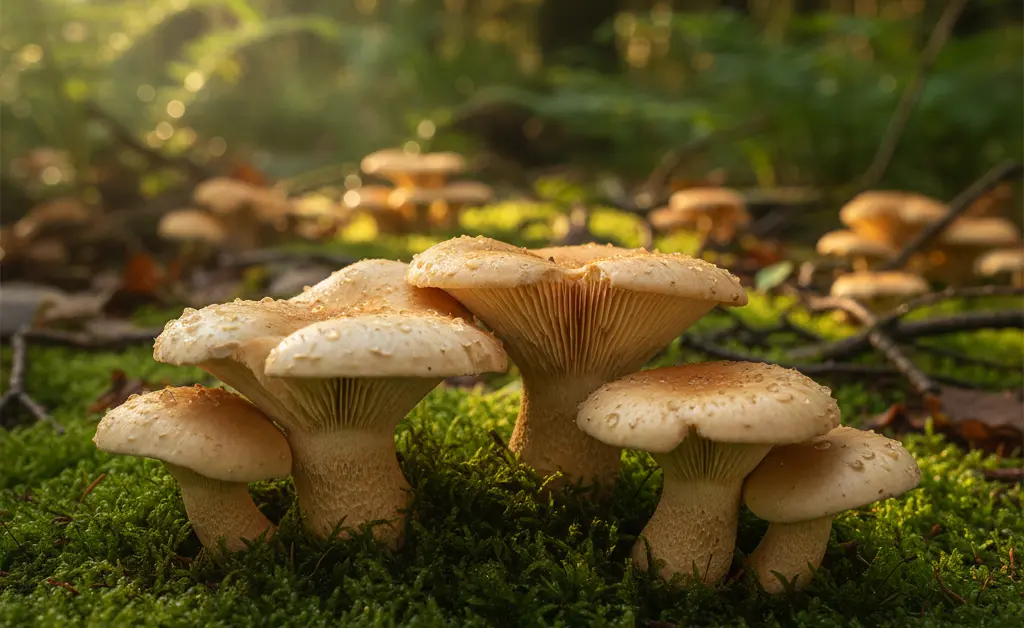
Many foragers and culinary enthusiasts often seek out unique and delicious ingredients that can elevate their culinary creations. Among these prized finds, the hedgehog mushroom (Hydnum repandum) stands out for its distinctive appearance, featuring tooth-like spines instead of gills, and its pleasant, nutty flavor. A common and crucial question that arises for those new to wild foraging, or even experienced cooks encountering it for the first time, is whether the hedgehog mushroom edible status is confirmed and how to safely identify it to avoid look-alikes. This comprehensive guide aims to provide all the necessary information for both novice and experienced foragers alike, covering its precise identification markers, preferred habitats, culinary applications, and essential safety considerations. Understanding these facets is paramount for confidently appreciating this fascinating fungus and successfully incorporating it into a wide array of dishes.
Hedgehog Mushroom: Edibility and Identification
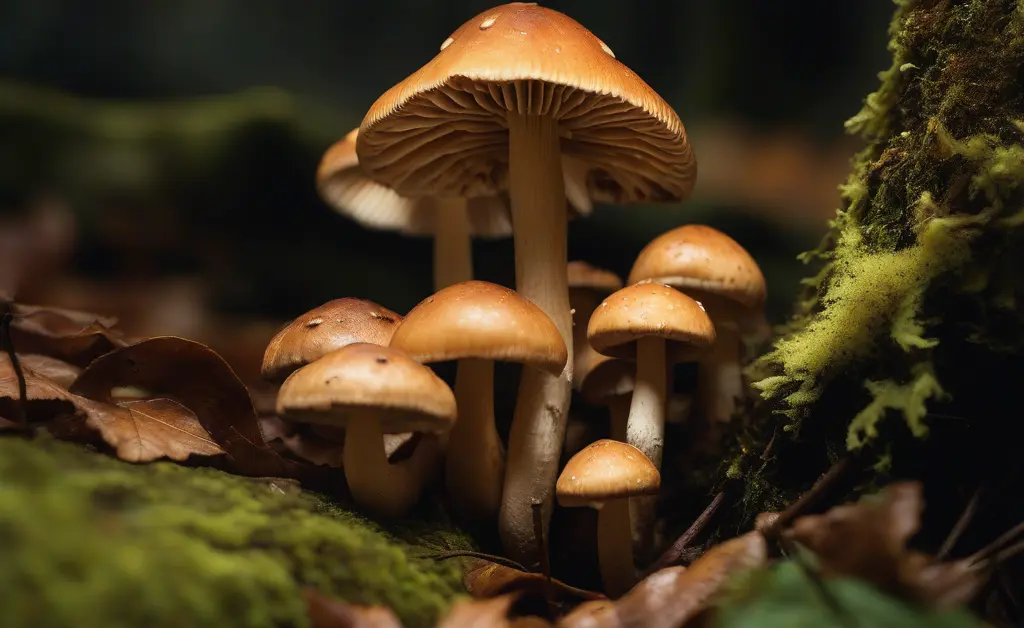
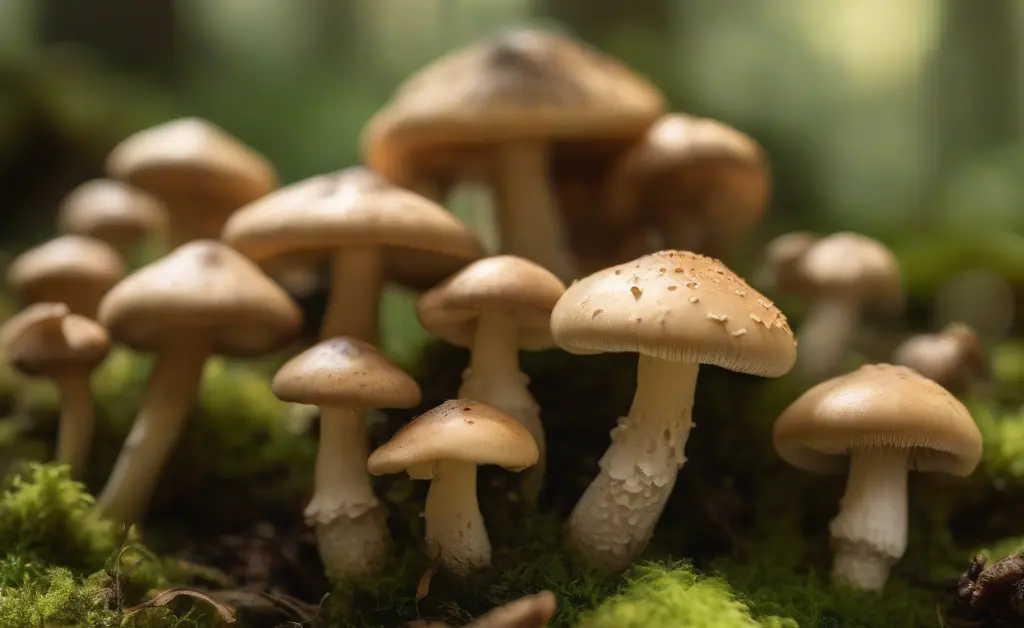
Understanding what hedgehog mushrooms are and how to properly identify them is foundational for any aspiring forager. These fascinating fungi are well-regarded for their distinctive features and are a sought-after culinary delight in many regions. The question of whether the hedgehog mushroom edible status is truly safe to rely on can be confidently answered affirmatively, provided proper identification is made.
Are Hedgehog Mushrooms Safe to Eat?
Yes, hedgehog mushrooms are widely considered safe and delicious to eat once correctly identified and properly cooked. They are a popular choice among foragers due to their distinct appearance, which helps in distinguishing them from potentially harmful look-alikes. Key physical features that aid in identification include your unique underside, which features soft, brittle spines (or “teeth”) instead of gills or pores. These spines are typically the same color as the cap, or slightly paler, and detach easily. The cap itself can vary in color from cream to orange-brown, often irregular in shape, and may have a velvety or smooth texture. The stem is usually stout, off-white, and sometimes off-center. When considering foraging, it’s always crucial to confirm identification with multiple sources and, if uncertain, to err on the side of caution. While generally robust and hearty, like all wild mushrooms, consuming specimens that appear old, discolored, or spoiled is not recommended. For official guidelines on mushroom consumption, consult the FDA.
The Culinary Value of Hedgehog Mushrooms
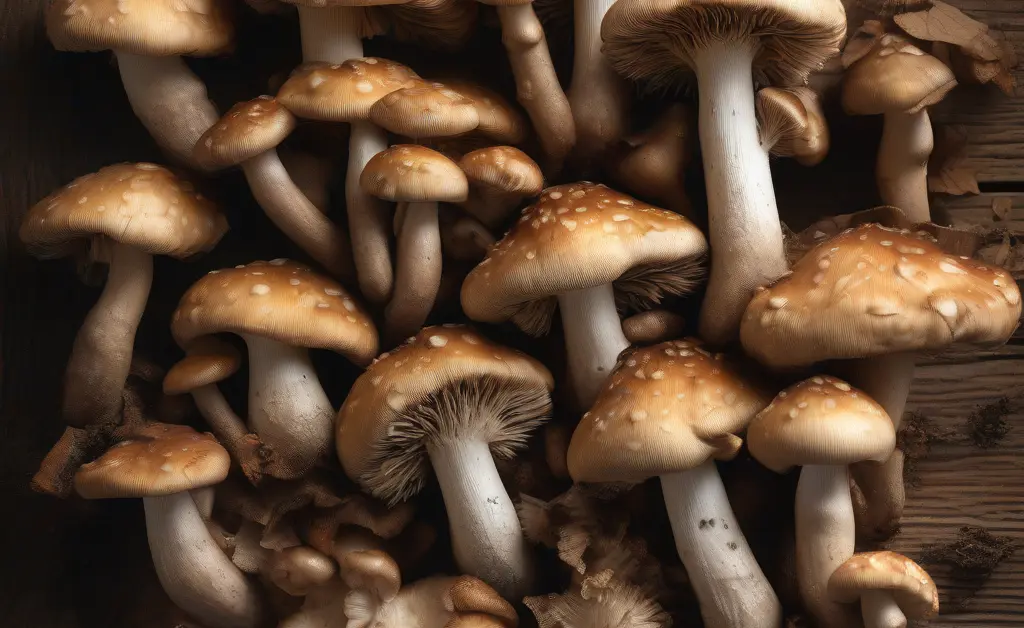
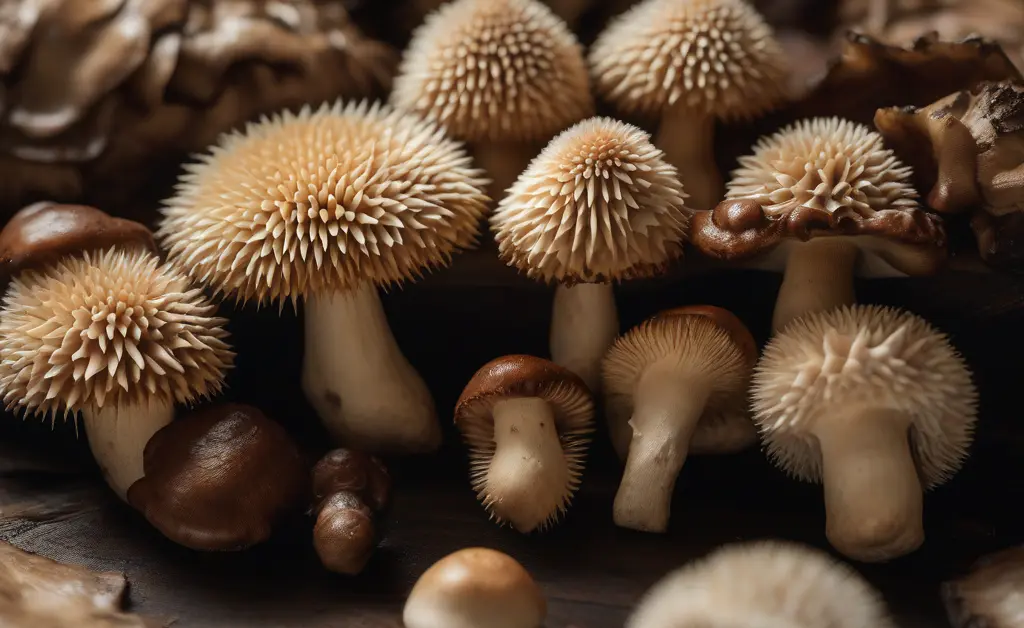
Beyond their distinctive appearance, hedgehog mushrooms are highly prized in the kitchen for their excellent flavor and versatile texture. Their culinary value makes them a favorite among chefs and home cooks alike, proving that the hedgehog mushroom edible qualities extend far beyond mere safety to truly enhance a meal.
These mushrooms boast a pleasant, mildly nutty, and slightly earthy flavor, often described as sweet and peppery with hints of apricot in some fresh specimens. The texture is firm, somewhat brittle when raw, but becomes tender yet satisfyingly chewy upon cooking, making it an excellent addition to a variety of dishes. Before cooking, it’s important to properly clean hedgehog mushrooms. Due to their habit of growing on the forest floor, they can accumulate debris. Gently brush off any dirt or pine needles from the cap and spines. If absolutely necessary, a quick rinse under cold water followed by thorough drying with a paper towel can be done, but generally, minimal water is best to preserve their texture and flavor.
Recommended cooking methods for hedgehog mushrooms are varied. They shine when simply sautéed in butter or olive oil with garlic and herbs, which highlights their natural flavor. They also hold up well to roasting, which can deepen their earthy notes. Their firm texture makes them a good candidate for adding to risottos, pasta dishes, omelets, and soups or stews, where they absorb flavors beautifully without becoming overly mushy. Some chefs also enjoy pickling or drying them for long-term storage and concentrated flavor. You can learn more about whether can you eat hedgehog mushrooms raw and their preparation.
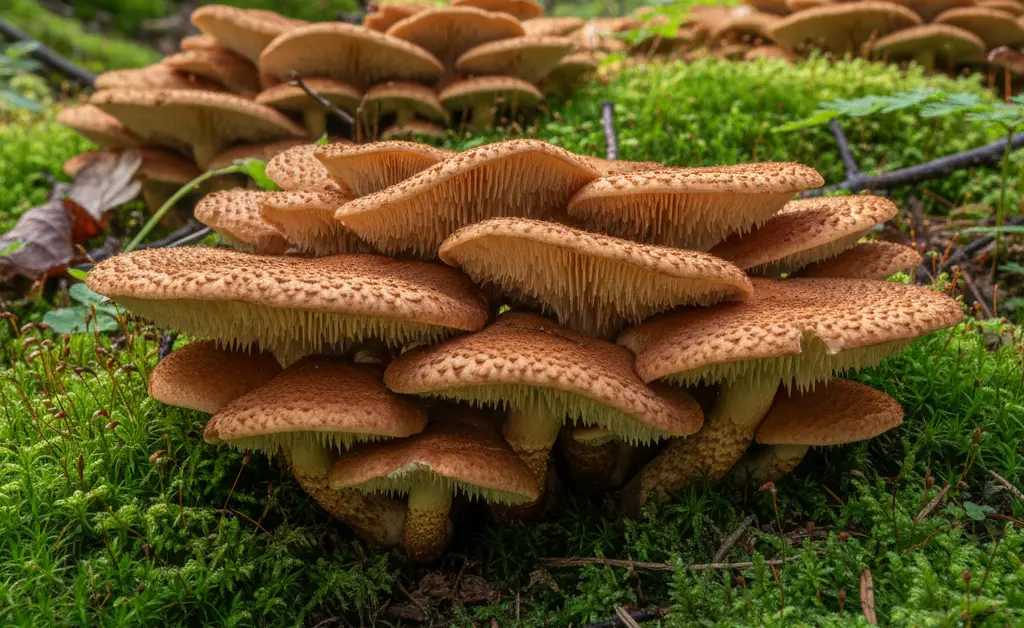
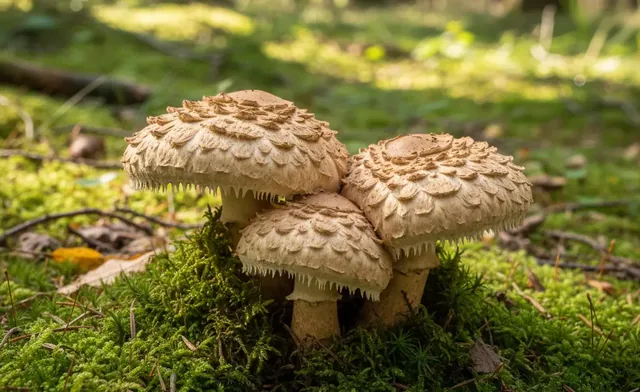
The shingled hedgehog mushroom is another variety known for its unique appearance. It is important to correctly identify any mushroom before consumption.
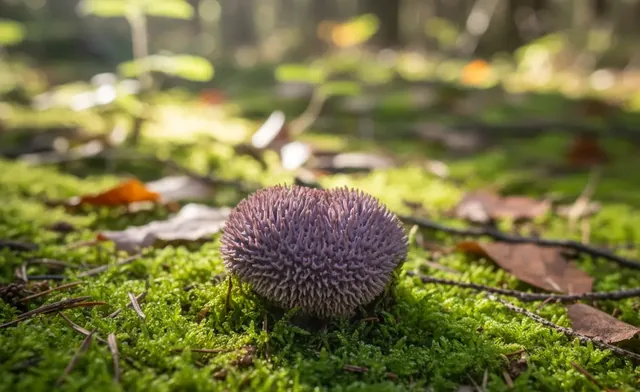
The violet hedgehog mushroom is also a notable variety for foragers to be aware of.
The hedgehog mushroom truly stands out as a unique and delicious wild edible, offering a distinct addition to any culinary repertoire. Its unmistakable tooth-like underside provides a reliable identification marker, making it a relatively safe mushroom for careful foragers to seek out. With a delightful nutty and earthy flavor, coupled with a firm, satisfying texture, it lends itself well to a wide range of cooking applications, from simple sautéing to more complex dishes. However, as with all wild edibles, confident identification and proper handling are paramount to ensure a safe and enjoyable gastronomic experience. For more information on this mushroom, refer to this hedgehog mushroom guide.
This article is written for general understanding and not for medical decision-making. It provides information for educational purposes only and should not be considered a substitute for professional advice. Readers should exercise caution and consult with qualified experts before consuming wild foraged foods. Any decisions regarding consumption should be based on personal research and expert guidance, not solely on the information presented herein.
FAQ
Are hedgehog mushrooms edible?
Yes, hedgehog mushrooms are indeed edible and are highly regarded for their culinary qualities. They possess a mild, earthy flavor and a firm, meaty texture that holds up well in cooking. Their distinctive spines are a safe and edible part of the mushroom.
Continue reading
You May Also Like
Shingled Hedgehog Mushroom: Edibility and Culinary Uses
Get a straightforward answer on the shingled hedgehog mushroom edible qualities and find expert instructions on its safe preparation and cooking.
Shingled Hedgehog Mushroom: Edibility and Culinary Uses
Get a straightforward answer on the shingled hedgehog mushroom edible qualities and find expert instructions on its safe preparation and cooking.
Violet Hedgehog Mushroom: Identification and Edibility
While the violet hedgehog mushroom is edible, safe foraging depends on correctly identifying its unique characteristics to avoid harmful look-alikes.