
How to Find the Perfect Hedgehog Mushroom Habitat
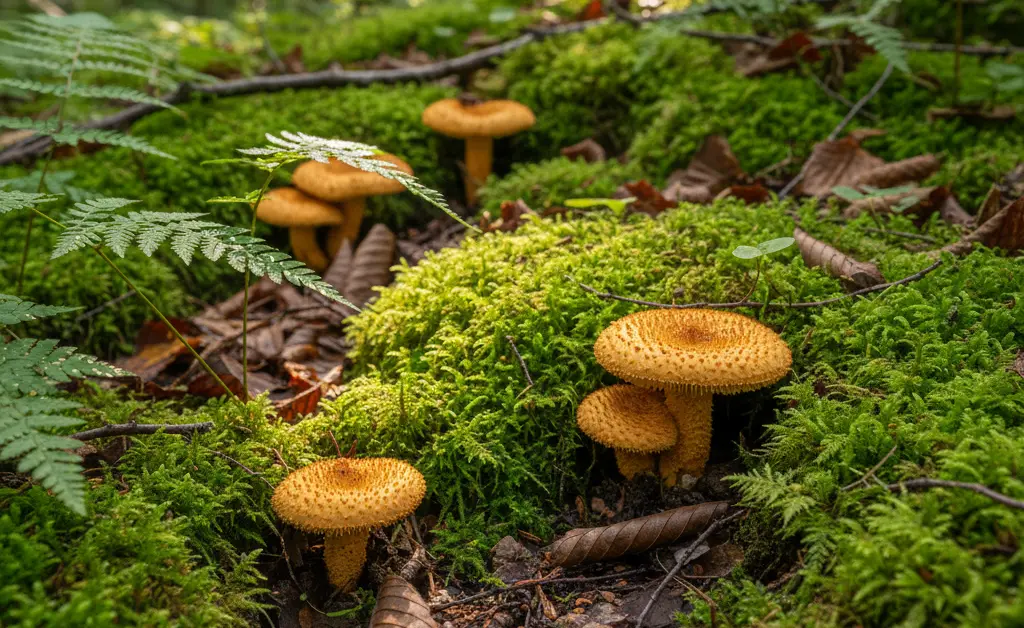
Have you ever embarked on a foraging adventure, only to be met with disappointment and empty baskets, despite your best efforts to locate specific wild edibles? The frustration of searching tirelessly without success is a common experience for many enthusiasts, especially when targeting highly prized fungi. Pinpointing the precise ecological niches where gourmet mushrooms thrive can feel like a daunting task, often leading to wasted time and missed opportunities. This guide aims to alleviate that common foraging dilemma by demystifying the optimal conditions for one such prized species. We will explore in detail the specific requirements that define the ideal hedgehog mushroom habitat, providing you with the essential knowledge to improve your chances of a bountiful harvest and transform your foraging endeavors from guesswork to informed exploration.
Hedgehog Mushroom Distribution & Habitat
Preferred Soil Composition
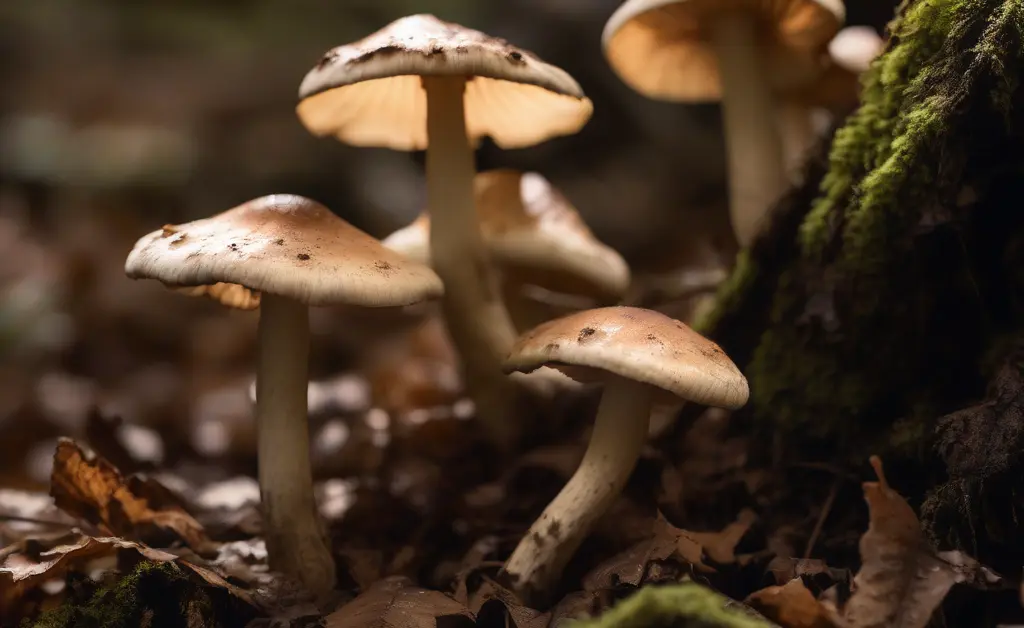
The Hydnum repandum, commonly known as the hedgehog mushroom, exhibits a distinct preference for certain soil conditions. These fungi generally flourish in well-drained, acidic to neutral soils. They are often found in areas with a rich organic layer, such as those abundant in leaf litter or decaying wood, which contributes to the nutrient content and moisture retention of the soil. A good hedgehog mushroom habitat often features sandy or loamy soils, rather than heavy clay, allowing for proper aeration and drainage essential for their mycorrhizal network.
Moisture and Humidity Requirements
Adequate moisture is a critical factor for the development of hedgehog mushrooms. They thrive in consistently moist, but not waterlogged, environments. High humidity, often found in dense woodlands, is highly beneficial, helping to prevent the delicate mycelial network from drying out. Prolonged periods of drought can significantly hinder their growth and fruiting.
Temperature Ranges and Climate
Hedgehog mushrooms are typically found in temperate climates. They prefer moderate temperatures, generally emerging during the cooler parts of summer and throughout autumn. Extreme heat or cold can impede their growth. Their distribution often correlates with regions that experience distinct seasons, providing the necessary temperature fluctuations for their life cycle.
Light Conditions and Shade Preference
These mushrooms usually favor shaded environments, often found under the canopy of mature trees. Direct sunlight can dry out their preferred moist habitats and is generally avoided. Dappled light or deep shade provides the optimal light conditions for a flourishing hedgehog mushroom habitat.
Deciduous Woodland Preferences
One of the most common places to find hedgehog mushrooms is within deciduous forests. They form beneficial mycorrhizal associations with a variety of broadleaf trees. Specific deciduous species, such as oak, beech, and birch, are frequently associated with a productive hedgehog mushroom habitat. The rich leaf litter produced by these trees creates an ideal environment.
Coniferous Forest Habitats
While less common than in deciduous woodlands, hedgehog mushrooms can also be found in coniferous forests. Here, they may form relationships with trees like pine, spruce, and fir. The specific soil chemistry and needle litter found in these areas can also support their growth, especially in mixed woodland ecosystems where both tree types are present.
Mixed Woodland Ecosystems
Mixed woodlands, containing both deciduous and coniferous trees, often represent an exceptionally rich hedgehog mushroom habitat. The diversity of tree species can lead to a wider range of mycorrhizal partners and a varied soil composition, providing an excellent environment for these fungi to thrive.
Mycorrhizal Relationships with Trees
The key to understanding the hedgehog mushroom habitat lies in its mycorrhizal nature. These fungi establish a symbiotic relationship with tree roots, exchanging nutrients. This obligate relationship means that hedgehog mushrooms will always be found in close proximity to specific tree species, making tree identification a vital skill for foragers. Foraging for hedgehog mushrooms requires knowledge of these symbiotic relationships.
Impact of Rainfall and Weather
The timing and amount of rainfall significantly influence the fruiting of hedgehog mushrooms. A period of consistent, moderate rainfall followed by cooler temperatures often triggers their emergence. Prolonged dry spells or excessive rain can both negatively impact their abundance.
Factors Influencing Fruiting Cycle
Beyond general weather, several factors influence the fruiting cycle, including specific climatic conditions, soil temperature, and the health of their host trees. Understanding these intricate relationships helps predict when and where a good hedgehog mushroom habitat might yield a harvest.
Understanding Hedgehog Mushroom Habitat
Preferred Soil Composition
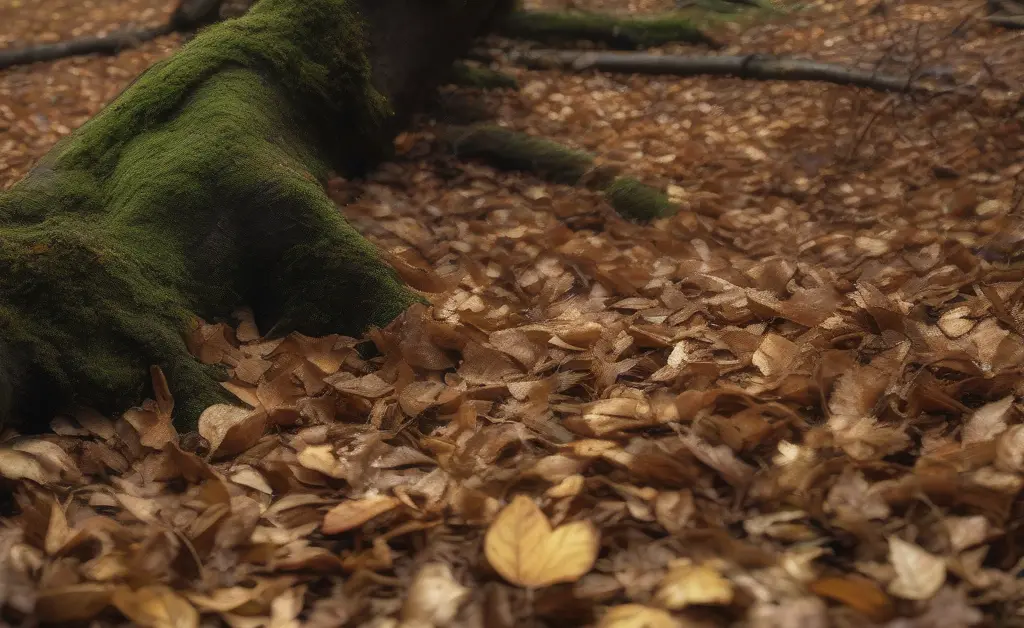
As mentioned, the ideal hedgehog mushroom habitat is characterized by soil that is well-drained and often slightly acidic to neutral. They flourish in organic-rich substrates, benefiting from the decomposition of leaves and woody debris. This preferred soil composition supports the extensive underground mycelial network of the fungus.
Moisture and Humidity Requirements
Consistent environmental moisture is paramount for the development of Hydnum repandum. Areas with stable, elevated humidity levels, such as those found in dense, shaded forests, are highly conducive to their growth. Foraging after a period of gentle rain, particularly in humid conditions, often increases the chances of finding these sought-after fungi.
Temperature Ranges and Climate
The growth of hedgehog mushrooms is optimal within specific temperature ranges, typically moderate. They are not well-suited to extreme heat or freezing conditions. Therefore, a temperate climate, with its distinct seasons, provides the most favorable conditions for a thriving hedgehog mushroom habitat.
Light Conditions and Shade Preference
Hedgehog mushrooms predominantly grow in shaded or partially shaded areas. The forest canopy provides the necessary protection from direct sunlight, which could otherwise dry out their sensitive fungal structures and mycelium. Look for them nestled among undergrowth or at the base of trees in diffused light.
Deciduous Woodland Preferences
Often, the most abundant findings of hedgehog mushrooms occur in deciduous woodlands, particularly under oak, beech, and birch trees. These environments provide a stable environment with abundant leaf litter and the necessary mycorrhizal partners.
Coniferous Forest Habitats
While deciduous woodlands are prime locations, coniferous forests can also be a habitat of hedgehog mushroom. In these areas, they may associate with pines, spruces, or firs. The specific conditions, including soil pH and available nutrients, vary between coniferous and deciduous settings, influencing their prevalence.
Mixed Woodland Ecosystems
Mixed woodlands represent a highly diverse and often productive hedgehog mushroom habitat. The presence of both broadleaf and conifer species can create a complex ecosystem that supports a wider range of fungal life, including Hydnum repandum.
Mycorrhizal Relationships with Trees
The symbiotic relationship with tree roots is a defining characteristic of the hedgehog mushroom’s life cycle. This mycorrhizal relationship means that identifying the host trees, such as oak, pine, or spruce, is crucial for locating where do hedgehog mushrooms grow. Scientific studies on fungal biology often detail these intricate relationships.
Impact of Rainfall and Weather
Fluctuations in weather and rainfall patterns are primary determinants of hedgehog mushroom distribution and fruiting. A sustained period of moisture, without being waterlogged, often precedes a bountiful harvest. Extreme weather events can disrupt their delicate growth cycle.
Factors Influencing Fruiting Cycle
Several factors influencing fruiting cycle contribute to the appearance of hedgehog mushrooms, including climatic conditions, soil temperature, and season. Understanding these elements helps foragers anticipate peak foraging seasons and locate prime areas.
Successfully locating hedgehog mushrooms requires more than just a keen eye; it demands an understanding of their specific ecological needs. By focusing on well-drained, organic-rich soils, consistent moisture and humidity, moderate temperatures, and shaded woodland environments, foragers can significantly improve their chances. Recognizing their mycorrhizal associations with specific tree species, particularly in deciduous and mixed forests, is also paramount. Paying attention to rainfall patterns and the broader climatic conditions that trigger their fruiting cycles will further refine your search. Armed with this knowledge, your next foraging expedition for the prized Hydnum repandum can become a more informed and rewarding experience.
This information should be viewed as educational rather than medical advice. The content provided is for general knowledge and informational purposes only, and does not constitute medical advice. It is not intended to be a substitute for professional medical advice, diagnosis, or treatment. Always seek the advice of a qualified healthcare provider with any questions you may have regarding a medical condition or before undertaking any new health regimen.
FAQ
What kind of environment do hedgehog mushrooms prefer?
Hedgehog mushrooms are often found in a variety of woodland settings, preferring areas with ample leaf litter and organic material on the forest floor. They thrive in mixed forests, where they can benefit from the diverse microbial communities present. These mushrooms are typically found in dappled sunlight rather than deep shade.
What type of soil do hedgehog mushrooms grow in?
These fungi generally grow in acidic to neutral soils rich in organic matter, such as humus and decaying leaves. The soil should be well-drained but capable of retaining some moisture, as consistent dampness is beneficial for their development. They are not typically found in heavily compacted or waterlogged conditions.
Which trees are associated with hedgehog mushroom growth?
Hedgehog mushrooms form mycorrhizal associations with various tree species. They are commonly found near oaks, beeches, pines, and spruces, indicating a symbiotic relationship with these trees. This partnership helps both the fungus and the tree exchange nutrients.
What season do hedgehog mushrooms fruit?
The fruiting season for hedgehog mushrooms typically begins in late summer and extends through the fall. This period often coincides with increased rainfall after a warm summer, providing the necessary moisture for mushroom development. They can sometimes be found into early winter in milder climates.
Do hedgehog mushrooms grow in both deciduous and coniferous forests?
Yes, hedgehog mushrooms demonstrate adaptability and can be found fruiting in both deciduous woodlands and coniferous forests. Their presence in these different forest types highlights their ability to associate with a range of tree species. This broad habitat preference makes them a relatively widespread find.
What climatic conditions favor hedgehog mushrooms?
Hedgehog mushrooms favor moderate temperatures and consistently moist conditions, often following periods of rain. They typically develop best in autumn, after the heat of summer has subsided and before the deep cold of winter sets in. A humid forest environment with good air circulation is ideal.
What are the ideal fruiting conditions for Hydnum repandum?
The ideal fruiting conditions for Hydnum repandum include moist, well-drained, acidic soil and moderate temperatures, typically found in late summer through autumn. They require dappled sunlight and thrive in areas with abundant leaf litter and mycorrhizal associations with trees like oaks and pines. The hedgehog mushroom habitat is quite varied but consistently requires these environmental factors.
Continue reading
You May Also Like

How to Make the Perfect Hedgehog Mushroom Omelette
This simple hedgehog mushroom omelette recipe includes expert tips on proper preparation to ensure a fluffy texture and rich, nutty flavor.

The Perfect Creamy Hedgehog Mushroom Pasta
This guide provides a simple hedgehog mushroom pasta recipe, walking you through the steps to create a creamy and delicious meal for dinner.

Crafting the Perfect Hedgehog Mushroom Risotto
Create a restaurant-quality meal at home with our easy hedgehog mushroom risotto recipe, guiding you through each step for a perfectly creamy finish.