
Semmelstoppelpilz: Germany’s Hedgehog Mushroom
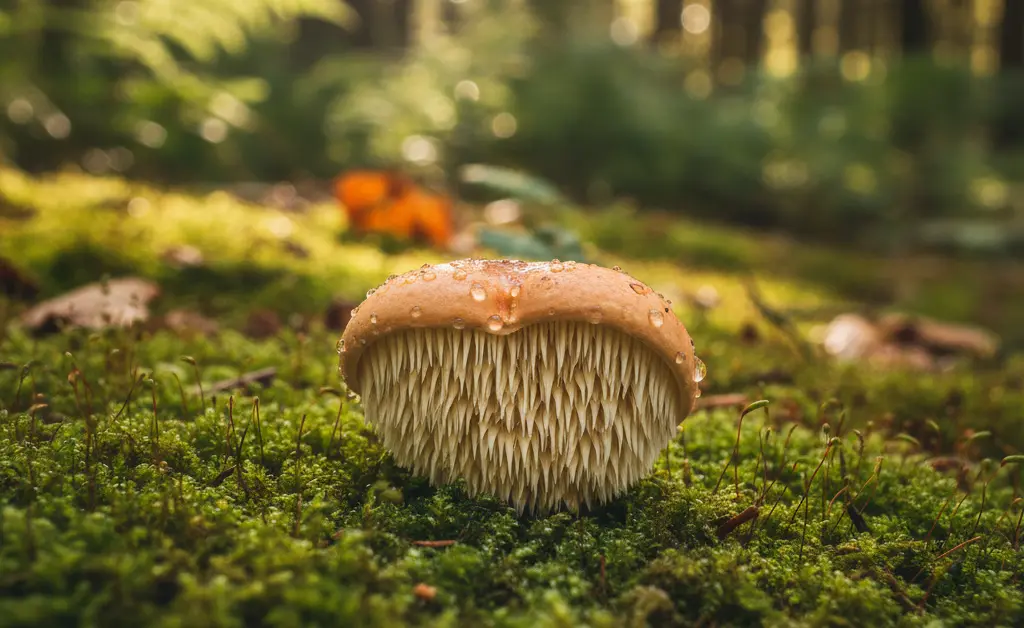
Have you ever wondered what to call the distinctive hedgehog mushroom when exploring forests in German-speaking regions? This fascinating fungus, known scientifically as Hydnum repandum, holds a special place in European culinary traditions, particularly across Germany, Austria, and Switzerland. Its unique underside, covered with tooth-like spines rather than gills, makes it easily identifiable and highly sought after by foragers. Understanding its common names and characteristics is crucial for both identification and appreciation. This article will delve into everything you need to know about the hedgehog mushroom in german, from its nomenclature, such as “Semmelstoppelpilz,” to its preferred habitats and culinary uses, offering a comprehensive guide for enthusiasts.
Hydnum repandum: The Hedgehog Mushroom in German
Hydnum repandum, commonly recognized as the hedgehog mushroom, is a widely distributed and prized edible fungus. In German-speaking countries, this distinctive species is affectionately known as “Semmelstoppelpilz.” Its scientific name, Hydnum repandum, refers to its repand (wavy or irregular) cap and the spiny underside, which is a key identifying feature. The appeal of the hedgehog mushroom in german culture extends beyond its unique appearance, making it a favorite among culinary enthusiasts and foragers alike.
Common and Regional German Names for Semmelstoppelpilz
The most widely accepted and understood German name for Hydnum repandum is “Semmelstoppelpilz.” This name is quite descriptive; “Semmel” refers to a bread roll, and “Stoppel” means stubble or bristles, aptly describing its pale, often bun-shaped cap and its spiny underside. While “Semmelstoppelpilz” is prevalent, some regional variations or additional descriptive names may exist. Learning these names is essential for clear communication when foraging or discussing mushrooms in Germany, Austria, or Switzerland. The pronunciation typically follows standard German phonetics: “Zem-mel-stop-pel-pilz.” For information on other types of mushrooms and their characteristics, you can consult details about enoki mushroom info.
Habitat and Season in German-Speaking Regions
The Semmelstoppelpilz thrives in a variety of forest environments across German-speaking regions. It typically forms mycorrhizal associations with both coniferous and deciduous trees, including spruce, pine, beech, and oak. You can often find it growing singly or in scattered groups on the forest floor, frequently amongst moss or leaf litter. The mushroom prefers well-drained, slightly acidic to neutral soil. Its fruiting season generally extends from late summer through autumn, typically from August to November, depending on local weather conditions and rainfall patterns. Knowledge of these preferred habitats and seasons significantly aids successful foraging.
Understanding Semmelstoppelpilz: Key Information for German Speakers
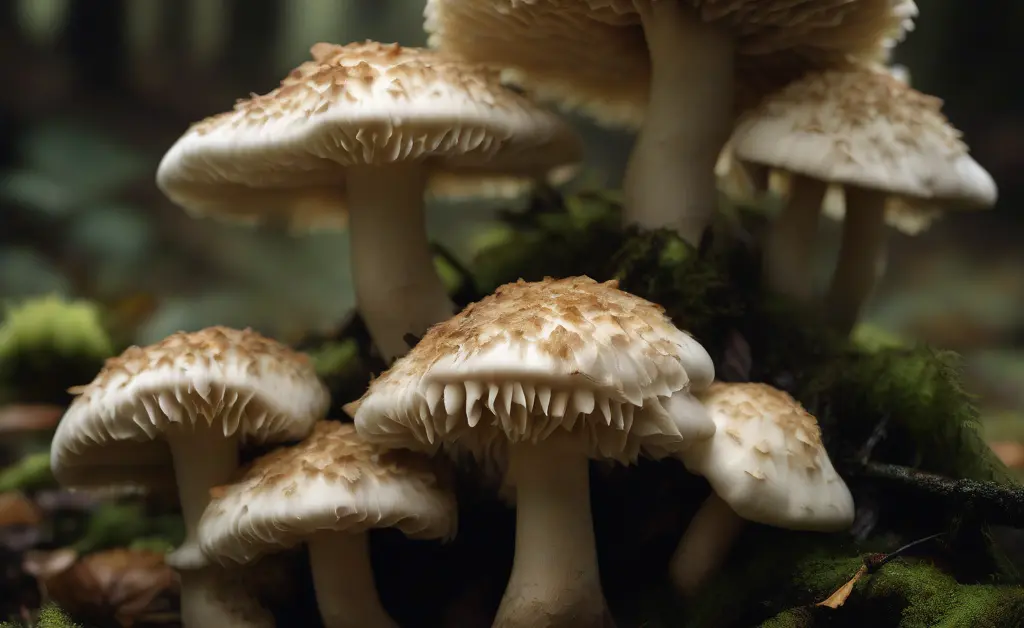
For German speakers interested in foraging, understanding the nuances of Semmelstoppelpilz is crucial. This mushroom is highly regarded for its firm texture and mild, slightly peppery or nutty flavor, making it a versatile ingredient in many dishes. Its unique appearance, with spines instead of gills, often makes it easier for beginners to identify compared to other species. The edibility of the hedgehog mushroom in german culinary traditions is well-established, provided proper identification is made. Foraging for this mushroom offers a delightful way to engage with nature and enjoy fresh, wild produce.
Identifying Hedgehog Mushrooms (Hydnum repandum) in German Contexts
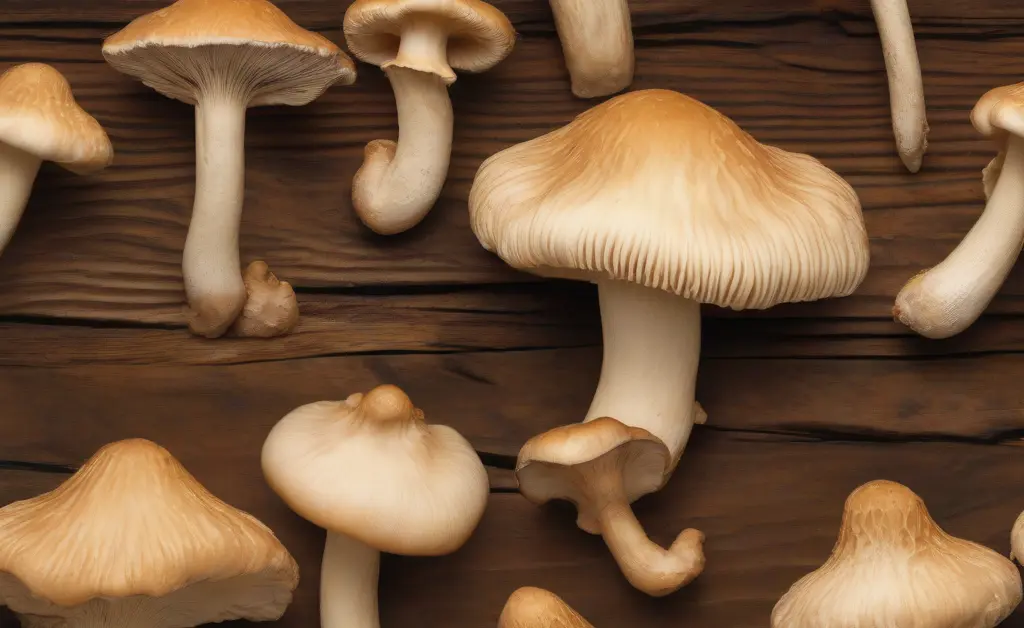
Accurate identification is paramount when foraging for any wild mushroom, and the hedgehog mushroom is no exception. In German-speaking areas, foragers rely on several key features to confidently identify Hydnum repandum. The cap typically ranges from cream to orange-brown and is often irregular or wavy in shape, growing between 5 and 15 centimeters wide. The most distinguishing characteristic is the underside of the cap, which features soft, brittle, tooth-like spines that are easily detached, rather than gills. The stem is usually stout and off-center, sharing the cap’s color or being slightly paler. When cut, the flesh is firm and white, and it may sometimes bruise a yellowish or orange hue. While the Semmelstoppelpilz has few truly dangerous look-alikes, it is always important to confirm identification with reliable field guides. Understanding these traits is key to confidently gathering the hedgehog mushroom in german forests. Some mushrooms can appear yellow, and it’s important to know these distinctions for safe foraging, similar to learning about enoki mushroom yellow varieties.
Common and Regional German Names for Semmelstoppelpilz
The common German nomenclature for this distinctive fungus, “Semmelstoppelpilz,” highlights its widespread recognition and the practical, descriptive approach often taken in naming wild mushrooms. While this name is predominant, its prevalence across different regions of Germany, Austria, and Switzerland underscores its cultural significance. The robust nature and culinary desirability of the hedgehog mushroom in german culture contribute to its familiar status among mushroom enthusiasts. Regional variations in common names are less frequent for Semmelstoppelpilz compared to some other fungi, indicating a broadly consistent understanding of this popular species.
The hedgehog mushroom, or Semmelstoppelpilz, represents a beloved and distinctive part of European, and particularly German, fungal biodiversity. Its unique spiny underside makes it an accessible and rewarding find for foragers, while its mild flavor ensures its popularity in diverse culinary applications. From its scientific classification as Hydnum repandum to its common German names and preferred habitats, understanding this mushroom enriches any forest outing. Whether you’re an experienced mushroom hunter or a curious beginner, the Semmelstoppelpilz offers a fascinating glimpse into the world of wild edibles and the rich traditions surrounding them in German-speaking lands.
The information presented in this article is educational and not meant as professional medical counsel. This content is for informational purposes only and is not intended to be a substitute for professional medical advice, diagnosis, or treatment. Always seek the advice of a qualified healthcare provider for any questions regarding a medical condition. Never disregard professional medical advice or delay in seeking it because of something you have read in this article. Wild mushroom foraging should only be undertaken by experienced individuals with expert knowledge to ensure safe and accurate identification, as misidentification can have serious health consequences. For general guidance on food safety from regulatory bodies, consult resources like the FDA.
FAQ
What is the German word for hedgehog mushroom?
The German word for hedgehog mushroom is Semmelstoppelpilz. This name directly reflects the mushroom’s appearance, as “Semmel” refers to a type of bread roll, and “Stoppel” means stubble or bristle, hinting at its spiny underside.
Is Semmelstoppelpilz the same as Hydnum repandum?
Yes, Semmelstoppelpilz is the common German name for the mushroom species scientifically known as Hydnum repandum. This species is recognizable by its unique, tooth-like structures on the underside of its cap instead of gills.
Are there other German names for the hedgehog mushroom?
Indeed, the hedgehog mushroom is known by several other regional names in German-speaking areas. Some of these include “Igel-Stacheling” or simply “Stoppelpilz,” all referencing its characteristic spiny hymenium.
Where can I find Semmelstoppelpilz in Germany?
Semmelstoppelpilz can be found in various forested regions across Germany, typically growing in deciduous and coniferous woodlands. It often prefers acidic soils and can be discovered during late summer and autumn.