
The Many Names of the Hedgehog Mushroom
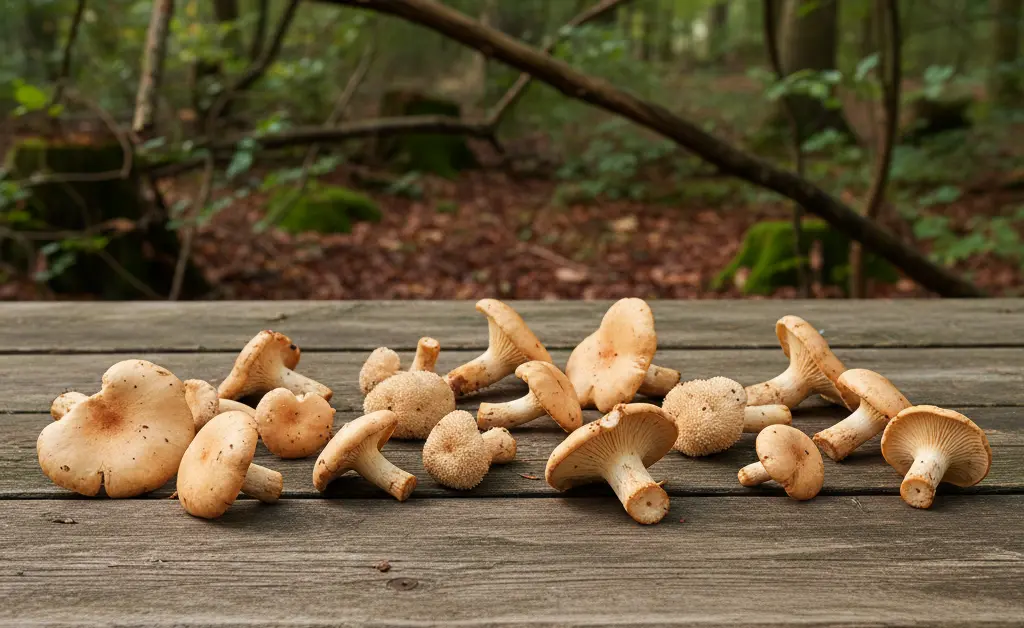
A common misconception is that a widely recognized English common name for a natural entity, such as the “hedgehog mushroom,” translates directly or is easily understood across all linguistic borders. In reality, the fascinating world of mycology reveals a rich tapestry of cultural interpretation, where a single species can boast a multitude of unique descriptors. This variety goes far beyond mere translation; it reflects historical observation, local folklore, and distinguishing physical characteristics as perceived by different communities. Exploring the diverse hedgehog mushroom names in other languages uncovers not just linguistic variations but also cultural nuances that highlight how different societies have interacted with and categorized this distinctive fungus. This article delves into these various appellations, offering a glimpse into the global nomenclature of Hydnum repandum and its related species.
Hedgehog Mushroom Names in Other Languages
The culinary appeal and distinctive appearance of the hedgehog mushroom (Hydnum repandum) have led to its recognition and naming across many cultures and languages. The specific hedgehog mushroom names in other languages often reflect the mushroom’s physical attributes, such as its spines or coloration, or its perceived resemblance to other animals or objects. This linguistic diversity highlights how local common names are deeply rooted in the observational history and cultural context of a region.
French
In French, the hedgehog mushroom is most commonly known as “Pied de mouton,” which translates literally to “sheep’s foot.” This descriptive name likely refers to the mushroom’s sturdy, somewhat foot-like stem and cap, and perhaps its pale, slightly woolly texture when young. It is a widely recognized and appreciated edible mushroom in France. You can learn more about the hedgehog mushroom in French.
German
German speakers often refer to the hedgehog mushroom as “Semmelstoppelpilz.” This compound word can be broken down: “Semmel” refers to a bread roll, and “Stoppelpilz” means “stubble mushroom” or “bristle mushroom,” referring to its characteristic spines under the cap. This name vividly captures the mushroom’s distinctive bristly underside and its somewhat rounded, bread-like cap shape.
Spanish
In Spanish, the hedgehog mushroom has several common names, including “Lengua de gato,” meaning “cat’s tongue,” which refers to the slightly rough, tongue-like texture of its cap. Another common name is “Gamuza,” which means chamois leather, possibly alluding to its soft, yellowish-brown cap. These names reflect different perceived qualities of the fungus.
Italian
Italian names for Hydnum repandum include “Steccherino dorato,” translating to “golden toothpick,” a charming reference to its golden-yellow hue and the spine-like teeth. Another widely used name is “Spinarolo,” which directly means “spiny one,” clearly describing the mushroom’s most distinguishing feature.
Dutch
The Dutch name for the hedgehog mushroom is “Gele stekelzwam,” which translates directly to “yellow spine mushroom.” This name is straightforward and descriptive, highlighting both its common color and its defining characteristic of spines or teeth underneath the cap rather than gills.
Finnish
Finnish names for this species include “Vaaleaorakas,” which can be understood as “pale hedgehog.” The term “orakas” is generally used for fungi with spines, making this a clear and precise descriptor for the pale-colored, spiny mushroom.
Swedish
In Sweden, the hedgehog mushroom is known as “Blek taggsvamp.” This name means “pale spine mushroom,” directly referencing its often light or pale color and the distinctive spines on the underside of its cap, which are characteristic of the Hydnum genus.
Norwegian
Norwegians call the hedgehog mushroom “Blek piggsopp.” Similar to its Swedish counterpart, “blek” means “pale,” and “piggsopp” translates to “pig mushroom” or “spike mushroom,” indicating its pale appearance and the spines that distinguish it from gilled mushrooms.
Danish
The Danish name, “Bleg pigsvamp,” also translates to “pale pig mushroom.” This uniformity in the Nordic languages highlights a shared observation of the mushroom’s light coloration and its unique spiny underside, differentiating it from other edible fungi.
Polish
In Poland, the hedgehog mushroom is commonly referred to as “Kolczak obłączasty.” The term “kolczak” means “spiny one” or “prickly,” directly pointing to its distinctive spines. The second part, “obłączasty,” refers to its somewhat convex or arched shape.
Czech
The Czech name for the hedgehog mushroom is often “Jelínek obecný.” While “obecný” means “common,” “Jelínek” literally translates to “little deer.” The origin of this specific association might be more rooted in local folklore or a less direct visual resemblance than other names.
Russian
Russian speakers typically refer to Hydnum repandum as “Ежовик жёлтый” (Yezhovik zhyoltyy). “Ежовик” (Yezhovik) means “hedgehog” (derived from “ёж” – ezh, hedgehog), directly reflecting the spiny underside, and “жёлтый” (zhyoltyy) means “yellow,” describing its common coloration.
Chinese
In Chinese, common names for Hydnum repandum are less standardized than for some other prominent edible mushrooms. Often, descriptive terms are used, such as 齿菌 (chǐjūn), which literally means “tooth fungus” or “spiny fungus,” directly referring to its characteristic spines. More specific regional names may exist, but a single, universally recognized common name equivalent to “hedgehog mushroom” is not as prevalent.
Japanese
The Japanese name for the hedgehog mushroom is “カノシタ” (Kanoshita), which translates to “deer’s tongue.” This poetic name likely refers to the mushroom’s somewhat irregular, slightly textured cap surface, perhaps reminiscent of a deer’s tongue. Another name is “ハリタケ” (Haritake), meaning “spine mushroom,” which is a direct description of its distinctive feature.
Scientific and Regional Name Variations

Beyond the diverse hedgehog mushroom names in other languages, there exist scientific classifications and highly localized regional appellations that further illustrate the nuanced ways humans categorize natural phenomena. While common names vary widely, scientific nomenclature provides a universal system, and regional names often carry specific cultural or historical weight.
Hydnum repandum
Hydnum repandum is the globally recognized scientific name for the hedgehog mushroom. This binomial name is crucial for unambiguous identification among mycologists and mushroom enthusiasts worldwide, overcoming linguistic barriers. The genus name “Hydnum” is derived from a Greek word related to ‘hedgehog’ or ‘swine’ due to the spines found on the underside of these fungi. The species epithet “repandum” is Latin, meaning ‘bent back’ or ‘spreading,’ likely referring to the mushroom’s often wavy or somewhat upturned cap margins.
Dentinum repandum
Historically, Dentinum repandum was another scientific name used for the hedgehog mushroom. While still encountered in older mycological literature or regional guides, it is now largely considered a synonym for Hydnum repandum. The genus “Dentinum” also refers to teeth or spines, reinforcing the primary distinguishing characteristic of this mushroom. Understanding these synonyms is important for those delving into older texts or more granular mycological classifications. The scientific classification of fungi, such as the button mushroom scientific name, is vital for clear communication among researchers.
Hedgehog mushroom’s Scots name Hurcheon
In Scots, a distinct regional language of Scotland, the hedgehog mushroom is sometimes referred to as “Hurcheon.” This name is particularly interesting because “hurcheon” is also the traditional Scots word for the animal hedgehog. This direct linguistic link beautifully encapsulates how early observers noted the striking resemblance between the mushroom’s spiny underside and the mammal, leading to a shared name that emphasizes its most prominent visual trait.
What is another name for a hedgehog mushroom?

When asking “what is another name for a hedgehog mushroom?”, the answer can vary greatly depending on context and language. Globally, the scientific name provides the most consistent answer, but local common names offer a rich tapestry of cultural insights. The sheer variety of hedgehog mushroom names in other languages underscores its widespread recognition and appreciation, despite geographical and linguistic divides.
Hydnum repandum
Without a doubt, the most universally accepted “other name” for a hedgehog mushroom, particularly in scientific and formal contexts, is its Latin binomial, Hydnum repandum. This name ensures precise communication regardless of one’s native language. It serves as the definitive identifier, transcending the many diverse common names it has accumulated across different cultures and regions.
The exploration of hedgehog mushroom names in other languages reveals more than just linguistic differences; it offers a fascinating glimpse into how various cultures perceive and interact with the natural world. From the French “Pied de mouton” to the Japanese “Kanoshita,” each name is a snapshot of local observation, folklore, and descriptive ingenuity. These appellations not only help us identify this distinctive fungus but also connect us to a broader human history of engagement with the mycological kingdom, highlighting its universal appeal and unique characteristics that resonate across borders and languages.
Further research into specific fungal species can be found through various scientific institutions. For example, the National Institutes of Health (NIH) provides extensive resources on health and biological sciences. NIH is a valuable source of information for those interested in scientific studies.
This article is meant for general informational use and awareness. It is not intended to be a substitute for professional advice or guidance. While mushroom identification is discussed, this content should not be used as the sole basis for identifying or consuming wild mushrooms. Always consult with qualified experts for accurate identification, especially concerning edible species.
FAQ
What is the French name for hedgehog mushroom?
In French, the hedgehog mushroom is commonly known as “pied de mouton.” This name translates to “sheep’s foot,” likely referencing the mushroom’s distinctive shape and texture.
How is Hydnum repandum referred to in German?
The German name for Hydnum repandum is “Igelstacheling.” This term directly translates to “hedgehog sting,” highlighting the mushroom’s unique underside covered in tooth-like spines.
Are there different common names for hedgehog mushroom in Europe?
Yes, there are various common names for hedgehog mushrooms across Europe, reflecting regional dialects and local foraging traditions. These diverse names often describe the mushroom’s physical characteristics or its habitat.
What are the local names for hedgehog mushrooms?
Local names for hedgehog mushrooms vary significantly by region and can include terms like “wood hedgehog” or “sinkers.” The hedgehog mushroom names in other languages often describe its appearance, such as its spines or its tendency to grow low to the ground.
Continue reading
You May Also Like

What to Know About Black Hedgehog Mushrooms
The black hedgehog mushroom is a sought-after edible, but proper identification is crucial to distinguish it from any poisonous look-alikes.

Your Premier Source for Fresh Hedgehog Mushrooms
Enjoy the sweet, nutty flavor of wild-foraged fungi when you buy hedgehog mushroom from our store, with fast and fresh delivery on all orders.

Eating Hedgehog Mushrooms: A Guide to Safety and Prep
While you can eat hedgehog mushrooms raw, our guide covers the essential safety precautions and proper preparation methods to enjoy them safely.