
Distinguishing Hedgehog and Lion’s Mane Mushrooms
Just as it can be confusing to differentiate between various types of berries that share a similar appearance, many people encounter similar uncertainty when trying to distinguish between specific wild mushrooms. Among the array of fungi gaining popularity for culinary and medicinal uses, hedgehog mushrooms and lion’s mane often cause confusion due to their unique, somewhat spiky or toothy appearances. While both are sought after, understanding their distinct features is crucial for foragers, chefs, and health enthusiasts alike. This guide aims to clearly delineate the characteristics, benefits, and identification markers, providing a comprehensive analysis of hedgehog mushroom vs lion’s mane to ensure accurate understanding and appreciation of each.
Hedgehog Mushroom vs Lion’s Mane: Are They the Same?
Despite superficial resemblances that can lead to confusion, hedgehog mushrooms and lion’s mane are fundamentally distinct species. They belong to different genera and possess unique characteristics beyond their shared “toothed” appearance. Understanding their differences is key for proper identification and appreciating their individual attributes, especially when considering the nuances of hedgehog mushroom vs lion’s mane.
Clarifying the Common Names
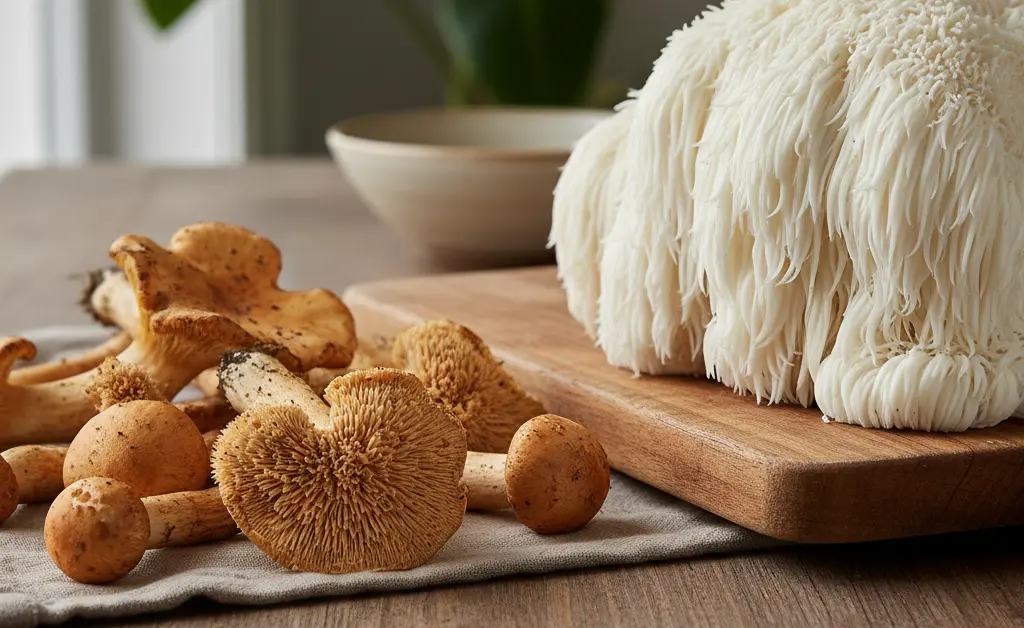
The use of common names can often be a source of confusion in the mycological world, and this is certainly true for these two fungi. “Hedgehog mushroom” commonly refers to species within the genus Hydnum, most notably Hydnum repandum, due to the distinctive spine-like projections on its underside. “Lion’s Mane,” on the other hand, is the widely recognized common name for mushrooms in the genus Hericium, particularly Hericium erinaceus. The overlapping terminology often arises from both species featuring some form of spiny or cascading structures, but these structures are quite different upon closer inspection.
The Scientific Relationship
Scientifically, hedgehog mushrooms and lion’s mane are not closely related. The hedgehog mushroom (Hydnum repandum) belongs to the family Hydnaceae. Its identifying features include a cap, a stipe (stem), and the characteristic soft, easily detachable spines on the underside of the cap instead of gills. In contrast, lion’s mane (Hericium erinaceus) is part of the family Hericiaceae. Identifying Lion’s Mane (Hericium erinaceus) reveals a structure composed primarily of long, cascading spines that grow outwards from a central fleshy mass, rather than forming a distinct cap and stem in the same way as a hedgehog mushroom.
Why the Overlapping Terminology?
The primary reason for the occasional overlapping terminology or confusion between these two distinct fungi stems from their unique, spine-like structures. While most familiar mushrooms have gills or pores, both hedgehog mushrooms and lion’s mane feature tooth-like projections. Foragers new to mushroom identification might initially group them together based on this shared, unusual characteristic. However, a deeper dive into their morphology quickly reveals significant differences that set them apart as unique species, highlighting why a clear understanding of hedgehog mushroom vs lion’s mane is important for accurate identification.
Hedgehog Mushroom vs Lion’s Mane Identification

Accurate identification is paramount when foraging for wild mushrooms, and distinguishing between hedgehog mushroom vs lion’s mane requires attention to their unique physical characteristics and growth habits. While both sport an appearance that deviates from the typical gilled mushroom, their specific features are quite different.
Differentiating from Visually Similar Fungi
The hedgehog mushroom (Hydnum repandum) is generally characterized by a cap that can range from off-white to orange-brown, often irregularly shaped, and sometimes depressed in the center. Its most striking identification feature is the underside of the cap, which is covered with small, brittle, cream-colored spines that detach easily when touched, rather than gills. The stem is typically stout and off-center. They commonly grow on the ground in coniferous or deciduous forests. In contrast, Understanding Lion’s Mane Mushroom means looking for a large, shaggy white mass, often growing directly on trees, particularly hardwoods. Distinctive Physical Appearance of Lion’s Mane involves numerous soft, fleshy spines, often several centimeters long, hanging downwards like icicles or a waterfall. These spines are the primary fruiting body and give it its characteristic “lion’s mane” or “pom-pom” appearance.
Lion’s Mane Look Alike Identification
When it comes to Lion’s Mane Look Alike Identification, it’s important to be aware of other species within the Hericium genus, such as Hericium americanum (often called bear’s head tooth mushroom) and Hericium coralloides (coral tooth mushroom). These cousins of Hericium erinaceus also have a tooth-like structure but differ in their overall growth pattern. Hericium americanum tends to have longer, branching spines that grow from a more visible central stalk, while Hericium coralloides exhibits delicate, coral-like branching structures with shorter spines. While these relatives are also generally considered edible, knowing the specific characteristics of Hericium erinaceus ensures accurate identification. Safe Mushroom Foraging: Hedgehog Mushroom, on the other hand, means looking for its distinctive underside spines and terrestrial growth habit, which are quite different from any Hericium species.
Hedgehog Mushroom vs Lion’s Mane Edible Characteristics
Beyond their distinct appearances and scientific classifications, the culinary qualities of hedgehog mushroom vs lion’s mane also present notable differences. Both are highly prized edible mushrooms, but they offer unique flavor profiles and textures that appeal to different palates and cooking applications.
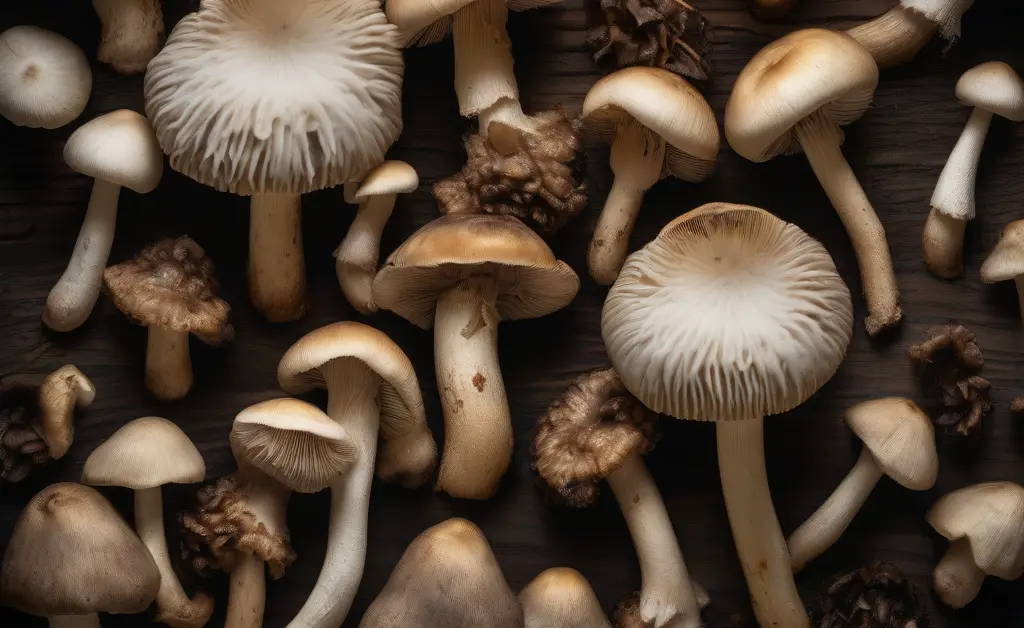
The hedgehog mushroom is celebrated for its firm, slightly crunchy texture and a mild, nutty, somewhat peppery flavor. It holds up well to cooking and is versatile in the kitchen. Many chefs appreciate its ability to absorb flavors while maintaining its structural integrity. It can be sautéed, roasted, pickled, or added to stews and risottos, providing a pleasant chewiness and earthy aroma.
Lion’s Mane, conversely, offers a much different gastronomic experience. It is often described as having a unique “seafood-like” taste and texture, reminiscent of crab, lobster, or scallops. When cooked, it becomes tender and succulent, making it a popular choice as a plant-based meat substitute. It readily absorbs marinades and seasonings, lending itself well to pan-frying, deep-frying (for a crispy texture), or shredding and sautéing with butter and garlic. The “meaty” texture and delicate flavor make it a gourmet ingredient, prized in both traditional and contemporary cuisine.
Hedgehog Mushroom vs Lion’s Mane Health Benefits
Both of these remarkable fungi are not only valued for their culinary uses but also for their potential health-supporting properties. While both offer general nutritional value, the specific areas of research and traditional use differ significantly when comparing hedgehog mushroom vs lion’s mane.
Hedgehog mushrooms, like many edible fungi, contribute to a balanced diet by providing vitamins, minerals, and dietary fiber. They are also being studied for potential antioxidant properties and immune system support, which are common attributes across many mushroom species. Traditionally, various edible mushrooms have been consumed for general wellness and vitality.
Lion’s Mane Benefits, particularly those associated with Hericium erinaceus, have garnered considerable scientific interest, especially concerning cognitive and neurological health. This fungus is extensively researched for compounds that may support nerve growth factor (NGF) production, which could play a role in nerve regeneration and brain health. Studies have explored its potential to support cognitive function, memory, and focus. Additionally, Hericium Erinaceus Benefits may extend to gut health, with research suggesting a potential for supporting the digestive system and modulating the gut microbiota. It is also being studied for its anti-inflammatory properties and its potential role in immune modulation. The question of “What is the scientific name for lion’s mane mushroom?” points directly to Hericium erinaceus, highlighting the specific species associated with these well-researched properties. How can you identify a Hericium erinaceus mushroom? By its characteristic cascading spines, a feature central to its distinct identity and associated benefits.
Addressing Common Misconceptions and Similarities

Despite their distinct characteristics, it’s easy to see how the “toothed” or “spiny” appearance could lead to initial confusion between hedgehog mushrooms and lion’s mane. The primary misconception is that they are the same species or closely related due to this visual quirk. However, as explored, their scientific classifications, specific growth patterns, and the nature of their “spines” are quite different. The Hericium Genus: Where “Hedgehog” Comes From, referring to the genus *Hericium* containing the word ‘hedgehog-like’ in its etymology, further contributes to this confusion, as it describes the spiky appearance, not a direct relation to the *Hydnum* genus.
The main similarity lies in their unusual morphology compared to common gilled or pored mushrooms. Both are also highly regarded edible fungi with desirable culinary attributes and are generally considered safe for consumption when correctly identified. They share the broad classification of “toothed fungi” but diverge significantly in their specific features and the particular health benefits they are studied for. Understanding these distinctions is crucial for anyone interested in foraging, cooking with, or exploring the wellness potential of these unique and fascinating fungi.
In conclusion, while both hedgehog mushrooms and lion’s mane are celebrated for their unique appearances, culinary appeal, and potential health benefits, they are distinct species with clear differentiating features. The hedgehog mushroom, with its mild flavor and detachable spines, stands apart from the lion’s mane, known for its seafood-like taste and cascading, icicle-like tendrils. Accurate identification, whether for foraging or culinary purposes, is straightforward once one understands their individual characteristics. Each mushroom offers its own unique contribution to the plate and to potential wellness, making both worthy of appreciation in their own right.
While this article discusses health-related topics, it does not provide medical guidance. The information presented is for general knowledge and informational purposes only, and does not constitute medical advice. Always consult with a qualified healthcare professional before making any decisions about your health or treatment. This content is not intended to be a substitute for professional medical advice, diagnosis, or treatment.
FAQ
Is lion’s mane the same as hedgehog mushroom?
No, lion’s mane and hedgehog mushrooms are distinct species with different appearances and nutritional profiles. While both are edible and sought after for their unique textures and flavors, they do not belong to the same genus or species.
Why is lion’s mane also referred to as hedgehog mushroom?
Lion’s mane is sometimes colloquially referred to as hedgehog mushroom due to its shaggy, cascading white tendrils that can resemble the spines of a hedgehog. This common name is descriptive of its appearance rather than its scientific classification or relation to true hedgehog mushrooms.
How to identify a hedgehog mushroom?
True hedgehog mushrooms are typically recognized by their distinctive, downward-pointing, spine-like structures on their undersides, which replace the gills found on many other mushrooms. They often have a stout, firm texture and a pleasant, earthy aroma, and their caps usually range from tan to reddish-brown.
Continue reading
You May Also Like
Eating Lion's Mane Raw: What You Need to Know
While the answer to 'can you eat lion's mane mushroom raw' is technically yes, cooking is highly recommended to improve its bitter taste and tough…

Cordyceps vs. Lion's Mane: Which Health Benefits Suit Your Needs?
Explore the key differences between cordyceps mushroom and lion's mane for energy and cognition. Discover their overlapping benefits in our…

A Complete Guide to Cooking Lion's Mane Mushroom
Achieve the best flavor and texture with our proven techniques for how to cook lion's mane mushroom, covering everything from proper prep to pan.