
The Right Way to Clean Hedgehog Mushrooms
Mushrooms, whether foraged or store-bought, frequently carry traces of soil, leaves, or other debris from their natural environment. This characteristic is particularly noticeable with hedgehog mushrooms, which possess distinctive, tooth-like spines underneath their caps that can easily trap dirt. Ensuring these delicate fungi are properly cleaned is a crucial step before incorporating them into any dish. Not only does it contribute to food safety, but it also helps to maintain their unique flavor and desirable texture. This guide outlines the most effective methods, detailing precisely how to clean hedgehog mushroom, thereby preparing them thoroughly for cooking and enhancing your culinary experience.
How to Clean Hedgehog Mushrooms
Properly cleaning hedgehog mushrooms is essential to enjoy their unique, nutty flavor and firm texture without any gritty interruptions. The approach typically involves a combination of gentle dry cleaning techniques, as these fungi, like many others, can absorb water readily, potentially diluting their flavor and making them less desirable when cooked. Understanding how to clean hedgehog mushroom effectively begins with a careful visual assessment and selection of the right tools.
Inspecting for Surface Dirt
Before any active cleaning begins, a thorough inspection of each hedgehog mushroom is crucial. Examine the cap, the distinctive spines underneath, and the stem for any visible signs of soil, pine needles, leaves, or even small insects. Pay particular attention to the spines, as their unique structure makes them prime candidates for trapping debris. This initial step helps you determine the extent of cleaning required and identify any areas that might need more focused attention.
Using a Dedicated Mushroom Brush
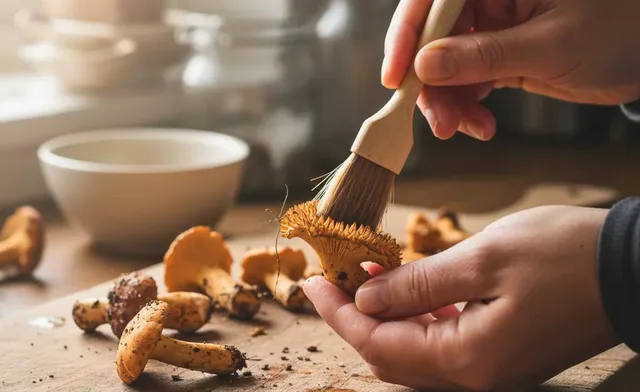
For most light-to-moderately soiled hedgehog mushrooms, a dedicated mushroom brush is an ideal tool. These brushes typically feature soft bristles designed to dislodge dirt and debris without damaging the delicate flesh of the fungi. Gently sweep the brush across the cap, down the stem, and carefully between the spines to remove loose particles. The soft bristles ensure that the mushroom’s integrity remains intact while effectively cleaning its surfaces.
Alternative: The Soft Toothbrush Method
If a specialized mushroom brush is not available, a clean, soft-bristled toothbrush can serve as an excellent alternative. The principle is much the same: use gentle strokes to remove surface dirt and debris. Ensure the toothbrush has not been used for oral hygiene and is completely dry. Its smaller head can sometimes be advantageous for reaching into tighter spots, such as between the hedgehog mushroom’s spines, allowing for precise and effective cleaning.
Gentle Brushing to Remove Loose Debris
With either a mushroom brush or a soft toothbrush, the technique for removing loose debris should always be gentle. Hold the hedgehog mushroom carefully and use light, sweeping motions. Start from the center of the cap and move outwards, then address the stem and the area around the gills or spines. The goal is to brush away any clinging soil, dust, or forest detritus without bruising or tearing the mushroom’s delicate structure.
Careful Scraping for Embedded Dirt
Sometimes, dirt can be more stubbornly embedded, especially within the fibrous texture of the stem or between the spines. For these tougher spots, a small, sharp paring knife or the tip of a vegetable peeler can be used with extreme caution. Gently scrape away only the soiled portions, taking care to remove as little of the edible mushroom flesh as possible. This method is particularly useful for dislodging packed soil that brushing alone cannot remove.
Cutting Away Damaged or Heavily Soiled Areas
During the cleaning process, you may encounter areas of the hedgehog mushroom that are heavily soiled, bruised, or show signs of insect damage. It is best to simply cut away these affected portions with a sharp knife. This ensures that only the pristine, edible parts of the mushroom are used, enhancing both the safety and aesthetic appeal of your dish. Be decisive but economical in your trimming to preserve as much of the mushroom as possible.
Preparing Hedgehog Mushrooms
Once the initial cleaning of the hedgehog mushroom is complete, a few final preparatory steps help to ensure they are ready for culinary use. Proper preparation goes beyond just cleaning; it involves refining their texture and ensuring consistency for cooking. This stage is crucial for those who are learning how to clean hedgehog mushroom efficiently for various recipes.
Trimming the Stem Base
The base of the hedgehog mushroom stem, particularly if foraged, often remains tough, fibrous, or heavily encrusted with soil even after brushing and scraping. It is generally advisable to trim off the very bottom portion of the stem, typically about a quarter to half an inch, or until you reach a clean, tender part. This not only removes any residual dirt but also eliminates any woody or unpalatable sections, ensuring a more pleasant eating experience.
Cleaning Methods for Hedgehog Mushrooms
While dry cleaning is generally preferred for preserving the delicate flavor and texture of hedgehog mushrooms, understanding various cleaning methods is key. This section delves into handling specific challenges and considerations when learning how to clean hedgehog mushroom, especially concerning their unique structure and propensity for water absorption.
Handling Stubborn Dirt and Imperfections
For very stubborn dirt that resists brushing or light scraping, a slightly damp cloth can be employed as a last resort, but use it sparingly. Gently wipe the affected areas, then immediately dry the mushroom with a clean paper towel. The goal is to minimize water contact. If imperfections or particularly difficult-to-clean spots remain, a precise trim with a sharp knife is often the most effective and safest solution, ensuring the overall quality of the mushroom remains high. Remember, the spines of the hedgehog mushroom are delicate and prone to breaking if handled too roughly, so always proceed with care.
It is important to note that proper food handling practices are crucial when preparing any wild foraged items. You can find more information on food safety guidelines from the FDA.
Effectively cleaning hedgehog mushrooms is a straightforward process that greatly enhances their culinary appeal. By following these careful steps, from initial inspection to gentle brushing and targeted trimming, you can ensure your hedgehog mushrooms are perfectly prepared for any dish. This meticulous approach preserves their unique flavor and texture, allowing you to fully appreciate these delightful fungi in your cooking.
not applicable
FAQ
Can you wash hedgehog mushrooms with water?
While mushrooms are porous and can absorb water, a quick rinse under cool running water is generally acceptable for hedgehog mushrooms if they are particularly dirty. Ensure they are thoroughly dried immediately afterward to prevent sogginess and potential spoilage.
What is the best way to clean hedgehog mushrooms?
The most effective method for cleaning hedgehog mushrooms involves using a dry brush or a damp cloth. This approach gently removes surface debris without oversaturating the delicate mushroom tissue.
What tools are used to clean hedgehog mushrooms?
A soft-bristled brush, a pastry brush, or a clean, damp cloth are commonly used tools for cleaning hedgehog mushrooms. These items allow for precise removal of soil and other particles without damaging the mushroom’s structure.
How do you remove dirt from the underside of hedgehog mushrooms?
Dirt from the underside of hedgehog mushrooms can be carefully brushed away with a small, dry brush or gently wiped with a damp cloth. The unique, tooth-like spines underneath can trap dirt, so a delicate touch is important for effective cleaning.
Continue reading
You May Also Like
The Right Way to Clean Hedgehog Mushrooms
This guide explains how to clean hedgehog mushroom correctly, covering simple brushing methods and how to handle stubborn dirt for perfect prep.
What to Know About Black Hedgehog Mushrooms
The black hedgehog mushroom is a sought-after edible, but proper identification is crucial to distinguish it from any poisonous look-alikes.
Your Premier Source for Fresh Hedgehog Mushrooms
Enjoy the sweet, nutty flavor of wild-foraged fungi when you buy hedgehog mushroom from our store, with fast and fresh delivery on all orders.