
The Complete Guide to Growing Tremella Mushrooms
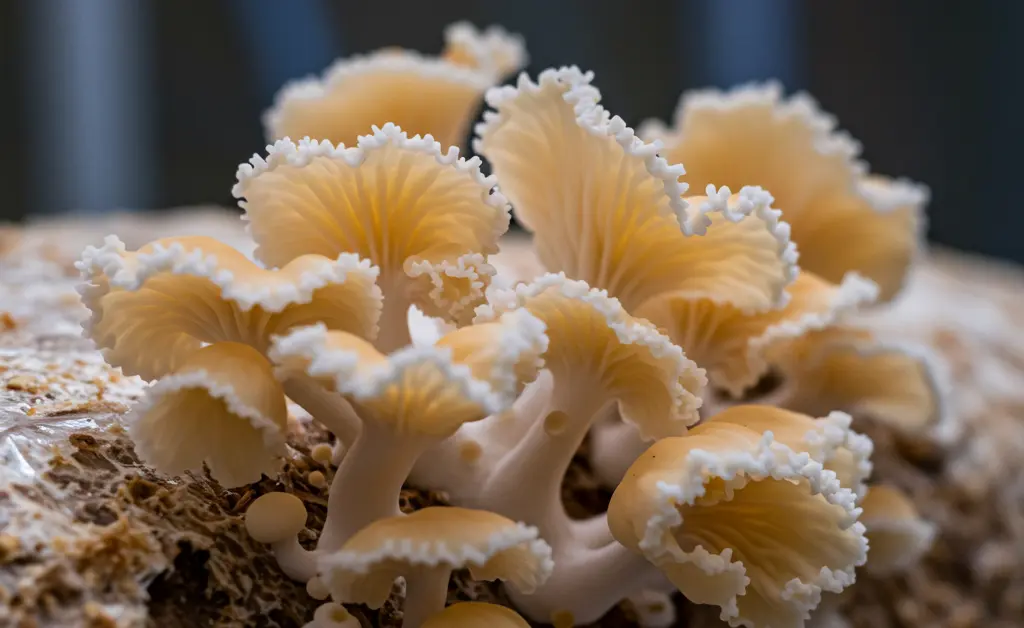
Tremella mushrooms, frequently referred to as ‘snow fungus’ due to their distinctive translucent and gelatinous appearance, are highly valued in both culinary and cosmetic applications for their unique texture and perceived health-promoting properties. Although naturally occurring on decaying logs in specific forest environments, the process of cultivating these intriguing fungi can be successfully replicated in controlled settings with the right approach. This comprehensive guide is designed to demystify the cultivation process, offering practical, step-by-step instructions on how to grow tremella mushroom. By exploring everything from understanding their symbiotic requirements and selecting suitable substrates to maintaining optimal environmental conditions for fruiting, aspiring growers will gain the knowledge needed to produce their own bountiful harvests of this sought-after ingredient.
How to Grow Tremella Mushroom: A Comprehensive Guide
Overview of the Cultivation Process
Cultivating tremella mushrooms, often known as snow fungus, is a rewarding endeavor that requires a nuanced understanding of their unique growth requirements. Unlike many other gourmet mushrooms, Tremella fuciformis has a symbiotic relationship with a specific host fungus, meaning both must be present and thriving for successful fruiting. The overall process begins with acquiring or preparing appropriate fungal cultures, then selecting and sterilizing a suitable substrate. Once the substrate is inoculated with both the tremella and its host, it undergoes an incubation period for mycelial colonization. Finally, specific environmental conditions are manipulated to induce the formation of the distinctive fruiting bodies. Mastering how to grow tremella mushroom involves attention to detail at each stage, from initial setup to harvest, ensuring a plentiful yield of this delicate fungus.
Understanding Tremella Mushroom Cultivation & Its Unique Needs
The Essential Symbiotic Relationship
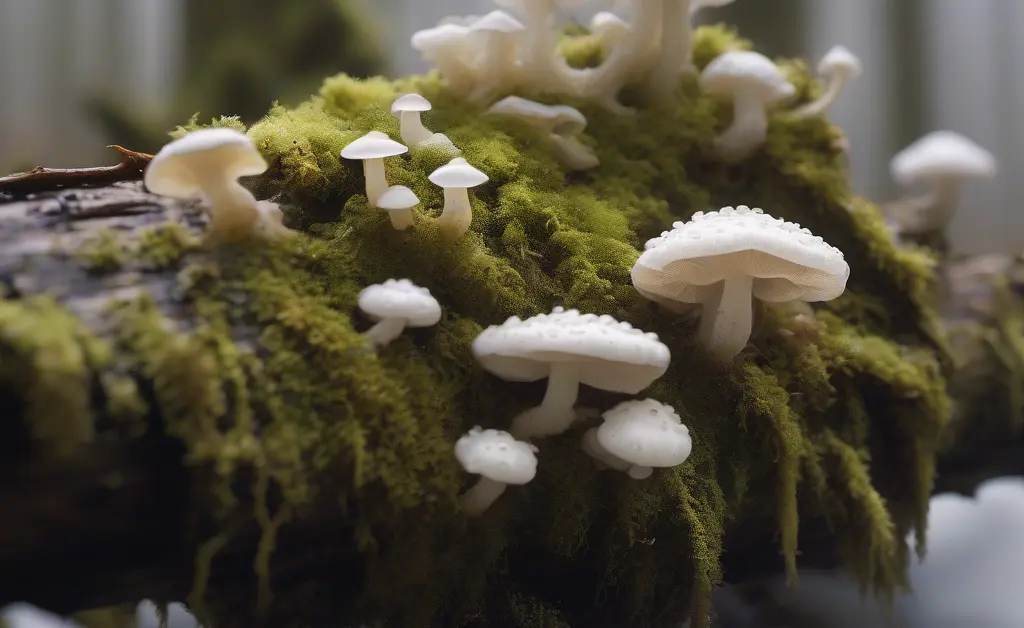
Tremella fuciformis, commonly recognized as snow fungus, does not grow independently. Its existence in nature, and thus in cultivation, relies on a fascinating symbiotic relationship with another fungus, typically a species of *Annulohypoxylon* or *Hypoxylon*. The tremella mycelium parasitizes the mycelium of this host fungus, which in turn thrives on decaying wood. This obligate parasitism means that for tremella mushrooms to fruit, the host fungus must first establish itself on the substrate. Growers must therefore cultivate both organisms simultaneously or sequentially, ensuring the host fungus is well-established before the tremella can truly flourish and produce its gelatinous fruiting bodies.
Identifying the Host Fungus (e.g., Annulohypoxylon archeri, Hypoxylon acheri)
For successful tremella cultivation, identifying and cultivating the correct host fungus is paramount. The most commonly associated host species include *Annulohypoxylon archeri* and *Hypoxylon acheri*, among others in the *Hypoxylaceae* family. These fungi are saprophytic, meaning they derive nutrients from dead wood, often found colonizing hardwood logs or sawdust blocks in natural settings. When selecting a host fungus culture for cultivation, it is important to ensure it is compatible with *Tremella fuciformis*. Mycology suppliers often provide suitable host fungus cultures alongside tremella cultures, specifically intended for this symbiotic pairing. Proper identification ensures that the tremella has the necessary nutritional support to develop.
Choosing the Right Tremella Fuciformis Strain
Selecting an appropriate strain of *Tremella fuciformis* can significantly influence the success and yield of a cultivation project. Different strains may exhibit variations in growth speed, resilience to environmental fluctuations, and ultimately, the size and quality of the fruiting bodies. Some strains are specifically optimized for indoor cultivation environments, demonstrating robust growth on sawdust-based substrates, while others might be better suited for outdoor log cultivation. Researching and sourcing cultures from reputable mycological suppliers who can provide information on strain characteristics, such as optimal growing temperatures and fruiting potential, is a key step for any aspiring grower. A high-performing strain can lead to more consistent and abundant harvests.
Tremella Fuciformis Culture Medium and Cultivation
Cultivating *Tremella fuciformis* in a controlled environment typically begins with developing robust mycelial cultures. This often involves propagating the fungus on various culture media, such as agar plates or in liquid culture. Agar slants, for example, provide a sterile and nutrient-rich surface for mycelial growth, allowing for easy expansion and storage of the culture. When preparing culture media, formulations typically include a balanced mix of carbohydrates, nitrogen sources, and trace elements to support vigorous mycelial development. Maintaining sterility throughout this process is critical to prevent contamination from competing microorganisms. Once a healthy mycelial culture is established, it can then be used to inoculate larger substrates, transitioning from laboratory conditions to a growing environment.
Getting Started: Setting Up Your Tremella Grow
Tremella Mushroom Grow Kit Essentials
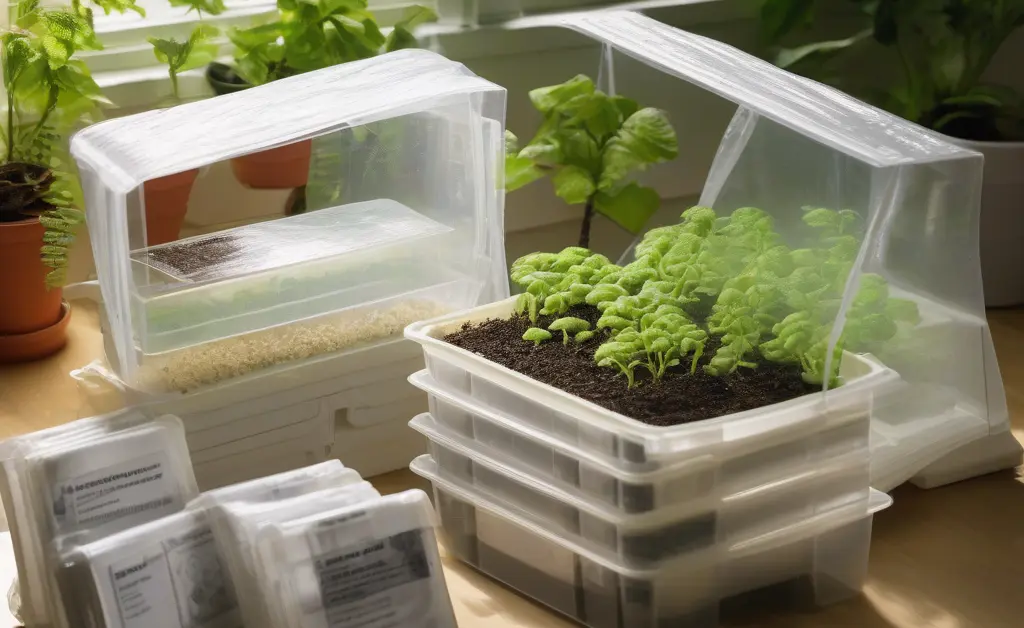
For those new to mushroom cultivation, a tremella mushroom grow kit can provide a convenient entry point. These kits typically include pre-inoculated substrate blocks, often with both the tremella and its host fungus already established, along with instructions and sometimes a humidity tent. While they simplify the initial stages, understanding the components helps in replicating the process independently. Essential items, whether in a kit or for a DIY setup, include a sterile growing chamber or environment, a suitable substrate, cultures of both fungi, and tools for inoculation and environmental control. For those looking to expand beyond a kit, gathering these essentials separately allows for greater customization and scale.
Selecting and Preparing Substrates
The choice and preparation of substrate are critical for successfully growing tremella mushroom. In nature, tremella primarily grows on decaying hardwood logs. For controlled cultivation, common substrates include hardwood sawdust blocks (often supplemented with bran or other nutrients) or actual hardwood logs. Species like oak, maple, and sweetgum are frequently used. The substrate must first be sterilized or pasteurized to eliminate competing fungi and bacteria, creating a clean environment for the desired organisms. For sawdust blocks, this usually involves pressure cooking or steaming for an extended period. Logs may require soaking and then natural pasteurization. Proper substrate preparation ensures the host fungus can colonize effectively, setting the stage for the tremella to thrive.
Essential Tools and Equipment
Setting up a tremella grow operation requires a specific set of tools and equipment to ensure sterility, proper inoculation, and environmental control. Key items typically include a pressure cooker or autoclave for sterilizing substrates, a laminar flow hood or a still air box for aseptic transfers, and various containers for preparing and incubating cultures and substrates. Other necessities might include sterile scalpels, inoculation loops, alcohol lamps, measuring scales, and personal protective equipment. For managing the fruiting environment, humidifiers, thermometers, hygrometers, and potentially grow lights are indispensable. Investing in reliable equipment is a foundational step for consistent cultivation success.
Maintaining a Sterile Environment
Sterility is perhaps the most critical factor in successful mushroom cultivation, particularly for delicate species like tremella. Contamination from airborne molds, bacteria, or other fungi can quickly ruin a batch. This means all equipment, substrates, and working surfaces must be meticulously sterilized. Using a pressure cooker or autoclave for substrate sterilization is standard practice. When working with cultures, inoculating, or transferring mycelium, a sterile working area, such as a laminar flow hood or a meticulously disinfected still air box, is essential. Practicing good hygiene, including sanitizing hands and wearing appropriate attire, further minimizes the risk of unwanted microbial growth. Vigilance in maintaining sterility throughout the entire process is key to preventing crop failure.
Methods for Growing Tremella Mushrooms (Snow Fungus)
Preparing Tremella Mycelium Cultures (e.g., on agar slants)
The journey of growing tremella mushrooms often starts with preparing pure mycelium cultures. This commonly involves transferring a small sample of tremella tissue or spores onto a sterile agar medium within a petri dish or an agar slant. These nutrient-rich media provide an an ideal environment for the mycelium to spread and establish itself cleanly, free from contaminants. Once a healthy mycelial culture has grown, it can be used to expand into liquid cultures or directly inoculate sterilized grain spawn or primary substrate blocks. Maintaining these cultures in a clean, controlled environment at appropriate temperatures ensures a viable source for ongoing cultivation projects, providing the genetic material needed for future harvests.
Cultivating the Host Fungus
As tremella mushrooms are parasitic on another fungus, the cultivation of the host fungus is an integral and parallel process. The host fungus, such as a species from the *Hypoxylaceae* family, needs to be established on the chosen substrate before the tremella can effectively colonize and fruit. This usually involves inoculating the sterilized substrate (e.g., hardwood sawdust or logs) with the host fungus mycelium. The host mycelium is allowed to fully colonize the substrate over several weeks, breaking down the wood and establishing a robust network. This pre-colonization by the host fungus creates the necessary nutritional base and living environment for the tremella mycelium to later attach and derive its sustenance, leading to the development of snow fungus fruiting bodies.
Utilizing Snow Fungus Liquid Culture Syringes
For efficient and rapid inoculation, many cultivators opt to utilize snow fungus liquid culture syringes. These syringes contain a suspension of tremella mycelium in a sterile nutrient broth, offering a practical way to introduce the fungus to prepared substrates. Liquid cultures can be prepared from agar cultures or purchased ready-made. The primary advantage of using a liquid culture syringe is its ability to quickly colonize the substrate, as the mycelial fragments are spread throughout, providing multiple points of growth initiation. When deciding how to grow tremella mushroom, liquid culture syringes simplify the inoculation step, making it less prone to contamination compared to handling solid mycelium, and ensuring even distribution over the substrate.
Inoculation and Mycelium Growth

Inoculating Your Substrate
Inoculating the substrate is the crucial step where the fungal cultures are introduced to their growth medium. For tremella, this typically involves a two-stage inoculation process or co-inoculation. In a sequential approach, the substrate is first inoculated with the host fungus mycelium and allowed to fully colonize. Once the host is established, the tremella mycelium, often in the form of grain spawn, sawdust spawn, or liquid culture, is introduced. For co-inoculation, both the host and tremella are introduced to the sterilized substrate simultaneously, requiring careful balancing of their growth rates. The goal is to evenly distribute the inoculum throughout the substrate, providing ample contact points for mycelial expansion. Maintaining sterility during inoculation is paramount to prevent competitor organisms from taking hold.
Incubation Period and Conditions
Following inoculation, the substrate blocks or logs enter the incubation phase, a critical period for mycelial colonization and growth. During this time, both the tremella and its host fungus establish their networks throughout the substrate, converting the nutrients into fungal biomass. Ideal incubation conditions typically involve a dark or dimly lit environment with stable temperatures. The specific temperature range will vary slightly depending on the tremella strain and host fungus used, but generally falls within a temperate range, avoiding extremes. High humidity is also beneficial during incubation, though direct moisture on the substrate surface should be avoided to prevent bacterial contamination. Proper air exchange, often through filter patches on grow bags, is necessary to prevent carbon dioxide buildup, which can inhibit mycelial growth. This phase can last several weeks to a few months, depending on the substrate type and environmental conditions, as the mycelium completely colonizes the medium, turning it white or off-white.
Optimizing for Fruiting and Crop Management
Inducing Fruiting Body Formation
Once the substrate is fully colonized by both the tremella and its host fungus, the next stage is to induce the formation of the distinctive gelatinous fruiting bodies. This transition from vegetative growth to reproductive growth is triggered by a change in environmental conditions. Typically, this involves exposing the colonized blocks or logs to cooler temperatures, increased light, and a significant increase in humidity. A “shock” treatment, such as a cold water bath, can sometimes be used to simulate natural seasonal changes and signal the fungus to fruit. Proper air exchange, providing fresh air, also plays a vital role in signaling the fruiting process and ensuring healthy development of the tremella mushrooms.
Environmental Factors: Temperature, Humidity, and Light
Controlling environmental factors is crucial for successful fruiting when learning how to grow tremella mushroom. Tremella fuciformis generally prefers a specific set of conditions to produce its best yields. Optimal temperatures for fruiting are typically cooler than incubation temperatures. High humidity, often close to saturation, is essential to prevent the delicate gelatinous fruiting bodies from drying out. This can be achieved using humidifiers or by cultivating within a humidity-controlled chamber. While direct sunlight is not required, some ambient or indirect light (e.g., from LED grow lights) can help guide the direction of growth and promote healthy morphology. Adequate air exchange is also necessary to prevent carbon dioxide buildup, which can inhibit fruiting and lead to leggy, underdeveloped mushrooms. Balancing these factors creates the perfect microclimate for tremella production.
Recognizing and Preventing Contamination
Contamination is a persistent challenge in mushroom cultivation, and tremella is no exception. Recognizing early signs of unwanted molds, bacteria, or other fungi is crucial for preventing crop loss. Common contaminants include green mold (*Trichoderma*), black mold (*Aspergillus*), and various bacteria that can cause slimy patches or foul odors. Prevention starts with strict sterility during substrate preparation and inoculation. Using a clean working environment, sterilized tools, and high-quality, pure cultures significantly reduces risks. If contamination is detected, affected blocks or logs should be isolated or removed immediately to prevent spores from spreading to other healthy grows. Good air filtration in the growing area can also help minimize airborne contaminants. Ensuring adherence to food safety standards is critical for growers, and information from regulatory bodies such as the FDA can provide valuable insights into best practices.
Addressing Common Growth Challenges
Even with careful planning, growers may encounter challenges when cultivating tremella mushrooms. One common issue is a lack of fruiting, which often points to insufficient environmental triggers such as inadequate temperature drop, low humidity, or poor air exchange. Slow or stalled mycelial colonization might indicate issues with substrate nutrition, excessive contamination, or suboptimal incubation temperatures. Fruiting bodies that are dry or stunted suggest insufficient humidity. Addressing these challenges often involves recalibrating environmental controls, ensuring proper substrate preparation, and re-evaluating the purity and viability of the fungal cultures. Patience and careful observation are key to troubleshooting and achieving successful yields.
Harvesting and Post-Harvest Care
When and How to Harvest Tremella Mushrooms
Knowing when to harvest tremella mushrooms is important for maximizing their quality and yield. Tremella fuciformis typically grows into translucent, gelatinous, coral-like structures. They are usually ready for harvest when they have reached a good size, are firm and fully hydrated, and have developed their characteristic ruffled appearance. They should not appear shriveled or discolored. To harvest, gently grasp the base of the cluster and twist or cut it cleanly from the substrate, being careful not to damage the underlying mycelial network, which could potentially produce subsequent flushes. After harvesting, fresh tremella should be stored in a breathable container in refrigeration to maintain freshness. For longer preservation, they can be dried, which concentrates their texture and allows for extended storage.
Cultivating tremella mushrooms, or snow fungus, is an intricate process that demands attention to detail, particularly regarding its symbiotic relationship with a host fungus. By meticulously preparing substrates, maintaining sterile conditions, and precisely controlling environmental factors during incubation and fruiting, home growers and commercial cultivators alike can successfully produce this unique and sought-after ingredient. From understanding the initial mycelial cultures to optimizing for bountiful harvests, each step contributes to the rewarding experience of growing your own tremella. With consistent effort and a methodical approach, a steady supply of these beautiful and versatile fungi can be achieved, bringing their distinctive texture and perceived benefits to your home.
This content is for informational use and should not be considered medical instruction. It is not intended to be a substitute for professional medical advice, diagnosis, or treatment. Always consult with a qualified healthcare professional before making any decisions about your health or undertaking any new health-related practices. The information provided is for general knowledge and educational purposes only.
FAQ
What are the basic steps to grow Tremella mushrooms?
Learning how to grow tremella mushroom typically involves selecting a suitable substrate, introducing the fungal spawn along with its host, and providing specific environmental conditions for mycelial colonization and subsequent fruiting. This process carefully mimics its natural growth, where it often colonizes decaying wood in a symbiotic relationship.
Does Tremella fuciformis require a host organism?
Tremella fuciformis is unique because it is a parasitic fungus, meaning it typically grows on and derives nutrients from another fungal host, often species like *Annulohypoxylon archeri* or *Hypoxylon* species. This specific relationship is crucial for its natural development and must be considered in cultivation.
What kind of substrate is best for Tremella cultivation?
For successful cultivation, Tremella fuciformis generally thrives on hardwood sawdust substrates, such as oak or alder, which are often supplemented with other nutrients like rice bran. The presence of its specific fungal host, either pre-colonizing the substrate or co-inoculated, is usually essential for fruiting body development.
How long does it take for Tremella mushrooms to grow?
The time it takes for Tremella mushrooms to develop and fruit can vary widely, often ranging from several weeks to a few months after inoculation of the substrate. Factors like temperature, humidity, and the health of the host fungus significantly influence the growth cycle.
Can Tremella fuciformis be cultivated indoors?
Tremella fuciformis can indeed be cultivated indoors within controlled environments that mimic its preferred natural conditions. Successful indoor cultivation involves managing temperature, humidity, fresh air exchange, and ensuring the presence of its host fungus.
What is the ideal temperature and humidity for growing Tremella?
Optimal mycelial growth for Tremella fuciformis often occurs in temperatures around 20-25°C (68-77°F), while fruiting bodies prefer slightly cooler temperatures, typically between 18-22°C (64-72°F). High humidity, usually above 90%, is critical throughout the entire cultivation process to support its characteristic jelly-like texture.
How do you get Tremella mushrooms to fruit?
Inducing fruiting in Tremella fuciformis primarily relies on providing the right environmental triggers after the mycelium and its host have thoroughly colonized the substrate. This typically involves adjusting temperature and humidity, along with introducing sufficient fresh air exchange to signal the shift from vegetative growth to reproductive development.