
A Complete Guide to Making Mushroom Extracts
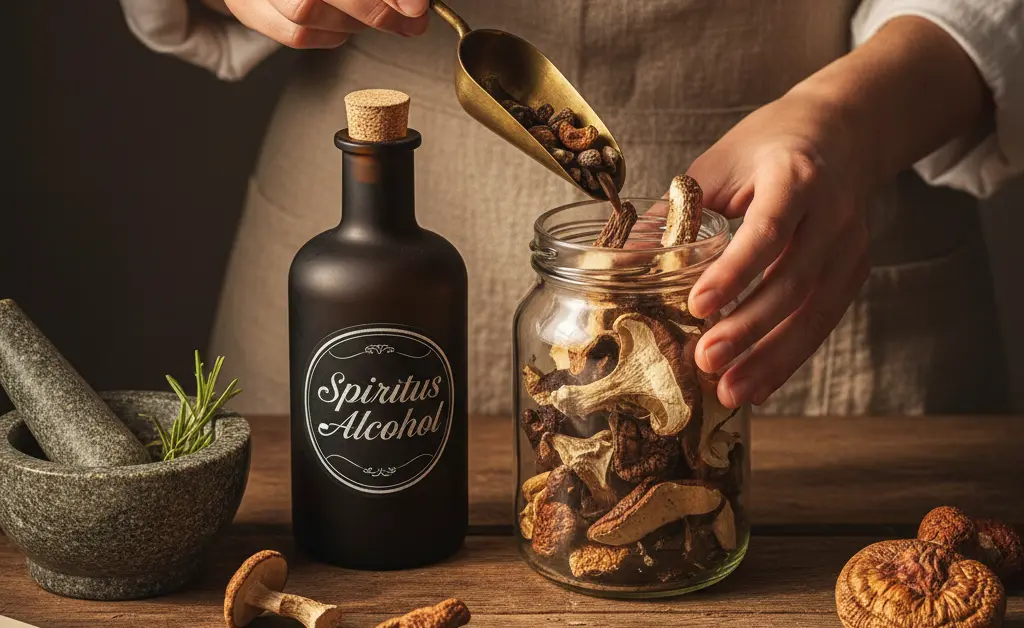
Just as brewing a cup of coffee extracts the rich flavors and stimulating compounds from ground beans, preparing a mushroom extract involves carefully drawing out beneficial constituents from fungi. This process concentrates the active compounds, making them more bioavailable and potent than simply consuming the whole mushroom. For individuals seeking to integrate the wellness properties of medicinal fungi into their routine, learning how to make mushroom extract is a valuable skill. This comprehensive guide will explore the essential techniques, from basic water infusions to advanced dual extraction methods, empowering you to create high-quality tinctures and powders at home. We will cover everything from selecting the right mushrooms to proper storage, ensuring a safe and effective final product.
Understanding Mushroom Extracts and Tinctures
Mushroom extracts are concentrated forms of a mushroom’s beneficial compounds, achieved by separating desired constituents from the fungal material using various solvents. This process yields a product that is often more potent and easier for the body to utilize compared to consuming whole, raw, or simply dried mushrooms. Tinctures represent a specific type of extract, typically made using alcohol or a combination of alcohol and water as solvents. While simple infusions might extract water-soluble compounds, tinctures, especially those involving alcohol, are adept at drawing out a broader spectrum of both water-soluble and alcohol-soluble components. The primary advantage of creating your own extract lies in controlling the quality of ingredients, understanding the extraction method employed, and tailoring the concentration to personal preferences.
Medicinal Mushroom Tincture: Recipe for Double Extraction
A double extraction is often considered the gold standard for medicinal mushroom preparations, particularly for species that contain both water-soluble compounds (like polysaccharides, beta-glucans) and alcohol-soluble compounds (like triterpenes). This method ensures a more comprehensive capture of the mushroom’s full spectrum of beneficial constituents. By performing two separate extraction phases—one with water and one with alcohol—and then combining the resulting liquids, the final product offers a broader array of bioactive compounds that might not be fully accessible through a single solvent extraction alone.
How to make a double extraction tincture
To create a double extraction tincture, the process typically begins with a water extraction phase, often a decoction, where the dried mushroom material is simmered in water for an extended period. This step is crucial for extracting water-soluble components. Following this, the same mushroom material, or sometimes fresh material, undergoes an alcohol extraction. This involves soaking the mushroom in a high-proof alcohol for several weeks, allowing the alcohol-soluble compounds to be drawn out. Finally, the liquid from the water extraction and the liquid from the alcohol extraction are combined, often after being filtered, to create the finished double extraction tincture. This sequential approach ensures that both types of beneficial compounds are effectively captured.
Medicinal mushroom tincture: Dual extraction recipe
A dual extraction recipe for medicinal mushrooms aims to maximize the bioavailability and therapeutic potential of the fungi. This method acknowledges that different bioactive compounds within mushrooms have varying solubilities. For example, many polysaccharides are best extracted in hot water, while triterpenoids and other complex compounds often require alcohol. Therefore, a successful dual extraction involves carefully executing both a water-based and an alcohol-based extraction from the same mushroom material. The resulting two extracts are then integrated to produce a robust tincture that embodies a wider array of the mushroom’s inherent properties, offering a more complete profile of its beneficial elements.
How do I make medicinal mushroom tincture?
Making a medicinal mushroom tincture generally involves a few core steps, whether you opt for a single or dual extraction. Initially, the mushroom material needs to be prepared, typically by drying and then breaking it into smaller pieces to increase surface area for extraction. Next, a solvent, such as food-grade alcohol or water, is introduced to the mushroom material. This mixture then undergoes a period of maceration (steeping) or decoction (simmering) to allow the active compounds to dissolve into the solvent. Finally, the liquid is separated from the solid mushroom material through straining and filtering, resulting in a potent liquid extract ready for use. The specific details vary depending on the chosen solvent and whether a single or dual extraction method is preferred.
Choosing the Right Mushrooms for Extraction
The success of your homemade extract begins with selecting the appropriate fungi. Not all mushrooms are suitable for extraction, and the type chosen significantly impacts the final product. For individuals learning how to make mushroom extract, it’s crucial to differentiate between culinary mushrooms, which are primarily valued for their taste and texture, and medicinal mushrooms, which are prized for their specific bioactive compounds. When considering medicinal varieties like Reishi, Chaga, Lion’s Mane, or Turkey Tail, always ensure they are positively identified and sourced from reputable suppliers. Whether to use fresh or dried mushrooms also plays a role; dried mushrooms are often preferred for their concentrated nature and longer shelf life, making them more practical for extraction processes. Quality and purity are paramount to ensure the safety and efficacy of your homemade mushroom extract.
Gathering Your Supplies and Ingredients
Before embarking on the extraction process, having all necessary supplies and ingredients organized is essential. You will need clean glass jars with tight-fitting lids for maceration and storage, fine-mesh strainers or cheesecloth for separating the liquid from the solids, and potentially funnels for easy transfer. A precise scale can be useful for maintaining consistent proportions, although many home extractors use volume measurements. For your ingredients, beyond the chosen medicinal mushrooms, you’ll need a solvent. Common choices include high-proof, food-grade alcohol (such as grain alcohol), food-grade vegetable glycerin for alcohol-free options, or purified water for simple water extractions. The proportions and ratios of mushroom material to solvent can vary based on the desired potency and the specific mushroom being extracted, so it’s helpful to research general guidelines for your chosen fungi.
How to Make Mushroom Extract Without Alcohol
For those who prefer to avoid alcohol, it is still possible to create beneficial mushroom extracts. The most common methods involve water or glycerin. Water-based extractions, such as decoctions or hot water infusions, are excellent for drawing out water-soluble compounds like polysaccharides, including beta-glucans. This typically involves simmering dried mushroom material in water for an extended period. Glycerin, a sweet, clear, viscous liquid, can also be used as a solvent. Glycerin tinctures, or glycerites, are made by steeping mushrooms in food-grade vegetable glycerin, often with some added water. While glycerin may not extract the full spectrum of compounds that alcohol can, it is effective for many water-soluble constituents and offers a palatable, alcohol-free alternative for individuals looking for how to make mushroom extract.
How to Make Mushroom Extract With Alcohol
Alcohol is a highly effective solvent for extracting a broad range of compounds from mushrooms, including triterpenoids, sterols, and other alcohol-soluble compounds that water alone cannot readily access. When learning how to make mushroom extract using alcohol, high-proof, food-grade alcohol (often 80-100 proof or higher) is typically used. The process involves combining dried, finely prepared mushroom material with the alcohol in a sealed jar and allowing it to steep for several weeks. During this maceration period, the alcohol slowly draws out the desired compounds. The resulting liquid is then strained and filtered, yielding an alcohol tincture. Alcohol extracts are known for their potency and long shelf life, making them a popular choice for capturing the full medicinal profile of many fungi.
How to Make Mushroom Extract Powder
Transforming a liquid mushroom extract into a powder offers benefits such as enhanced shelf stability, ease of storage, and versatility in use. The process typically involves dehydrating a liquid extract until all the solvent has evaporated, leaving behind a concentrated solid. This can be achieved through various methods, such as using a food dehydrator on a very low setting, a vacuum oven, or even by carefully air-drying in a controlled environment, although this latter method can be time-consuming and risks contamination. Once fully dry, the brittle extract can be ground into a fine powder. This powder can then be encapsulated, mixed into beverages, or incorporated into recipes, providing a convenient way to consume concentrated mushroom compounds without the liquid format.
The Extraction Process: Step-by-Step
Learning how to make mushroom extract involves a structured approach to ensure efficacy and safety. The journey begins with **Preparation**, where dried mushrooms are typically broken down or ground to increase their surface area, allowing for more efficient extraction. Next comes **Infusion**, where the prepared mushroom material is combined with your chosen solvent—be it water, alcohol, or glycerin—in a clean, sealed container. This is followed by **Maceration**, a critical period where the mixture is left to steep for an extended duration, allowing the active compounds to dissolve into the solvent. For water extractions, this might involve simmering (decoction). Once the extraction period is complete, the liquid extract is separated from the solid mushroom material through **Straining and Filtering**, often using cheesecloth or a fine-mesh filter. For certain mushrooms, a **Double Extraction** involving both water and alcohol phases is performed sequentially, with the final extracts combined to capture a broader spectrum of compounds.
Storing and Using Your Mushroom Extract
Proper storage is vital to maintain the potency and extend the shelf life of your homemade mushroom extract. Tinctures, especially those made with alcohol, are generally quite stable. They should be stored in airtight, dark glass bottles, away from direct sunlight and heat, ideally in a cool, dark pantry. This helps prevent degradation of the active compounds. Glycerin-based extracts also benefit from similar storage conditions. Water-based extracts, being more perishable, typically have a shorter shelf life and might require refrigeration. When it comes to using your extract, it can often be taken directly, diluted in water, or added to various beverages like teas or smoothies. While specific usage amounts are outside the scope of this guide, generally, it is advisable to start with smaller quantities to assess individual response.
Safety Considerations and Best Practices
When preparing homemade mushroom extracts, safety and best practices are paramount. Always ensure that your work area and all equipment are thoroughly cleaned and sterilized to prevent contamination, which can compromise the quality and safety of your final product. Source your mushrooms from reputable suppliers who can guarantee proper identification and cultivation practices, as misidentified or contaminated fungi can pose significant health risks. It is also crucial to use food-grade solvents (alcohol, glycerin, purified water) to avoid introducing harmful chemicals. Pay close attention to any changes in your extract’s appearance, smell, or taste, which could indicate spoilage. If you have underlying health conditions, are taking medications, or are unsure about the suitability of certain mushrooms, consulting with a qualified healthcare professional before incorporating mushroom extracts into your routine is always a wise precaution. For general health guidance and reliable medical information, resources like the NHS can be helpful.
Making your own mushroom extracts can be a rewarding endeavor, offering a direct connection to the beneficial compounds found in medicinal fungi. By understanding the principles of extraction, carefully selecting your materials, and following best practices, you can create high-quality tinctures and powders tailored to your needs. This guide provides a foundational understanding, empowering you to explore the world of mushroom extraction with confidence and knowledge, leading to a deeper appreciation for these fascinating organisms and their potential wellness properties.
The information presented in this article is educational and not meant as professional medical counsel. It is intended for general knowledge and informational purposes only, and does not constitute medical advice. Always consult with a qualified healthcare professional before making any decisions about your health or treatment. The content is not a substitute for professional medical diagnosis or treatment.
FAQ
How long does mushroom extract need to steep?
The steeping time for mushroom extracts can vary depending on the specific mushroom species and the desired extraction method. Different compounds within mushrooms require varying durations of contact with the solvent to be effectively drawn out. This process allows the beneficial constituents to infuse into the liquid base.
Can you make mushroom extract with water?
Yes, water is a common solvent used in mushroom extraction. It is particularly effective at dissolving water-soluble compounds like polysaccharides, which are known for their immune-supportive properties. This method is a fundamental step in creating many mushroom-based preparations.
What is a double extraction mushroom tincture?
A double extraction mushroom tincture involves using two different solvents, typically alcohol and water, sequentially. This dual process aims to capture a broader spectrum of beneficial compounds from the mushroom, as some are more soluble in alcohol and others in water. The technique is employed to maximize the extraction of the mushroom’s complex constituents, including how to make mushroom extract.