
Understanding the Science of Mushroom Extracts
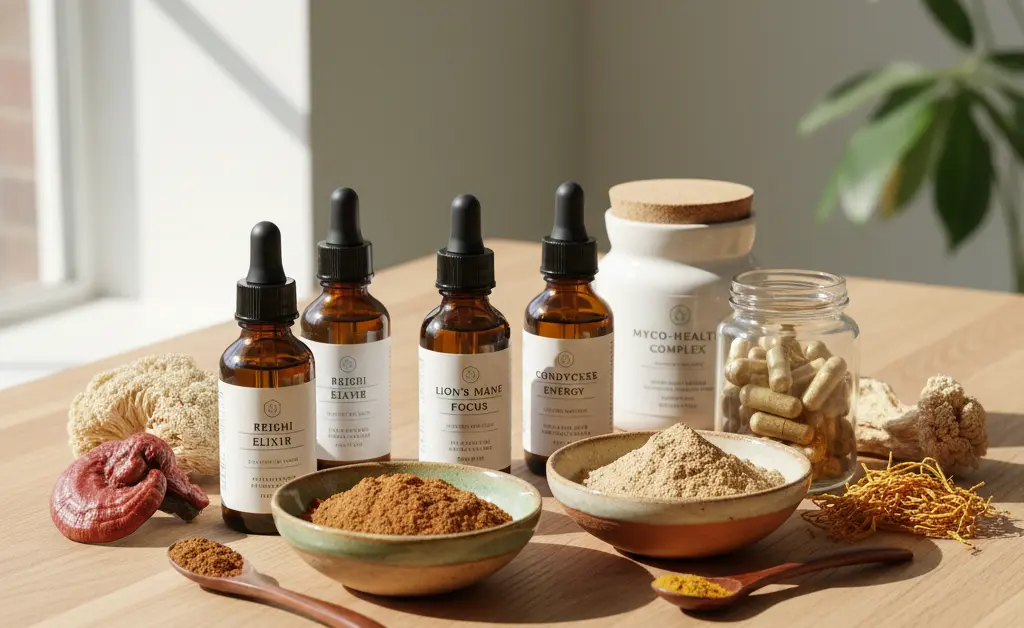
Mushrooms have long been recognized for their diverse culinary applications and their role in traditional health practices across various cultures worldwide. From forest floors to gourmet dishes, these fungi have captured human interest for millennia. Modern scientific understanding and extraction technologies now allow for the isolation and concentration of their beneficial compounds. This progression from whole fungi to specialized preparations raises a fundamental question for many consumers: what is mushroom extract, and how does it differ from simply eating mushrooms? This article aims to provide clarity on these concentrated forms, detailing their definition, the methods used to produce them, their different types, and the potential benefits they offer, guiding readers through their growing prominence in the wellness landscape.
What is Mushroom Extract?
Definition and Purpose
A mushroom extract is a concentrated preparation derived from various species of functional mushrooms. The core purpose of creating an extract is to isolate and concentrate the beneficial compounds found within the mushroom, making them more bioavailable and potent than consuming the whole mushroom itself. This process typically involves breaking down the mushroom’s tough cellular walls to release these compounds, which include polysaccharides, triterpenes, antioxidants, and other phytochemicals. Essentially, understanding what is mushroom extract involves recognizing it as a refined product designed to deliver the most active components of the fungus in a more accessible form.
Key Differences from Whole Mushrooms
While whole mushrooms offer nutritional value and certain health-supporting compounds, mushroom extracts differ significantly due to their concentrated nature. When you consume whole mushrooms, you also ingest fiber, water, and other components that may dilute the concentration of specific beneficial compounds. Extracts, on the other hand, remove much of this inert material, providing a higher potency of targeted components. This concentration can lead to more pronounced effects, as the body can more readily absorb and utilize the active ingredients. Furthermore, the extraction process itself can enhance the bioavailability of certain compounds that might be difficult for the human digestive system to access from raw or simply cooked mushrooms.
Nutritional Profile of Extracts
The nutritional profile of mushroom extracts is distinct from that of whole mushrooms, primarily because the extraction process focuses on specific active constituents. While whole mushrooms contain a range of vitamins, minerals, and dietary fiber, extracts are typically valued for their high concentration of compounds like beta-glucans, triterpenes, and other polysaccharides. These are the molecules often associated with the mushrooms’ potential health benefits, such as Immune Support and general wellness. The exact profile will depend on the mushroom species and the extraction method used, as different methods are optimized to pull out different types of compounds.
Understanding Mushroom Extraction Processes

Extraction Methods (e.g., hot water, alcohol)
The efficacy of a mushroom extract largely depends on the extraction method employed, as different techniques are optimized to isolate specific compounds. Hot water extraction is a common method, particularly effective for drawing out water-soluble polysaccharides, such as beta-glucans, which are often associated with Immune Support. This process typically involves simmering dried mushrooms in hot water for extended periods. Alcohol extraction, or ethanol extraction, is another vital method, especially useful for compounds that are not water-soluble, such as triterpenes, sterols, and other antioxidants. Some compounds require a “dual extraction” method, combining both hot water and alcohol extraction, to capture the full spectrum of beneficial compounds from the mushroom.
Comparison of Extraction Techniques
Each extraction technique has its advantages and limitations. Hot water extraction is excellent for polysaccharides, which are critical for many of the traditionally recognized benefits of functional mushrooms. However, it may not effectively extract non-water-soluble compounds. Conversely, alcohol extraction excels at drawing out these fat-soluble compounds, but may leave behind certain water-soluble elements. Therefore, a dual extraction is often considered comprehensive, aiming to harness the complete range of active constituents from the mushroom. The choice of technique also impacts the final product’s concentration and the specific health benefits it may offer, making it a crucial factor in understanding the quality of a mushroom extract.
Types of Mushroom Extracts
Common Functional Mushrooms (e.g., Lion’s Mane, Reishi, Cordyceps, Turkey Tail)
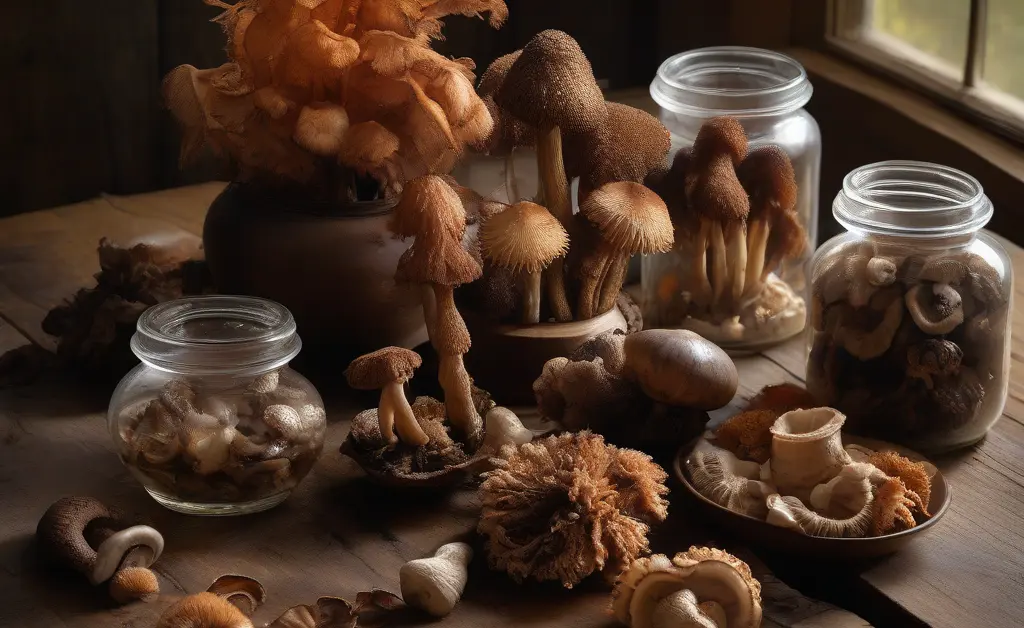
Various functional mushrooms are prized for their unique properties, and their extracts are widely available. Lion’s Mane is often studied for its potential to support Cognitive Function and nerve health. Reishi, sometimes called the “Mushroom of Immortality,” is traditionally associated with Immune Support and Stress Management. Cordyceps is recognized for its potential to support Energy and Stamina, while Turkey Tail is extensively researched for its significant Immune Support properties. Among these, Chaga mushroom is also highly regarded for its potential health benefits. These are just a few examples, each offering a distinct profile of beneficial compounds that become concentrated in their respective extracts.
The Tremella mushroom is another notable functional fungus with specific benefits.
Certain culinary varieties, like the Chanterelle mushroom, are also valued for their unique attributes beyond typical functional uses.
Specific Compounds (e.g., Beta-glucans, Triterpenes)
The primary active compounds found in mushroom extracts include beta-glucans and triterpenes. Beta-glucans are complex carbohydrates, specifically polysaccharides, that are widely studied for their potential to modulate the immune system. Triterpenes are a diverse group of organic compounds often responsible for the bitter taste in some mushrooms like Reishi, and they are researched for their potential adaptogenic and antioxidant properties. Other compounds like ergosterols (a precursor to vitamin D) and various antioxidants also contribute to the overall profile of what is mushroom extract and its potential wellness benefits.
Forms of Mushroom Extracts
Mushroom extracts are available in several convenient forms to suit various preferences and applications. The most common forms include powders, capsules, and liquid tinctures. Powders offer versatility, allowing users to mix them into beverages, smoothies, or food. Capsules provide a pre-measured dose for ease of consumption. Liquid tinctures can offer rapid absorption and are often made with alcohol as the extracting solvent, ensuring the capture of both water-soluble and alcohol-soluble compounds. The chosen form can influence how the extract is incorporated into a daily routine.
Consumers looking for mushroom extracts UK can find a wide range of options readily available.
Many discussions also delve into mushroom extracts vs powder, focusing on concentration and absorption.
Formulation
Mushroom extract formulations can vary significantly. Some products feature a single mushroom species extract, focusing on the specific benefits associated with that particular fungus. Others are blends, combining extracts from several different functional mushrooms to offer a broader spectrum of potential benefits, aiming for a synergistic effect. These blends are often formulated to provide comprehensive support for areas like Immune Support, Cognitive Function, or Stress Management. When considering what is mushroom extract that best suits individual needs, examining the formulation—whether single-species or a blend—is an important step.
Benefits of Mushroom Extracts
Mushroom extracts are widely sought after for their potential to support various aspects of health and wellness. Many of these benefits are attributed to the concentrated bioactive compounds, such as beta-glucans and triterpenes, which are significantly more potent in extracts than in whole mushrooms. These compounds are often sought after in natural supplements. For instance, many extracts are valued for their potential to provide Immune Support, helping the body’s natural defenses. Other extracts are traditionally used and studied for their potential role in enhancing Cognitive Function, promoting mental clarity and focus. Certain functional mushroom extracts may also be associated with helping the body adapt to stressors, thereby aiding in Stress Management, or supporting natural Energy and Stamina levels. The specific benefits often depend on the particular mushroom species from which the extract is derived, reflecting the unique properties of each functional fungus.
General Usage Guidelines
While mushroom extracts offer various potential benefits, it is generally recommended to use them consistently over time to experience their full effects. They are commonly incorporated into daily routines, often taken with meals or as part of a beverage. The optimal approach can vary based on the specific extract and individual wellness goals. Always refer to product-specific instructions for guidance. Many people integrate mushroom extracts into their lifestyle as part of a holistic approach to wellness.
How to Choose a Mushroom Extract Supplement
Standardization and Potency
When selecting a mushroom extract supplement, understanding standardization and potency is crucial. Standardization refers to the process where an extract is guaranteed to contain a specific, measurable amount of key active compounds, such as beta-glucans or triterpenes. This ensures consistency between batches and helps consumers know exactly what they are getting. Potency relates to the concentration of these beneficial compounds. A high-quality extract will often specify its extract ratio (e.g., 10:1, meaning 10 parts raw mushroom for 1 part extract) or, even better, the percentage of active compounds. Knowing what is mushroom extract with defined standardization and potency is key to selecting an effective product.
Quality Control and Purity
Quality control and purity are paramount for any supplement, especially when considering what is mushroom extract. Reputable manufacturers will adhere to strict quality control measures throughout the production process, from sourcing raw materials to final packaging. This includes testing for contaminants like heavy metals, pesticides, and microbial impurities. Third-Party Testing is an indicator of a product’s commitment to purity and transparency, as it involves an independent laboratory verifying the product’s contents and absence of harmful substances. For general health guidance, resources from the CDC can provide valuable information. Always look for brands that provide clear evidence of their quality control practices and purity testing to ensure safety and efficacy.
Potential Side Effects and Precautions
While mushroom extracts are generally considered well-tolerated, some individuals may experience mild side effects, such as digestive upset or allergic reactions. It is always advisable to begin with a smaller serving to assess individual tolerance. Certain mushroom extracts may also interact with medications, particularly those affecting blood clotting or blood sugar levels. Individuals who are pregnant, nursing, or have existing health conditions should exercise caution and consult with a healthcare professional before incorporating mushroom extracts into their regimen. It is especially important to consider dosage and appropriateness for mushroom extracts for kids, always consulting with a pediatrician. Discontinuing use if adverse reactions occur is recommended.
Mushroom extracts represent a compelling area within the wellness landscape, offering concentrated forms of the beneficial compounds found in functional mushrooms. From understanding what is mushroom extract in its basic definition to exploring the nuances of extraction methods, diverse types, and potential benefits, it becomes clear that these products are far removed from simply consuming whole mushrooms. The emphasis on standardization, potency, and rigorous quality control is vital for consumers seeking to integrate these powerful natural compounds into their health routines. As research continues to unfold, the role of mushroom extracts in supporting various aspects of well-being, from immune system modulation to cognitive enhancement, is increasingly recognized, cementing their place as significant contributors to holistic health practices.
The purpose of this content is to educate, not to diagnose or treat. This information is provided for general knowledge and understanding only, and does not constitute medical advice. Always consult with a qualified healthcare professional before making any decisions about your health or starting any new wellness regimen, especially if you have existing health conditions or are taking medications. Individual responses to supplements may vary.
FAQ
What is mushroom extract powder?
Mushroom extract powder is a concentrated form of beneficial compounds derived from mushrooms. These compounds are typically extracted using hot water or alcohol to isolate specific compounds like polysaccharides and triterpenes. The resulting liquid is then dried and ground into a fine powder for easy use.
What is the difference between mushroom extract and mushroom powder?
Mushroom extract refers to the process of isolating specific beneficial compounds from mushrooms, often using solvents like hot water or alcohol. Mushroom powder, on the other hand, is typically made by simply drying and grinding the entire mushroom. Extracts are generally more concentrated in certain compounds than whole mushroom powders.
What is mushroom extract in food?
Mushroom extract can be incorporated into foods to enhance their nutritional profile and flavor. It is often used as a dietary supplement in powders or capsules that can be added to beverages or meals. This method allows for convenient consumption of the concentrated mushroom compounds.
What are the benefits of mushroom extract?
Mushroom extracts have been studied for their potential to support various aspects of well-being. Certain compounds found in these extracts are known for their role in immune system modulation and antioxidant activity. They are also relevant to cognitive function and energy levels.
What is the best mushroom extract for brain health?
Lion’s Mane mushroom extract is frequently highlighted for its potential cognitive benefits. This extract is linked to supporting nerve growth factor synthesis, which is important for brain cell health and function. It is considered a popular choice for individuals seeking to support mental clarity and focus.
How is Mushroom Extract Made?
Mushroom extract is typically made by soaking dried or fresh mushrooms in a solvent, such as hot water or ethanol, to draw out specific compounds. After the extraction period, the liquid is strained to remove the mushroom solids, and then it is concentrated and dried. This process yields a potent form of the mushroom’s beneficial constituents.
What are Mushroom Extract Supplements?
Mushroom extract supplements are products designed to deliver the concentrated compounds found in mushrooms in a convenient form. These supplements are often available as powders, capsules, or tinctures. They provide a way to easily incorporate the unique beneficial properties of various mushrooms into one’s daily routine.