
Mushroom Extract vs. Powder: Understanding the Difference
Mushrooms are increasingly recognized for their diverse health benefits, making them popular additions to diets and supplement routines. When exploring these fungi for wellness, consumers often encounter them in two primary forms: powders and extracts. Understanding the fundamental distinctions between these preparations is crucial for making informed choices tailored to individual needs and desired outcomes. This article will clarify the key differences, focusing on how each form is produced and what that means for their potential efficacy. We will delve into the nuances of mushroom extracts vs powder, examining factors like concentration, bioavailability, and application, to help you navigate the growing market of mushroom-based products.
Mushroom Extracts vs. Mushroom Powders
When considering mushroom-based supplements, one of the most common points of confusion revolves around the fundamental differences between mushroom extracts vs powder. While both originate from the same fungal source, their preparation methods result in distinct compositions, potencies, and intended uses. Understanding these core disparities is essential for selecting the product best suited for individual wellness goals.
Bioavailability
Bioavailability refers to the proportion of an active compound that enters the circulation when introduced into the body and is able to produce an active effect. In the context of mushroom products, this can vary significantly between powders and extracts. Extracts are typically processed to break down chitin, the tough cell walls of mushrooms, and to concentrate beneficial compounds. This processing can make these compounds more readily available for absorption by the body compared to raw mushroom powder, where many of these compounds might remain bound within the indigestible chitin structure.
Concentration of Active Compounds
One of the most significant distinctions lies in the concentration of active compounds. Mushroom powders are essentially dried and ground whole mushrooms, meaning they contain all the components of the raw fungus, including fiber, proteins, and a lower, naturally occurring concentration of beneficial compounds. In contrast, mushroom extracts undergo a specific process designed to isolate and concentrate particular bioactive molecules, such as beta-glucans, triterpenes, or other polysaccharides. This means that, gram for gram, an extract typically delivers a much higher potency of these targeted compounds than a powder.
Solubility
The solubility of mushroom products can influence their ease of use and how they are incorporated into various foods and beverages. Mushroom powders, being finely ground whole mushrooms, often have a more fibrous texture and can be less soluble in liquids, sometimes settling at the bottom of a drink. Mushroom extracts, especially those produced through hot water extraction, are often more water-soluble. This characteristic makes them easier to dissolve in teas, coffees, smoothies, or other liquid formulations, providing a smoother consistency and potentially quicker absorption.
Processing and Potency
The processing methods directly dictate the final potency of the product. Mushroom powder involves minimal processing—drying and grinding. This preserves the whole food matrix but also means that some beneficial compounds may not be easily accessible or present in high concentrations. Extracts, however, involve more sophisticated techniques like hot water extraction, dual extraction (water and alcohol), or even enzymatic extraction. These methods are specifically designed to break down cell walls and release or concentrate bioactive components, thereby increasing the overall potency of key constituents. The method chosen depends on the specific compounds being targeted, as some are water-soluble while others require alcohol to be properly extracted.
Understanding Mushroom Powder
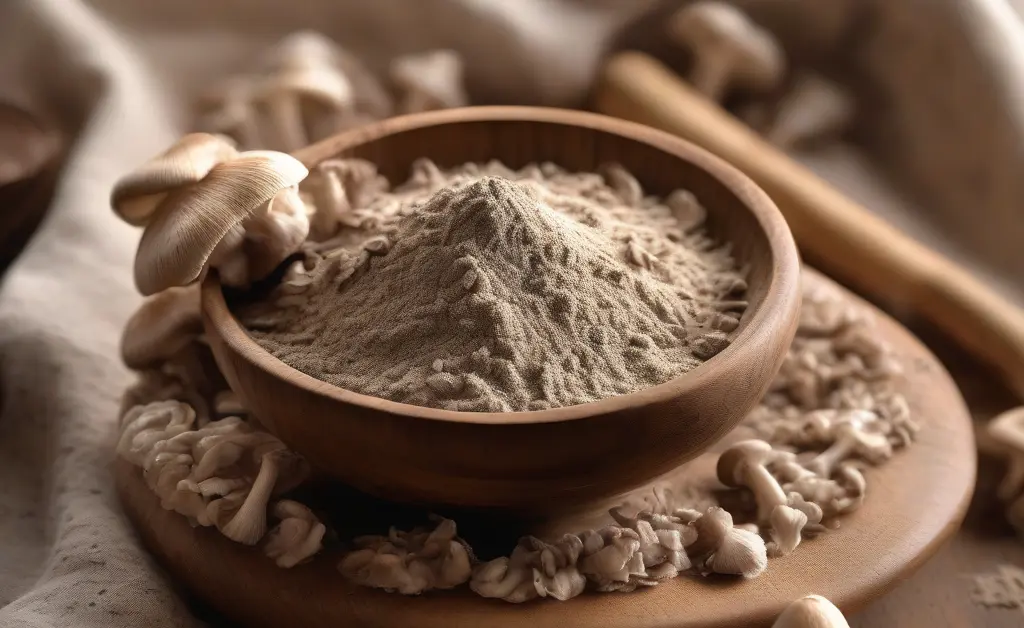
Mushroom powder is the simplest and often most direct form of consuming mushrooms beyond their whole food state. To create mushroom powder, fresh or dried mushrooms are typically cleaned, dehydrated, and then finely ground into a powder. This process aims to preserve the complete nutritional profile of the mushroom, making it a “whole food” product. It contains all the natural elements of the mushroom, including dietary fiber, proteins, vitamins, minerals, and a broad spectrum of naturally occurring bioactive compounds, albeit in their original, un-concentrated ratios. Many users appreciate mushroom powder for its culinary versatility, as it can easily be added to meals, soups, sauces, or smoothies to enhance flavor and contribute to overall nutrition. While generally less concentrated in specific active compounds compared to extracts, mushroom powder offers the holistic benefits of the entire mushroom organism. When comparing mushroom extracts vs powder, the powder represents the complete, unrefined essence of the fungus.
Understanding Mushroom Extracts
Mushroom extracts represent a more refined and concentrated form of mushroom supplementation. The primary goal of creating an extract is to isolate and concentrate the beneficial bioactive compounds found within the mushrooms, making them more potent and bioavailable. This process moves beyond simple grinding; it involves using solvents, typically water or alcohol, to draw out specific compounds from the mushroom material. The result is a product that delivers a higher concentration of key constituents, such as polysaccharides (like beta-glucans) and triterpenes, which are often credited with many of the mushrooms’ studied health-supporting properties. These extracts are often preferred for targeted wellness applications due to their enhanced potency and purity, offering a more direct delivery of specific compounds. When evaluating mushroom extracts vs powder, the extract is designed for maximal concentration of these valuable compounds. Further scientific research on these properties can be found on PubMed.
Extraction Methods for Mushroom Extracts
The efficacy and compound profile of a mushroom extract largely depend on the extraction method employed. Different bioactive compounds have varying solubilities, meaning different solvents are needed to best isolate them. Hot water extraction is one of the most common methods, particularly effective for polysaccharides like beta-glucans, which are water-soluble. During this process, dried mushrooms are simmered in hot water for an extended period, allowing these compounds to dissolve into the liquid. The liquid is then separated, concentrated, and often spray-dried into a powder. Another significant method is dual extraction, which combines hot water extraction with alcohol extraction. Alcohol is highly effective at extracting compounds that are not water-soluble, such as triterpenes and some sterols. This two-step process ensures a broader spectrum of beneficial compounds is captured, making dual extracts comprehensive. The choice of extraction method is critical and should be transparently stated by manufacturers, as it directly impacts the final product’s chemical composition and potential benefits. This section further details what is mushroom extract in terms of its production.
Key Differences Between Mushroom Powder and Extract
The fundamental distinction between mushroom powder and extract lies in their composition, concentration, and how they are processed. Mushroom powder is essentially the entire mushroom, dried and ground. It offers the full spectrum of nutrients present in the raw fungus, including fiber, proteins, and a wide array of compounds in their natural ratios. It’s considered a whole-food supplement, providing a gentler approach to mushroom consumption. In contrast, mushroom extract undergoes a process designed to isolate and concentrate specific bioactive compounds. This means that, gram for gram, an extract will typically contain a significantly higher amount of active ingredients like beta-glucans or triterpenes, which are often responsible for the mushroom’s sought-after benefits. The bioavailability of these compounds can also be higher in extracts due to the breakdown of tough chitin walls during processing. Therefore, while both forms offer benefits, the choice between them depends on whether one seeks a holistic, whole-food approach or a more concentrated delivery of specific active compounds. The ongoing discussion of mushroom extracts vs powder often boils down to a preference for comprehensive nutrition versus targeted potency. It is also useful to consider the distinction between mushroom extract vs fruiting body for a complete understanding of mushroom products.
How to Choose Between Mushroom Powder and Extract
Deciding between mushroom powder and extract involves considering several factors related to your personal health goals, preferences, and how you plan to use the product. If your aim is to incorporate mushrooms as a whole food for general nutritional support, to benefit from their fiber content, and to enjoy their natural flavor in culinary applications, then mushroom powder might be the more suitable choice. It offers the full spectrum of the mushroom’s components in their natural balance. Conversely, if you are seeking a higher concentration of specific bioactive compounds, such as beta-glucans for targeted wellness support, and prefer a more potent product, then an extract would generally be more appropriate. Extracts are often favored for more specific health-related applications due to their concentrated nature. It is also important to consider third-party testing and ingredient transparency when making a selection. Reputable brands will often provide details on the concentration of active compounds, especially for extracts, and verify purity. Ultimately, defining your goals and considering your needs will guide you toward the form that best aligns with your wellness journey.
The choice between mushroom extracts vs powder ultimately depends on individual priorities. Mushroom powder offers a whole-food approach, preserving the entire nutritional matrix of the fungi, ideal for general wellness and culinary integration. Mushroom extracts, through targeted processing, deliver a more concentrated and bioavailable dose of specific active compounds, making them suitable for those seeking higher potency and targeted benefits. Understanding these distinctions empowers consumers to make informed decisions that best align with their personal health objectives and lifestyle preferences.
This material is shared for educational insight, not for clinical decision-making. Information presented here should not be interpreted as medical advice or a substitute for professional healthcare. Consult with a qualified healthcare provider before making any changes to your health regimen, especially if you have existing health conditions or are taking medications. Individual responses to dietary supplements can vary.
FAQ
What is the difference between mushroom powder and mushroom extract?
Mushroom powder is made by drying and grinding the whole mushroom, retaining its natural components. Mushroom extract, however, involves a process that isolates specific beneficial compounds, often using water or alcohol to break down the mushroom’s cell walls and release these active constituents. This distinction in processing leads to different concentrations and types of compounds available for the body to absorb.
Is mushroom extract more potent than powder?
Mushroom extracts are generally considered more potent because the extraction process concentrates specific beneficial compounds, making them more bioavailable. By breaking down the tough chitin in the mushroom cell walls, extracts allow for easier absorption of key nutrients and bioactive substances compared to the less processed powder form. This increased concentration and bioavailability are why many people turn to extracts for targeted benefits.
Which is better for health, mushroom powder or extract?
Both mushroom powder and extract offer nutritional benefits, but their suitability depends on individual goals and the desired outcome. Powder provides a broader spectrum of nutrients from the whole mushroom, while extracts offer a more concentrated dose of specific compounds. The choice between mushroom extracts vs powder often comes down to how one wishes to incorporate these beneficial fungi into their wellness routine.
How are mushroom extracts made compared to powders?
Making mushroom powder is a straightforward process of drying and grinding the entire mushroom, preserving its original composition. Mushroom extracts, conversely, undergo a more complex extraction process, typically involving hot water or alcohol to draw out and concentrate specific bioactive compounds like beta-glucans and triterpenes. This focused extraction yields a product with a higher concentration of these sought-after constituents.