
Fruiting Body vs. Extract: Decoding Your Mushroom Supplement
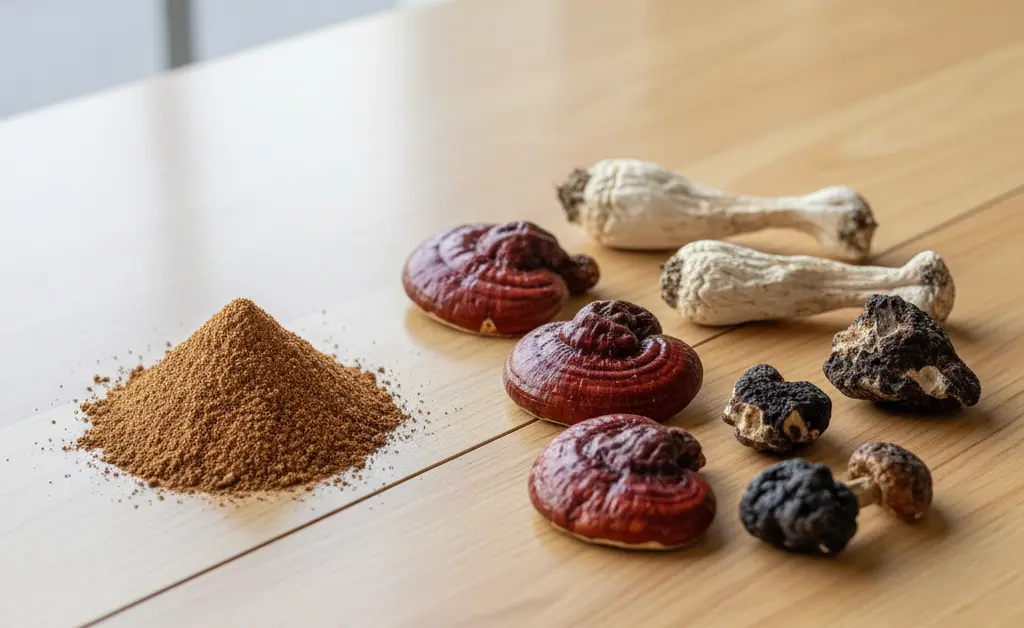
Mushrooms have garnered significant attention in the wellness sphere, celebrated for their diverse health benefits and unique biological properties. However, navigating the array of available supplements can be complex, often presenting terms like “mycelium” and “fruiting body.” As someone deeply immersed in understanding natural health solutions, I recognize the importance of distinguishing between different forms of mushroom products. When considering the optimal choice for health support, consumers often find themselves weighing the pros and cons of various preparations. This article aims to clarify the distinctions, providing a comprehensive guide to help discern the fundamental differences inherent in mushroom extract vs fruiting body products, ensuring you can make an informed decision aligned with your wellness goals. We will explore the unique characteristics of each, from their growth stages to their bioactive compounds, to offer clarity on what truly defines a quality mushroom supplement.
Mushroom Mycelium vs Fruiting Body: Understanding the Differences
To truly understand the landscape of mushroom supplements, it’s essential to first grasp the foundational biology of fungi, specifically the distinction between mycelium and the fruiting body. While both are integral parts of a mushroom’s life cycle, their roles, compositions, and potential applications in health products vary significantly. Discerning these fundamental forms is crucial for evaluating products, especially when considering the implications for a mushroom extract vs fruiting body supplement. This understanding extends to differentiating between various types of fungi, such as when comparing button mushroom vs cremini. The organism often referred to as a “mushroom” is actually just one phase of a much larger fungal network.
Growth Stage and Function
The mycelium represents the vegetative part of a fungus, a sprawling network of thread-like structures called hyphae. This network typically grows underground or within a substrate, such as wood, soil, or grains. Its primary function is to absorb nutrients from its environment, effectively acting as the mushroom’s digestive system. Mycelium can be extensive, sometimes covering vast areas, and is responsible for breaking down organic matter and facilitating nutrient cycling in ecosystems. Further exploration into specifics like enoki mushroom vs seafood mushroom can highlight the vast diversity within fungi.
In contrast, the fruiting body is what most people recognize as the “mushroom” – the visible, above-ground structure that emerges from the mycelial network. Its main purpose is reproduction, producing and dispersing spores to propagate the species. The fruiting body is essentially the reproductive organ of the fungus, analogous to a flower on a plant. It develops when environmental conditions are optimal and the mycelium has accumulated sufficient resources.
Composition and Structure
The structural and chemical compositions of mycelium and fruiting bodies also differ. Mycelium, being a filamentous network, has a relatively delicate structure, often interwoven with the substrate it grows on. Its cell walls are primarily composed of chitin, a complex carbohydrate. Depending on the growing conditions, mycelium can also contain various polysaccharides, enzymes, and secondary metabolites. When mycelium is cultivated for supplements, it is often grown on grains (like rice or oats), and the final product may include remnants of this grain substrate.
The fruiting body, on the other hand, possesses a more complex and organized structure, featuring distinct parts like the cap, gills, and stem. This structural complexity contributes to a different profile of bioactive compounds. Fruiting bodies generally have denser cell walls, also rich in chitin, but are often characterized by higher concentrations of specific beneficial compounds such as beta-glucans, triterpenes, and other unique metabolites that are more concentrated in the mature reproductive stage of the fungus. The differences in density and cellular organization between these two stages can influence their processing and the ultimate potency of any derived supplement.
Key Differences: Mycelium vs. Fruiting Body
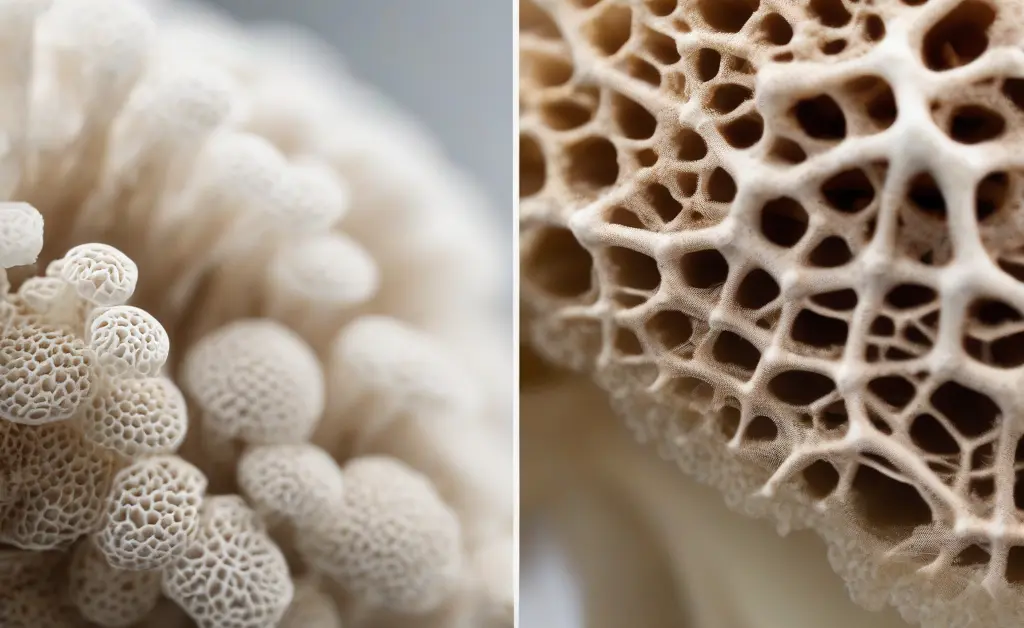
Understanding the fundamental biology of mycelium and the fruiting body lays the groundwork for appreciating why there are significant differences in their chemical profiles and, consequently, their potential health benefits when processed into supplements. These distinctions are critical for consumers trying to choose between a mushroom extract vs fruiting body product. The variations extend from their primary active compounds to the presence of other beneficial constituents.
Beta-Glucan Content
Beta-glucans are complex carbohydrates widely recognized for their potential immune-modulating properties. They are a significant component of fungal cell walls. Generally, the fruiting body of many medicinal mushrooms is considered to have a higher concentration and a broader spectrum of beneficial beta-glucans compared to mycelium. While mycelium does contain beta-glucans, their quantity and structural characteristics can vary, often being less concentrated than in the mature fruiting body. The specific structural arrangement of these beta-glucans, such as branching patterns, can also influence their biological activity. Such detailed comparisons, for instance, tremella mushroom vs snow fungus, are crucial for precise understanding of different fungal types.
Other Beneficial Compounds
Beyond beta-glucans, mushrooms are rich in a variety of other bioactive compounds. Fruiting bodies typically contain a wider array and higher concentrations of secondary metabolites unique to the species. These can include triterpenes (found in Reishi), hericenones and erinacines (found in Lion’s Mane), polysaccharides (other than beta-glucans), antioxidants, and various enzymes. Mycelium also produces some of these compounds, but often in different proportions or lesser quantities. The environment and substrate on which the mycelium is grown can also influence its chemical composition, potentially leading to variations in the presence and concentration of these compounds.
Extraction Methods and Their Impact
The way mushroom material is processed into a supplement, particularly through extraction, plays a crucial role in the final product’s efficacy. Extraction methods aim to break down the chitinous cell walls of fungi, making the beneficial compounds more bioavailable. Common methods include hot water extraction (effective for polysaccharides like beta-glucans) and dual extraction (combining hot water and alcohol extraction, often used for compounds like triterpenes). For fruiting bodies, these methods directly concentrate the compounds present in the mushroom. For mycelium, especially mycelium grown on grain, the extraction process must also account for the substrate. A high-quality extraction from fruiting body material typically yields a product richer in the desired bioactive compounds, often leading to a more potent supplement compared to unextracted or less thoroughly processed mycelial biomass that includes the grain substrate. This directly influences the choice between a dedicated mushroom extract vs fruiting body product.
Nutrient Profiles and Bioavailability
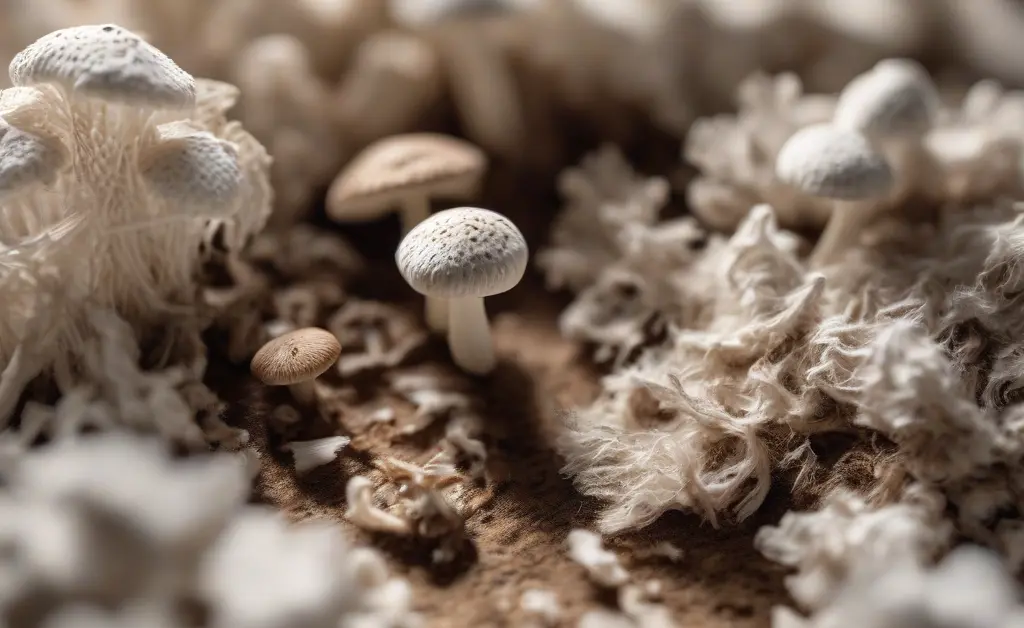
The nutritional value and how well the body can absorb the active compounds are critical considerations when evaluating mushroom supplements. The intrinsic nature of mycelium versus the fruiting body directly impacts these aspects, influencing the overall efficacy of the final product. Understanding the nutrient profiles and bioavailability is key to making an informed decision about a mushroom extract vs fruiting body.
Comparing Research Findings
Scientific inquiry into both mycelial and fruiting body extracts has revealed varying results depending on the mushroom species and the specific compounds being studied. Research on mycelium extracts often highlights its capacity to produce certain enzymes and metabolic compounds, which can be influenced by the growth substrate. Some studies suggest mycelial extracts may offer unique benefits, particularly if the mycelium is cultivated under specific conditions that encourage the production of certain secondary metabolites. However, one common point of discussion in scientific literature, as often detailed by institutions like the NIH, regarding mycelium grown on grain is the potential for the final product to contain a significant percentage of the grain substrate itself, which can dilute the concentration of fungal compounds. This often requires careful analysis of the product’s composition.
Conversely, studies on fruiting body extracts frequently emphasize their robust profiles of polysaccharides, particularly well-characterized beta-glucans, and other potent compounds like triterpenes. Many traditional uses and a growing body of modern research often point to the fruiting body as the primary source of the most sought-after bioactive compounds responsible for various purported health benefits, including immune support and cognitive function. The bioavailability of these compounds from fruiting body extracts is generally considered high, especially when appropriate extraction methods are employed to break down the chitin and release the beneficial molecules. As research continues to evolve, a clear picture emerges that highlights the importance of the source material and processing in determining the efficacy and nutrient profile of mushroom supplements.
Choosing the Right Mushroom Supplement
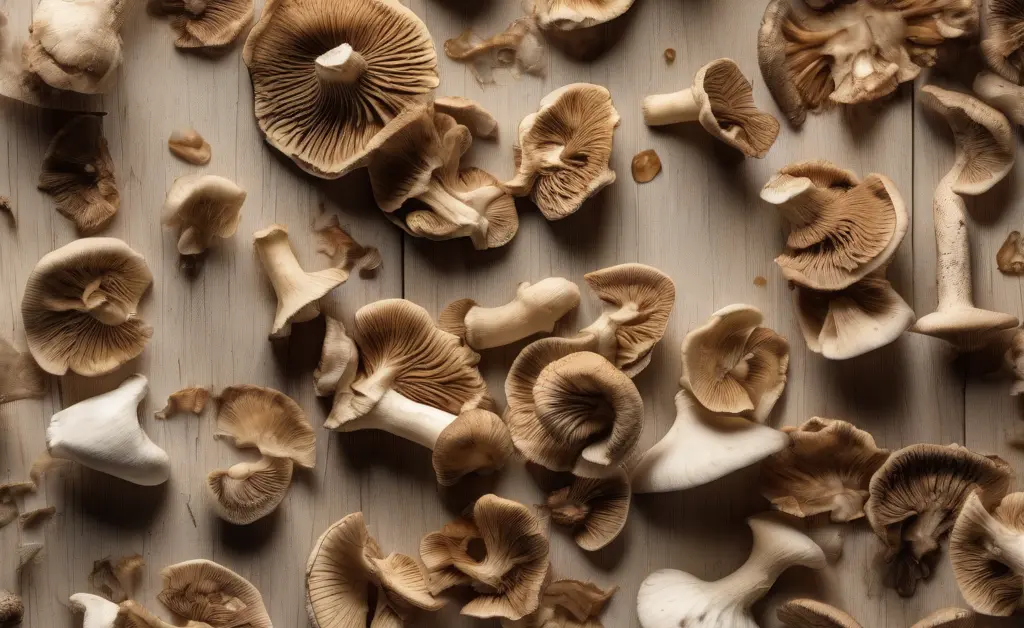
Navigating the diverse market of mushroom supplements requires careful consideration to ensure you select a product that aligns with your wellness goals and provides the intended benefits. The decision often boils down to understanding the nuances of a mushroom extract vs fruiting body and what each offers.
Factors to Consider
When selecting a mushroom supplement, several factors warrant attention. First, identify your specific health objectives; different mushroom species and their components may be studied for different areas like immune support, cognitive function, or general wellness. Second, investigate the product’s source material – is it derived from mycelium, fruiting body, or a blend? Third, consider the extraction method. A high-quality extract typically indicates that the beneficial compounds have been made bioavailable. Fourth, look for transparency from the manufacturer regarding the product’s composition, including specified levels of active compounds like beta-glucans, if available. The presence of third-party testing can also provide assurance regarding purity and potency. Further research into specific comparisons like tremella mushroom vs collagen can aid in targeted wellness decisions. Finally, be mindful of the inclusion of fillers or excipients, especially in mycelium-based products that might contain significant amounts of growth substrate.
When to Choose Mycelium-Based Products
Mycelium-based products may be considered in specific circumstances. Some proponents suggest that mycelium, particularly when grown using innovative fermentation techniques on liquid substrates rather than grain, can produce unique metabolites not always found in high concentrations in the fruiting body. These products might also be a more sustainable option in some cases, as mycelial growth can be faster and less resource-intensive. If a product clearly specifies that its mycelial biomass is grown without significant grain carrier, or if it highlights specific mycelial-derived compounds, it might be a suitable choice for those exploring the full spectrum of fungal bioactives. However, it’s crucial to seek out products that provide clear analytical data regarding the actual mushroom compounds, separate from the growth medium.
When to Choose Fruiting Body-Based Products
For many seeking the traditional benefits associated with medicinal mushrooms, fruiting body-based products are often the preferred choice. The mature fruiting body is typically richer in the well-researched and potent compounds like beta-glucans and triterpenes that have been historically used and studied for immune support, adaptogenic properties, and other specific health applications. If your primary goal is to obtain these concentrated bioactive compounds, especially those that require hot water or dual extraction for bioavailability, a supplement made from 100% mushroom fruiting bodies is generally recommended. Products labeled as “fruiting body extract” usually indicate a higher concentration of these key beneficial components and a lower likelihood of diluted product due to residual growth substrate, providing clarity in the mushroom extract vs fruiting body debate.
The journey into understanding mushroom supplements reveals a complex yet fascinating world where biological form dictates much of a product’s potential. Distinguishing between mycelium and the fruiting body is not merely a botanical exercise; it is fundamental to making informed choices about health and wellness. While both components play vital roles in the fungal life cycle and may offer unique benefits, the concentration and spectrum of desired bioactive compounds often differ significantly. By considering growth stages, compositional analyses, and extraction methodologies, consumers can better navigate the claims and offerings in the market. Ultimately, making a choice requires evaluating personal health goals against the scientific evidence and product transparency, ensuring that the chosen mushroom supplement effectively supports one’s path to holistic well-being.
This material is shared for educational insight, not for clinical decision-making. The information provided is for general knowledge and informational purposes only, and does not constitute medical advice. Always consult with a qualified healthcare professional before making any decisions about your health or treatment plan, especially concerning dietary supplements. Individual results from supplements may vary and are not guaranteed.
FAQ
What is the difference between mushroom mycelium and fruiting body?
The fruiting body is the visible, reproductive part of the mushroom, often what we recognize as a mushroom. Mycelium, on the other hand, is the root-like, vegetative structure of the fungus, growing underground or within its substrate. While the fruiting body is designed for spore dispersal, mycelium forms the main body of the organism and is responsible for nutrient absorption.
Does mushroom mycelium have the same benefits as the fruiting body?
While both mycelium and fruiting bodies contain beneficial compounds, their specific profiles can differ. Research suggests that certain beneficial compounds are more abundant in one part than the other, depending on the mushroom species. Therefore, their health contributions are not always identical.
Which part of the mushroom is best for health?
The optimal part for health benefits often depends on the specific mushroom species and the desired compounds. Both the fruiting body and the mycelium have been studied for their unique nutritional and bioactive constituents. Understanding the target compounds is key to determining which part, or combination, might be most relevant.
Is mushroom mycelium potent?
Mushroom mycelium is potent and contains many of the same beneficial compounds found in the fruiting body, alongside unique ones. It plays a vital role in the mushroom’s life cycle and nutrient acquisition. Both parts are valuable sources of beneficial compounds, and the **mushroom extract vs fruiting body** discussion often centers on the concentration and specific types of these compounds.