
Lion’s Mane and Psychedelics: Separating Fact from Fiction
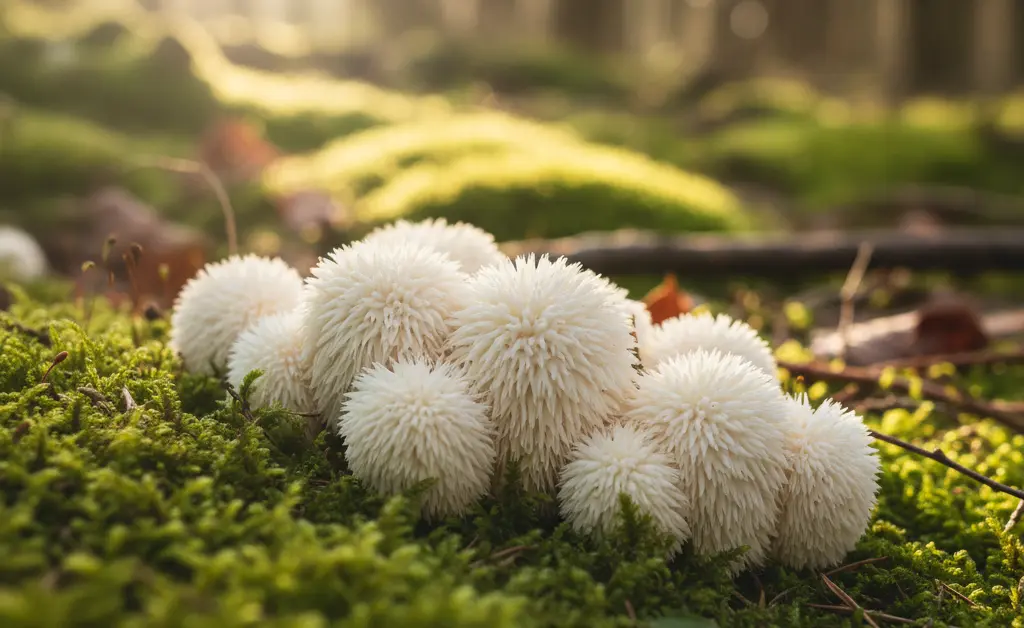
Lion’s Mane mushroom, scientifically known as Hericium erinaceus, is a culinary and medicinal fungi celebrated for its unique appearance and potential cognitive benefits. Often incorporated into health supplements and foods, it has gained popularity in wellness circles for its reputation in supporting brain health. However, as interest grows, so does curiosity about its effects, leading some to question its psychoactive properties. This article directly addresses whether is lion’s mane mushroom extract a psychedelic, clarifying its true nature and distinguishing it from substances known for altering perception. We will explore its chemical composition to provide a clear understanding of what consumers can expect from this beneficial mushroom.
Is Lion’s Mane Mushroom Psychedelic?
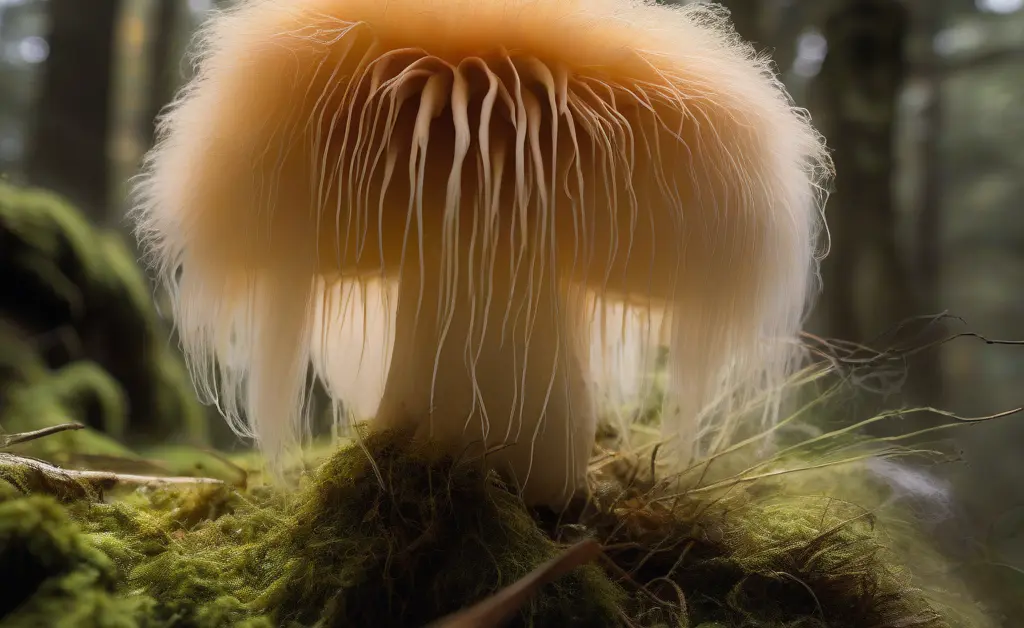
The question of whether Lion’s Mane mushroom possesses psychedelic properties is a common one, especially given the growing interest in various fungi for their potential health benefits. It’s crucial to understand the fundamental distinctions between Lion’s Mane and substances classified as psychedelics.
Understanding Psychedelic Compounds
Psychedelic compounds are a class of psychoactive substances known for inducing temporary alterations in perception, mood, and thought processes. These effects are primarily mediated by their interaction with serotonin receptors in the brain. Well-known examples include psilocybin and psilocin, found in certain “magic mushrooms,” as well as other compounds like lysergic acid diethylamide (LSD) and dimethyltryptamine (DMT). Some substances are processed into psychedelic mushroom extracts for various applications. The defining characteristic of these substances is their ability to cause hallucinations, profound shifts in consciousness, and altered sensory experiences.
Key Chemical Differences
Lion’s Mane mushroom, or Hericium erinaceus, has a distinct chemical profile that sets it apart from psychedelic fungi. Its primary active compounds are identified as hericenones and erinacines. These unique diterpenoids are studied for their potential to support nerve growth factor (NGF) synthesis, a protein vital for the growth, maintenance, and survival of neurons. In the broader market, specific brands like desert stardust mushroom gummies cater to different consumer interests. Unlike psychedelic compounds, hericenones and erinacines do not interact with serotonin receptors in a way that would induce hallucinations or altered states of consciousness. This fundamental difference in biochemical composition is key to understanding why Lion’s Mane does not produce psychedelic effects.
Why Lion’s Mane is Not Psychedelic
Lion’s Mane mushroom is not psychedelic because it entirely lacks the psychoactive compounds responsible for such effects. Its biological mechanisms are focused on supporting neurological health and cognitive function, rather than altering perception. Research indicates that the benefits associated with Lion’s Mane, such as potential improvements in memory, focus, and mood regulation, stem from its capacity to encourage nerve health and potentially reduce inflammation, particularly in the brain. These are entirely distinct from the experiences caused by psychedelic substances. Therefore, the assertion that is lion’s mane mushroom extract a psychedelic is incorrect; its chemical makeup and known effects firmly place it outside the category of hallucinogenic compounds.
Is Lion’s Mane Mushroom Extract a Psychedelic?

Regulatory bodies like the FDA provide guidance on the classification and safety of various supplements. To directly address the query, is lion’s mane mushroom extract a psychedelic, the scientific consensus is clear: no. The compounds found in Lion’s Mane operate on different biological pathways compared to psychedelic substances, leading to vastly different outcomes.
Does Lion’s Mane Make You High? No, Here’s Why
Consuming Lion’s Mane mushroom does not result in a “high” or any intoxicating effects typically associated with psychoactive drugs. The term “high” implies an altered state of consciousness, euphoria, or perceptual distortions, none of which are produced by Lion’s Mane. This is a key distinction from products like zour dream mushroom gummies, which are designed to produce psychoactive experiences. Instead, the effects reported by individuals who use Lion’s Mane commonly relate to cognitive enhancement, improved focus, and a sense of calm. These benefits are attributed to its neurotrophic properties and potential to support overall brain health, rather than any direct impact on neurotransmitter systems that induce altered states. The mushroom’s interaction with the body is considered adaptogenic, helping the body adapt to various stresses and supporting general wellness, without leading to a psychoactive experience.
Do lion’s mane make you trip?
Lion’s Mane mushroom does not cause individuals to “trip.” A “trip” is a term used to describe the profound hallucinatory and altered perception experiences induced by psychedelic substances. Lion’s Mane contains no psilocybin, psilocin, or any other known compound that can induce visual or auditory hallucinations, ego dissolution, or significant distortions of reality. There are also discussions around finding the best mushroom gummies for tripping, which underscores the market for psychoactive fungi products. Its mechanism of action is related to supporting cellular health and nerve regeneration, not to triggering a psychedelic journey. The mushroom is categorized as a functional food or medicinal mushroom, valued for its potential health-promoting properties, not for mind-altering effects. Its impact is subtle and cumulative, supporting long-term brain and nerve health, which is far removed from the immediate and intense experiences of a psychedelic compound.
Does Lion mane give you a buzz?
Taking Lion’s Mane is not associated with feeling a “buzz” in the sense of a stimulant effect or a mild intoxication. While some users report a feeling of enhanced clarity or mental energy, this is distinct from the type of “buzz” that might come from caffeine or alcohol, and certainly not from a psychoactive substance. Any perceived subtle shifts in mood or cognitive function are generally attributed to the mushroom’s supportive role in overall neurological health and potentially its anti-inflammatory properties, rather than a direct psychoactive stimulation. It is important to distinguish between a feeling of improved well-being or mental sharpness and the intoxicating effects implied by the term “buzz.” The experience of Lion’s Mane is typically described as grounded and clear, supporting the body’s natural functions without inducing an artificial state.
In conclusion, Lion’s Mane mushroom stands as a remarkable fungus with a rich history in both culinary and traditional medicinal practices. Its unique compounds, hericenones and erinacines, are extensively studied for their potential to support nerve growth and cognitive function, contributing to its reputation as a beneficial supplement for brain health. Unlike psychedelic substances that fundamentally alter perception and consciousness through interactions with serotonin receptors, Lion’s Mane operates through entirely different biochemical pathways, focusing on neuroprotection and neurogenesis. Therefore, whether in its whole form or as an extract, Lion’s Mane is not a psychedelic. Consumers can approach this mushroom with the understanding that its effects are centered on enhancing well-being and supporting cognitive vitality, without any risk of psychoactive experiences or hallucinogenic outcomes.
Readers should understand that this article does not offer medical diagnosis or treatment. The information provided is intended for general informational purposes only and should not be considered a substitute for professional medical advice. Always consult with a qualified healthcare provider before making any decisions related to your health or starting any new supplement regimen.
FAQ
Does Lion’s Mane mushroom cause hallucinations?
Lion’s Mane mushroom does not cause hallucinations. Its effects are related to supporting cognitive function and neurological health, not altering perception.