
An Introduction to Psychedelic Mushroom Extracts
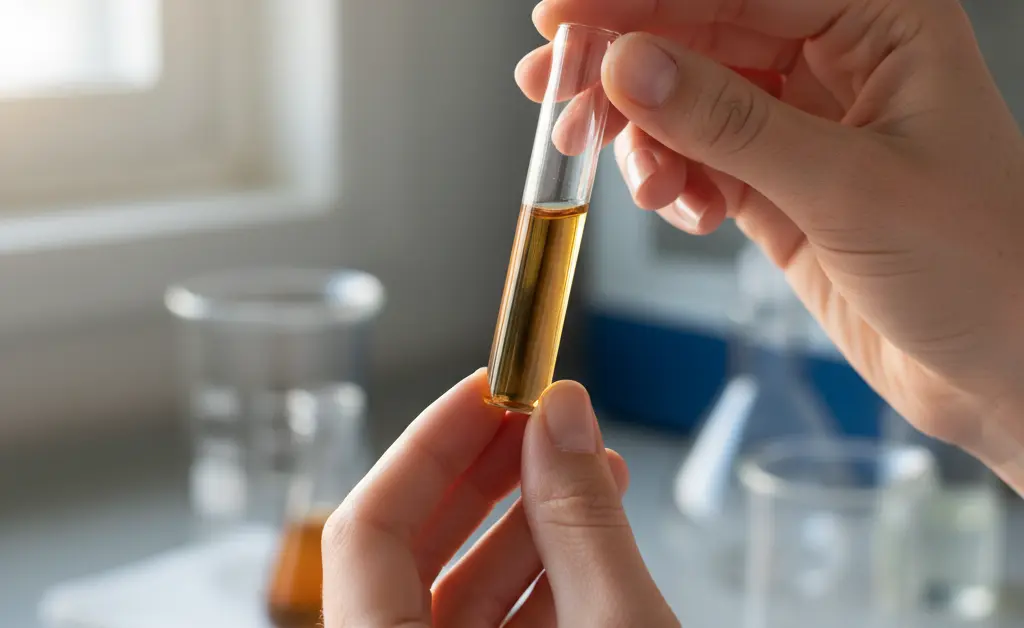
As scientific and public interest in the therapeutic potential of natural psychoactive compounds continues to grow, many questions arise regarding their optimal preparation and application. How do concentrated forms of these fungi, specifically, differ from raw materials, and what distinct benefits might they offer in controlled settings or research? This article aims to demystify the complex subject of psychedelic mushroom extracts, providing a comprehensive overview for those seeking clarity. We will explore the various methods used to create these extracts, differentiate between psilocybin concentrates and full-spectrum options, and discuss their diverse types. Furthermore, we will touch upon their potential uses, effects, and the critical safety and legal considerations that surround their application, ensuring a thorough understanding of this evolving field.
What are Psychedelic Mushroom Extracts?
Psychedelic mushroom extracts represent a refined form derived from fungi known for their psychoactive properties. Unlike consuming whole mushrooms, these extracts involve processing the fungal material to concentrate specific active compounds, primarily psilocybin and psilocin. The goal is often to achieve a more consistent and potent product, allowing for potentially more precise applications in research and controlled environments. The composition of these extracts can vary significantly depending on the extraction method and the specific mushroom species used, influencing their characteristics and potential effects. Understanding these foundational aspects is crucial for anyone exploring the realm of psychedelic mushroom extracts.
Extraction Methods
The process of creating mushroom extracts involves various techniques designed to isolate and concentrate the desired active compounds. Common methods often utilize solvents such as alcohol or water to separate psilocybin, psilocin, and other alkaloids from the mushroom’s fibrous material. This can involve steps like grinding, soaking, filtering, and evaporation to yield a more concentrated product. The choice of method impacts not only the potency but also the profile of compounds present in the final extract, leading to different forms such as resins, oils, or crystalline powders. These methods aim to refine the raw material into a more manageable and often more potent form for further application or study.
Psilocybin and Psilocin Concentrates
Psilocybin and psilocin are the primary psychedelic compounds found in many mushroom species. Concentrates of these specific compounds are produced through advanced extraction and purification techniques designed to isolate them as much as possible. The objective is to achieve a product that is predominantly psilocybin or psilocin, with minimal presence of other fungal components. This targeted approach allows researchers to study the effects of these specific molecules in isolation, providing insights into their unique pharmacological actions. Such concentrates offer a high degree of purity and can be formulated for precise dosing in controlled experimental settings.
Full Spectrum Extracts
In contrast to isolated concentrates, full spectrum extracts are designed to retain a broader range of compounds naturally present in the psychedelic mushrooms. Beyond psilocybin and psilocin, these extracts may include other alkaloids, terpenes, and beneficial compounds found in the fungi. The rationale behind full spectrum extraction is the hypothesis that these additional compounds might work synergistically with psilocybin and psilocin, potentially influencing the overall experience and therapeutic outcomes. This concept, sometimes referred to as an “entourage effect,” suggests that the natural complexity of the mushroom’s chemical profile could contribute to a more nuanced or holistic effect compared to isolated compounds.
Types of Psychedelic Mushroom Extracts
The variety of psychedelic mushroom extracts extends beyond their chemical composition, encompassing diverse forms and preparations tailored for different uses. These can range from highly refined crystalline powders of isolated compounds to viscous resins that maintain a broader spectrum of the mushroom’s natural constituents. Some extracts are processed into liquid tinctures, allowing for ease of sublingual administration, while others are incorporated into edible forms or encapsulated for oral consumption. It’s important to distinguish these from non-psychedelic varieties like lion’s mane mushroom extract, which offers different benefits. The ultimate form of the extract depends heavily on the initial extraction process and the desired application, offering flexibility in how these concentrated materials can be utilized. Exploring these different types is key to understanding the versatility of psychedelic mushroom extracts.
Specific Mushroom Species Extracts (e.g., Psilocybe cubensis)
Extracts can also be differentiated by the specific mushroom species from which they are derived. For example, extracts from Psilocybe cubensis, one of the most well-known psychedelic mushroom species, would contain the particular profile of compounds characteristic of that species. Different species of psychedelic mushrooms naturally produce varying ratios of psilocybin, psilocin, and other tryptamines. Therefore, an extract from one species might offer a subtly different experience or effect profile compared to an extract from another. This highlights the importance of understanding the source material, as the inherent chemistry of the original mushroom significantly influences the properties of the resulting extract.
How to Use Psychedelic Mushroom Extracts
The methods for using psychedelic mushroom extracts vary depending on their form and the intended outcome, though precision and caution are paramount. Extracts are commonly encountered as oils, tinctures, powders, or incorporated into various edibles. Liquid forms, such as tinctures, might be administered sublingually, allowing for absorption through the mucous membranes. Powdered extracts can be encapsulated for oral ingestion or dissolved in beverages. While some extracts are consumed orally, other forms like mushroom extract vape products are emerging, though their use is subject to specific considerations. The concentrated nature of these materials means that much smaller quantities are typically used compared to whole dried mushrooms. Given their potency, individuals exploring psychedelic mushroom extracts often seek guidance on preparation and safe administration practices.
Potential Benefits and Effects of Psychedelic Mushroom Extracts
Research and traditional accounts suggest that psychedelic mushroom extracts, particularly those containing psilocybin, may offer a range of potential benefits and effects. Studies are exploring their application in mental health, with growing interest in their potential to support individuals experiencing challenges such as depression and anxiety. Beyond clinical applications, some individuals report enhancements in creativity and cognitive flexibility, alongside experiences of profound spiritual and personal growth. The effects can vary widely, influenced by factors such as the specific extract used, individual physiology, and the setting in which they are consumed. While the full scope of their potential is still under investigation, these compounds are increasingly recognized for their diverse impacts on perception and well-being.
Safety and Legal Considerations for Psychedelic Mushroom Extracts
Navigating the landscape of psychedelic mushroom extracts requires a thorough understanding of both safety protocols and legal frameworks. The legal status of psilocybin-containing mushrooms and their extracts varies significantly by jurisdiction, ranging from complete prohibition to decriminalization or regulated medical use. It is crucial to be aware of local laws before considering any engagement with these substances. From a safety perspective, while research points to a relatively low physiological toxicity, the psychological effects can be profound. Harm reduction practices are essential, including careful sourcing, understanding the potency of the specific extract, and being in a safe and supportive environment. Due to the complex nature of these substances and their legal standing, consulting with professionals familiar with the current scientific understanding and legal context is strongly advised before exploring psychedelic mushroom extracts. For general health advice, resources like the NHS can be consulted.
The exploration of psychedelic mushroom extracts represents a dynamic and evolving field, driven by advancements in scientific understanding and a renewed interest in their potential applications. From the intricate processes of extraction that yield psilocybin concentrates and full-spectrum options to the diverse forms they take, these compounds offer a spectrum of possibilities. While potential benefits in areas like mental health and personal growth are being investigated, it is critical to approach these substances with an informed perspective, prioritizing safety and adhering strictly to legal guidelines. As research continues to unfold, a deeper and more nuanced understanding of these powerful natural compounds will undoubtedly emerge, further shaping their role in science and society.
This material is shared for educational insight, not for clinical decision-making. Information concerning psychedelic mushroom extracts is provided for general knowledge and should not be interpreted as medical advice or a recommendation for use. The effects and legality of these substances vary significantly, and individual responses can differ. Always consult with qualified legal and health professionals to understand local regulations and potential health implications before considering any related actions.
FAQ
What are the active compounds in psychedelic mushroom extracts?
The primary psychoactive compounds in psychedelic mushroom extracts are psilocybin and psilocin. These naturally occurring compounds interact with serotonin receptors in the brain, influencing mood, perception, and cognition. Their presence is what contributes to the characteristic effects associated with these fungi.
How are psychedelic mushroom extracts made?
Psychedelic mushroom extracts are typically made by using solvents to draw out the desired compounds from the mushroom material. This process isolates and concentrates compounds like psilocybin, making them more potent than the raw mushroom. The specific solvents and methods can vary, influencing the final composition of the extract.
What is the difference between mushroom extracts and whole mushrooms?
Mushroom extracts are concentrated forms of the active compounds found in mushrooms, while whole mushrooms contain these compounds along with other organic materials. Extraction removes non-active constituents, resulting in a more potent product with a potentially faster onset of effects. This concentration is the key distinction between the two.
What are the potential effects of taking mushroom extracts?
Taking mushroom extracts can lead to altered perceptions, shifts in mood, and changes in thought patterns. These effects are a result of the interaction between the extracted compounds and the body’s neurochemistry. The intensity and nature of these effects can vary based on the specific mushroom species and the extraction process used.