
A Beginner’s Guide to Growing Mushrooms at Home
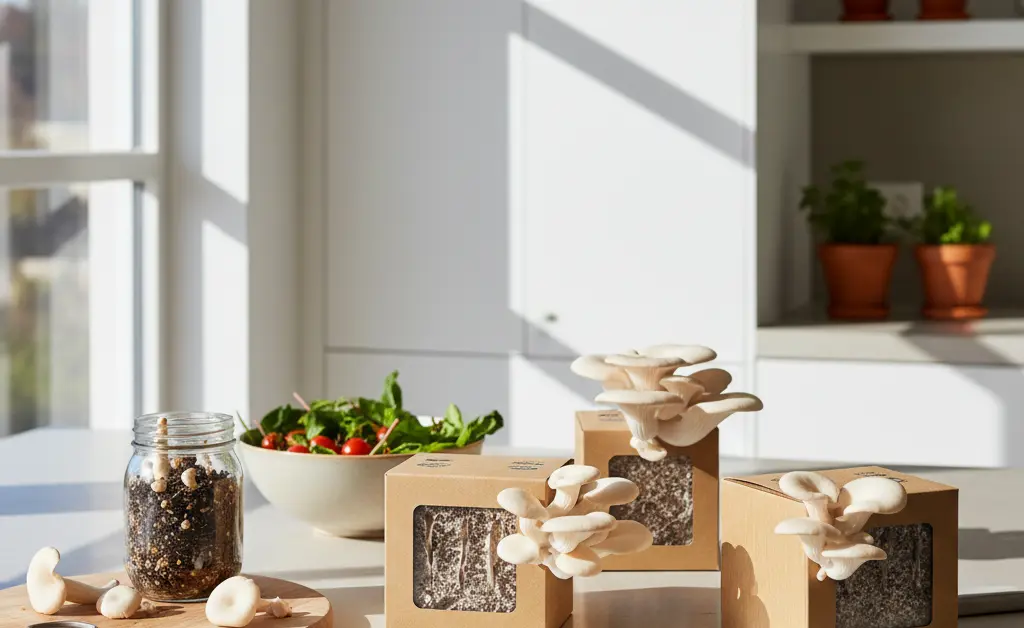
Cultivating your own mushrooms offers a direct path to fresh, organic produce, allowing enthusiasts to enjoy a continuous supply of gourmet varieties right from their kitchen or garden. This engaging hobby not only provides fresh ingredients for culinary adventures but also grants greater control over food quality and reduces reliance on store-bought options. It’s a rewarding endeavor that connects individuals with the natural world and the fascinating life cycle of fungi. For those interested in exploring this sustainable practice, understanding the fundamental steps and considerations for successful mushroom cultivation at home is essential. This guide will walk beginners through everything from choosing the right method and varieties to troubleshooting common issues, ensuring a fruitful growing experience.
Mushroom cultivation at home for beginners
Embarking on mushroom cultivation at home can be an incredibly fulfilling journey, offering both a unique hobby and access to fresh, flavorful fungi. This section provides an introduction to the world of home growing, highlighting the significant advantages and helping you decide on the best starting point for your endeavors.
Benefits of Homegrown Mushrooms
There are numerous compelling reasons why individuals choose to engage in mushroom cultivation at home. One of the primary benefits is the unparalleled freshness and quality of the produce. Unlike store-bought mushrooms, which may have traveled long distances and sat on shelves for a period, homegrown varieties are picked at their peak, ensuring optimal flavor and texture. Furthermore, home growers have complete control over the growing conditions, allowing them to cultivate organic mushrooms free from pesticides or other unwanted chemicals. This level of quality assurance is a significant advantage for those concerned about the origin and safety of their food. Beyond the culinary benefits, the process itself can be a deeply satisfying and educational experience, connecting individuals with natural cycles and sustainable practices. It’s a journey into understanding the fascinating biology of fungi, providing a deeper appreciation for the food on your plate.
Cost-Effectiveness
While there’s an initial investment in supplies and equipment, successful mushroom cultivation at home can prove to be quite cost-effective in the long run. Gourmet mushrooms often command high prices at grocery stores or farmers’ markets. By growing your own, you can significantly reduce your grocery bill over time, especially if you enjoy these varieties regularly. Once you have a basic setup, the recurring costs for subsequent grows are often minimal, primarily involving new mushroom spawn and substrate materials. This long-term saving makes home growing an attractive option for budget-conscious foodies and those looking to maximize their culinary experiences without breaking the bank on store-bought mushrooms.
Choosing Your Growing Method (Kits vs. DIY)
When starting mushroom cultivation at home, one of the first decisions you’ll face is whether to use a pre-made kit or embark on a more DIY approach. Mushroom grow bags and kits are an excellent entry point for beginners. They typically come inoculated with mushroom spawn and require minimal setup, often just a simple misting regimen. These kits provide a controlled environment and reduce the complexity of the initial stages, making success more probable for first-timers. On the other hand, the DIY approach offers greater flexibility and can be more cost-effective for larger-scale or ongoing production. This involves sourcing your own substrate, sterilizing it, and inoculating it with mushroom spores or liquid culture. While more challenging and requiring a deeper understanding of the process, DIY methods allow for experimentation with various substrates and species. Some advanced DIY methods even explore how to grow mushrooms in a cardboard box, offering an eco-friendly option. The choice largely depends on your comfort level, available time, and commitment to the hobby, but both paths can lead to bountiful harvests.
Grow Mushrooms at Home
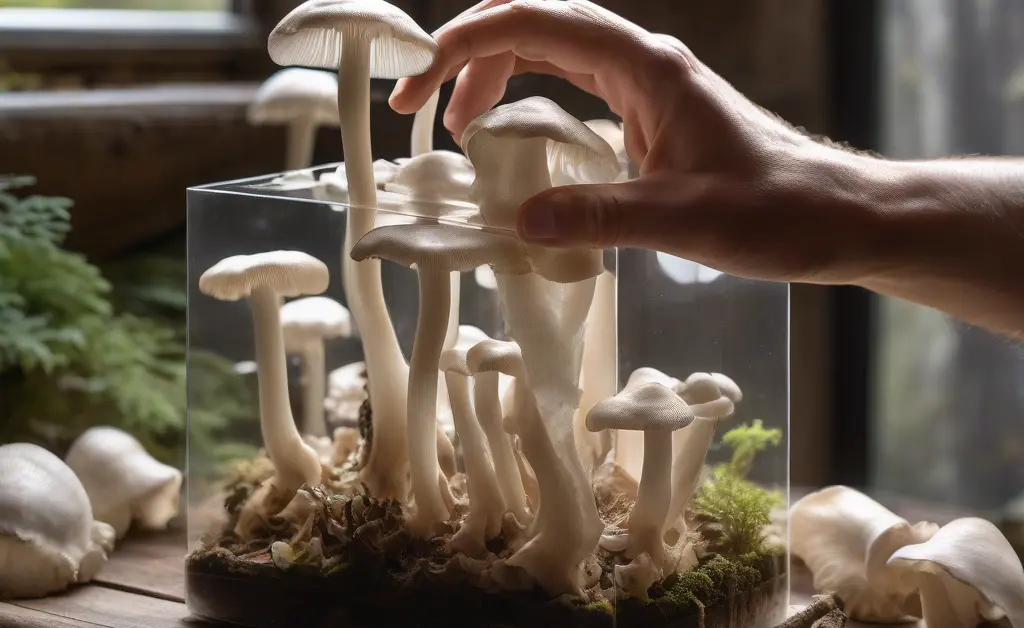
Successfully engaging in mushroom cultivation at home requires diligence and attention to detail throughout the growing cycle. Understanding and addressing potential issues is key to ensuring a healthy and productive environment for your fungi. This section delves into common challenges faced by home growers and strategies to overcome them.
Monitoring and Maintenance
Consistent monitoring and maintenance are crucial for successful mushroom growth. Fungi thrive in specific environmental conditions, particularly concerning humidity, temperature, and fresh air exchange. Humidity levels often need to be kept high, typically between 80-95%, which can be achieved through regular misting, humidifiers, or humidity tents. Temperature requirements vary by species but generally fall within a comfortable room temperature range for many popular varieties. Adequate fresh air exchange is vital to prevent CO2 buildup, which can inhibit fruiting and lead to leggy, underdeveloped mushrooms. This often involves fanning the growing area or using automated ventilation systems. Regular observation helps identify any deviations from ideal conditions or early signs of problems, allowing for timely adjustments and intervention.
Contamination Issues
One of the most significant hurdles in mushroom cultivation is contamination. Fungi share environments with numerous molds and bacteria, which can outcompete desirable mushroom mycelium for nutrients. Common contaminants appear as green, black, orange, or fuzzy patches, distinctly different from healthy white mycelial growth. Preventing contamination relies heavily on sterilization and contamination control techniques. This involves sterilizing substrates, working in a clean environment (like a still air box or flow hood), and practicing rigorous hygiene. Once a substrate is significantly contaminated, it’s often best to discard it to prevent the spread of spores to other growing projects. Early detection and strict sanitation protocols are your best defense against these unwelcome invaders.
Lack of Fruiting
The anticipation of seeing the first pins (baby mushrooms) emerge can be exciting, but sometimes, despite healthy mycelial growth, mushrooms fail to fruit. This often stems from incorrect fruiting conditions. Mycelium requires specific environmental triggers to switch from vegetative growth to reproductive (fruiting) growth. These triggers typically include a drop in temperature, increased fresh air exchange, and a significant boost in humidity, often accompanied by exposure to light. If these parameters are not met, the mycelium may colonize the substrate completely but remain dormant, refusing to produce mushrooms. Troubleshooting involves carefully reviewing the specific needs of your mushroom species and adjusting the environmental controls accordingly.
Pests and Pests Control
While indoor mushroom cultivation is generally less prone to pests than outdoor gardening, certain issues can arise. Fungus gnats are a common nuisance, as their larvae feed on mycelium and can introduce bacteria. Other potential pests include mites or springtails. Good sanitation practices are the first line of defense. Ensuring proper pasteurization or sterilization of your substrate minimizes the introduction of pest eggs. For existing infestations, solutions vary from sticky traps for adult gnats to more advanced biological controls for severe cases. Maintaining a clean growing area and inspecting your blocks regularly can help in early detection and prevent widespread pest problems, safeguarding your mushroom cultivation at home.
Essential Components for Mushroom Cultivation
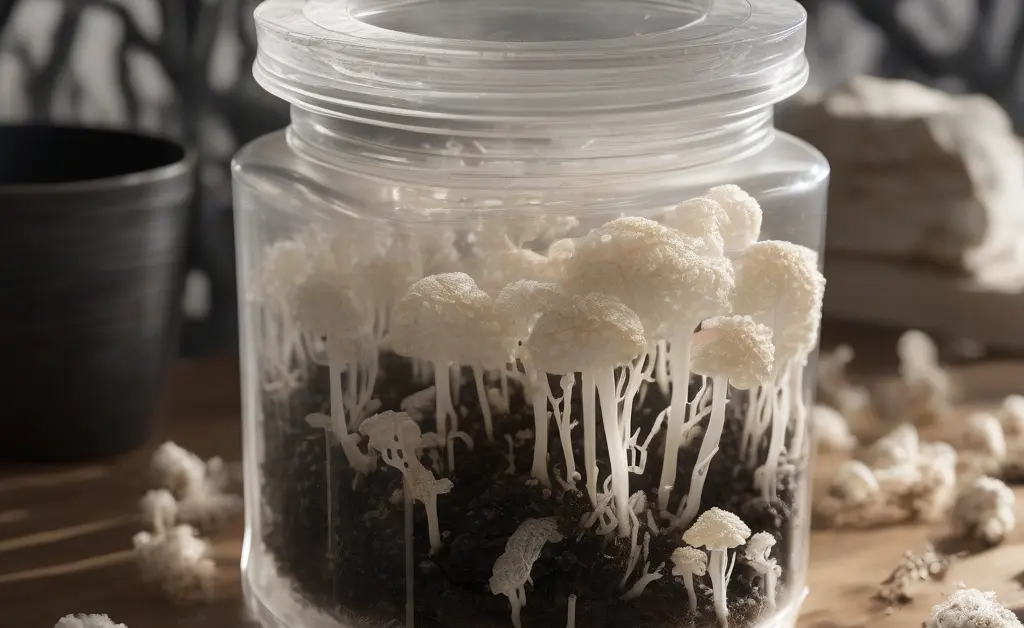
To successfully embark on mushroom cultivation at home, understanding the core components that facilitate fungal growth is paramount. This section explores how to grow edible mushrooms at home, focusing on the core elements for successful cultivation. Each element plays a critical role in providing the necessary environment and nutrients for the mycelium to thrive and eventually produce mushrooms.
Preparing the Substrate
The substrate serves as the food source and growing medium for the mushroom mycelium. Different mushroom species prefer different types of substrates, but common options include hardwood sawdust, grain, straw, coffee grounds, and coco coir. The preparation process typically involves moistening the substrate to an optimal water content and then, critically, sterilizing or pasteurizing it. Sterilization, often achieved in a pressure cooker or autoclave, kills competing microorganisms, giving the mushroom mycelium a clean slate to colonize. Pasteurization, using lower heat for a longer duration, reduces competing organisms without completely sterilizing, which is suitable for certain substrates like straw. Proper substrate preparation is foundational to preventing contamination and ensuring vigorous mycelial growth.
Inoculation
Inoculation is the process of introducing mushroom spawn or a liquid culture containing mushroom mycelium into the prepared substrate. Mushroom spawn consists of a substrate (often grain) that has already been colonized by the desired mushroom mycelium. Liquid culture is a sterile solution containing actively growing mycelium. The goal of inoculation is to evenly distribute the living mycelium throughout the substrate, allowing it to rapidly colonize and consume the nutrients. This step requires a sterile environment to prevent contaminants from being introduced along with the spawn or culture. Successful inoculation is the critical bridge between preparing your growing medium and the incubation phase, setting the stage for the entire mushroom cultivation at home project.
Popular Mushroom Varieties for Home Growing
Many varieties of mushrooms can be cultivated at home, each offering unique flavors, textures, and growing characteristics. Choosing the right species depends on your preferences, available resources, and level of experience in mushroom cultivation at home.
Oyster Mushrooms
Oyster mushrooms (Pleurotus ostreatus) are among the easiest and most forgiving varieties for beginners. They grow quickly and can thrive on a wide range of substrates, including straw, coffee grounds, and hardwood sawdust. Known for their delicate flavor and tender texture, they are versatile in the kitchen. Oyster mushrooms are also relatively tolerant of varying environmental conditions, making them a popular choice for those new to mushroom cultivation. They typically produce abundant flushes, offering a satisfying yield.
Shiitake Mushrooms
Shiitake mushrooms (Lentinula edodes) are highly prized for their rich, umami flavor and meaty texture. While slightly more challenging than oyster mushrooms, they are still a rewarding choice for home growers. Shiitake typically prefer hardwood sawdust blocks or logs as a substrate and require a longer colonization period. They benefit from a “shock” (like a cold water bath) to induce fruiting, followed by specific humidity and temperature cycles. The effort is well worth it for their culinary value and potential health-promoting compounds. The National Institutes of Health (NIH) provides research and information on various health topics, including the potential benefits of certain foods.
Lion’s Mane Mushrooms
Lion’s Mane mushrooms (Hericium erinaceus) are distinctive for their shaggy, cascading appearance and delicate, seafood-like flavor, often compared to crab or lobster. They are a gourmet favorite and a fascinating species to grow. Lion’s Mane prefers hardwood-based substrates and requires specific humidity to develop its characteristic spines. While their growth rate might be a bit slower than oyster mushrooms, their unique appeal and potential benefits make them a popular choice for those looking to expand their home cultivation repertoire.
Button Mushrooms
Button mushrooms (Agaricus bisporus) are arguably the most widely consumed mushrooms globally, known for their mild flavor and versatility. They are available in various stages of maturity, including cremini (brown button) and portobello (large, mature button mushrooms). While common, growing button mushrooms at home can be a bit more involved than growing oysters, as they require a composted substrate and a casing layer.
how to grow button mushroom at home
Growing button mushrooms at home involves a few distinct steps. First, you’ll need a specialized substrate, typically a pasteurized, nitrogen-rich compost. Once the substrate is prepared and cooled, it’s inoculated with button mushroom spawn. The spawn is mixed thoroughly into the compost, and the mixture is left to incubate in a dark, warm environment for several weeks until the mycelium fully colonizes it. After colonization, a casing layer, usually a mixture of peat moss and lime, is applied over the colonized substrate. This layer helps retain moisture and triggers fruiting. The environment is then adjusted to cooler temperatures and higher humidity to encourage pin formation. With consistent misting and proper air exchange, button mushrooms will begin to fruit, ready for harvesting when their caps are firm and rounded.
Step-by-Step Guide to Home Mushroom Cultivation
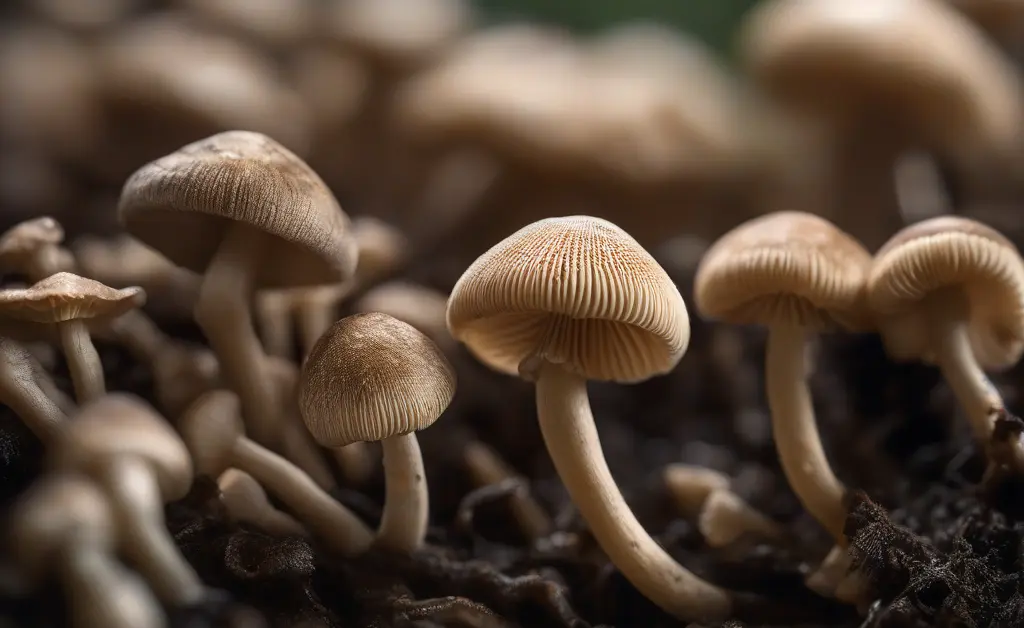
After selecting your mushroom variety and preparing your substrate, the journey of mushroom cultivation at home moves into the critical phases of incubation and fruiting. These stages require careful attention to environmental controls to ensure the healthy development of your fungi.
Incubation
Once your substrate has been inoculated with mushroom spawn, it enters the incubation phase. During this period, the mycelium, the vegetative part of the fungus, begins to colonize the entire substrate, breaking down nutrients and growing into a dense, white network. This phase typically requires a warm, dark, and consistent environment. The ideal temperature range varies by species, but many common varieties thrive around 70-75°F (21-24°C). High humidity is also beneficial during incubation, though not as critical as during fruiting. Fresh air exchange is usually kept minimal to allow CO2 to build up slightly, which can encourage faster colonization. Patience is key here; this stage can take anywhere from a few days to several weeks, depending on the species and substrate. You’ll know it’s complete when the substrate is thoroughly covered in white, fuzzy mycelium.
Fruiting Conditions
After full colonization, the mycelium is ready to be exposed to fruiting conditions, which trigger it to produce mushrooms. This typically involves a “shock” and a significant change in the Favorable Environment (Humidity and Temperature) and lighting. The shock might be a drop in temperature, increased light exposure, or a boost in fresh air exchange. Crucially, humidity levels need to be very high, often between 85-95%, to prevent the developing mushrooms from drying out. This can be achieved using misting bottles, humidifiers, or a dedicated fruiting chamber. Increased fresh air exchange is also vital during fruiting to provide oxygen and remove excess CO2, which can otherwise lead to stunted or malformed mushrooms. Observing the formation of small pins, the primordial mushrooms, indicates that you’ve successfully created the right conditions for your crop.
Harvesting and Storing Your Homegrown Mushrooms
Bringing your mushroom cultivation at home project to a successful close involves knowing precisely when and how to harvest your bounty, followed by proper storage to maintain freshness and quality.
When to Harvest
Knowing the optimal time to harvest your homegrown mushrooms is crucial for maximizing flavor, texture, and yield. For most species, the ideal time is just before or as the cap fully unfurls, and before the gills (or teeth, in the case of Lion’s Mane) begin to release spores. For oyster mushrooms, this means picking them when the edges of the caps are still slightly curled downwards. Shiitake are best when their caps are mostly open but still have a slight curl under the edges. Button mushrooms are harvested when the cap is still tight to the stem (cremini) or fully open (portobello). Harvesting too early can result in smaller mushrooms, while waiting too long can lead to tougher textures, a shorter shelf life, and a mess of spores.
Harvesting Techniques
Gentle and clean harvesting techniques are essential to ensure the health of your mushroom block for subsequent flushes. For most cluster-growing mushrooms like oysters, it’s best to grasp the entire cluster at its base and twist or gently pull it away from the substrate. For individual mushrooms like shiitake or button mushrooms, a sharp, clean knife can be used to cut the stem as close to the substrate as possible, avoiding disturbing the mycelium. Always use clean hands or gloves to minimize the risk of introducing contaminants to the substrate, which could inhibit future growth. After harvesting, some blocks may produce additional “flushes” of mushrooms, so continue to monitor their conditions.
Storage Methods
Proper storage is key to extending the shelf life of your freshly harvested homegrown mushrooms. The best method is typically to store them in a paper bag in the refrigerator. The paper bag allows for some air circulation while absorbing excess moisture, preventing the mushrooms from becoming slimy. Avoid storing them in sealed plastic bags, as this traps moisture and can lead to rapid spoilage. Fresh mushrooms are best consumed within a few days of harvesting for optimal quality. For longer-term storage, some varieties can be dehydrated, frozen (after cooking), or even pickled. Always clean mushrooms with a soft brush or damp cloth just before use, rather than rinsing them with water, which can cause them to absorb moisture and become soggy.
In conclusion, embarking on mushroom cultivation at home is a rewarding journey that connects you with nature, offers fresh, organic produce, and can even save you money. From choosing the right variety and method to carefully managing environmental conditions and harvesting your bounty, each step is an opportunity to learn and grow. While challenges like contamination or lack of fruiting may arise, a diligent approach to monitoring and maintenance, coupled with a willingness to troubleshoot, will pave the way for successful and satisfying harvests. Whether you opt for a simple kit or a more involved DIY setup, the experience of growing your own gourmet mushrooms provides immense satisfaction and a continuous supply of culinary delights.
While this article discusses health-related topics, it does not provide medical guidance. The information presented is for educational purposes only and should not be used as a substitute for professional medical advice, diagnosis, or treatment. Always consult with a qualified healthcare provider for any health concerns or before making any decisions related to your health or care.
FAQ
What are the easiest mushrooms to grow at home?
Oyster mushrooms are frequently recommended for beginners due to their vigorous growth and adaptability to various conditions. Lion’s Mane and Shiitake mushrooms are also relatively straightforward to cultivate and offer rewarding yields. These varieties are known for their resilience and quicker timelines from inoculation to harvest.
What do mushrooms need to grow?
Mushrooms require a nutrient-rich substrate, consistent moisture, and appropriate temperatures to thrive. They also depend on specific environmental conditions like humidity and fresh air exchange, which vary depending on the mushroom species. Adequate light is also a factor, though they do not photosynthesize like plants.
Can I grow mushrooms from store-bought mushrooms?
It is generally not possible to grow mushrooms from the mushrooms purchased at a grocery store. These mushrooms are typically harvested before they mature enough to produce viable spores, and they may also have been treated to prevent further growth. For successful cultivation, a pure culture of mushroom mycelium or spores is necessary.
What is the best substrate for growing mushrooms at home?
The ideal substrate depends heavily on the specific mushroom species being cultivated, as different fungi have unique nutritional requirements. Common substrates include sawdust, straw, coffee grounds, and grain, often supplemented with other organic materials. Successful mushroom cultivation at home relies on selecting a substrate that provides the necessary food source for the mycelium to colonize and fruit.