
A Practical Guide to Home Mushroom Cultivation
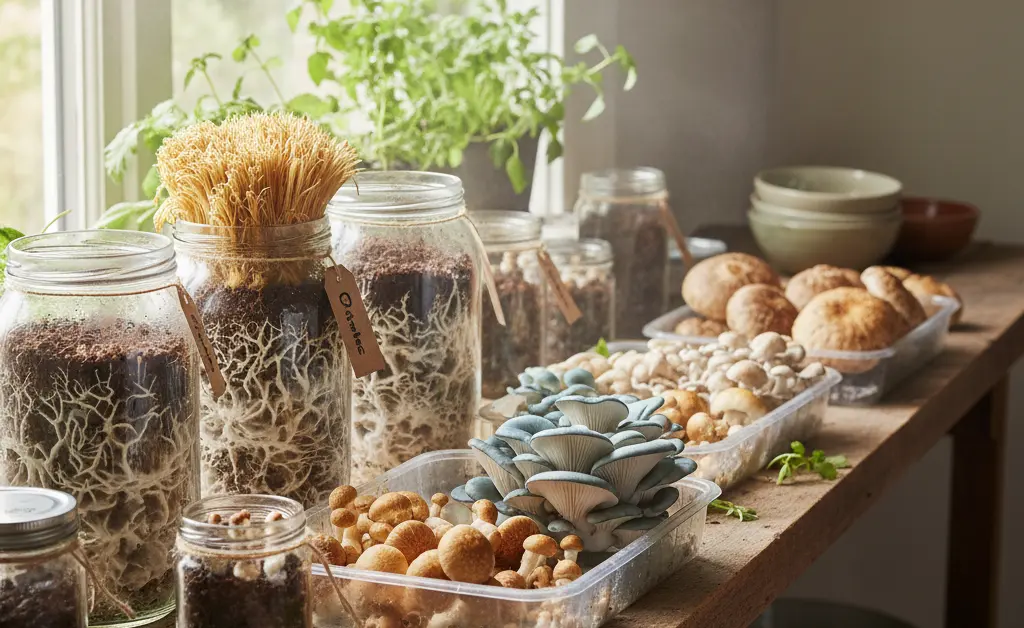
Unlocking the potential of homegrown produce extends far beyond traditional gardening; it encompasses the fascinating realm of fungi. As an experienced hand in wellness and sustainable living, I find immense satisfaction in guiding others toward self-sufficiency. Embarking on Mushroom Cultivation at home is a deeply rewarding endeavor, offering fresh, organic ingredients right from your own space. This practice not only provides an abundant supply of delicious and nutritious mushrooms but also connects you intimately with the natural cycles of growth. My aim is to demystify the process, transforming what might seem complex into an accessible and enjoyable journey for anyone eager to cultivate their own gourmet or medicinal varieties. Prepare to discover the simple yet profound satisfaction of nurturing these unique organisms from spore to harvest.
Mushroom Cultivation
Mushroom Cultivation for beginners
Embarking on mushroom cultivation as a beginner can be an exciting journey into the world of mycology. The initial steps involve understanding the basic life cycle of fungi and identifying which species are most forgiving for new growers. Starting with a pre-prepared kit or a relatively simple substrate can significantly ease the learning curve. Patience and attention to detail are key, as consistent environmental conditions often lead to successful harvests. This guide aims to simplify the process, making home mushroom cultivation an achievable and enjoyable hobby for anyone interested in growing their own. There are also many resources available for those interested in mushroom cultivation in Tamil.
What is Mushroom Cultivation?
Mushroom cultivation is the practice of growing fungi for food, medicine, or other applications. It involves controlling the environment and providing the necessary nutrients for fungi to grow from spores or mycelium into mature fruiting bodies. Unlike plants, mushrooms do not photosynthesize; instead, they derive their nutrition from organic matter. This unique biological process makes mushroom cultivation a distinct branch of agriculture, focusing on sterile techniques and specific environmental controls to foster optimal growth.
Benefits of Homegrown Mushrooms
Cultivating mushrooms at home offers numerous advantages. Foremost among them is access to fresh, organic produce, often at a lower cost than purchasing from stores. Homegrown mushrooms allow for complete control over the growing conditions, ensuring they are free from unwanted pesticides or chemicals. There’s also the satisfaction of self-sufficiency and the educational aspect of observing a unique biological process firsthand. Many varieties of mushrooms are also known for their potential nutritional benefits, providing a rich source of vitamins, minerals, and antioxidants, contributing to a healthy diet. Global health organizations like the WHO often emphasize the importance of diverse and nutritious diets. Some popular culinary choices include the versatile Portobello mushroom.
Understanding Mushroom Cultivation
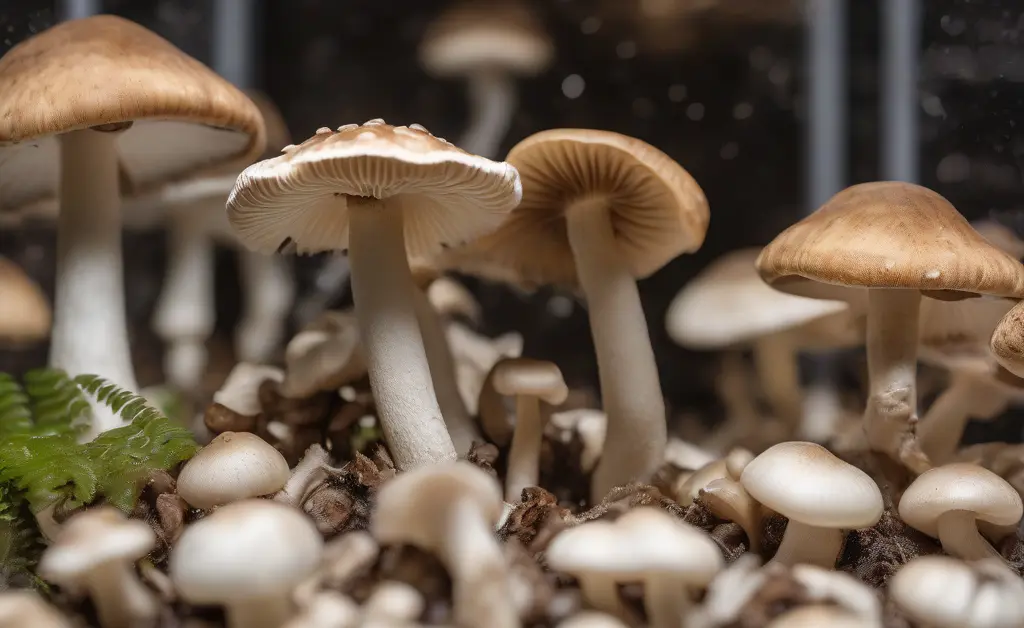
Types of Mushroom Growing Methods (Indoor vs. Outdoor)
Mushroom cultivation can be broadly categorized into indoor and outdoor methods, each with its own set of advantages and challenges. Indoor cultivation offers greater control over environmental factors such as temperature, humidity, and light, making it suitable for a wider range of species and year-round production. Techniques like growing in monotubs, grow bags, or specialized chambers fall under indoor cultivation. Outdoor methods, conversely, leverage natural conditions, often utilizing logs, wood chips, or garden beds. These methods are typically more seasonal but can yield larger quantities with less intensive management once established. The choice between indoor and outdoor approaches often depends on the grower’s resources, desired species, and climate.
Mycelium Development Stages
The life cycle of a mushroom begins with spores, which germinate into tiny thread-like structures called hyphae. As these hyphae grow and intertwine, they form a vast network known as mycelium. This mycelial network is the vegetative part of the fungus, analogous to the roots of a plant, responsible for absorbing nutrients from the substrate. During its development, the mycelium colonizes the chosen substrate, breaking down organic matter. Once the substrate is fully colonized and environmental conditions are suitable, the mycelium signals the formation of primordia, which are tiny mushroom pins. These pins then develop into mature fruiting bodies, which we recognize as mushrooms, ready for harvest.
Environmental Factors Affecting Growth
Successful mushroom cultivation hinges on carefully managing several critical environmental factors. Temperature plays a significant role, with different species having optimal ranges for both mycelial colonization and fruiting. Humidity is equally vital, as mushrooms are composed largely of water and require a moist environment to develop properly. Adequate fresh air exchange (FAE) is crucial to prevent the buildup of carbon dioxide, which can inhibit fruiting and lead to leggy, underdeveloped mushrooms. Light, while not a primary energy source, can act as an important pinning trigger for many species and influences the direction of growth. Attention to these factors helps to create an an ideal habitat for fungi to thrive.
Choosing the Right Mushroom Species
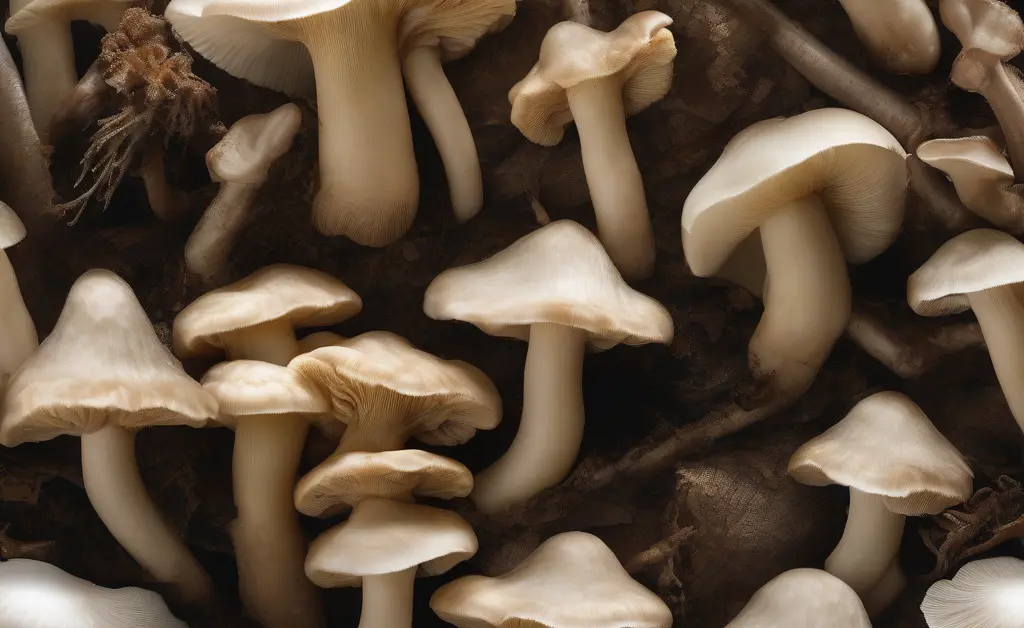
Beginner-Friendly Mushroom Varieties
For those new to the world of mycology, selecting the right mushroom species can significantly increase the chances of a successful first harvest. Some varieties are notoriously forgiving and vigorous, making them ideal for beginners. Oyster mushrooms (Pleurotus ostreatus) are often recommended due to their fast growth, resilience, and ability to thrive on a wide range of substrates. Shiitake (Lentinula edodes) and Lion’s Mane (Hericium erinaceus) are also popular choices, though they may require slightly more specific conditions than oysters. These species are known for their relatively straightforward cultivation requirements and abundant yields, providing a rewarding experience for novice growers. Other species like the Tremella mushroom are also cultivated for various uses.
Factors to Consider When Selecting Species
When choosing which mushroom species to cultivate, several factors should guide your decision. Your available growing environment is paramount; consider whether you have the means to control temperature, humidity, and airflow for indoor species, or if your outdoor climate is suitable for log or bed cultivation. The type of substrate required is another important consideration; some species are generalists, while others are highly specific in their nutritional needs. Your skill level also plays a role, as some varieties demand more precise sterile techniques or environmental controls. Finally, consider your ultimate goal: are you looking for gourmet culinary delights, mushrooms with specific potential wellness properties, or simply the joy of growing? For those focused on wellness, producing mushroom supplements might be a primary aim.
Essential Mushroom Cultivation Supplies
Grow Kits Explained
Mushroom grow kits offer an excellent entry point into mushroom cultivation, especially for beginners. These kits typically come pre-inoculated with mycelium on a suitable substrate, often housed in a block or bag. The main task for the grower is to provide the correct environmental conditions—usually involving misting for humidity and ensuring proper airflow—to trigger fruiting. Grow kits simplify the process by eliminating the need for sterile inoculation techniques and substrate preparation, allowing growers to focus on the exciting phase of pin formation and mushroom development. They are a convenient way to experience the entire growth cycle from start to finish with minimal initial investment in mushroom cultivation equipment.
Monotubs and Containers
Monotubs and various containers are staple equipment for indoor mushroom cultivation. A monotub is essentially a modified plastic storage container designed to create a semi-controlled environment for growing mushrooms. It features strategically placed holes for fresh air exchange, often covered with a filter patch or tape, and provides a humid chamber for fruiting. Other containers, such as specialized grow bags, tubs with lids, or even simple jars, can also be adapted for different stages of the cultivation process, from incubation to fruiting. The choice of container often depends on the scale of operation, the specific growing method, and the species being cultivated.
Spawn and Substrate Components
Spawn and substrate are fundamental components in successful mushroom cultivation. Spawn refers to any material inoculated with mycelium, acting as the “seed” for your mushroom crop. Common types include grain spawn (rye, millet, wheat), sawdust spawn, or plug spawn for logs. The substrate is the nutritional base upon which the mycelium grows and eventually produces mushrooms. Substrates can vary widely, from agricultural byproducts like straw and sawdust to specialized blends of coco coir, vermiculite, and gypsum. The right combination of spawn and substrate is crucial for healthy mycelial colonization and robust mushroom yields.
Sterilization and Pasteurization Equipment
Maintaining a clean and sterile environment is paramount in mushroom cultivation to prevent contamination from competing molds and bacteria. Sterilization aims to eliminate all microorganisms from a substrate, typically achieved using a pressure cooker or autoclave at high temperatures and pressures. This method is often used for nutrient-rich substrates like grains. Pasteurization, on the other hand, reduces the number of competing organisms to acceptable levels without completely sterilizing, often by heating substrates like straw or sawdust to lower temperatures for a longer duration. Essential equipment includes pressure cookers, large pots for hot water baths, heat-resistant bags, and sterile work areas like still air boxes or laminar flow hoods.
Preparing Your Substrate
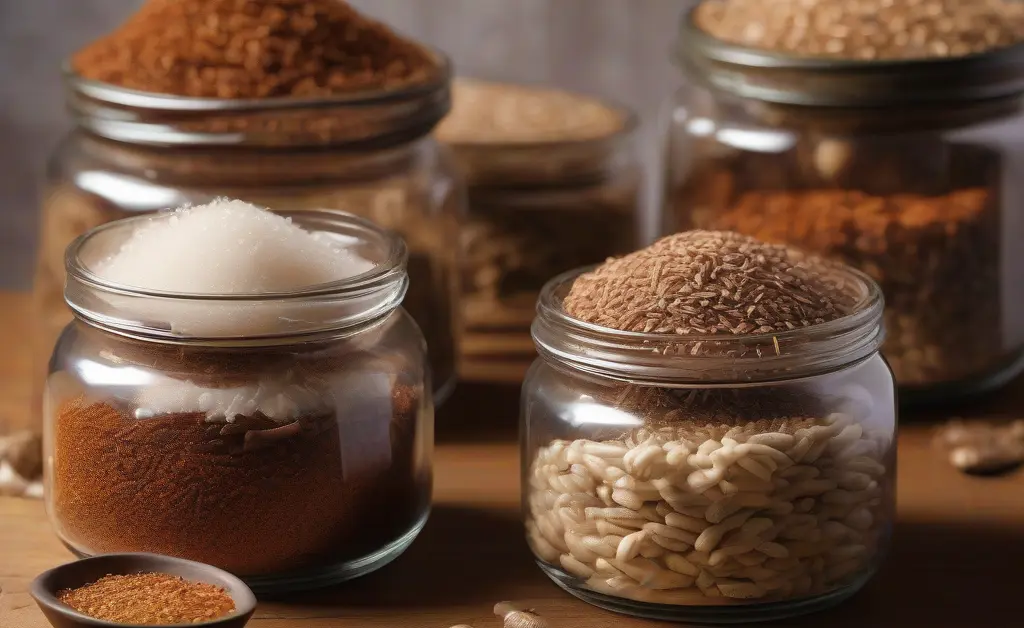
Common Substrate Options (Sawdust, Grain, Coco Coir)
The choice of substrate is a critical decision in mushroom cultivation, as it directly impacts the nutrition and growth environment for your mycelium. Sawdust, particularly hardwood varieties, is a popular choice for many gourmet and medicinal species, often supplemented with bran or other nitrogen sources. Grain substrates, such as rye, millet, or wheat, are rich in nutrients and commonly used for creating mushroom spawn due to their excellent colonization speed. Coco coir, derived from coconut husks, is a highly effective bulk substrate known for its moisture retention and resistance to contamination, often mixed with vermiculite and gypsum. Each substrate has specific preparation requirements and suitability for different mushroom species.
Sterilization vs. Pasteurization Techniques
Proper substrate preparation involves either sterilization or pasteurization, depending on the substrate type and the desired outcome. Sterilization, typically performed with a pressure cooker or autoclave, kills nearly all microorganisms, including beneficial ones. This method is essential for nutrient-rich substrates like grains, which are highly susceptible to contamination. Pasteurization, often done via hot water baths or steam, reduces the microbial load to levels that allow the desired mushroom mycelium to grow without being outcompete, while preserving some beneficial microorganisms. This technique is commonly used for less nutrient-dense substrates like straw or coco coir. Understanding the differences and proper application of these techniques is fundamental for successful mushroom cultivation.
Hydration and Supplementation
Achieving the correct moisture content in your substrate is crucial for successful mushroom growth. Substrates must be adequately hydrated to support mycelial expansion and fruiting, but not so wet that they become anaerobic or prone to bacterial growth. The “field capacity” method, where the substrate is moist but no water drips out when squeezed, is a common guideline. Supplementation involves adding nutrient-rich materials to a substrate to boost yields. Examples include adding gypsum for mineral content and pH buffering, or bran for nitrogen to sawdust-based substrates. Careful hydration and appropriate supplementation can significantly enhance the vigor of your mycelium and the size of your mushroom harvest.
Inoculation Methods
Using Mushroom Spores
Mushroom spores are the reproductive cells of fungi, akin to seeds in plants. They are typically collected as spore prints or in spore syringes suspended in sterile water. When using spores for inoculation, they are introduced to a sterile substrate, such as a grain jar, where they germinate and begin to form mycelium. This method requires a high degree of sterility, as spores are highly susceptible to contamination from airborne molds and bacteria. While starting from spores offers a way to propagate specific genetics, it is often a slower process compared to using established mycelial cultures, and the genetic outcomes can be variable.
Working with Liquid Culture
Liquid culture is a suspension of live mushroom mycelium growing in a nutrient-rich liquid solution, often a sugar water mixture. This method offers several advantages for mushroom cultivation, including faster colonization times compared to spores, as the mycelium is already established and actively growing. Liquid culture can be easily injected into sterile grain jars or bags, providing a uniform distribution of mycelium throughout the substrate. Maintaining sterility during preparation and inoculation is crucial to prevent contamination. Liquid cultures are also easier to store and propagate than spore syringes once a clean culture is established.
Grain to Grain Transfers
Grain to grain (G2G) transfer is a highly efficient method for expanding mushroom spawn. It involves taking a small portion of fully colonized grain spawn and transferring it to new, sterile grain jars or bags. This technique allows growers to rapidly multiply their mycelial biomass from a single colonized jar, significantly speeding up the overall cultivation process. G2G transfers are performed in a sterile environment, such as a still air box or laminar flow hood, to minimize the risk of contamination. The healthy, vigorous mycelium quickly colonizes the fresh grain, leading to a strong, viable spawn for fruiting block inoculation.
Sterile Techniques for Inoculation
The success of any inoculation method in mushroom cultivation heavily relies on rigorous sterile techniques. Contamination from bacteria, mold, or other fungi is a major challenge, especially when working with nutrient-rich substrates. Sterile techniques involve disinfecting work surfaces, using sterilized tools (e.g., flaming scalpel blades or needles), wearing gloves, and working in a still air box or laminar flow hood to prevent airborne contaminants from settling. Proper aseptic practices ensure that only the desired mushroom mycelium colonizes the substrate, leading to healthy growth and abundant harvests. Diligence and attention to detail during inoculation are paramount.
Incubation and Fruiting Conditions
Temperature and Humidity Requirements
Both incubation and fruiting stages of mushroom cultivation have specific temperature and humidity needs. During incubation, mycelium colonizes the substrate, typically requiring a stable, warm temperature range, specific to the species, to grow vigorously. Humidity is less critical during this phase as the substrate itself provides moisture. However, for fruiting, a drop in temperature and a significant increase in humidity are often necessary triggers. High relative humidity, often between 85-95%, is essential to prevent primordia from drying out and to support the expansion of fruiting bodies. Consistent monitoring and control of these parameters are key to a successful harvest.
Light and Air Exchange (FAE)
While mushrooms do not photosynthesize, light plays an important role in signaling the transition from mycelial growth to fruiting and influences the direction of cap development. Indirect, ambient light is usually sufficient, with direct sunlight often being too intense and drying. Fresh air exchange (FAE) is perhaps one of the most critical environmental factors during fruiting. As mushrooms respire, they produce carbon dioxide; if not properly ventilated, CO2 can accumulate, leading to long, spindly stems and small caps, or even completely inhibiting fruiting. Regular air exchange helps remove CO2 and introduces fresh oxygen, which is vital for healthy mushroom development.
Initiating Fruiting
Initiating fruiting, often called “pinning,” is the process of tricking the fully colonized mycelium into producing mushrooms. This usually involves a change in environmental conditions from the incubation phase. Common triggers include a slight drop in temperature, an increase in fresh air exchange, and a significant boost in humidity. For some species, a “cold shock” (briefly exposing the colonized substrate to cooler temperatures) can also stimulate pinning. Once primordia (tiny mushroom pins) appear, maintaining stable, optimal fruiting conditions is crucial for their development into mature mushrooms.
Harvesting and Storing Your Mushrooms
When to Harvest
Knowing the optimal time to harvest your homegrown mushrooms is key to maximizing flavor, texture, and yield. For most species, the ideal time is just as the cap begins to fully open or flatten, but before it starts to release a large amount of spores. For example, oyster mushrooms are often harvested in clusters when the edges of the caps are still slightly curled. Shiitake are typically picked when their caps are almost fully expanded but still have a firm texture. Observing the veil beneath the cap can also be a good indicator; harvesting often occurs just before or as the veil breaks, indicating the mushroom is mature but still fresh.
Proper Harvesting Techniques
Proper harvesting techniques can help ensure the longevity of your mushroom block and encourage subsequent flushes. Generally, mushrooms should be twisted gently at their base or cut cleanly with a sharp, sterile knife as close to the substrate as possible. Avoid pulling or tearing the mycelial block, as this can damage the underlying network and inhibit future growth. For cluster-forming mushrooms like oysters, it is often best to harvest the entire cluster at once. Always handle mushrooms carefully to avoid bruising, which can affect their appearance and shelf life.
Drying and Storing Methods
Once harvested, mushrooms have a relatively short shelf life, making proper storage essential. For short-term storage (a few days), fresh mushrooms can be stored in a paper bag in the refrigerator, allowing them to breathe and preventing sliminess. For longer preservation, drying is a popular method. Mushrooms can be air-dried, oven-dried on a very low setting, or ideally, dried using a food dehydrator until they are brittle. Dried mushrooms can then be stored in airtight containers in a cool, dark place for many months. Freezing is another option for some varieties, often after sautéing, which helps maintain their texture.
Post-Harvest Processing
Post-harvest processing extends beyond basic storage, especially for larger yields or specific uses. For culinary purposes, mushrooms may be cleaned (brushing off substrate remnants, avoiding excessive washing), sliced, or chopped for immediate use or further preservation methods. For medicinal varieties, post-harvest processing often involves drying and then potentially grinding them into a powder for teas, tinctures, or encapsulated supplements. Many growers are interested in their use as natural supplements. Understanding the unique characteristics of each mushroom species can guide the most appropriate processing methods to maintain their quality and efficacy.
Troubleshooting Common Cultivation Issues
Contamination Identification and Prevention
Contamination is arguably the most frustrating challenge in mushroom cultivation. It typically manifests as green, black, or blue molds (like Trichoderma or Penicillium), bacterial blotches, or sour smells. Identifying contamination early is crucial; often, contaminated substrates should be isolated or discarded to prevent further spread. Prevention is key and involves rigorous sterile techniques throughout the entire process, including proper substrate sterilization/pasteurization, working in a clean environment, and using sterile tools and supplies. High-quality spawn with vigorous mycelium can also help resist minor contamination.
Slow Growth or No Fruiting
If your mushroom mycelium is growing slowly or failing to fruit, several factors could be at play. Slow mycelial growth often indicates sub-optimal incubation temperatures, insufficient nutrients in the substrate, or excessive moisture. If the mycelium colonizes the substrate but doesn’t produce mushrooms, it often points to incorrect fruiting conditions. Common culprits include insufficient fresh air exchange, too low or too high humidity, incorrect temperature for the fruiting stage, or lack of a proper pinning trigger (e.g., light or temperature drop). Systematically adjusting these environmental factors can often resolve the issue and encourage fruiting.
Common Pests and Diseases
While generally less common in small-scale home mushroom cultivation than contamination, pests and diseases can still pose a threat. Fungus gnats are a common pest, attracted to moist, organic environments. Their larvae can damage mycelium and developing mushrooms. Good sanitation, proper ventilation, and sometimes sticky traps can help manage them. Bacterial blotch is a common disease characterized by dark, sunken spots on caps, often due to high humidity combined with poor airflow. Prevention largely relies on maintaining optimal environmental conditions and hygiene. Early detection and intervention are important to protect your crop.
Mushroom Cultivation Training and Resources
For those looking to deepen their understanding and refine their skills in mushroom cultivation, a wealth of training and resources are available. Many online courses and workshops offer comprehensive instruction, covering everything from basic sterile techniques to advanced strain selection. Books and scientific journals provide in-depth information on specific species and cultivation methods. Local mycological societies or gardening clubs can also be invaluable resources, offering hands-on experience, mentorship, and opportunities to connect with experienced growers. Exploring these avenues can significantly accelerate your learning curve and enhance your success in cultivating mushrooms. Even popular culture has embraced the concept, with many learning about mushroom farming Minecraft scenarios.
The Science Behind Mushroom Cultivation
The practice of Mushroom Cultivation is deeply rooted in mycology, the scientific study of fungi. Understanding the biological principles at play can significantly enhance a grower’s success. This includes comprehending the fungal life cycle, from spore germination to mycelial growth and fruiting body development. The specific enzymatic processes by which mycelium breaks down complex organic matter into absorbable nutrients are crucial for substrate selection. Furthermore, the intricate interplay between environmental factors—such as temperature, humidity, and CO2 levels—and the genetic expression that triggers mushroom formation highlights the delicate balance required. Research in mycology continues to uncover new cultivation techniques, disease resistance, and the potential benefits of various fungal species, contributing to the ongoing evolution of mushroom cultivation.
Embarking on the journey of mushroom cultivation is a rewarding experience, blending scientific principles with practical application. From selecting the right species to mastering sterile techniques and environmental controls, each step offers an opportunity for learning and growth. The satisfaction of harvesting your own fresh, organic mushrooms is unparalleled, providing both culinary delight and a deeper connection to the natural world. With patience, attention to detail, and a willingness to learn, anyone can transform their home into a thriving fungal garden, enjoying the unique benefits that homegrown mushrooms have to offer.
The information in this article is intended for knowledge purposes only. It is not intended to be a substitute for professional advice, diagnosis, or treatment. Always seek the advice of a qualified professional with any questions you may have regarding fungi, cultivation, or potential health implications. Individual results from cultivation may vary, and proper identification of mushroom species before consumption is critical.
FAQ
What are the basic steps of mushroom cultivation?
Mushroom cultivation involves several key stages, beginning with preparing a nutrient-rich substrate. This substrate is then inoculated with mushroom spawn, which contains the mycelium or vegetative part of the fungus. Following inoculation, the mycelium colonizes the substrate, and finally, conditions are adjusted to trigger fruiting, leading to the development of mushrooms.
What substrate is best for mushroom cultivation?
The optimal substrate for mushroom cultivation depends heavily on the specific mushroom species being grown. Many species thrive on lignocellulosic materials like sawdust, straw, or agricultural byproducts. Other mushrooms, particularly certain gourmet varieties, prefer grain-based substrates or even specialized compost mixtures.
How do you start mushroom cultivation from scratch?
Starting mushroom cultivation from scratch typically begins with acquiring pure mushroom culture, often from a reputable supplier. This culture is then used to create spawn, which is a substrate colonized by the mushroom mycelium, serving as the planting material. The spawn is then transferred to a larger bulk substrate to initiate colonization and eventual fruiting.
What temperature is ideal for mushroom incubation?
The ideal temperature for mushroom incubation, also known as mycelial colonization, varies by species but generally favors warmer conditions. Many common cultivated mushrooms prefer temperatures between 70-75°F (21-24°C) during this phase. Maintaining a consistent and appropriate temperature is crucial for robust mycelial growth.
What are the signs of a healthy mushroom culture?
A healthy mushroom culture is characterized by vigorous, white, and often fluffy mycelial growth that evenly spreads throughout the substrate. The absence of contamination, such as unusual colors or foul odors, is also a strong indicator of a healthy culture. The mycelium should appear consistent and dense as it colonizes.
How long does mushroom cultivation typically take?
The duration of mushroom cultivation can span from several weeks to a few months, depending on the mushroom species and the scale of the operation. Mycelial colonization of the substrate can take two to four weeks, followed by a fruiting period that may last another one to three weeks. Environmental factors and specific cultivation techniques can influence the overall timeline.
What are common mistakes in mushroom cultivation?
Common mistakes in mushroom cultivation often stem from issues with maintaining sterile conditions, leading to contamination. Inconsistent environmental controls, such as improper humidity or temperature, can also hinder growth and fruiting. Using unsuitable substrates or poorly prepared spawn are further pitfalls that growers may encounter.