
A Scientific and Culinary Profile of Portobello Mushrooms
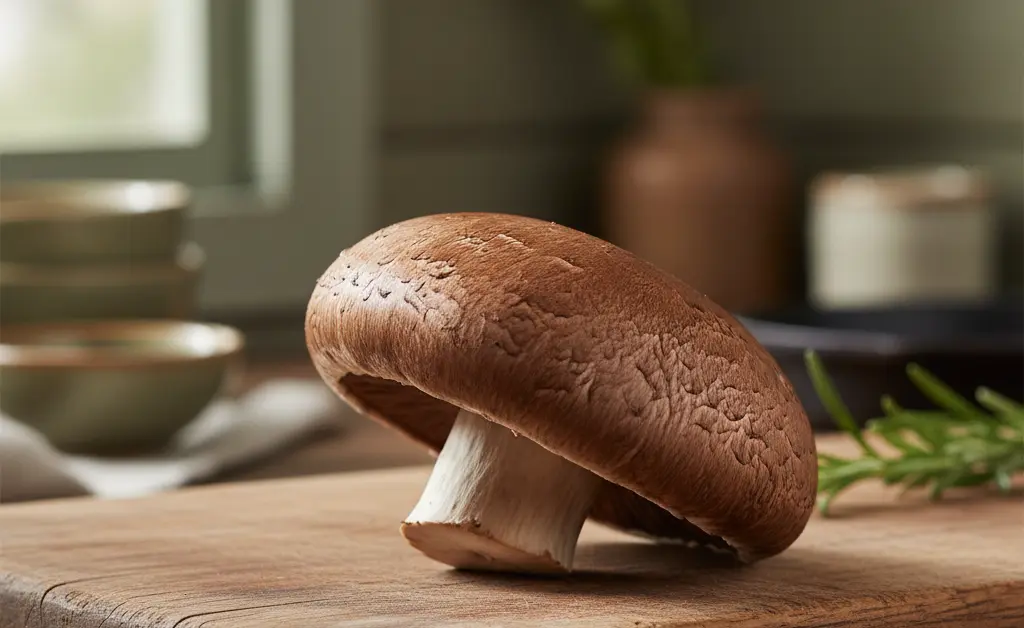
Finding satisfying and versatile ingredients that can anchor a meal or provide a hearty substitute for meat can often be a culinary challenge. Many home cooks struggle with introducing more plant-based options into their diet without sacrificing flavor, texture, or the feeling of a substantial dish. This search for adaptable ingredients that are both nutritious and delicious frequently leads to repetitive meal planning or a feeling of being uninspired in the kitchen. Fortunately, there’s a remarkable fungi that consistently rises to this occasion, offering an impressive solution. The portobello mushroom stands out as an exceptionally versatile ingredient, capable of transforming simple recipes into extraordinary culinary experiences, whether you’re grilling, baking, or sautéing.
What Are Portobello Mushrooms?
Portobello mushrooms are a mature form of the common white button mushroom, known scientifically as Agaricus bisporus. As the mushroom grows larger, its cap expands and flattens, revealing dark gills on the underside. This maturation process leads to a richer, more intense flavor and a meaty texture, which makes the portobello mushroom a popular choice for vegetarian and vegan dishes, as well as a hearty component in many culinary applications. Its large size also makes it ideal for stuffing or using as a burger patty substitute.
Understanding the Portobello Mushroom Life Cycle
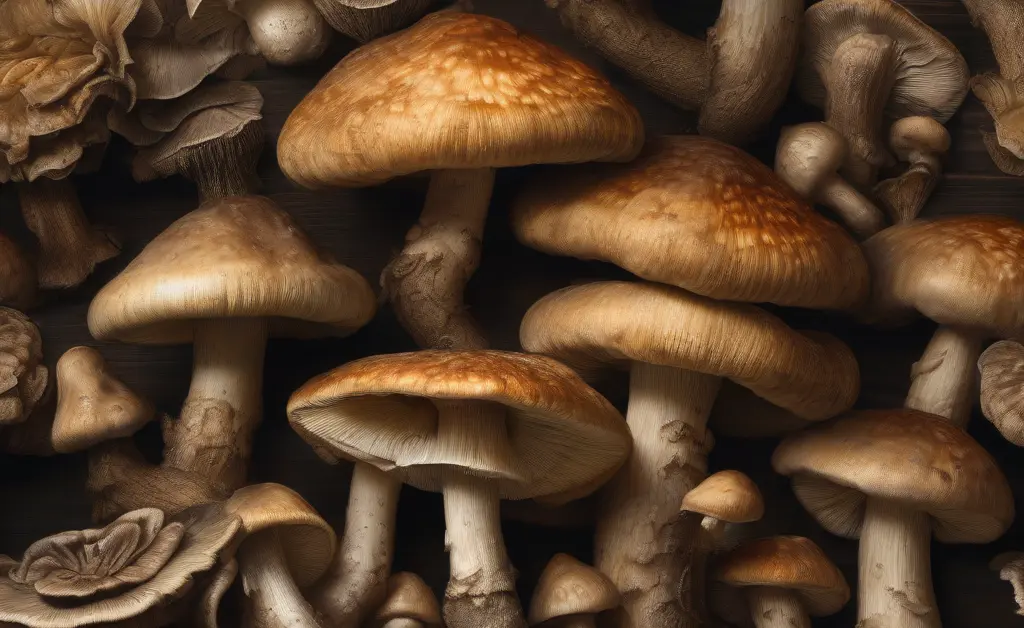
The life cycle of the portobello mushroom begins with microscopic spores that germinate under specific environmental conditions. These spores develop into mycelium, a network of thread-like structures that absorb nutrients from the substrate. As the mycelium grows and gathers sufficient energy, it forms small, pinhead-sized structures that eventually mature into button mushrooms. If allowed to continue growing, these buttons expand, their caps flatten, and the gills become fully exposed and darken, transforming them into the larger, more robust portobello mushroom. This natural progression from a small button to a large, open-capped fungi is a fascinating aspect of mushroom cultivation. For those interested in cultivating their own, information on portobello mushroom growing is readily available.
Portobello Mushroom Origin
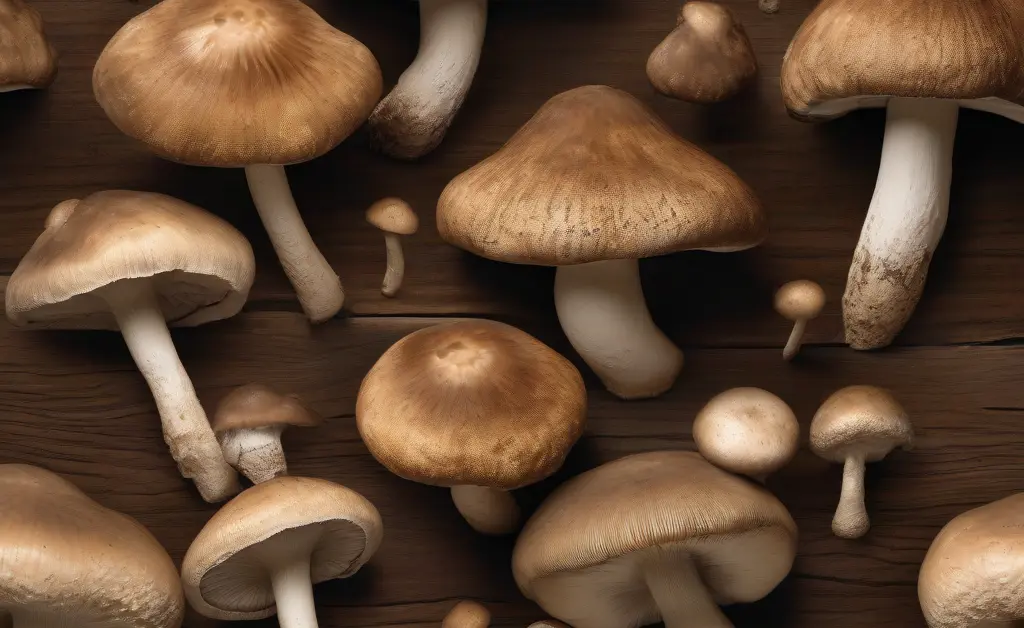
While portobello mushrooms are simply fully grown cremini mushrooms (which themselves are a brown strain of the common button mushroom), their widespread culinary popularity as a distinct entity is relatively recent. The Agaricus bisporus species, from which they originate, has a long history of cultivation, dating back centuries. However, the recognition and marketing of the large, mature form as “portobello” gained significant traction in North America during the 1980s. This strategic renaming and emphasis on their unique characteristics helped elevate their status in kitchens globally, transforming them from an overlooked, oversized mushroom into a celebrated culinary ingredient.
How to Prepare Portobello Mushrooms
Preparing portobello mushrooms for cooking involves a few simple steps to ensure they are clean and ready to absorb flavors. Begin by gently wiping the caps with a damp cloth or soft brush to remove any dirt; avoid rinsing under running water as mushrooms can absorb too much moisture. Many recipes call for removing the stem, which can be easily twisted or cut off. Some cooks also choose to scrape out the gills from the underside of the cap, as they can release a dark liquid during cooking and sometimes impart a slightly bitter taste. However, eating mushroom gills is perfectly safe, and many prefer to leave them for their earthy flavor and texture. Once cleaned and prepped, they are ready for marinating or cooking.
Baked Portobello Mushrooms
Baking portobello mushrooms is a straightforward method that yields tender, flavorful results. After cleaning and removing the stems, the caps can be brushed with olive oil, herbs, and seasonings. They are often baked in an oven at moderate oven temperatures until tender and slightly browned. This method is excellent for retaining moisture and is particularly suitable for stuffed portobello mushrooms, where the cavity can be filled with a variety of ingredients before baking.
Grilled Portobello Mushrooms
Grilling enhances the earthy flavors of portobello mushrooms and imparts a smoky char. Marinating the caps beforehand in balsamic vinegar, soy sauce, garlic, and herbs can significantly deepen their taste. Place the marinated caps directly on the grill grates over medium heat, cooking for several minutes per side until they are tender and have visible grill marks. This method is popular for creating portobello mushroom burgers or as a side dish for various entrees. Some find that portobellos make excellent portobello mushroom fajitas.
Sautéed Portobello Mushrooms
Sautéing is a quick and effective way to cook portobello mushrooms, bringing out their rich, umami notes. Slice the caps into strips or chunks after preparing them. Heat a pan with a small amount of oil or butter over medium-high heat, then add the mushrooms. Cook, stirring occasionally, until they release their moisture and begin to brown. Adding garlic, onions, or other aromatics during the last few minutes of cooking can further enhance the flavor of the sautéed mushrooms.
Roasted Portobello Mushrooms
Roasting portobello mushrooms provides a deeper, more concentrated flavor compared to baking. Toss cleaned and sliced or whole caps with olive oil, salt, pepper, and your choice of herbs like thyme or rosemary. Spread them in a single layer on a baking sheet and roast in a hot oven. The high heat encourages caramelization, resulting in mushrooms with a rich, savory taste and a slightly crispy exterior. Roasting is versatile and works well for adding to salads, pasta, or as a side dish.
Tips for Cooking Portobello Mushrooms

When cooking portobello mushrooms, several tips can help ensure the best results. One crucial aspect is marinating; due to their porous nature, portobellos readily absorb flavors, making a good marinade key to a delicious outcome. Consider using acid-based marinades (like balsamic vinegar or lemon juice) to tenderize them further. Another tip involves cooking times; avoid overcooking, which can make them rubbery. Generally, they cook relatively quickly, often within 10-15 minutes, depending on the heat and method. Finally, if you choose to remove the gills, do so gently with a spoon to avoid damaging the cap. Exploring various mushroom supplements can also offer health benefits. Learn more about mushroom supplements.
Popular Portobello Mushroom Recipes
The versatility of the portobello mushroom makes it a star in a wide array of recipes, offering a hearty and flavorful component to diverse cuisines. Its meaty texture and umami-rich taste allow it to stand in for or complement other ingredients in both vegetarian and meat-based dishes.
Portobello Mushroom Burgers
Portobello mushroom burgers are a classic vegetarian alternative to traditional beef burgers. The large, meaty caps are typically marinated and then grilled or roasted, serving as the “patty” in a bun with all the usual burger fixings. Their robust texture holds up well, providing a satisfying bite.
Portobello Mushroom Pizza
Using portobello mushroom caps as a crust for individual pizzas is a popular low-carb option. The caps are pre-baked or grilled slightly, then topped with tomato sauce, cheese, and other favorite pizza toppings, and finally baked until the cheese is melted and bubbly. This creates a flavorful and unique pizza experience.
Portobello Mushroom Soup
For a rich and earthy dish, portobello mushroom soup is an excellent choice. The deep flavors of the mushrooms are often enhanced with vegetable broth, onions, garlic, and cream or a dairy-free alternative, resulting in a comforting and hearty soup.
Portobello Mushroom Steaks
Marinated and grilled or pan-seared portobello caps can be served as “steaks,” providing a substantial and flavorful main course. Often accompanied by mashed potatoes, roasted vegetables, or a rich sauce, these mushroom steaks offer a satisfying plant-based alternative.
Portobello Mushroom Salad
Grilled or roasted portobello mushrooms add a smoky, savory depth to salads. Sliced portobellos can be tossed with mixed greens, other vegetables, nuts, cheeses, and a vinaigrette dressing, transforming a simple salad into a more substantial and flavorful meal.
Portobello Mushroom Pasta
Integrating portobello mushrooms into pasta dishes elevates their flavor profile. Sliced and sautéed portobellos can be incorporated into creamy sauces, tomato-based sauces, or simply tossed with olive oil, garlic, and herbs, creating a rich and satisfying pasta experience.
Stuffed Portobello Mushrooms
Stuffed portobello mushrooms are a versatile and elegant dish. The hollowed-out caps can be filled with a variety of ingredients, such as breadcrumbs, cheese, herbs, other vegetables, or even grains, and then baked until tender and the filling is cooked through. This allows for endless creative combinations.
Nutritional Benefits of Portobello Mushrooms
The portobello mushroom is not only a versatile culinary ingredient but also offers a range of potential nutritional benefits. These mushrooms are recognized for being low in calories and fat while providing a source of several essential vitamins and minerals. They may contribute to dietary fiber intake, which is important for digestive health. Additionally, portobellos contain certain B vitamins, such as riboflavin and niacin, which play roles in energy metabolism. They are also studied for their potential antioxidant properties and for being one of the few natural plant sources of vitamin D, especially when exposed to UV light. Some research suggests that certain mushroom varieties, like lions mane mushroom, offer unique cognitive benefits.
The portobello mushroom stands as a testament to the idea that simple ingredients can achieve extraordinary culinary feats. Its rich flavor, satisfying texture, and remarkable versatility make it a treasured component in kitchens worldwide, continually inspiring new and delicious ways to enjoy plant-based cooking. Whether incorporated into a hearty burger, a savory pasta, or an elegant stuffed dish, this magnificent fungi consistently delivers a memorable dining experience. For a broader understanding of edible fungi, you might find information on the puffball mushroom interesting.
This article aims to inform, not to replace professional healthcare advice. The information provided is for general knowledge and informational purposes only, and does not constitute medical advice. Always seek the advice of a qualified health professional for any questions you may have regarding a medical condition or treatment.
Some sources, such as the CDC, provide valuable health and safety information that can be relevant to food consumption and preparation.
FAQ
How do you cook portobello mushrooms?
Portobello mushrooms are versatile and can be cooked in many ways, including grilling, baking, sautéing, and roasting. Their meaty texture makes them a popular substitute for meat in various dishes. They absorb marinades well, adding depth to their flavor during cooking.
What is the best way to bake portobello mushrooms?
Baking portobello mushrooms typically involves preheating your oven and placing the mushrooms, often marinated or seasoned, on a baking sheet. They can be baked until tender and slightly browned. This method allows for even cooking and develops a rich, savory flavor.
Is it okay to eat the gills of a Portobello mushroom?
Yes, the gills of a portobello mushroom are perfectly edible. While some people remove them for aesthetic reasons or to prevent a darker color in dishes, they do not pose any health risks. The gills contribute to the mushroom’s texture and flavor.
What nutrients are in portobello mushrooms?
Portobello mushrooms offer a range of beneficial nutrients, including B vitamins like niacin and riboflavin, and essential minerals such as selenium and potassium. They also contain dietary fiber and protein. Their nutritional profile makes them a valuable addition to a balanced diet.
How can you prepare portobello mushrooms for cooking?
Preparation often involves gently wiping the mushrooms clean with a damp cloth or paper towel to remove any dirt. Some cooks prefer to remove the tough stem and scrape out the dark gills, though this is optional. Marinating or seasoning them before cooking can enhance their flavor.
Are portobello mushrooms safe to eat raw?
While portobello mushrooms can be consumed raw, they are generally more digestible and flavorful when cooked. Raw mushrooms may be harder for some individuals to digest, and cooking helps to break down their cell walls. Cooking also unlocks a richer umami taste.
What is the difference between portobello and cremini mushrooms?
Portobello mushrooms are actually mature cremini mushrooms that have been allowed to grow larger. Cremini mushrooms are younger, with a firmer texture and smaller size. As cremini mushrooms mature, they develop a larger cap and a more intense flavor, becoming what we know as portobello.