
A Home Grower’s Guide to Portobello Mushrooms
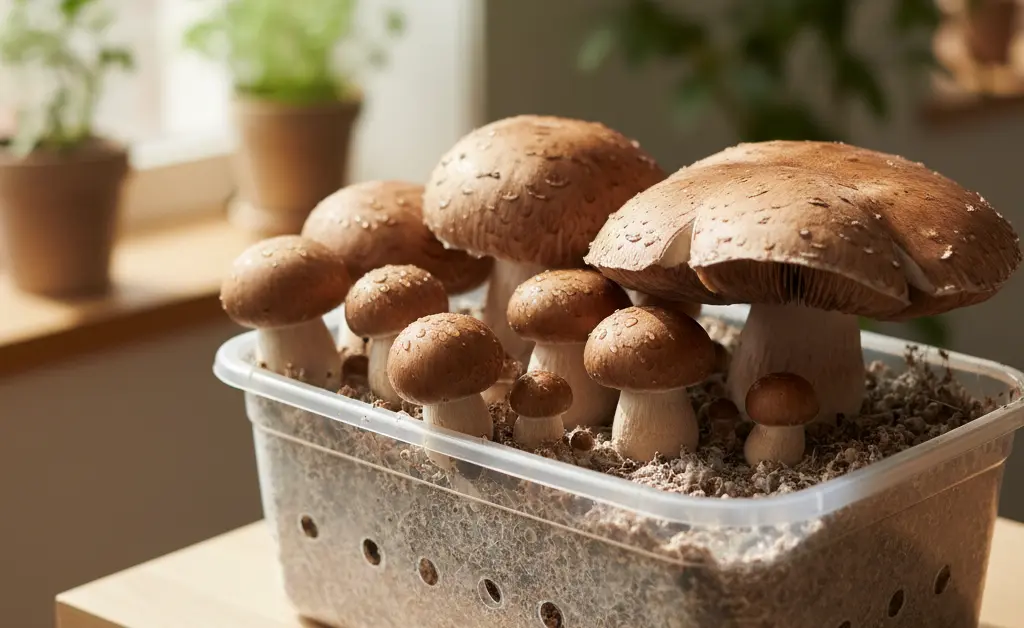
Cultivating your own portobello mushrooms at home offers the distinct advantage of providing access to exceptionally fresh, organic produce, often at a lower cost than store-bought varieties. This direct involvement in the food production process ensures quality and freshness from harvest to plate, allowing enthusiasts to enjoy superior flavor and texture. This comprehensive guide is designed to demystify the process of portobello mushroom growing, providing step-by-step instructions and essential insights for both beginners and those looking to refine their techniques. From understanding the basics of mushroom biology to selecting optimal growing methods and troubleshooting common challenges, readers will gain the knowledge required to successfully cultivate these versatile fungi in their own environment.
Understanding Portobello Mushroom Basics
Portobello mushrooms are the mature form of the common button mushroom (Agaricus bisporus). As they mature, their caps open wider, flattening out and developing a deeper, more robust flavor and a meatier texture. This makes them a popular choice in culinary applications, from grilling and stuffing to serving as a meat substitute. Understanding the fundamental biological needs of these fungi is the first step toward successful cultivation in a home setting. Learn more about the portobello mushroom life cycle.
Portobello Mushroom Growing Temperature
Temperature plays a crucial role in every stage of a portobello mushroom’s life cycle. During the initial colonization phase, when the mycelium is spreading through the substrate, a consistent, moderately warm environment is generally preferred. This encourages rapid and robust mycelial growth. Once the substrate is fully colonized, a slight drop in temperature, typically into a cooler range, is often necessary to trigger the fruiting process. Maintaining these distinct temperature profiles is vital for encouraging the formation of primordia (pinheads) and their subsequent development into mature mushrooms.
Ideal Conditions for Portobello Growth
Beyond temperature, several other environmental factors contribute to ideal portobello mushroom growth. High humidity levels are critical, especially during the fruiting phase, to prevent the caps from drying out and cracking and to support overall development. Adequate fresh air exchange is also paramount, as mushrooms respire and produce carbon dioxide; stagnant air can inhibit growth and lead to elongated stems and small caps. While mushrooms do not require light for photosynthesis like plants, a minimal amount of indirect light can help guide their growth direction and contribute to healthy cap development, though it’s not a primary requirement for their biological functions.
Choosing Your Portobello Mushroom Growing Method
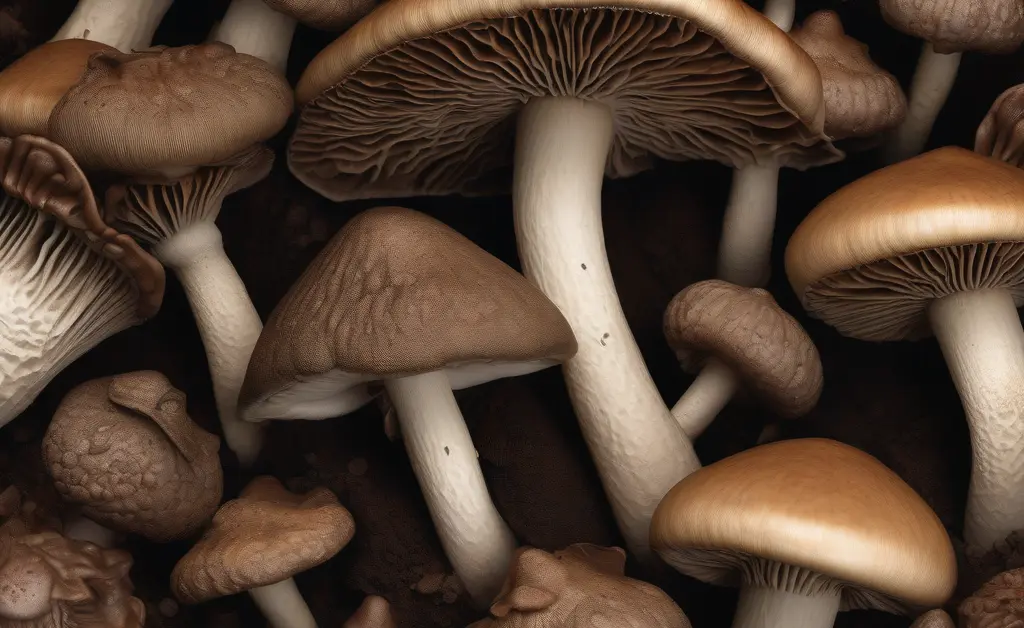
The journey into portobello mushroom growing can be approached through several methods, each offering different levels of control, convenience, and required expertise. Your choice will largely depend on your available space, budget, and how hands-on you wish to be in the cultivation process.
Growing Portobellos Indoors vs. Outdoors
Cultivating portobellos indoors offers the significant advantage of environmental control, allowing for year-round production regardless of external weather conditions. Indoor setups can range from simple kits on a countertop to dedicated grow tents with automated climate control. This method generally provides better protection from pests and environmental fluctuations. Outdoor cultivation, conversely, is typically seasonal and depends heavily on local climate conditions. While potentially more cost-effective for larger scales, it exposes your crop to the elements, including temperature swings, wind, rain, and various pests, making it a more unpredictable venture.
Using Mushroom Growing Kits
For beginners or those seeking a less intensive approach, mushroom growing kits are an excellent starting point. These kits typically come with a pre-sterilized and often pre-inoculated substrate block, meaning much of the initial, more complex work has already been done. Growers primarily need to provide the correct environmental conditions, such as humidity and fresh air, and monitor the kit as mushrooms begin to fruit. They offer a relatively quick and easy way to experience the satisfaction of harvesting your own fungi with minimal initial investment in equipment or knowledge. Consider exploring a portobello mushroom grow kit for a convenient start.
Starting from Scratch: Spawn and Substrate
For more experienced growers or those looking for greater control over the cultivation process, starting from scratch with spawn and substrate is the preferred method. This involves purchasing or creating mushroom spawn (mycelium grown on a grain or other medium) and then inoculating a prepared substrate. This approach requires understanding substrate preparation, sterilization or pasteurization techniques, and more intricate environmental management. While it demands more initial effort and knowledge, it offers the potential for larger yields, greater customization, and a deeper understanding of the entire portobello mushroom growing cycle.
Essential Materials for Portobello Mushroom Growing
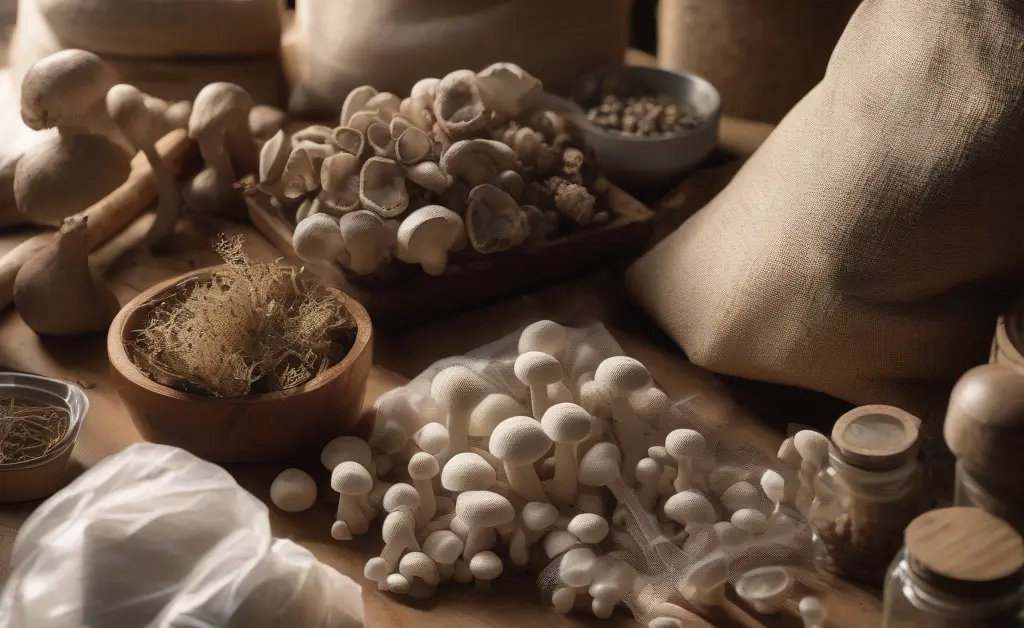
Setting up a successful environment for growing portobello mushrooms requires a specific set of materials. Each component plays a vital role in providing the fungi with what they need to thrive, from initial colonization to abundant fruiting. Thoughtful selection and preparation of these materials are foundational to successful portobello mushroom growing.
Portobello Mushroom Spawn
Mushroom spawn is essentially the “seed” for your mushroom crop. It consists of mycelium—the vegetative part of the fungus—grown on a sterile medium like grain, sawdust, or plugs. High-quality spawn is crucial for a successful grow, as it ensures vigorous mycelial growth and reduces the risk of contamination. Different types of spawn are suited for various substrates and growing methods, so selecting the appropriate form for your chosen approach is important. You can find portobello mushroom spores for sale to begin your cultivation.
Portobello Mushroom Substrate
The substrate is the food source for the mycelium and where the mushrooms will eventually grow. Portobello mushrooms are saprophytic, meaning they derive nutrients from decaying organic matter. Common substrates include composted agricultural waste (like horse manure or straw), wood chips, and various blends that provide a rich nutrient base. The substrate must be properly prepared—typically pasteurized or sterilized—to eliminate competing molds and bacteria, creating a clean environment for the mushroom mycelium to colonize.
Containers and Growing Medium
The choice of container depends on your scale and method. Options range from specialized mushroom grow bags, plastic tubs with modified lids for air exchange, or even trays for bulk substrate. The “growing medium” often refers to the prepared substrate itself, but it can also include a casing layer. A casing layer, typically a non-nutritive, moisture-retentive material like peat moss or vermiculite, is applied over the colonized substrate to provide a microclimate that encourages fruiting and helps regulate moisture levels on the surface where mushrooms emerge.
Environmental Controls (Temperature, Humidity, Light)
Precise environmental control is key to mimicking the natural conditions portobello mushrooms need to flourish. This includes equipment such as thermometers and hygrometers to monitor temperature and humidity accurately. Humidifiers, misting bottles, or even simple humidity tents can help maintain the high moisture levels required. For air exchange, simple fanning or small fans can be used to prevent CO2 buildup. While light requirements are minimal, a soft, indirect light source can be beneficial for directional growth, though it is not as critical as temperature and humidity.
Step-by-Step Portobello Mushroom Cultivation
Cultivating portobello mushrooms involves a series of distinct phases, each requiring specific conditions and attention. Following these steps diligently is crucial for a successful harvest and to enjoy the fruits of your labor in your portobello mushroom growing endeavors.
Preparing Your Substrate
The first critical step is preparing the substrate. This involves hydrating your chosen materials (such as composted straw or manure) to the correct moisture content—it should feel like a squeezed sponge, moist but not dripping. After hydration, the substrate must be treated to eliminate contaminants. Pasteurization (heating to a specific temperature for a period, typically below boiling) or sterilization (heating to higher temperatures, often with a pressure cooker) are common methods. This process creates a selective environment where the mushroom mycelium can thrive without competition from other microorganisms.
Inoculating the Substrate with Spawn
Once the substrate is prepared and cooled, it’s time for inoculation. This involves mixing the portobello mushroom spawn thoroughly into the substrate. The goal is to distribute the mycelium evenly so it can quickly colonize the entire medium. This step requires strict aseptic technique to prevent introducing airborne contaminants; working in a clean environment, wearing gloves, and using sterilized tools are highly recommended to minimize risks.
Incubation Period: Colonization
After inoculation, the substrate and spawn mixture enters the incubation period. During this phase, the mycelium grows out from the spawn and colonizes the entire substrate, forming a dense, white network. This usually occurs in a dark, warm, and stable environment. It’s crucial to maintain consistent temperature and avoid disturbing the substrate excessively. The duration of this phase varies but is complete when the substrate is fully covered with mycelial growth, indicating it’s ready for the next stage.
Fruiting Conditions: Inducing Mushroom Growth
Once colonization is complete, the environment needs to be altered to induce fruiting. This typically involves a “shock” to the mycelium, often by introducing cooler temperatures, increasing fresh air exchange, and significantly raising humidity levels. These environmental cues signal to the mycelium that conditions are favorable to produce mushrooms. Small pinheads, the nascent forms of mushrooms, will begin to appear on the surface of the substrate or casing layer.
Monitoring and Maintenance
During the fruiting phase, constant monitoring and maintenance are essential. This includes regularly checking temperature and humidity levels with appropriate instruments and adjusting them as needed. Frequent misting may be required to keep the surface moist and maintain high humidity. Ensuring adequate fresh air exchange, often through fanning or controlled ventilation, prevents CO2 buildup, which can lead to malformed mushrooms. Vigilance for signs of contamination or pests is also critical; early detection can often prevent widespread issues and protect your developing crop.
Common Challenges and Solutions in Portobello Mushroom Growing
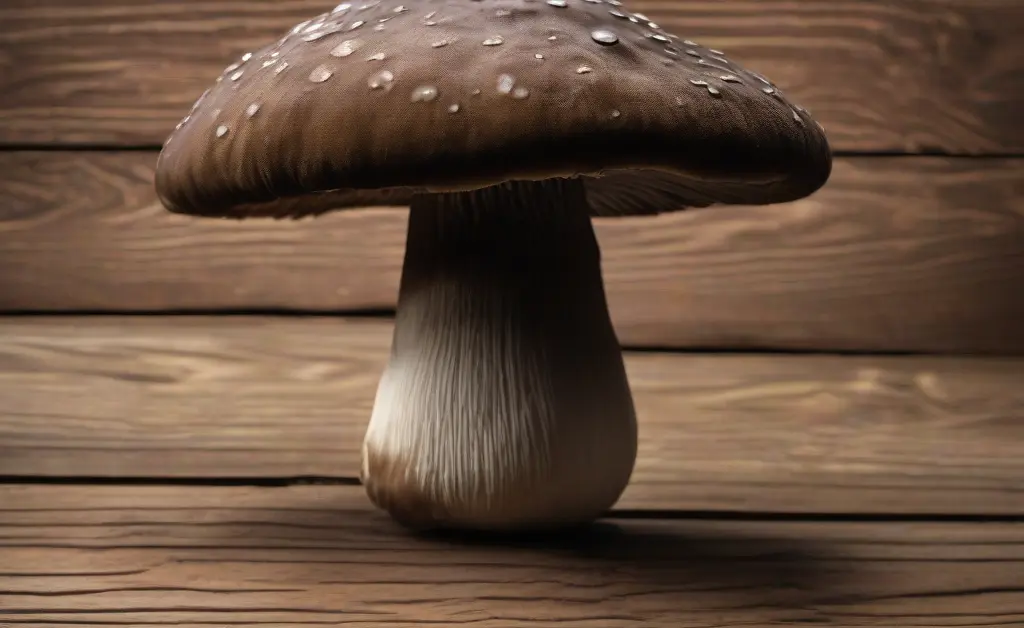
While portobello mushroom growing can be a rewarding experience, growers may encounter several common challenges. Understanding these issues and knowing how to address them is key to maintaining a healthy crop and achieving successful yields.
Temperature Management Issues
Temperature fluctuations or sustained incorrect temperatures are frequent problems. If the environment is too hot during colonization, it can encourage the growth of bacterial contaminants. If it’s too cold, mycelial growth will be slow or may stall entirely. During fruiting, temperatures outside the optimal range can prevent pinhead formation or cause mushrooms to abort. Solutions include using temperature-controlled grow areas, heating mats with thermostats for warmth, or small fans and evaporative cooling for reducing heat. Insulating your growing chamber can also help maintain stability.
Humidity and Moisture Control
Maintaining the right balance of humidity and moisture is crucial. Insufficient humidity, especially during fruiting, can lead to dry, cracked mushroom caps, stunted growth, or failure of pinheads to develop. Conversely, overly wet conditions can foster bacterial blotch, slime molds, or an overall unhealthy environment. Solutions involve regular misting with a fine spray, using humidifiers, or employing humidity domes or tents to trap moisture. Ensuring proper substrate moisture from the outset and providing adequate drainage can also prevent issues related to excessive wetness.
Pest and Contamination Problems
Pests like fungus gnats and mites can infest mushroom grows, while various molds (green, black, or blue) and bacteria are common contaminants. These issues often arise from unsanitary practices, unpasteurized/unsterilized substrate, or insufficient air filtration. Prevention is the best solution: rigorous sterilization/pasteurization of substrate, maintaining a clean growing environment, using filtered air, and handling spawn and substrate aseptically. For existing infestations, identifying the specific pest or contaminant allows for targeted, often non-toxic, interventions such as sticky traps for gnats or removal of affected substrate sections. Proper food safety regulations are important for understanding contamination risks. For information on food safety, consult the FDA.
Troubleshooting Stalled Growth
Sometimes, mycelial colonization or mushroom development might inexplicably stall. This can be due to a variety of factors, including insufficient fresh air exchange (CO2 buildup), nutrient depletion in the substrate, incorrect temperature or humidity, or even stress from handling. To troubleshoot, review all environmental parameters to ensure they fall within optimal ranges. Increasing fresh air by fanning or improving ventilation can often kickstart stalled fruiting. Re-evaluating the substrate’s nutritional content for subsequent grows, or ensuring a proper casing layer is applied, can also address potential issues contributing to stalled portobello mushroom growing.
Harvesting and Storing Your Portobello Mushrooms
After weeks of careful cultivation, the rewarding phase of harvesting and proper storage ensures you can enjoy your fresh, homegrown portobello mushrooms to their fullest.
When to Harvest Portobellos
Timing is crucial for harvesting portobello mushrooms to achieve optimal flavor, texture, and size. The ideal time to harvest is typically when the cap has fully expanded but before the veil (the membrane covering the gills on the underside of the cap) has completely detached and flattened out. If harvested too early, they may not have reached their full flavor potential; if harvested too late, the gills may release spores, and the texture can become less firm, though they are still edible. Observing the underside of the cap for the veil to just begin to break away is often the perfect indicator.
Proper Harvesting Techniques
To harvest portobello mushrooms, gently twist the mushroom at the base of the stem until it detaches from the substrate. Alternatively, you can use a clean, sharp knife to cut the stem as close to the substrate as possible. The goal is to remove the mushroom without disturbing the surrounding substrate too much, as this can damage the mycelium and potentially reduce subsequent flushes. Handle the mushrooms carefully to avoid bruising, which can affect their appearance and shelf life.
How to Store Fresh Portobellos
Once harvested, portobellos should be stored properly to maintain their freshness. The best way is to place them in a paper bag in the refrigerator. The paper bag helps absorb excess moisture while allowing the mushrooms to breathe, preventing them from becoming slimy or drying out too quickly. Avoid storing them in airtight plastic containers, as this can trap moisture and accelerate spoilage. Stored correctly, fresh portobello mushrooms can last for several days to about a week.
Preserving Portobello Mushrooms
If you have an abundant harvest, preserving portobello mushrooms is an excellent way to enjoy them for longer. Drying is a popular method; sliced mushrooms can be dried in a dehydrator or a low-temperature oven until brittle. Once dried, they can be stored in airtight containers and rehydrated later for cooking. Freezing is another option: you can either freeze them raw (though their texture may change slightly) or sauté them first, let them cool, and then freeze them in freezer-safe bags or containers. Preserving allows you to enjoy your homegrown bounty long after the initial harvest.
Embarking on the journey of cultivating portobello mushrooms at home is a deeply rewarding experience. From the initial preparation of the substrate to the exciting moment of harvest, each step offers unique insights into the fascinating world of fungi. While challenges may arise, patience, attention to detail, and a willingness to learn are your greatest assets. With the right knowledge and consistent effort, you can enjoy a continuous supply of fresh, flavorful portobello mushrooms, enhancing your culinary adventures and deepening your connection to the food you consume. Happy growing!
The information in this article is intended for knowledge purposes only. It is designed to provide general guidance and insights into the cultivation process. While every effort has been made to ensure accuracy, individual results may vary based on specific environmental conditions and practices. This content should not be taken as a definitive instruction manual for complex biological processes without further independent research and understanding of mycology.
FAQ
What temperature do portobello mushrooms need to grow?
Portobello mushrooms thrive in a moderate temperature range, typically between 70-75°F (21-24°C) during the colonization phase. After colonization, a slight drop in temperature to around 60-65°F (15-18°C) can encourage the development of fruiting bodies. Maintaining these conditions is key for successful cultivation.
How long does it take to grow portobello mushrooms?
The entire growth cycle for portobello mushrooms, from inoculation to harvest, generally spans 6 to 10 weeks. This timeline can vary depending on factors such as the spawn used, environmental conditions, and the specific strain of mushroom. Patience is a virtue when cultivating these fungi.
Can you grow portobello mushrooms from store-bought ones?
Growing portobello mushrooms from store-bought specimens is not typically feasible for home growers. Commercial mushrooms are often treated to prevent them from sporulating, and isolating viable mycelium from them is a complex process. It is generally more effective to start with specialized mushroom spawn.
What is the best substrate for growing portobello mushrooms?
Portobello mushrooms are commonly cultivated on a composted manure-based substrate, often supplemented with straw or other agricultural byproducts. This rich, nutrient-dense medium provides the ideal conditions for the mycelium to colonize and produce mushrooms. The precise formulation of the substrate is crucial for optimal portobello mushroom growing.