
A Forager’s Guide to Puffball Mushrooms
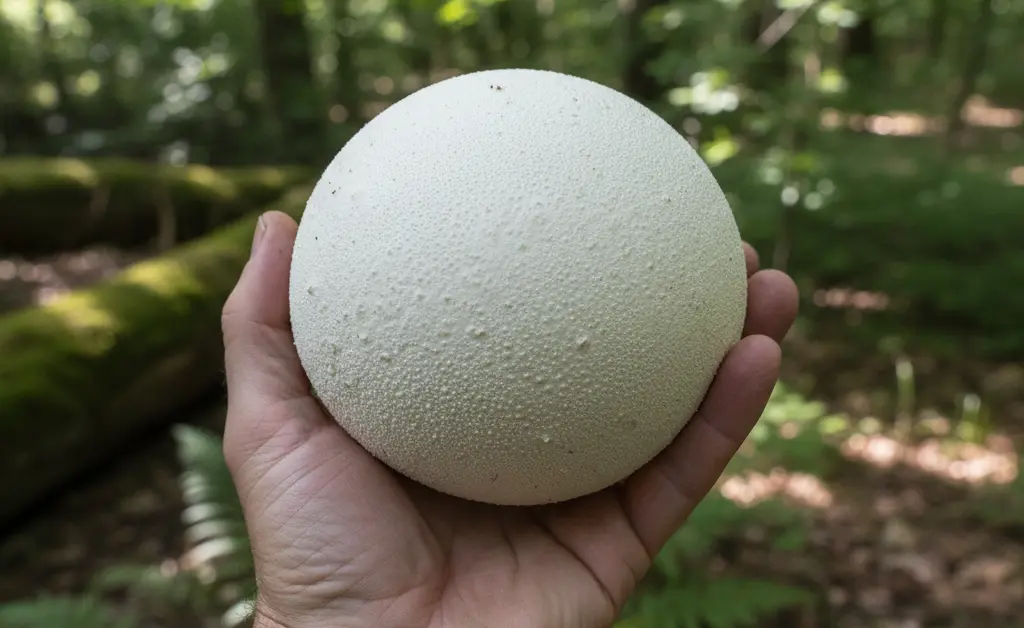
Many people walk past common wild fungi, unaware of their potential. This often means missing out on unique culinary experiences and the satisfaction of foraging. Learning to identify and safely prepare a puffball mushroom, however, can transform a simple walk in nature into a rewarding harvest. Instead of uncertainty about wild edibles, understanding the key characteristics of these distinctive fungi allows for confident identification and opens up a new realm of culinary possibilities. This guide provides the practical knowledge needed to confidently recognize, harvest, and enjoy various species, moving you from a casual observer to an informed forager who can integrate this versatile ingredient into their kitchen.
What is a Puffball Mushroom?
A puffball mushroom belongs to a group of fungi characterized by their spherical or pear-shaped fruiting bodies, which do not have an open cap with gills like many other mushrooms. Instead, their spores develop internally within a protective outer layer. When mature, these spores are released through a small opening or by the rupture of the outer casing, often appearing as a puff of dust—hence the name. They are a fascinating example of gasteroid fungi classification, a term used for fungi that produce spores inside an enclosed fruiting body.
Puffball Mushroom Growth Habits
Puffball mushrooms typically grow on the ground in grassy areas, fields, meadows, and sometimes in woodlands. Their growth habits vary by species, with some preferring rich soil and others decaying wood. These fungi play an important ecological role in nutrient cycling. Their life cycle and spore dispersal mechanism are quite unique; mature puffballs release millions of spores into the air, often with a gentle squeeze or impact, ensuring wide distribution. Some species can grow quite large, appearing suddenly after rainfall, and are often found alone or in small groups.
Types of Puffball Mushrooms
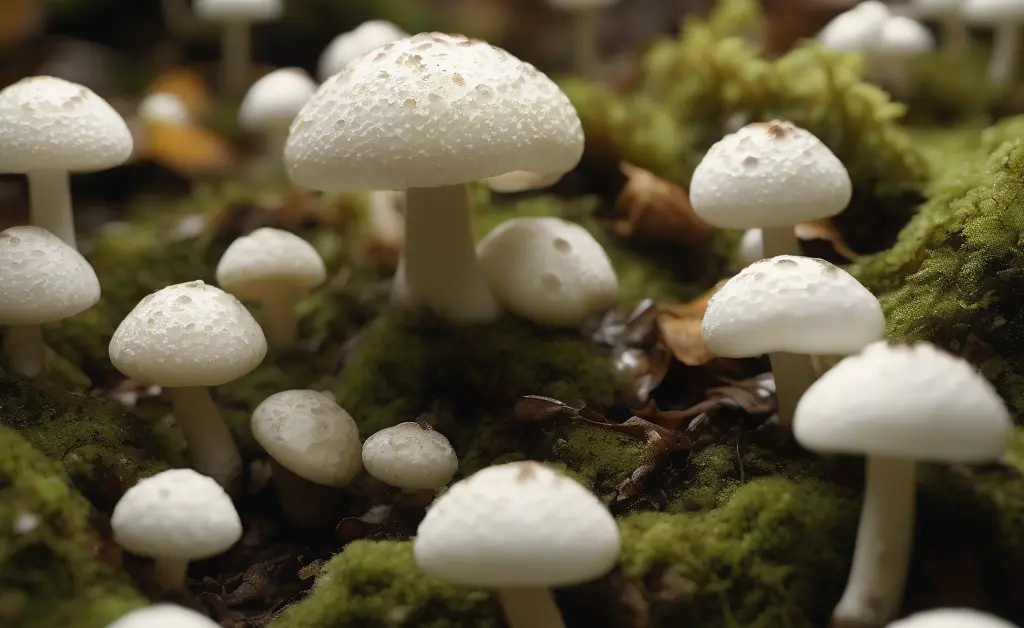
The world of puffball mushrooms is diverse, encompassing a range of shapes, sizes, and habitats. While they all share the common trait of producing internal spores, distinct features help differentiate between species.
Giant Puffball (Calvatia gigantea)
The Giant Puffball, scientifically known as Calvatia gigantea, is perhaps the most impressive of the puffball family, capable of growing to immense sizes, sometimes resembling a soccer ball or even larger. It typically appears in late summer and early autumn in grassy areas, meadows, and along forest edges. Its exterior is smooth, white, and leathery, and its interior flesh should be uniformly pure white and firm when young and edible. As it matures, the inside turns yellowish-green and eventually powdery brown with spores.
Common Puffball (Apioperdon pyriforme)
The Common Puffball, or Apioperdon pyriforme (formerly Lycoperdon pyriforme), is often found growing in dense clusters on decaying wood, stumps, or logs. Unlike many other puffballs that grow terrestrially, its preference for wood is a key identifying characteristic. These smaller puffballs are typically pear-shaped, with a whitish to light brown exterior, sometimes adorned with fine granules or spines. When young and edible, their interior is firm and white.
Pear-shaped Puffball
The Pear-shaped Puffball refers to the species Apioperdon pyriforme, which is covered in the previous section. It is specifically named for its distinct shape, tapering towards the base where it attaches to wood. Its small size, pear-like form, and preference for growing in clusters on dead wood make it easily recognizable among puffball varieties.
Other Notable Species
Beyond the giant and common varieties, several other puffball species are noteworthy. These include the Gem-studded Puffball (Lycoperdon perlatum), characterized by its distinctive “gems” or spines on its surface, and the Stalked Puffball (Calvatia craniiformis), which often has a sterile stalk-like base. Each possesses unique characteristics that aid in identification, from texture to growth pattern.
Common Puffball Mushroom Varieties
The term “common puffball mushroom varieties” often refers to the more frequently encountered species within the broader puffball group, including those that are generally considered edible when young. These include the Giant Puffball, the Pear-shaped Puffball, and various species within the Lycoperdon genus. Distinguishing between these varieties is crucial for safe foraging, as internal flesh color and texture are primary indicators of edibility.
Identification and Characteristics
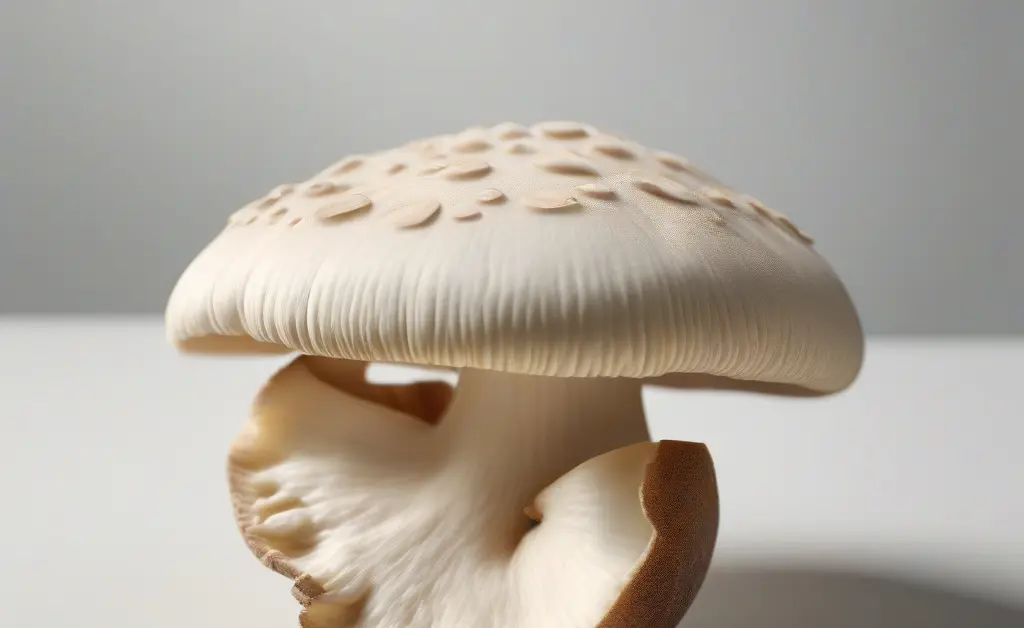
Accurate identification is paramount when foraging for any wild mushroom, and puffballs are no exception. Key characteristics to observe include their overall shape and size, the color and texture of their exterior, and most importantly, their internal structure. Edible puffballs will always have a solid, pure white interior flesh, similar to a marshmallow or tofu, with no indication of gills or any other internal structure. Any deviation, such as yellowish, greenish, or purplish discoloration, or the presence of gill structures, indicates it is either too old to eat, or it is a poisonous look-alike.
How to Identify Puffball Mushrooms
To safely identify a puffball mushroom, begin by examining its shape and size. Most edible puffballs are spherical, pear-shaped, or somewhat flattened. The color and texture of the exterior can range from smooth and white in giant puffballs to spiny or granular in others. The most critical step in identifying any puffball mushroom for consumption is to slice it open from top to bottom. A truly edible specimen will reveal a uniformly solid, pure white interior without any visible gills, dark discoloration, or insect damage. If you see any signs of developing gills or a yellowish or purplish tint, it is not a safe puffball mushroom to consume, as it could either be an immature poisonous mushroom or an over-mature puffball past its edible stage.
Edibility and Culinary Uses
Puffball mushrooms have been a culinary delight for foragers for generations, valued for their unique texture and ability to absorb flavors.
Can you eat a puffball mushroom?
Yes, many species of puffball mushrooms are edible and considered a delicacy when harvested at the correct stage. The most crucial rule for consuming any puffball mushroom is that its internal flesh must be uniformly pure white, firm, and entirely free of any discoloration or developing gill structures. If the flesh is yellowish, greenish, or shows any signs of forming gills, it is either too mature or is a poisonous mushroom look-alike and should not be eaten.
When are Puffballs Edible?
Puffballs are edible only when they are young and immature. At this stage, their interior is solid and pure white. As they age, the interior begins to turn yellowish, then greenish, and eventually brown, becoming a powdery mass of spores. Once this color change begins, the mushroom is no longer palatable and may cause digestive upset if consumed. Therefore, it’s essential to harvest them promptly after they appear and to inspect the internal flesh carefully before preparation.
Flavor Profile
The flavor profile of an edible puffball mushroom is generally mild, earthy, and sometimes described as nutty. Its texture is firm yet tender, often compared to tofu or a very dense marshmallow when cooked. This mild flavor makes it an incredibly versatile ingredient, as it readily absorbs the flavors of accompanying ingredients, spices, and sauces. It does not possess the strong umami notes of some other gourmet mushrooms but offers a satisfying bulk and unique texture to dishes.
Puffball mushroom benefits
The puffball mushroom, like many edible fungi, is recognized for its potential nutritional contributions. They are generally considered to be low in calories and a source of dietary fiber. Beyond their basic nutritional value, some studies have explored various compounds found in certain puffball species for their potential properties. While not a medicinal supplement, incorporating the puffball mushroom into a balanced diet can contribute to overall wellness. Historically, some cultures have also traditionally used puffballs in various ways, but it’s important to differentiate between traditional uses and verified health claims. For more information on potential benefits of natural supplements, you can explore natural suppliments.
Puffball Mushroom Recipes
Given their mild flavor and firm texture, puffball mushrooms are incredibly adaptable in the kitchen, making them a favorite for foragers and chefs alike. They can serve as a substitute for meat in vegetarian dishes or add a unique dimension to conventional meals.
Recipes and Serving Suggestions
Puffball mushrooms can be sliced and pan-fried with butter, garlic, and herbs until golden brown, creating a simple yet delicious side dish. They are also excellent when breaded and deep-fried, offering a crispy exterior and tender interior, similar to schnitzel. Cubed puffballs can be added to stir-fries, stews, or soups, where they soak up the flavors of the broth and other ingredients. Some popular approaches include puffball “steaks” (large slices fried until tender), or incorporating them into omelets, quiches, or pasta dishes. Their versatility allows for creative culinary exploration. You can find many delicious puffball mushroom recipes to try.
Harvesting and Storage
Proper harvesting and storage techniques are crucial for enjoying puffball mushrooms at their best and for extending their freshness.
Best Time to Harvest
The best time to harvest puffball mushrooms is when they are young, firm, and their internal flesh is uniformly pure white. This typically occurs in late summer and early autumn, often a few days after a good rain. Giant puffballs, in particular, can appear seemingly overnight. Regular checks of known growing areas after rainfall can increase your chances of finding them at their prime.
How to Harvest Safely
When harvesting, gently twist the puffball from its base or use a sharp knife to cut it at ground level. Always check the interior by slicing it open immediately to confirm it’s pure white and free of any developing gills or discoloration. This ensures you are not mistakenly taking an immature poisonous mushroom or an over-mature, inedible puffball. It is recommended to leave any specimens that are discolored, soft, or buggy.
Proper Storage Techniques
Fresh puffball mushrooms are best consumed as soon as possible after harvesting. If immediate consumption isn’t possible, they can be stored in the refrigerator for a few days. Place them in a paper bag or a breathable container to allow for air circulation and prevent moisture buildup, which can cause them to spoil quickly. Avoid storing them in plastic bags, as this traps moisture. For longer storage, puffballs can be sliced, blanched, and then frozen, or they can be sautéed and frozen, which preserves their texture and flavor for future use.
Potential Look-Alikes and Safety Precautions
Foraging for wild mushrooms always carries inherent risks, and misidentification can lead to serious consequences. It is essential to be aware of potential look-alikes and to practice extreme caution.
Puffball mushroom poisonous look alike
The most dangerous puffball mushroom poisonous look alike is the immature Death Cap (Amanita phalloides) or other toxic Amanita species, which, in their button stage, can appear somewhat round and solid before their cap and gills expand. Slicing any suspected puffball open is the definitive way to differentiate. If you see even the faintest outline of gills or a cap structure, or any color other than pure white flesh, it is NOT a true puffball mushroom and should be discarded immediately. Additionally, some earthballs (Scleroderma spp.), which are toxic, can resemble puffballs, but they will have a tough, leathery exterior and a dark, purplish-black interior even when young, distinguishing them from edible puffballs. When considering foraging, it’s important to remember that some puffball species are specific to certain regions, like finding puffball mushroom louisiana has.
Puffball mushroom poisonous
While many puffball mushroom species are edible, a puffball can become “poisonous” in practical terms if consumed when past its prime or if it’s actually a toxic look-alike. When a true puffball ages, its pure white interior turns yellowish, then green, and eventually powdery brown. Consuming it at this stage, while not typically lethal, can cause digestive upset. More critically, as mentioned, certain deadly Amanita species can appear as small, round “buttons” before their characteristic cap and gills emerge. If an immature Amanita is mistaken for a puffball and eaten, it can lead to severe poisoning, including liver failure. Therefore, the absolute rule for safe foraging of any puffball mushroom is to always slice it open and confirm a solid, pure white interior with no sign of gills or discoloration. For reliable health information, consult the NHS.
Foraging Puffball Mushrooms
Foraging for puffball mushrooms can be a deeply satisfying activity, connecting you with nature and providing a fresh, unique ingredient for your kitchen. Successful foraging requires patience, a keen eye, and a commitment to safe identification practices. Always carry a field guide and consider foraging with an experienced guide if you are new to the activity. Remember to forage responsibly, leaving some specimens behind to ensure future growth and spore dispersal, and respect private property.
Cooking Methods
The versatile nature of puffball mushrooms lends itself to a variety of cooking methods. Slicing them into thick “steaks” allows for pan-frying or grilling, often enhanced with butter, oil, and herbs until golden brown. Smaller pieces can be sautéed and incorporated into scrambles, stir-fries, or pasta sauces. They can also be cubed and roasted with vegetables, or even breaded and deep-fried for a crispy texture. Because of their mild flavor, they readily absorb seasonings, making them an excellent canvas for diverse culinary creations. Other related mushrooms like maitake mushroom also offer unique culinary possibilities.
Exploring the world of puffball mushrooms offers both culinary delight and the adventure of foraging. With careful identification and respect for nature’s bounty, these unique fungi can become a cherished addition to your table. Always prioritize safety and ensure thorough identification before consuming any wild mushroom. Embrace the journey of learning and discovery, and savor the distinct taste and texture that puffball mushrooms bring to your dishes. Other mushrooms like morel mushroom are also popular for foraging. It is worth noting that puffball mushrooms can be found in various regions worldwide, including puffball mushroom germany.
This material is shared for educational insight, not for clinical decision-making. Information about mushrooms, including their edibility and potential uses, is presented for general knowledge. It is crucial to exercise extreme caution and consult with verified field guides or experienced experts before consuming any wild mushroom, as misidentification can lead to severe health consequences. This content does not provide medical advice, diagnosis, or treatment recommendations.
FAQ
Are all puffball mushrooms edible?
Not all puffball mushrooms are edible, and it’s crucial to correctly identify any mushroom before consumption. Some species can be toxic or cause gastrointestinal distress. Accurate identification is key to safety.
What do puffball mushrooms taste like?
Young, firm puffball mushrooms have a mild, sometimes slightly sweet flavor often compared to tofu or mild cheese. Their texture is dense and smooth when cooked, making them versatile in various dishes.
What do puffball mushrooms look like?
Puffball mushrooms are characterized by their unique, spherical or oval shape and typically lack distinct stems and caps found in many other mushroom varieties. Their interior is uniformly firm and white when immature, developing into powdery spores as they mature.
How do you cook puffball mushrooms?
Puffball mushrooms are best prepared when they are young and firm, often by slicing them into “steaks” or cubes. They can be pan-fried, sautéed, baked, or breaded and fried, absorbing flavors well.
Are puffball mushrooms safe to eat?
Puffball mushrooms are generally safe to eat when they are young, firm, and pure white throughout their interior. Any signs of discoloration, such as yellowing or browning, indicate maturity and potential spoilage, making them unsafe for consumption.
What is the difference between a puffball mushroom and a regular mushroom?
The primary difference lies in their internal structure and spore dispersal. Unlike conventional mushrooms with gills under a cap, puffballs have their spores contained internally, releasing them in a powdery cloud when mature.
Where do puffball mushrooms grow?
Puffball mushrooms can be found in a variety of habitats, including grasslands, meadows, forests, and even lawns. They often prefer moist, shaded areas but can also thrive in more open, sunlit environments depending on the species.