
A Forager’s Guide to German Puffball Mushrooms
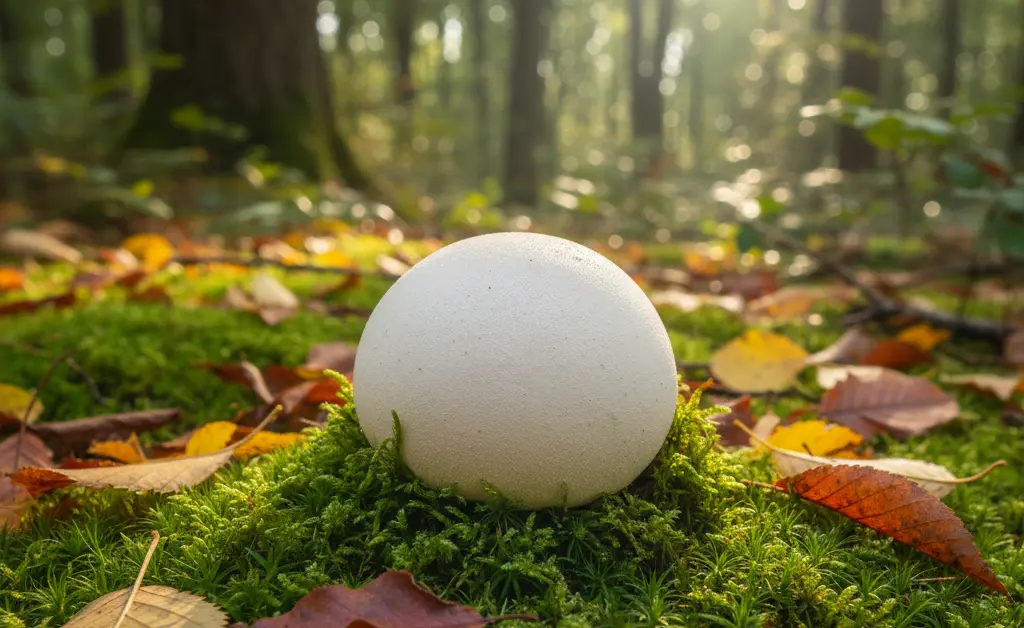
Many foraging enthusiasts believe that any large, white, round fungus found in the forest is a safe and delectable puffball mushroom. However, this common assumption can lead to dangerous misidentifications. While some puffball varieties are indeed prized edibles, particularly in regions like Germany, distinguishing them from potentially toxic look-alikes is paramount for safe consumption. This guide aims to dispel common myths surrounding these fascinating fungi, offering comprehensive insights into identifying, locating, and safely enjoying puffball mushroom. We will cover key identification features for common species, outline their typical habitats, discuss critical safety considerations, and provide best practices for harvesting and preparing these unique culinary treasures, ensuring a rewarding and secure foraging experience.
Puffball Mushroom Identification in Germany
Identifying puffball mushrooms accurately in Germany is crucial for safe foraging. True puffballs are generally characterized by their enclosed, spore-producing body, lacking an open cap and gills typical of many other mushrooms. Instead, their spores develop internally within a sac-like structure. Key features often include a spherical, pear-shaped, or sometimes club-shaped fruiting body, a firm texture when young, and a consistent, pure white interior flesh. As they mature, this internal flesh often changes color and texture, eventually becoming powdery spores. Understanding these general characteristics is the first step in distinguishing edible puffballs from potentially harmful species found in the diverse German landscape, making accurate identification of puffball mushroom germany an essential skill for any enthusiast.
Giant Puffball (Calvatia gigantea)
The Giant Puffball, known scientifically as Calvatia gigantea, is perhaps the most recognizable and sought-after puffball species. It can grow to impressive sizes, often resembling a large soccer ball, and can sometimes reach diameters of over 50 centimeters. Its exterior is typically smooth and white or off-white, feeling somewhat like soft leather. Internally, a healthy, young Giant Puffball is uniformly white, firm, and resembles marshmallow or cheese in texture. This consistent white interior, without any visible gills, patterns, or discoloration, is the primary indicator of its edibility. As it ages, the internal flesh begins to yellow, then turn greenish-brown and powdery, at which point it is no longer suitable for consumption.
Common Puffball (Lycoperdon perlatum)
The Common Puffball, or Lycoperdon perlatum, is another frequently encountered species in Germany. Unlike its giant counterpart, this puffball is much smaller, typically pear-shaped or spherical, usually ranging from 2 to 7 centimeters in diameter. Its surface is often covered with small, wart-like spines or granules that can be easily rubbed off, giving it a somewhat prickly appearance when fresh. The color can vary from white to off-white or tan. Similar to the Giant Puffball, its internal flesh must be entirely white and firm for it to be considered edible. Any signs of yellowing, greenish tints, or a purple/black interior indicate maturity or misidentification, rendering it unsafe for consumption.
Other Notable Species
Beyond the Giant and Common Puffballs, Germany is home to several other noteworthy puffball species. These include various species within the Lycoperdon genus, as well as the somewhat larger Bovista genus. While many of these smaller puffballs share similar edible qualities when young and firm with pure white interiors, it is vital to exercise caution. Some smaller puffballs might be confused with immature death caps or other poisonous fungi that begin their life encased in a universal veil. Therefore, strict adherence to the rule of a perfectly white, uniform interior, free of any internal gill structures or darkening, is paramount for any puffball intended for consumption. Always consult multiple reliable identification resources for lesser-known species.
Where to Find Puffball Mushrooms in Germany
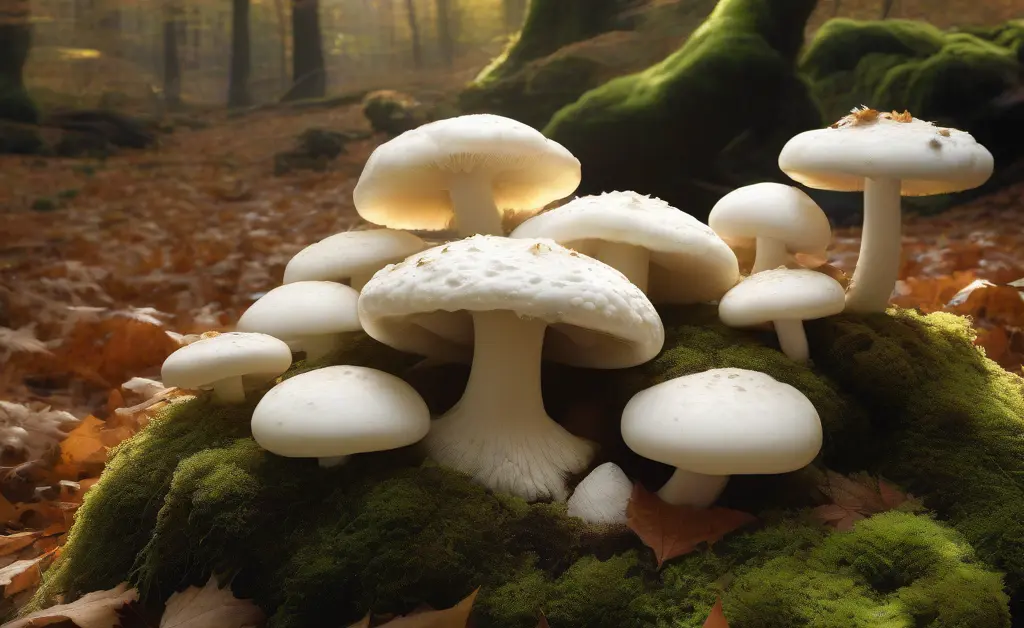
Puffball mushrooms in Germany are often found in a variety of habitats, showcasing their adaptability. Giant Puffballs (Calvatia gigantea) frequently prefer disturbed grounds, meadows, pastures, and open woodlands, especially near nutrient-rich soil. They can often be seen growing in rings or scattered across grassy areas, sometimes even appearing in gardens or along roadsides. Their appearance is generally from late summer through autumn, peaking during September and October. Common Puffballs (Lycoperdon perlatum) are more commonly found in forests, growing both on the ground and occasionally on decaying wood. They thrive in deciduous and coniferous forests alike, typically emerging from summer through late autumn. Other puffball species may inhabit similar environments, often preferring the rich, moist soil found near riverbanks or in clearings within wooded areas. Seasonal availability can vary slightly depending on regional weather patterns, but late summer and autumn are typically the most productive times to forage for puffball mushroom germany, after significant rainfall.
Edibility and Safety of German Puffballs
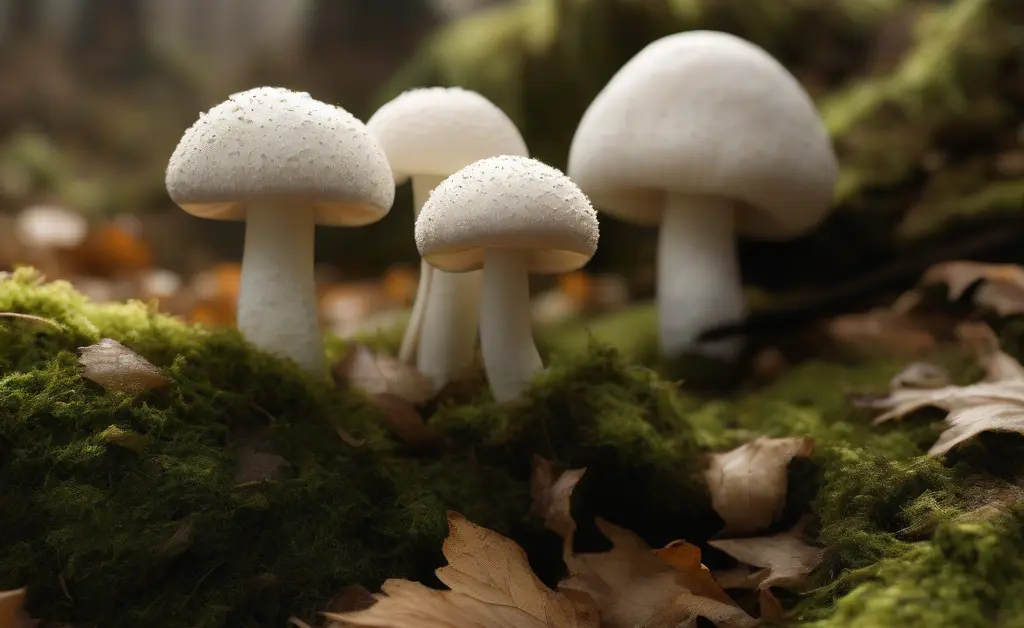
The edibility of puffball mushrooms found in Germany is highly conditional and depends entirely on their developmental stage and accurate identification. When properly identified and harvested young, many puffball species are considered choice edibles, prized for their mild flavor and firm texture. However, the critical safety rule revolves around the internal characteristics of the mushroom. Any uncertainty about identification or internal appearance should lead to discarding the specimen. It is always recommended to forage with an experienced guide or to cross-reference with several field guides when starting out. Understanding these safety aspects is key to safely enjoying puffball mushroom germany.
When are Puffballs Edible?
Puffballs are considered edible only when they are young, firm, and, most importantly, possess a uniformly pure white interior flesh. The internal color and consistency are the most critical indicators. When sliced open, the mushroom should reveal solid, unblemished white flesh, similar in appearance to a block of tofu or fresh mozzarella. There should be no yellowing, greenish discoloration, brown spots, or any hint of internal gill formations or embryonic mushroom shapes. Any sign of yellowing indicates that the spores are beginning to mature, which can lead to a less palatable, often bitter taste and potential digestive upset. Once the interior starts to turn olive green, brown, or black, it signifies that the spores have matured, and the mushroom is no longer suitable for consumption.
Risks of Misidentification
The primary risk associated with foraging puffball mushrooms is misidentification. While mature puffballs are distinct, young puffballs, particularly the smaller varieties, can be mistaken for the “eggs” of highly poisonous fungi, such as the Death Cap (Amanita phalloides) or other Amanita species, or even young stinkhorns. These deadly mushrooms, when very young, are encased in a universal veil and can appear as a white, egg-like structure, somewhat resembling a small puffball. However, slicing them open will reveal the developing gills, cap, and stem of the mushroom inside, which is never present in a true puffball. Another risk is mistaking puffballs for Earthballs (Scleroderma spp.), which are toxic and have a firm, blackish-purple interior from a very young age.
Potential Toxic Look-alikes
Distinguishing true puffballs from their toxic look-alikes is a non-negotiable step for safe foraging. The most dangerous confusion arises with the “egg” stage of deadly Amanita species. A cross-section of a young Amanita will reveal the distinct outline of the developing cap, gills, and stem, often with a slight discoloration. A puffball, in contrast, will be uniformly white and solid throughout. Earthballs (Scleroderma citrinum and other species) are another common look-alike. While superficially similar to puffballs on the exterior (often yellowish to brownish with a tough skin), a cut section immediately reveals their characteristic dark, purplish-black, or gray interior, which is often marbled with white veins, and a leathery texture. Earthballs are toxic and can cause severe gastrointestinal distress. Always cut open every single puffball you intend to consume to ensure its interior is pure white and solid, with no signs of internal structure or dark discoloration. Further scientific insights can be found through resources like Cochrane Library.
Harvesting and Storing Puffball Mushrooms
Proper harvesting and storage techniques are essential to preserve the quality and extend the shelf life of puffball mushrooms. Careful handling ensures that the delicate flesh remains intact and uncontaminated. Whether you are planning to consume them immediately or store them for later, following best practices will help you make the most of your puffball mushroom germany harvest.
Best Practices for Harvesting
When harvesting puffball mushrooms, always ensure they are in their prime condition: firm to the touch and uniformly white inside. Use a clean, sharp knife to cut the mushroom at its base, leaving the root structure in the ground to encourage future growth. Avoid pulling them directly, as this can damage the mycelial network. Gently brush off any excess dirt or debris in the field; do not wash them until you are ready to prepare them. Place harvested puffballs in a breathable container, such as a wicker basket or mesh bag, to prevent them from sweating and spoiling. Plastic bags are not recommended for transport as they can trap moisture and accelerate decay.
Preparation for Consumption
Before consumption, carefully examine each puffball. Discard any that show signs of yellowing, discoloration, or insect damage. Peel the outer skin of larger puffballs, as it can sometimes be tough or harbor debris. Smaller puffballs may not require peeling if their skin is thin and clean. Slice the puffball into desired thicknesses, typically half an inch to an inch thick, depending on your culinary application. Once sliced, you can lightly rinse them under cool water if necessary, but avoid prolonged soaking, as mushrooms absorb water easily, which can affect their texture and flavor. They are then ready for cooking, whether pan-fried, baked, or added to various dishes.
Storage Methods
Fresh puffball slices can be stored in the refrigerator for a few days. Place them in a paper bag or wrap them loosely in a paper towel within an airtight container to absorb excess moisture. For longer-term storage, puffballs can be frozen. It is best to slice them and then sauté them lightly in butter or oil before freezing. Once cooked and cooled, spread them in a single layer on a baking sheet to flash freeze, then transfer the frozen slices to freezer-safe bags or containers. This method helps maintain their texture. Another option for preserving puffballs is drying, though this often works better for thinner slices and may alter their texture, making them suitable for rehydrating in soups or stews.
The journey of foraging for puffball mushrooms in Germany offers a unique connection to nature and a delicious culinary reward. By meticulously following identification guidelines, respecting foraging ethics, and prioritizing safety, enthusiasts can confidently enjoy these distinctive fungi. Remember that responsible harvesting practices not only ensure a sustainable supply but also protect the delicate ecosystems where these treasures thrive. With proper care from field to plate, German puffballs can become a highlight of your seasonal culinary adventures, providing a truly rewarding experience for any wild food enthusiast.
The content presented here is not a substitute for professional medical guidance. This information is provided for educational and informational purposes only and is not intended to be medical advice. Always consult with a qualified healthcare professional or a certified mycologist for any health concerns or before consuming wild mushrooms. Reliance on any information provided in this article is solely at your own risk.
FAQ
What do puffball mushrooms look like in Germany?
Puffball mushrooms in Germany are characterized by their typically round or oval shape, with a distinct fruiting body that lacks a stem and gills. Their exterior is usually smooth or slightly textured, and as they mature, they release powdery spores from an internal cavity. The size can vary significantly depending on the species.
Are puffball mushrooms found near rivers in Germany?
Many puffball mushroom species in Germany can be found in damp environments, which often include areas near rivers and streams. They often grow in meadows, forests, and sometimes even on cultivated land, favoring soil rich in organic matter. The presence of moisture is generally a key factor for their successful growth.
How can I identify a puffball mushroom in Germany?
Identifying a puffball mushroom in Germany involves looking for its distinctive spherical or pear-shaped form without a visible stem or cap. A crucial characteristic is that when cut open, the interior should be uniformly white and solid, free from any developing gills or distinct cap structures. The external texture and size can also aid in distinguishing different puffball types.
Are German puffballs edible?
Some puffball mushrooms found in Germany are indeed edible and considered a delicacy by foragers. However, it is critically important to be certain of the identification, as some toxic mushrooms can be mistaken for young puffballs. Only immature puffballs with a completely white, solid interior are considered safe to eat.
What is the difference between a puffball and an earthball in Germany?
The primary difference between a puffball and an earthball in Germany lies in their internal structure and spore color when mature. Puffballs, when young and edible, have a uniformly white and solid interior, while earthballs (genus Scleroderma) have a dark, often purplish or black interior with powdery spores, even when immature. The exterior of earthballs is also typically tougher and more leathery than that of most edible puffball varieties.