
Equipping Your Commercial Mushroom Farm
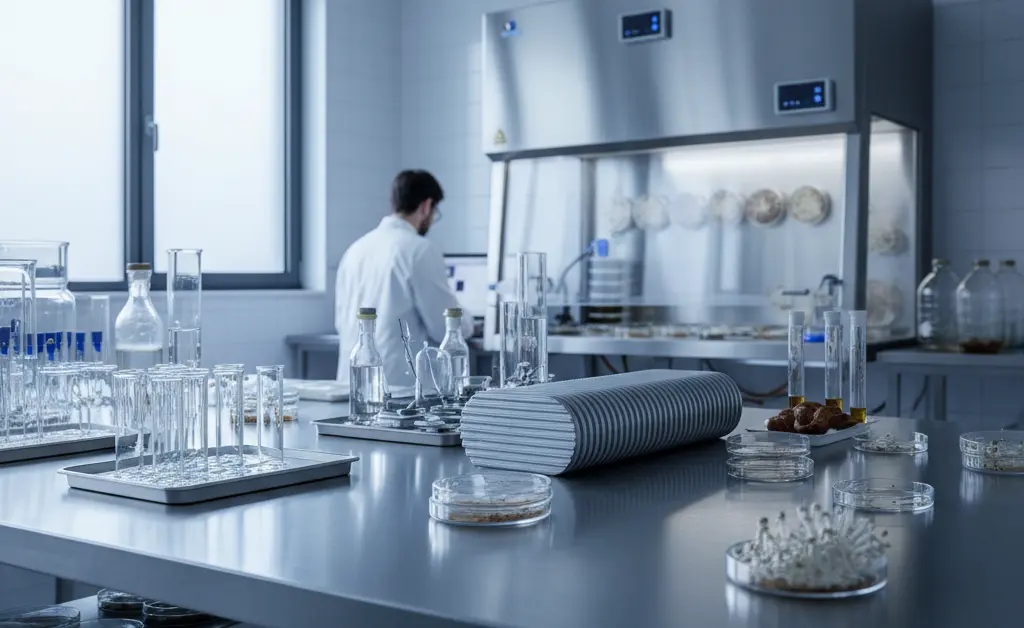
What does it truly take to successfully grow mushrooms on a larger scale, moving beyond hobbyist efforts? Commercial mushroom farming requires precision, control, and the right tools to ensure consistent yields and quality. From substrate preparation to environmental management, every stage of cultivation benefits immensely from specialized machinery. This guide explores the diverse range of mushroom cultivation equipment essential for aspiring and established growers. Understanding these tools is key to optimizing your operations, minimizing contamination risks, and achieving efficient production. We will delve into everything from basic necessities to advanced automated systems, helping you build a robust and productive commercial mushroom farm.
Understanding Mushroom Cultivation Equipment
Venturing into commercial mushroom cultivation demands a thoughtful approach to tooling. Unlike hobbyist endeavors that might rely on improvisation, large-scale operations require specialized solutions to ensure consistency, efficiency, and scalability. The right mushroom cultivation equipment is not merely a convenience; it’s a critical investment that directly impacts yield, quality, and profitability. Properly selected tools minimize labor, reduce the risk of contamination, and create optimal environmental conditions for mycelial growth and fruiting. A well-designed mushroom cultivation system integrates various components seamlessly, from sterile inoculation areas to environmental controls, creating a streamlined production line. Understanding the purpose and function of each piece of equipment is fundamental to building a successful and sustainable commercial farm.
Essential Mushroom Cultivation Equipment
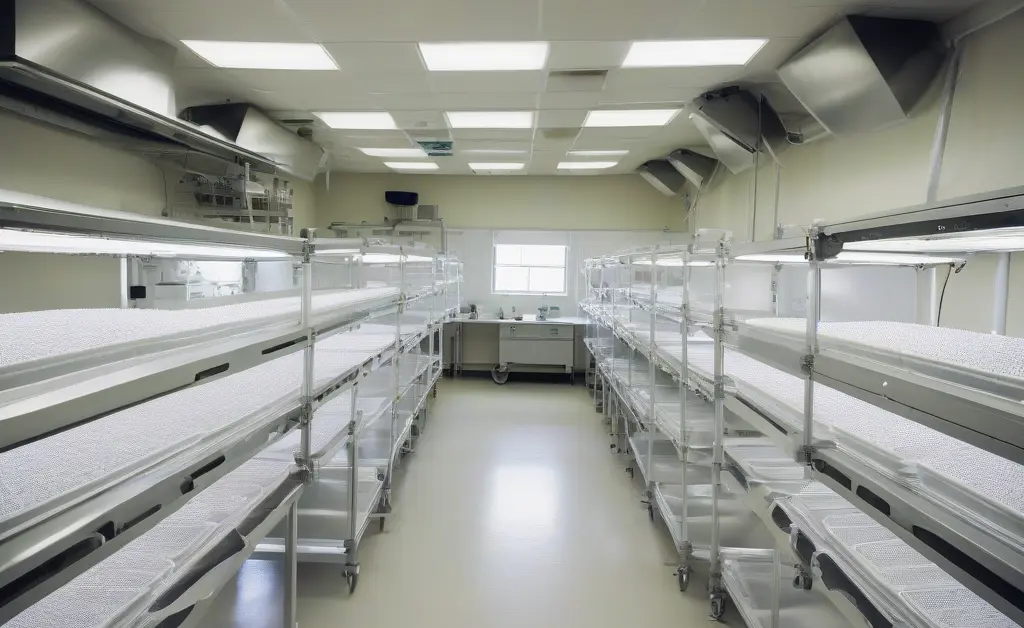
For any commercial mushroom farm, certain pieces of equipment form the backbone of operations, ensuring sterile conditions and efficient handling of bulk materials. These tools are indispensable for maintaining quality and preventing common pitfalls like contamination.
Mushroom Grow Bags
Mushroom grow bags are fundamental containers used for colonizing substrate with mycelium and often for the subsequent fruiting process. These specialized bags are typically made from durable, autoclavable polypropylene and feature micro-filters that allow for gas exchange while preventing contamination. They are crucial for creating an optimal environment for mycelium to thrive, offering protection from airborne pathogens. For commercial operations, using bulk mushroom cultivation allows for efficient substrate preparation, sterilization, and inoculation on a larger scale, standardizing the growth environment for consistent yields across batches. Their design facilitates proper hydration and airflow, which are vital for healthy development from spawn to mycelium and eventually to fruiting bodies.
Flow Hoods and Laminar Flow Benches
Sterility is paramount in mushroom cultivation, particularly during the inoculation and transfer stages. Flow hoods, also known as laminar flow benches, provide an ultra-clean workspace by filtering air through a HEPA filter, producing a continuous stream of sterile air. This prevents airborne contaminants, such as mold spores or bacteria, from settling on sterile media or cultures. A horizontal flow hood pushes air directly towards the operator, while a vertical flow hood directs air downwards. Both types create an aseptic zone, drastically reducing the risk of contamination during critical procedures like transferring mycelial cultures, inoculating grain spawn, or working with agar plates. This equipment is a non-negotiable item for any commercial farm aiming for consistent, high-quality production.
Sterilizers and Autoclaves
To ensure that substrates are free from competing microorganisms, effective sterilization is essential. Sterilizers and autoclaves are crucial pieces of equipment that use heat and pressure to eliminate bacteria, fungi, and spores from substrates, tools, and containers. Autoclaves are pressure cookers designed for industrial use, capable of reaching high temperatures and pressures necessary for thorough sterilization techniques. They are indispensable for preparing large volumes of substrate, such as grains or sawdust blocks, by creating a clean slate for the desired mushroom mycelium to colonize without competition. Proper sterilization extends shelf life and dramatically reduces instances of contamination, safeguarding valuable cultures and ensuring healthy growth. For any commercial endeavor, reliable sterilizers are central to maintaining product integrity and farm productivity. The European Food Safety Authority (EFSA) provides guidance on food safety, which is relevant to commercial food production. EFSA also offers insights into best practices.
Advanced Mushroom Cultivation Equipment
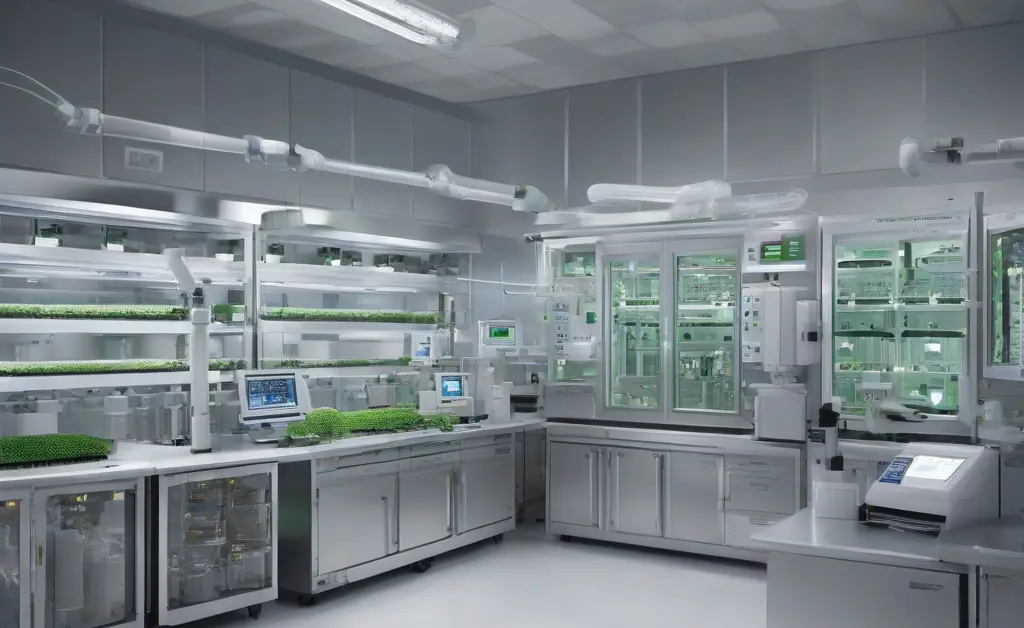
As commercial mushroom farms scale up, advanced mushroom cultivation equipment becomes instrumental in optimizing environmental controls, automating processes, and enhancing overall efficiency. These sophisticated tools move beyond basic necessities to provide precision and consistency across large-scale operations.
Incubators and Environmental Control
After inoculation, mycelium requires specific conditions for optimal colonization. Incubators provide a controlled environment where temperature, and sometimes humidity, can be precisely maintained. For commercial settings, large walk-in incubators or dedicated incubation rooms equipped with sophisticated environmental control systems are common. These systems regulate temperature control, humidity, and even CO2 levels to encourage robust mycelial growth and prevent premature fruiting. Precise environmental control minimizes stress on the mycelium, leading to stronger colonization and ultimately, better yields. Investing in reliable incubation and environmental control equipment is crucial for consistent production cycles and maximizing the potential of each substrate block. Consider specialized mushroom cultivation humidifier units for precise humidity control.
Automated Monitoring Systems
Manual monitoring of environmental parameters in a large facility can be labor-intensive and prone to error. Automated monitoring systems offer a solution by continuously tracking critical factors such as humidity, temperature, air exchange rates, and CO2 concentrations within growing chambers. These systems often include sensors, data loggers, and software interfaces that provide real-time data and alerts. Some advanced setups can even integrate with environmental control systems to automatically adjust conditions as needed. By providing precise, continuous data, automated monitoring helps identify potential issues early, optimize growing conditions, and streamline decision-making, contributing significantly to improved consistency and yield across the farm.
Specialized Substrate Preparation Tools
Preparing large quantities of substrate efficiently and uniformly is a key challenge in commercial mushroom farming. Specialized substrate preparation tools are designed to streamline this process, ensuring consistency in texture, moisture content, and nutrient distribution. This can include industrial-grade shredders for breaking down wood or straw, large mixers for combining various substrate components and supplements, and automated baggers or block presses for filling grow bags or forming substrate blocks. These tools reduce manual labor, increase throughput, and ensure that each batch of substrate is uniformly prepared, which is vital for consistent mycelial colonization and fruiting. Efficient substrate preparation is a cornerstone of productive commercial mushroom cultivation, enabling higher volumes and better quality output.
Fruiting Chambers
Fruiting chambers are dedicated spaces engineered to provide the precise environmental conditions necessary for mushrooms to transition from mycelial colonization to the production of fruiting bodies. These specialized rooms or enclosures are among the most critical pieces of mushroom cultivation equipment, as they control the final stage of the growth cycle. Key environmental factors meticulously managed within fruiting chambers include humidity, temperature, fresh air exchange, and light cycles. High humidity levels are typically maintained to prevent the drying out of developing mushrooms, while specific temperatures encourage the growth of particular species. Constant fresh air exchange is vital to dissipate the CO2 produced by the growing mushrooms, triggering proper cap and stem formation. Some systems may also incorporate specific light wavelengths and schedules to further optimize development. By precisely regulating these parameters, fruiting chambers ensure consistent mushroom quality, size, and yield, directly impacting a farm’s market viability.
Choosing the Right Mushroom Cultivation Equipment for Your Needs
Selecting the appropriate mushroom cultivation equipment is a pivotal decision that shapes the success and scalability of your commercial farm. Several factors must be carefully considered to ensure your investment aligns with your operational goals. The Scale of Operation is paramount; a small, boutique farm will have different needs than a large-scale industrial facility. Your Budget Considerations will dictate the level of automation and sophistication you can afford, but remember that investing in quality often pays off in reduced labor and increased yields. The Specific Mushroom Species you plan to grow will also heavily influence equipment choices, as different species have unique environmental and substrate requirements. For example, oyster mushrooms thrive in different conditions than shiitake or reishi. It’s essential to research the best mushroom-growing supplies for your application, focusing on durability, efficiency, and ease of maintenance. Ultimately, understanding what do you need for mushroom cultivation involves a holistic assessment of your vision, resources, and the specific demands of your chosen fungi. Don’t be afraid to customize your approach, as a tailored setup using the right mushroom cultivation equipment can significantly enhance productivity.
Maintenance and Sterilization of Mushroom Cultivation Equipment
The longevity and efficiency of your mushroom cultivation equipment hinge significantly on diligent maintenance and effective sterilization practices. Implementing robust Cleaning Protocols is not merely good practice; it’s a critical preventative measure against contamination, which can devastate entire crops. Regular cleaning of all surfaces, tools, and grow areas helps to eliminate residual organic matter and spores that could harbor unwanted fungi or bacteria. Beyond daily cleaning, a comprehensive Preventative Maintenance schedule for machinery such as sterilizers, HVAC systems, and automated controls is essential to ensure they operate at peak performance. This includes routine checks, lubrication, and replacement of worn parts to avoid unexpected breakdowns that could halt production. Furthermore, rigorous Sterilization Techniques must be applied consistently to all substrates, containers, and tools that come into contact with mycelium or fruiting bodies. This typically involves heat and pressure, often with an autoclave, to eliminate competing microorganisms. By prioritizing the maintenance and sterilization of your mushroom cultivation equipment, you safeguard your investment, ensure product quality, and maintain a high level of operational reliability for your commercial mushroom farm.
Mushroom Cultivation Equipment Customized
Every commercial mushroom farm has unique characteristics, from its physical layout and available resources to the specific mushroom species cultivated and desired production volume. Consequently, a one-size-fits-all approach to mushroom cultivation equipment is rarely optimal. Many growers find significant advantages in customizing their setups to perfectly align with their operational needs. This might involve designing bespoke fruiting chambers that integrate seamlessly into an existing building structure, or commissioning specialized substrate mixers and baggers tailored to specific substrate recipes and bag sizes. A customized mushroom cultivation machine, for instance, might combine several functions into one unit, streamlining processes and saving space. Understanding what parts are needed for a a mushroom cultivation system and then adapting them to your particular context allows for maximum efficiency, optimized resource utilization, and a competitive edge. This personalized approach ensures that every component, from environmental controls to handling systems, works in harmony to support your farm’s unique production goals and challenges.
The journey from a small-scale mushroom enthusiast to a commercial grower is marked by the strategic acquisition and implementation of specialized equipment. From the foundational sterility provided by flow hoods and sterilizers to the advanced environmental controls and automated systems, each piece of mushroom cultivation equipment plays a vital role in ensuring consistent yields, superior quality, and operational efficiency. Investing wisely in the right tools, tailored to your specific needs and maintained diligently, is not just about growing mushrooms; it’s about cultivating a thriving and sustainable commercial enterprise. Embracing both essential and advanced technologies will empower your farm to meet market demands and achieve long-term success in the competitive world of mushroom production.
not applicable
FAQ
What are the basic tools needed for mushroom cultivation?
For growing mushrooms, you generally need items for preparing a substrate, ensuring sterility during inoculation, and maintaining the right environmental conditions for growth. This often includes materials for a growing medium, a pressure cooker or sterilizer, an inoculation chamber, and equipment to control temperature and humidity. These fundamental tools support the various stages of mushroom development from spore to fruit.
Where can I buy mushroom cultivation equipment?
Dedicated online retailers that cater to mycologists and home growers are primary sources for specialized mushroom cultivation equipment. You might also find a selection of useful items at general gardening supply stores or agricultural suppliers, particularly for environmental control. Online marketplaces provide a broad assortment of tools and materials suitable for various stages of the cultivation process.
What is the best equipment for starting a mushroom farm?
The “best” equipment for starting a mushroom farm often depends on your chosen scale and specific mushroom species. For beginners, reliable sterilization methods like a pressure cooker, a clean inoculation environment such as a still air box, and consistent environmental controls for humidity and temperature are critical. Prioritizing these foundational elements helps ensure successful initial harvests and a strong learning experience.
How much does mushroom cultivation equipment cost?
The cost of equipment for mushroom cultivation can vary significantly based on the scale of your operation, the level of automation desired, and the specific mushroom species you intend to grow. A small-scale home setup might require a modest initial investment for basic sterilization and humidity control. Commercial or larger-scale operations typically involve substantially higher costs for specialized climate control systems, larger sterilizers, and dedicated laboratory-grade equipment.