
Constructing and Managing a Mushroom Cultivation Chamber
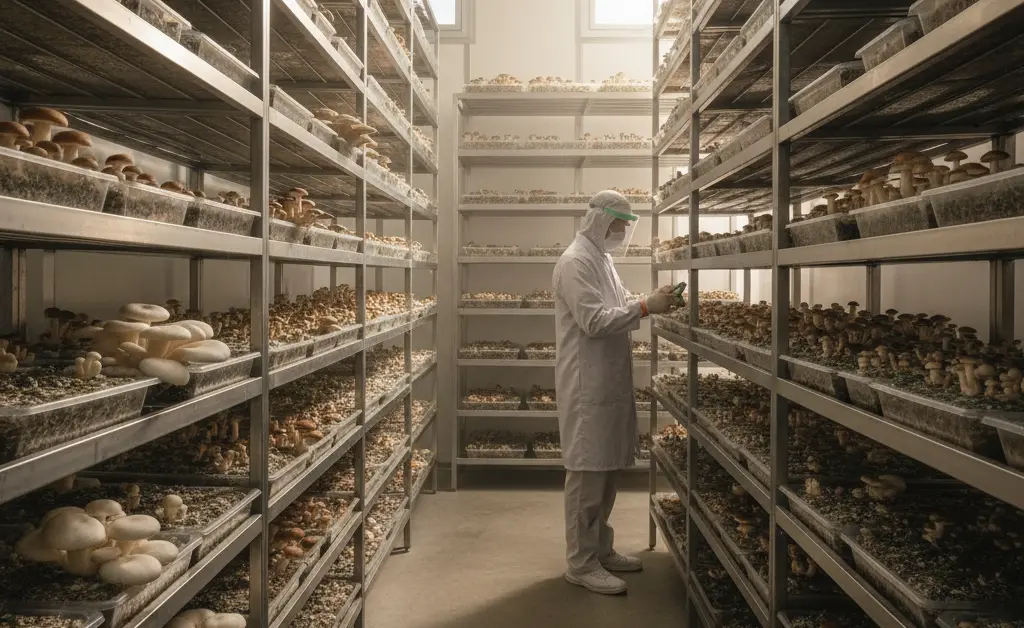
There’s a unique sense of accomplishment and comfort in nurturing life, especially when it results in fresh, delicious produce right at your fingertips. For many, the journey into mycology promises this very satisfaction, transforming a simple curiosity into a rewarding endeavor. Cultivating mushrooms at home might seem like a complex undertaking, but with proper guidance, it’s an accessible and enjoyable process. This comprehensive article aims to instill confidence in aspiring growers, demystifying the essential principles behind creating an optimal environment for fungal growth. We will explore everything involved in designing, constructing, and effectively managing a mushroom cultivation chamber, ensuring you can consistently achieve bountiful harvests of your chosen varieties. Prepare to unlock the secrets to successful indoor mushroom farming and experience the joy of self-sufficiency.
Mushroom Cultivation Chamber
A dedicated mushroom cultivation chamber serves as a controlled environment designed to mimic the specific natural conditions that various mushroom species require to thrive. Its primary purpose and function are to provide precise control over critical environmental factors such as humidity, temperature, fresh air exchange, and light, which are paramount for successful fungal development. Unlike open-air cultivation, a chamber allows growers to optimize these elements, protecting delicate mycelium and fruiting bodies from pests, contaminants, and inconsistent external weather conditions. The benefits of using a dedicated chamber are numerous, including higher yields, more consistent harvests, and the ability to grow a wider variety of species year-round, irrespective of external climate.
What is a mushroom growing room called?
A mushroom growing room can be referred to by several names, depending on its specific function and design. Common terms include “mushroom fruiting chamber,” which emphasizes its role in encouraging the growth of actual mushrooms (fruiting bodies), or simply a “grow room” when part of a larger cultivation setup. Other descriptive names might include “humidity tent,” “monotub,” or “Martha tent,” each denoting a particular style or scale of cultivation chamber. Ultimately, regardless of the name, their core purpose remains to provide an optimized environment for fungal development.
Types of Mushroom Cultivation Chambers
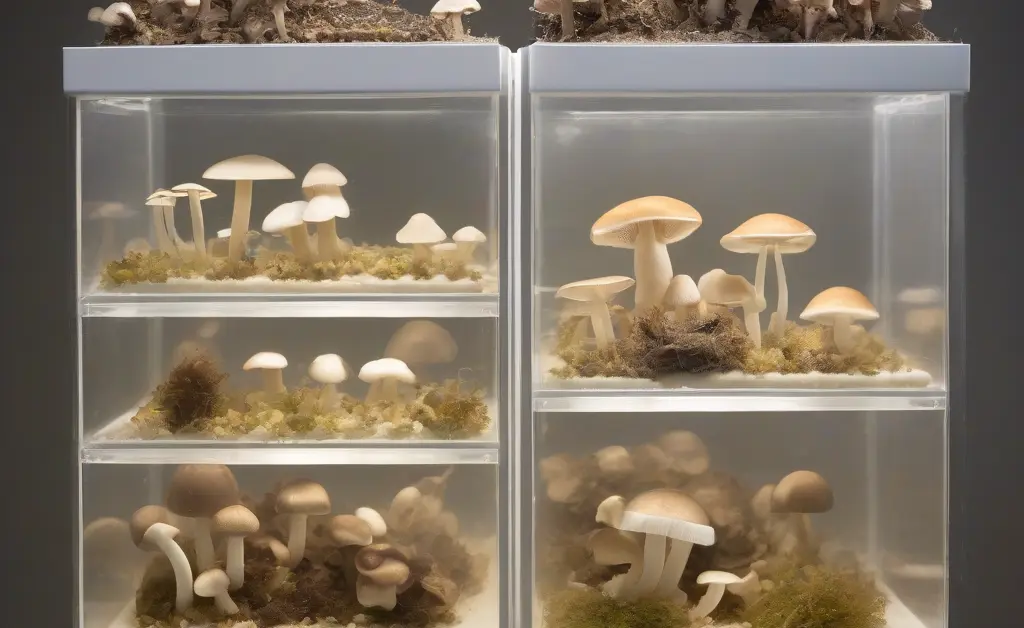
The world of mycology offers a diverse range of options for creating an ideal mushroom cultivation chamber, catering to different scales, budgets, and levels of automation. From simple, homemade setups to more sophisticated, purpose-built systems, understanding the various types can help growers select the best fit for their needs.
DIY Enclosures
Many growers begin their journey with DIY enclosures, which are often creative solutions utilizing readily available materials. These can range from modified plastic storage containers (known as monotubs) that provide a semi-controlled environment for substrate blocks, to larger structures made from shelving units draped with plastic sheeting. Another popular DIY option is the “Martha tent,” which typically consists of a small, greenhouse-like fabric closet equipped with a humidifier and fans. These homemade solutions are cost-effective and provide valuable hands-on experience in environmental control, allowing growers to gradually learn the nuances of operating a mushroom cultivation chamber. You can find a variety of mushroom cultivation equipment that can be incorporated into these setups.
Is there a fully automated mushroom fruiting chamber available?
Yes, the market offers increasingly sophisticated and fully automated mushroom fruiting chambers, especially for commercial or serious hobbyist applications. These advanced systems often come as pre-made kits or custom builds that integrate various features designed for minimal manual intervention. They typically include automated humidity systems, temperature controllers, fresh air exchange fans with timers, and sometimes even integrated LED lighting with programmable cycles. While these options offer convenience and precise environmental control, they generally represent a higher initial investment compared to DIY setups.
Key Components of a Mushroom Cultivation Chamber
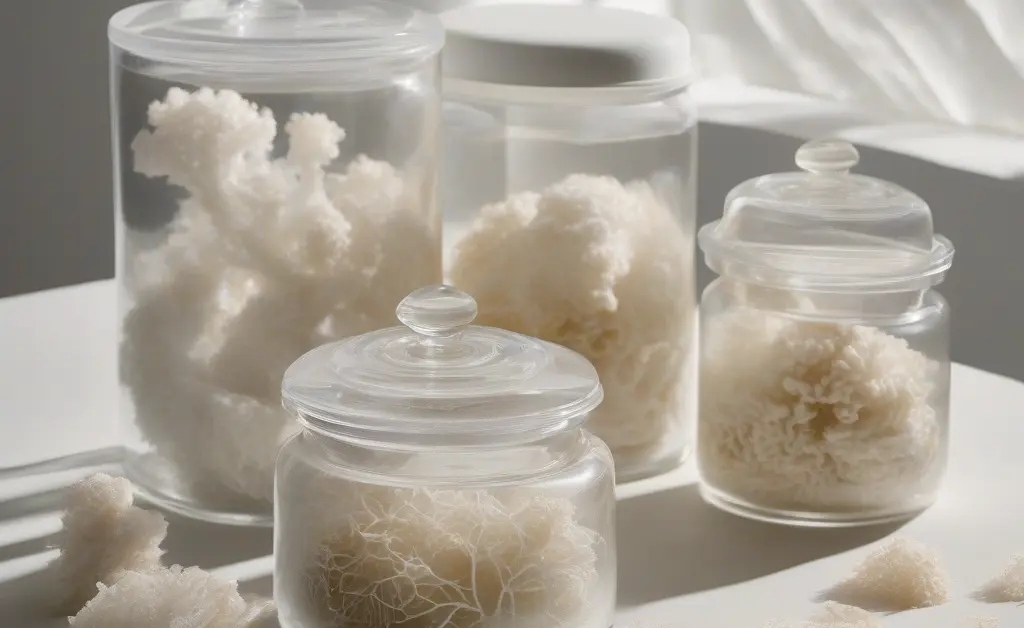
Regardless of its size or complexity, every effective mushroom cultivation chamber relies on a set of essential components to create and maintain the optimal conditions for fungal growth. These elements work in concert to ensure healthy mycelial colonization and robust fruiting.
Effective **humidity control** is paramount, as mushrooms consist largely of water and require a consistently moist environment to form and grow. This is typically achieved using humidifiers, which can range from simple cool-mist models to ultrasonic foggers, often paired with an automated controller. Misters may also be used to periodically spray the chamber’s interior or substrate surface. A reliable mushroom cultivation humidifier is key to this. Proper **airflow and ventilation** are crucial for fresh air exchange (FAE), which provides oxygen for the mushrooms and helps remove metabolic byproducts like carbon dioxide. This is managed through exhaust fans, intake fans, and sometimes passive vents, often with HEPA filters to maintain air purity. **Temperature regulation** is vital, as different mushroom species have specific temperature ranges for optimal growth. This may involve using small space heaters, air conditioning units, or simply relying on the ambient room temperature if stable. **Lighting considerations** for mushrooms are generally less about intensity and more about providing a signal for pinning and directional growth; indirect or low-intensity LED lights on a timer are often sufficient. Finally, **shelving and space optimization** are practical considerations, ensuring efficient use of the chamber’s interior for holding substrate blocks or growing trays, allowing for good air circulation around each unit.
How to Build a DIY Mushroom Cultivation Chamber
Building your own mushroom cultivation chamber can be a rewarding project, allowing for customization to fit your specific space and budget. The process involves thoughtful planning and careful assembly of key environmental control elements.
To begin, consider the materials needed. A basic DIY setup might involve a clear plastic storage tub, a larger plastic sheet, or even a small shelving unit. Essential components will include a small fan for air exchange, a humidifier to maintain moisture levels, and potentially a simple thermostat or hygrometer to monitor conditions. The step-by-step construction guide typically starts with selecting the primary enclosure, such as a transparent tote. Holes may be drilled or cut into the container for fresh air exchange, often covered with micropore tape or filter patches to prevent contamination. Many growers find that specialized mushroom cultivation bags can be integrated into various DIY setups. The next steps involve installing your chosen humidity source, positioning a fan for gentle air movement, and ensuring that temperature can be maintained within the desired range for your chosen mushroom species. Careful sealing and thoughtful placement of monitoring devices are crucial to ensure the effectiveness of your homemade mushroom cultivation chamber.
How can one make a simple mushroom fruit growing
Making a simple mushroom fruiting chamber often involves repurposing common household items. One of the most straightforward methods is creating a “monotub.” This involves a large clear plastic storage container where you place your colonized substrate. Holes are typically drilled along the sides, just above the substrate level, and near the top, to allow for passive or minimal fresh air exchange. A layer of perlite or similar material at the bottom, kept moist, can help maintain humidity. The lid is often left slightly ajar or flipped to allow more airflow as mushrooms begin to fruit. This basic approach provides an accessible entry point into growing mushrooms without requiring complex equipment or extensive construction, serving as an excellent foundational mushroom cultivation chamber.
Maintaining Your Mushroom Cultivation Chamber
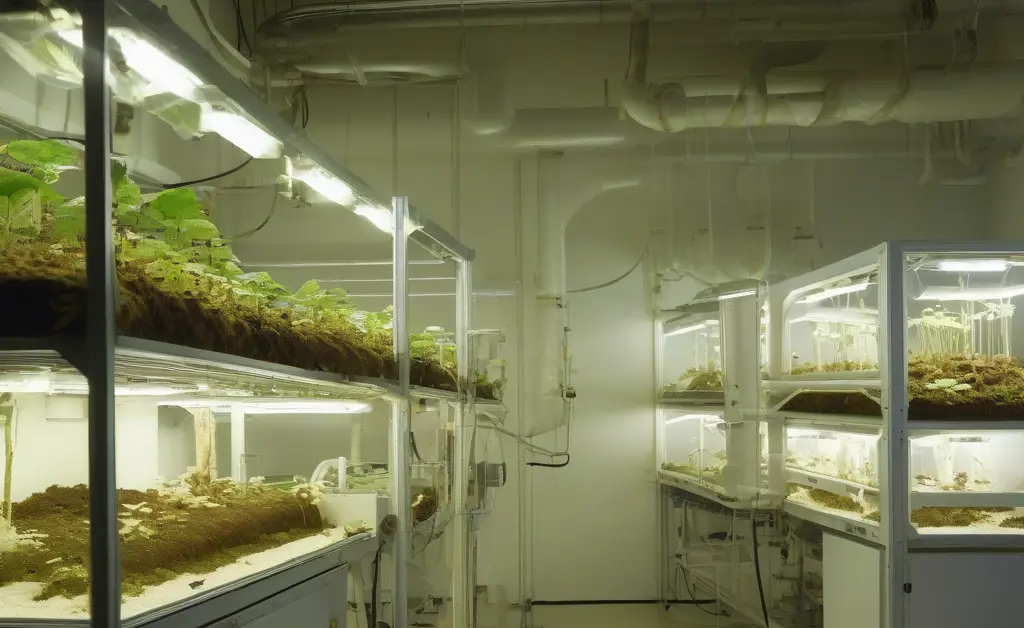
Consistent maintenance is critical to the long-term success and productivity of any mushroom cultivation chamber. Regular cleaning, environmental monitoring, and timely troubleshooting can prevent common issues and ensure a continuous supply of healthy mushrooms.
**Cleaning and sterilization** are paramount to prevent contamination from molds, bacteria, and other unwanted fungi. After each flush or harvest, the chamber should be thoroughly cleaned with appropriate disinfectants. Any substrate debris should be removed, and surfaces wiped down. For more intensive cleaning, a mild bleach solution or specialized sterilizing agents may be used, followed by rinsing. **Monitoring environmental conditions** is an ongoing task, often facilitated by digital thermometers and hygrometers, and sometimes CO2 sensors. Regularly checking these readings allows for prompt adjustments to humidity, temperature, and airflow. Understanding the specific needs of your mushroom species helps in setting ideal parameters. **Troubleshooting common issues** involves recognizing problems like slow growth, unusual coloration, or contamination. This could mean adjusting fresh air exchange if CO2 levels are too high, increasing humidity if mushrooms are cracking, or identifying and isolating contaminated substrate blocks before they affect the entire chamber. Having access to reliable mushroom cultivation supplies is essential for addressing these issues promptly.
How to set up a mushroom growing chamber in a basement
Setting up a mushroom growing chamber in a basement can offer several advantages, primarily due to the stable environmental conditions often found below ground. Basements typically provide consistent temperatures and lower light levels, which can reduce the need for active heating or cooling and block out unwanted light. However, specific considerations are necessary. Basements can sometimes be excessively damp, requiring careful management of humidity to prevent too much moisture buildup, which could encourage bacterial growth. Adequate ventilation is also crucial, as basements may have limited natural airflow, necessitating the use of fans to ensure fresh air exchange and prevent stagnant air. Additionally, ensuring proper drainage and pest control measures are in place can help maintain a clean and productive mushroom cultivation chamber in a basement environment. For health-related advice on fungal infections, one might consult resources from the NHS.
Embarking on the journey of cultivating mushrooms at home within your own dedicated chamber is an immensely rewarding experience. From the initial planning and construction of your chosen chamber type to the meticulous daily care and maintenance, each step brings you closer to a deeper understanding of mycology. The satisfaction of harvesting your first flush of gourmet or medicinal mushrooms, grown under your carefully managed conditions, is unparalleled. With the principles outlined, you are well-equipped to design, build, and maintain a thriving fungal habitat, unlocking the potential for consistent yields and fresh, homegrown produce right at your fingertips. Happy growing!
While this article discusses health-related topics, it does not provide medical guidance. The information presented is for educational and informational purposes only, pertaining to the cultivation of mushrooms. It is not intended to be a substitute for professional medical advice, diagnosis, or treatment. Always seek the advice of a qualified healthcare provider for any questions regarding a medical condition or before making any decisions related to your health or diet.
FAQ
What is a mushroom cultivation chamber?
A mushroom cultivation chamber is an enclosed, controlled environment specifically engineered to provide optimal conditions for fungi to grow and produce fruiting bodies. This specialized setting carefully regulates crucial factors such as humidity, temperature, fresh air exchange, and light cycles, which are vital for mimicking the natural habitats mushrooms require to thrive. The design of a mushroom cultivation chamber is thus fundamental in supporting the entire lifecycle, from mycelial colonization through to mature mushroom development.
Is there a fully automated mushroom fruiting chamber available?
Yes, fully automated fruiting chambers are available and represent a significant advancement in mushroom growing technology. These sophisticated systems typically integrate an array of sensors that continuously monitor environmental parameters like humidity, temperature, and carbon dioxide levels. The data from these sensors then triggers automated components, such as humidifiers, fans, and heaters, to precisely maintain the ideal conditions for mushroom development without constant manual intervention.