
A Beginner’s Guide to Mushroom Cultivation Bags
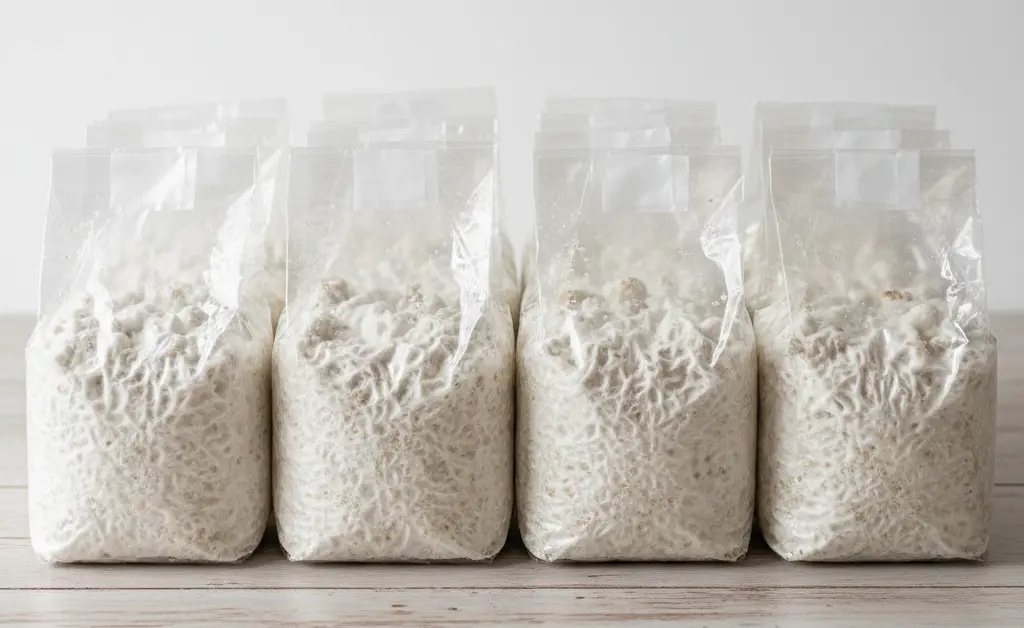
Embarking on the rewarding journey of home mushroom cultivation demands precision and the right equipment to ensure consistent success. Creating an optimal, sterile environment for fungal growth is often the most critical step, a challenge efficiently addressed by specialized tools designed for the purpose. Among these, mushroom cultivation bags stand out as a foundational element, transforming the complexities of mycology into a streamlined and accessible process for enthusiasts of all levels. These bags provide the controlled conditions necessary for everything from substrate sterilization and inoculation to colonization and even fruiting. Understanding the diverse types available and their specific applications is key to unlocking bountiful harvests, making the cultivation experience both satisfying and productive.
What are Mushroom Cultivation Bags?
Mushroom cultivation bags are specialized, durable bags designed to provide an optimal, contamination-free environment for growing mushroom mycelium and, in some cases, fruiting mushrooms. They typically consist of heat-resistant plastic, often polypropylene or polyethylene, and are equipped with a filter patch that allows for gas exchange while preventing the entry of airborne contaminants. These bags play a crucial role in mycology by simplifying the process of substrate preparation, sterilization, inoculation, and incubation, making the journey of growing mushrooms more manageable for both beginners and experienced cultivators. Their primary purpose is to create a controlled microclimate where fungal spores or liquid culture can successfully colonize a chosen substrate, laying the groundwork for a successful mushroom harvest.
Types of Mushroom Cultivation Bags
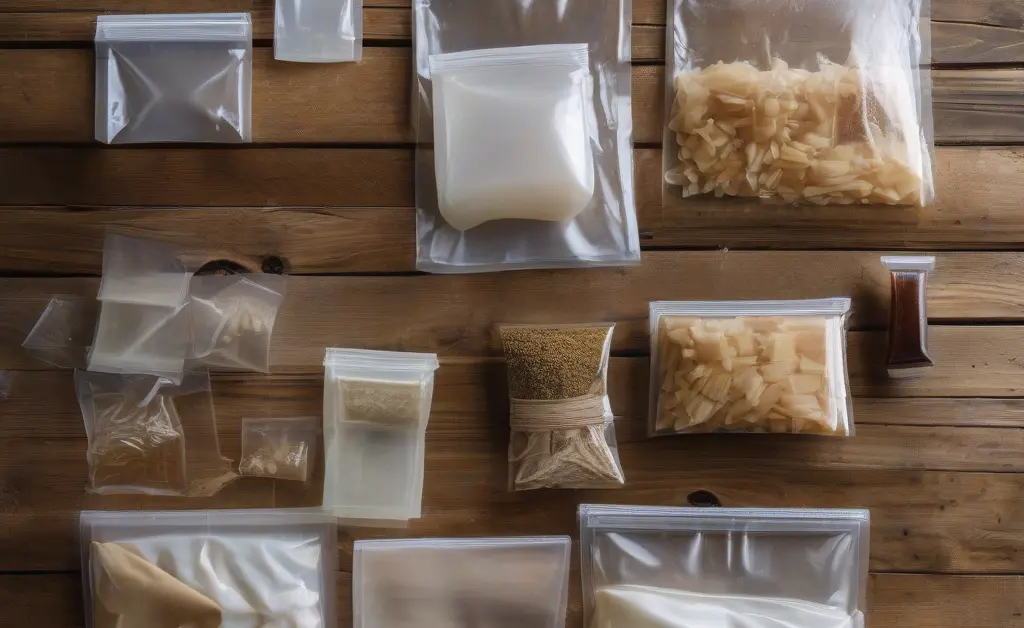
The world of mushroom cultivation bags offers a variety of options, each tailored to specific stages of growth or types of substrate. Choosing the right bag type is essential for success, as it directly impacts substrate preparation, sterilization, and ultimately, the yield. Understanding the distinctions helps cultivators match their bag choice to their specific project requirements.
Sterilized Grain Bags (e.g., Rye Berry, Millet)
Sterilized grain bags are primarily used for creating grain spawn, which is the initial inoculum for larger substrate blocks. These bags often come pre-filled with hydrated and sterilized grains such as rye berry, millet, or wheat. The grains provide a nutritious and easily colonizable base for mycelium. Their design typically includes a microporous filter patch to allow for gas exchange while maintaining sterility during the incubation phase, making them a cornerstone for expanding mycelial cultures before introducing them to bulk substrates.
Sawdust/Woodchip Bags
Sawdust and woodchip bags are specifically formulated for growing lignicolous mushroom species, which naturally thrive on wood-based substrates. These bags are typically filled with a blend of hardwood sawdust or woodchips, often supplemented with other nutrients like bran or gypsum. They are designed to withstand high-temperature sterilization, providing a nutrient-rich and sterile medium for mycelial colonization. The robust nature of these bags and their substrates supports the development of species like oyster mushrooms, lion’s mane, and shiitake.
Substrate Bags with Filter Patches
A defining feature of many mushroom cultivation bags is the integrated filter patch. These patches are engineered to allow the necessary exchange of oxygen and carbon dioxide for mycelial respiration while rigorously filtering out airborne contaminants like mold spores and bacteria. Filter patches come in various pore sizes and materials, offering different levels of gas exchange rates, which can be critical for specific mushroom species or stages of growth. Their inclusion makes these bags highly effective tools for maintaining a sterile environment throughout the critical colonization period.
Customizable Bags
Customizable bags offer cultivators the flexibility to prepare and sterilize their own unique substrate formulations. These bags are typically sold empty, allowing users to add their preferred mix of grains, sawdust, coir, vermiculite, or other ingredients. They come with the same essential features as pre-filled options, including heat-resistant materials and filter patches, enabling thorough sterilization in a pressure cooker or autoclave. This versatility makes them ideal for experienced growers who wish to experiment with different substrate recipes or for those cultivating less common mushroom varieties with specific nutritional needs.
Key Features to Look for in Mushroom Cultivation Bags
Selecting the right mushroom cultivation bags involves considering several key features that contribute to their effectiveness and your overall success. The material quality, filter design, and overall construction are paramount. High-quality bags are typically made from durable, heat-resistant plastics like polypropylene, which can withstand the high temperatures required for sterilization without melting or degrading. The integrity of the filter patch is also critical; it must allow for efficient gas exchange while acting as a reliable barrier against contaminants. The dimensions and capacity of the bags should align with your cultivation scale and the specific volume of substrate you intend to use. For efficient organization and space utilization, many growers also look for solutions like mushroom cultivation racks. Furthermore, consider features such as gusseted sides, which allow the bags to stand upright, and strong seals or compatibility with impulse sealers for secure closure. These details collectively enhance the functionality and reliability of your mushroom cultivation bags.
How to Use Mushroom Cultivation Bags
Utilizing mushroom cultivation bags effectively involves a sequence of steps designed to promote optimal mycelial growth and prevent contamination. The process generally begins with preparing your chosen substrate, ensuring it has the appropriate moisture content. Next, the substrate is loaded into the mushroom cultivation bags, which are then sealed and sterilized, often using a pressure cooker or autoclave, to eliminate competing microorganisms. Once cooled, the bags are inoculated with your mushroom spores or liquid culture in a clean environment, such as a still air box or flow hood, to minimize contamination risks. The inoculated bags are then placed in an incubation area with appropriate temperature conditions, allowing the mycelium to colonize the substrate fully. Depending on the mushroom species and bag type, the bags may eventually be prepared for fruiting by introducing light and humidity, or the colonized substrate may be transferred to a separate fruiting chamber. Proper handling and sanitation at each stage are crucial for a successful harvest when using mushroom cultivation bags.
Benefits of Using Mushroom Cultivation Bags

The adoption of mushroom cultivation bags offers numerous advantages that streamline the growing process and enhance success rates. One significant benefit is the **ease of use and convenience** they provide, simplifying what can often be a complex mycological endeavor. Their design integrates critical functions like sterilization and gas exchange, reducing the need for multiple pieces of equipment. They significantly contribute to a **reduced contamination risk** due to the built-in filter patches that allow for sterile gas exchange while keeping unwanted microbes out. Adhering to strict hygiene and safety standards during cultivation helps ensure the final product is safe for consumption, a principle often emphasized by health authorities such as the FDA. This feature is paramount in preventing mold or bacterial growth that can ruin an entire crop. Mushroom cultivation bags also enable a highly **controlled growing environment**, ensuring consistent humidity, temperature, and air exchange vital for robust mycelial development. Maintaining optimal atmospheric conditions often requires a dedicated mushroom cultivation humidifier. Furthermore, these bags offer remarkable **scalability for hobbyists and commercial growers** alike, allowing individuals to easily adjust their production volume without significant overhauls to their setup. Their versatility accommodates various mushroom species and substrate types, making them a foundational tool for efficient and productive mushroom cultivation.
Mushroom Cultivation Bags: FAQs
Many common questions arise when cultivators begin working with mushroom cultivation bags. A frequent inquiry is whether these bags can be reused. While some attempt to clean and sterilize them for reuse, it is generally not recommended due to the potential for plastic degradation and hidden contaminants that can compromise future grows. Another common question pertains to the lifespan of mushroom cultivation bags once inoculated; this largely depends on the mushroom species, substrate, and environmental conditions, but colonization typically takes several weeks. Users also often ask what types of substrate are best suited for different bags; the answer varies greatly by the mushroom variety you intend to grow, with grains being popular for spawn, and sawdust or straw for fruiting blocks. Finally, cultivators frequently wonder how to identify contamination within the bags. Signs of contamination often include unusual colors like green, black, or pink molds, or foul odors that indicate bacterial growth, necessitating the removal of the affected bag to protect other grows.
Where to Buy Mushroom Cultivation Bags
When seeking to purchase mushroom cultivation bags, cultivators have several reliable avenues to explore, depending on their needs and location. Online retailers specializing in mycology supplies are a popular choice, offering a wide selection of various bag types, sizes, and filter specifications. Websites like Amazon also list a range of options, though it’s often advisable to check seller reviews and product specifics carefully. For those seeking larger quantities or specialized designs, purchasing directly from manufacturers can be a cost-effective solution, providing access to bulk pricing and detailed product information. Additionally, local hydroponic or gardening shops sometimes carry mushroom cultivation bags, particularly in areas with a strong interest in home cultivation. When making a purchase, consider the material quality, the type and pore size of the filter patch, and the bag’s capacity to ensure it aligns with your specific mushroom growing projects.
Mushroom cultivation bags serve as an indispensable tool for anyone venturing into the fascinating world of mycology, whether as a hobbyist or a commercial grower. Their ability to provide a sterile, controlled environment for mycelial growth simplifies complex processes, significantly reduces the risk of contamination, and ultimately paves the way for successful harvests. By understanding the different types of bags available, their key features, and the proper methods for their use, cultivators can select the ideal equipment to match their specific projects and contribute to a more efficient and productive growing experience. These specialized bags truly transform the intricate science of mushroom cultivation into an accessible and rewarding endeavor for all.
This article aims to inform, not to replace professional healthcare advice. The information provided is for general knowledge and educational purposes only, and does not constitute medical advice. It is always recommended to consult with a qualified healthcare professional for any health concerns or before making any decisions related to your health or treatment.
FAQ
First time guys. What mushroom bag I need to get to use to grow this
For beginners, a simple mushroom bag with a filter patch is a good starting point. These bags are designed to allow for gas exchange while preventing contamination, which is crucial for successful mushroom growth. They provide a controlled environment for your mycelium to establish itself.
How long does it take mycelium to colonize a mushroom grow bag?
The time it takes for mycelium to fully colonize a mushroom grow bag can vary depending on the mushroom species and the environmental conditions. Generally, this process can take anywhere from two to six weeks as the mycelium spreads throughout the substrate. Consistent temperature and humidity play significant roles in this colonization phase.
When to start fruiting mushroom bags?
You know it’s time to initiate fruiting when the substrate inside your mushroom grow bag is fully colonized and shows no signs of uncolonized grain or other growth medium. This typically appears as a dense, white network of mycelium covering the entire substrate. At this point, the mycelium is ready to transition to producing mushrooms.
How many times can you reuse a mushroom grow bag?
Reusing mushroom cultivation bags is generally not recommended for a few key reasons. Each use introduces a higher risk of contamination, which can jeopardize future grows. Furthermore, the integrity of the bag and its filter can degrade with repeated sterilization and handling.
How long do mushroom grow bags last?
When stored properly in a cool, dry place, unused mushroom grow bags can remain viable for a considerable period, often for several years. However, once they have been inoculated and colonized, their usable life for further cultivation is significantly reduced due to potential contamination or physical degradation. The focus shifts to harvesting and preparing for the next cycle rather than reuse.
What is the best substrate for mushroom cultivation bags?
The ideal substrate for mushroom cultivation bags depends heavily on the specific type of mushroom you intend to grow. Many popular species thrive on a mix of sterilized hardwood sawdust and bran, or on supplemented rye grain. These provide the necessary nutrients and moisture content for robust mycelial growth.
How do I sterilize mushroom cultivation bags?
Sterilizing mushroom cultivation bags typically involves using a pressure cooker or an autoclave. This process effectively eliminates any competing microorganisms present in the substrate, creating a clean environment for the mushroom mycelium to grow without interference. Proper sterilization is a critical step for preventing contamination.
Can I reuse mushroom cultivation bags?
While it might be tempting to reuse mushroom cultivation bags, it is generally advised against for optimal results. The primary concern is preventing contamination, as residual organic matter or dormant spores can compromise subsequent cultures. Ensuring a sterile environment is paramount for successful mushroom cultivation, making single-use bags the more reliable option.
What size mushroom cultivation bags should I use?
The most common size for mushroom cultivation bags is typically around 8 by 5 by 19 inches, which offers a good balance for substrate volume and colonization surface area. However, the ideal size can also depend on the specific mushroom species and the scale of your operation. Smaller bags might be suitable for experimentation, while larger ones are used for bulk production.