
How to Choose the Right Mushroom Cultivation Racks
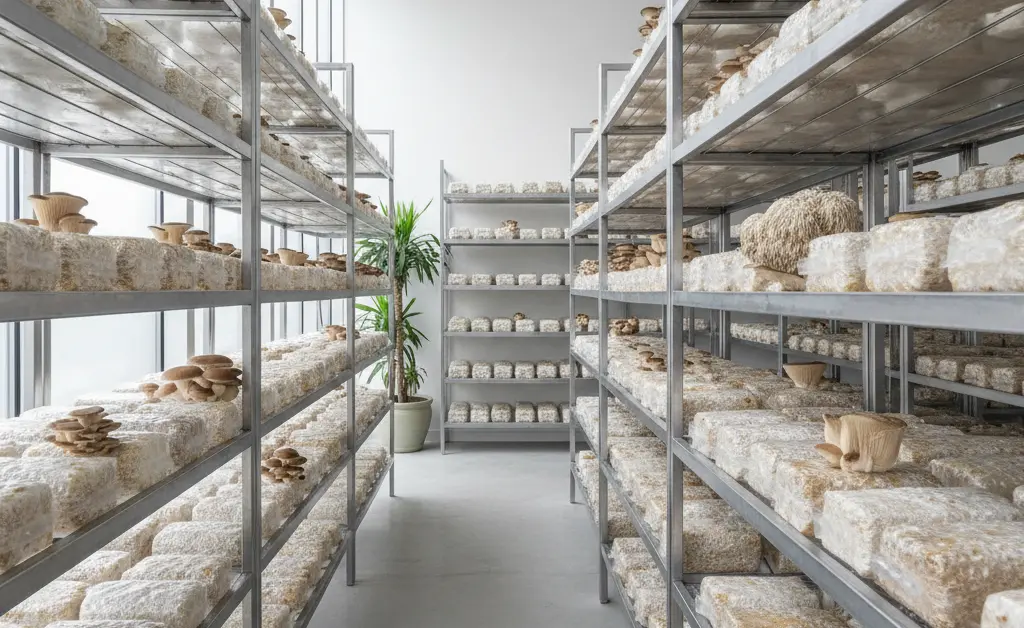
What’s the best way to optimize space and conditions for growing mushrooms? Efficient cultivation practices rely heavily on the proper infrastructure, and among the most critical components are the support systems used to hold substrates and fruiting bodies. Choosing the right setup can significantly impact yield, ease of management, and overall operational efficiency. This guide delves into the various considerations for selecting appropriate mushroom cultivation racks, examining different types, materials, and features essential for both small-scale and commercial operations. Understanding these elements is key to creating an environment that supports healthy mushroom development while streamlining production processes.
Understanding Mushroom Cultivation Racks
What are mushroom cultivation racks?
Mushroom cultivation racks are specialized shelving or structural systems designed to efficiently organize and support mushroom growing blocks, bags, or trays within a cultivation environment. Their primary purpose is to maximize vertical space, ensuring that each grow substrate receives adequate airflow, light (if needed), and access for watering, monitoring, and harvesting. These structures are crucial for maintaining consistent environmental conditions across an entire grow room, contributing significantly to successful yields and operational logistics. The design and material of mushroom cultivation racks are tailored to withstand humid conditions and support varying weights of substrate, making them indispensable for any serious mushroom grower. For those looking into comprehensive setups, exploring mushroom cultivation equipment can provide a broader perspective on necessary tools.
Types of Mushroom Cultivation Racks
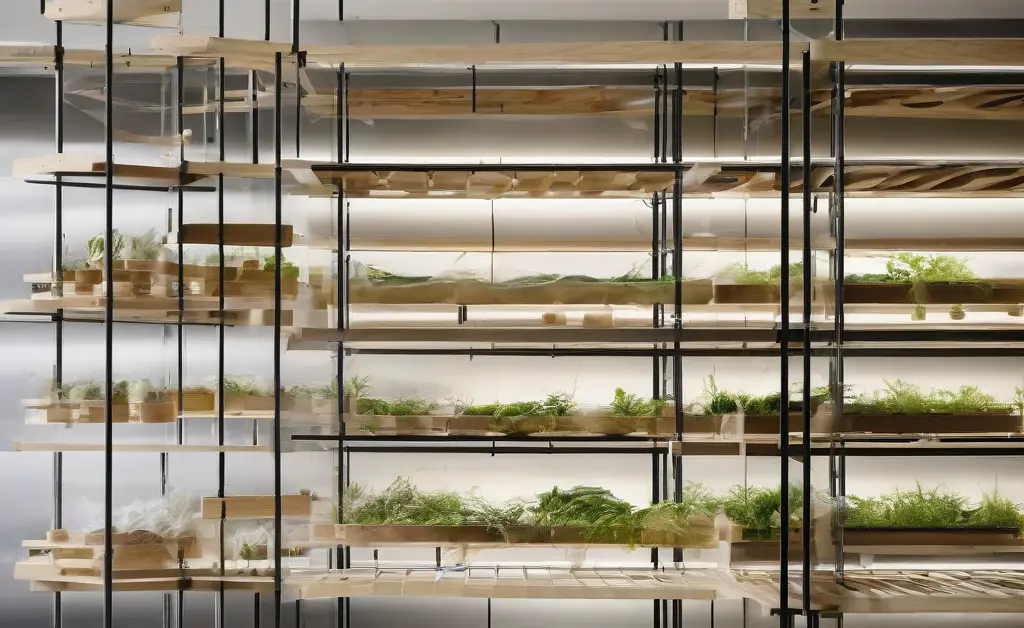
Selecting the appropriate material for mushroom cultivation racks is a critical decision that impacts durability, hygiene, and the overall efficiency of a growing operation. Each material offers distinct advantages and disadvantages, making the choice dependent on specific environmental conditions, budget, and scale of cultivation.
Bamboo racks for mushroom cultivation
Bamboo racks are often chosen for their natural appeal, sustainability, and relatively low cost. They are lightweight and can be easily assembled, making them suitable for smaller-scale or temporary setups. However, bamboo’s organic nature means it can be susceptible to mold and rot in the high-humidity environments typical for mushroom cultivation. While some treatments can extend their lifespan, they generally require more frequent replacement or diligent cleaning compared to other materials.
Plastic racks for mushroom cultivation
Plastic racks, typically made from high-density polyethylene (HDPE) or polypropylene, offer excellent resistance to moisture and rust. They are lightweight, easy to clean, and do not degrade in humid conditions, making them a hygienic option. Their non-porous surface helps reduce the risk of contamination. However, plastic racks may not offer the same load capacity as metal alternatives and can sometimes warp under heavy loads or extreme temperatures, depending on the plastic quality. They are often a good balance of cost, durability, and cleanliness for many growers.
Metal racks (Stainless Steel, Galvanized)
Metal racks are widely regarded as the most durable and long-lasting option for mushroom cultivation. Stainless steel racks are exceptionally resistant to corrosion, rust, and bacterial growth, offering superior hygiene and structural integrity. They are robust, capable of supporting heavy loads, and can withstand frequent cleaning and sterilization. The primary drawback is their higher initial cost. Galvanized racks, coated with a protective zinc layer, offer a more economical alternative to stainless steel while still providing good rust resistance. However, galvanized coatings can degrade over time, especially in highly acidic or saline environments, and some growers prefer stainless steel for ultimate longevity and hygiene.
Wooden racks
Wooden racks are another natural option, often chosen for their affordability and ease of construction, particularly for DIY mushroom cultivation racks. Like bamboo, wood is porous and can absorb moisture, making it prone to mold, rot, and pest infestation in humid environments. While treated wood may last longer, care must be taken to ensure any treatments are safe and do not leach harmful chemicals into the growing environment. They typically require more maintenance and have a shorter lifespan compared to metal or plastic options.
PVC racks
PVC (Polyvinyl Chloride) racks are lightweight, inexpensive, and completely impervious to water and rust, making them excellent for humid conditions. They are easy to assemble, often using simple connector pieces, and can be customized to various sizes. However, PVC may not be as structurally strong as metal and can sag or break under very heavy loads. The material’s flexibility can also be a concern for very tall structures or those holding numerous heavy grow blocks. They are best suited for lighter applications or smaller-scale operations.
Key Features and Considerations for Mushroom Cultivation Racks
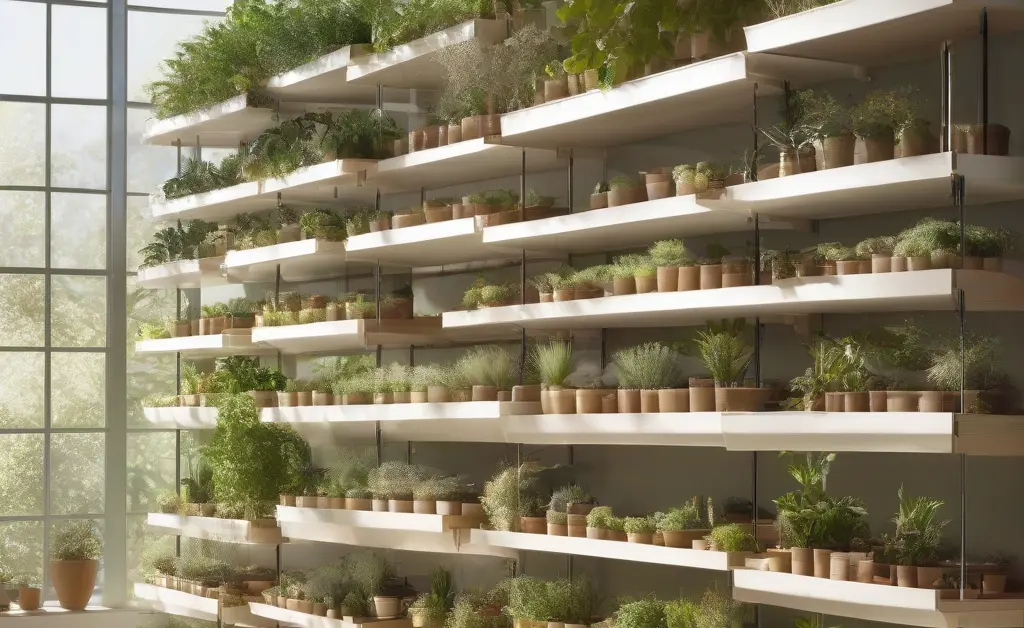
When selecting mushroom cultivation racks, several key features and design considerations play a crucial role in optimizing the growing environment and operational efficiency. These factors directly influence yield, ease of maintenance, and the overall success of your cultivation efforts.
Mushroom Growing Shelves/Racks
The design of mushroom growing shelves and racks is paramount. Shelves should be robust enough to support the weight of fully colonized substrates and fruiting bodies without bending or collapsing. The spacing between shelves is also critical, allowing sufficient vertical clearance for mushroom growth and good airflow. Materials that permit airflow through the shelves themselves, such as wire mesh or perforated designs, can further enhance air circulation around the growing blocks.
Shelving units vs. modular racks
Growers often choose between complete shelving units and modular racks. Shelving units are typically pre-designed, fixed-size structures that provide a straightforward solution. Modular racks, on the other hand, offer greater flexibility. They consist of individual components that can be assembled, reconfigured, and expanded as needed. This allows for dynamic adjustments to the grow space, accommodating different mushroom strains or scaling up operations over time. Considerations like material durability and rust resistance are vital, especially in the high-humidity conditions of a mushroom farm. Load capacity and stability are also non-negotiable; racks must securely hold their contents without risk of tipping. Ease of assembly and installation can save significant time and labor, while adjustability and customization options provide adaptability. Furthermore, space optimization and airflow are inherent benefits of well-designed racks, promoting healthy growth and preventing stagnant air pockets. Finally, hygiene and ease of cleaning are essential to minimize contamination risks, with smooth, non-porous surfaces generally being preferred. Maintaining optimal humidity levels is also key, and resources like mushroom cultivation humidifiers are vital for this. Many growers also utilize specialized containers; understanding the benefits of mushroom cultivation jars can be very helpful.
Benefits of Using Mushroom Cultivation Racks
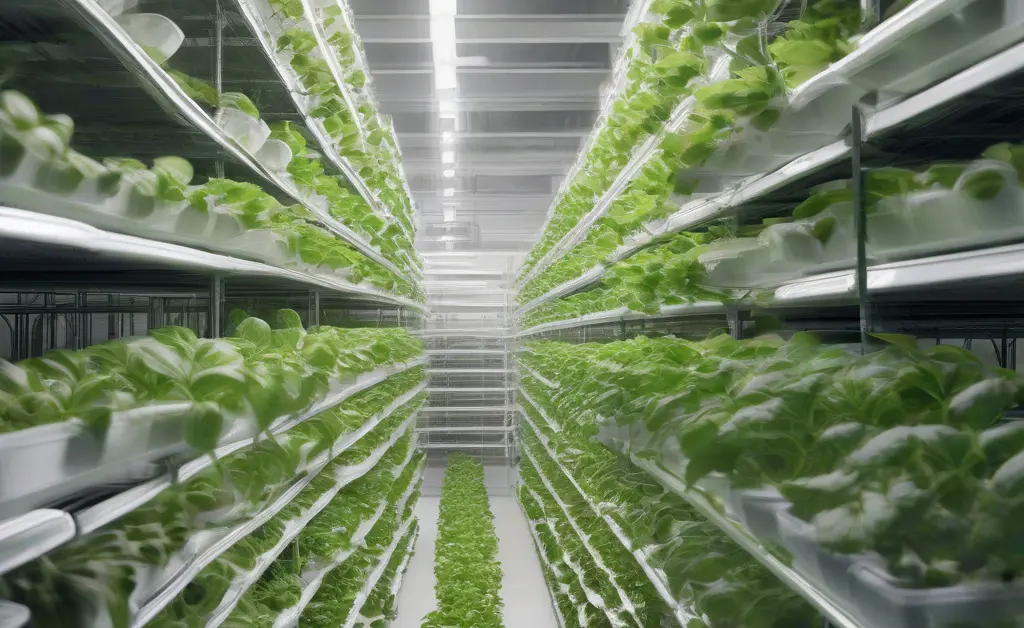
The strategic implementation of mushroom cultivation racks offers a multitude of advantages that significantly enhance productivity, efficiency, and environmental control within a growing operation. These benefits extend from the initial setup to the final harvest, streamlining the entire cultivation process.
One of the foremost advantages is improved yield and growth. By elevating substrates off the floor and organizing them vertically, racks ensure consistent exposure to light (for species that require it), fresh air, and humidity, which are all crucial for optimal mushroom development. This uniformity in environmental exposure can lead to more robust growth and a higher success rate for fruiting bodies. Furthermore, racks facilitate better environmental control within the growing space. They allow for more effective air circulation, preventing pockets of stale air and reducing the buildup of carbon dioxide, which can inhibit growth. This also aids in the even distribution of humidity and temperature, creating an ideal microclimate for your mushrooms.
Efficient use of space is another major benefit. Mushroom cultivation racks enable vertical farming, maximizing the number of growing blocks or bags that can be accommodated in a given footprint. This is particularly valuable for growers with limited space, allowing them to scale production without expanding their physical area. Additionally, the structured organization provided by racks contributes to a reduced contamination risk. By keeping substrates off the floor and neatly separated, it minimizes contact with potential contaminants and makes it easier to spot and isolate any infected blocks. This organized approach also leads to streamlined harvesting and maintenance. Growers can easily access each shelf, making tasks like watering, monitoring, and picking mushrooms less strenuous and more efficient, ultimately saving time and labor. Many operations rely on specific containers for their substrate, and information on mushroom cultivation bags can be crucial for optimizing this aspect. The world health organization offers extensive information on health and safety guidelines, which are relevant for any large-scale cultivation. You can find more on this topic at the WHO.
In summary, mushroom cultivation racks are an indispensable investment for any serious mushroom grower, contributing to higher yields, better management, and a more sustainable operation.
It is important to note that this content is not intended as medical advice. The information provided here is for general informational purposes only and should not be used as a substitute for professional medical advice, diagnosis, or treatment. Always consult with a qualified healthcare professional before making any decisions about your health or treatment.
FAQ
What material is best for mushroom growing shelves?
The most effective materials for mushroom growing shelves are those that resist moisture and corrosion, such as stainless steel or food-grade plastics. These materials are also advantageous for their ease of cleaning and sterilization, which is crucial for maintaining a contaminant-free environment. Their non-porous surfaces prevent the absorption of water and organic matter, reducing the risk of mold and bacterial growth.
How do you set up mushroom cultivation racks?
Setting up mushroom cultivation racks involves ensuring structural stability and optimizing for environmental control within your growing space. Proper setup considers adequate spacing between shelves for air circulation and access, as well as robust construction to support the weight of substrate blocks or growing trays. The design often integrates systems for humidity management and lighting, depending on the specific mushroom variety being cultivated.
What are the dimensions of a typical mushroom rack?
The dimensions of a typical mushroom rack can vary significantly based on the scale of cultivation and the specific growing method employed. Commercial operations might use large, multi-tiered systems spanning several feet in height and width, designed for maximizing yield in a controlled environment. Smaller, hobbyist setups often feature more compact designs, fitting into grow tents or smaller dedicated spaces while still providing necessary ventilation and accessibility.
Are mushroom growing racks worth the investment?
Investing in mushroom growing racks can significantly enhance cultivation efficiency and yield, particularly for those looking to scale their operations or maintain consistent production. They enable organized space utilization, optimize air circulation around growing blocks, and facilitate easier environmental monitoring and harvesting. This structured approach helps in achieving more predictable and abundant harvests compared to less organized setups.